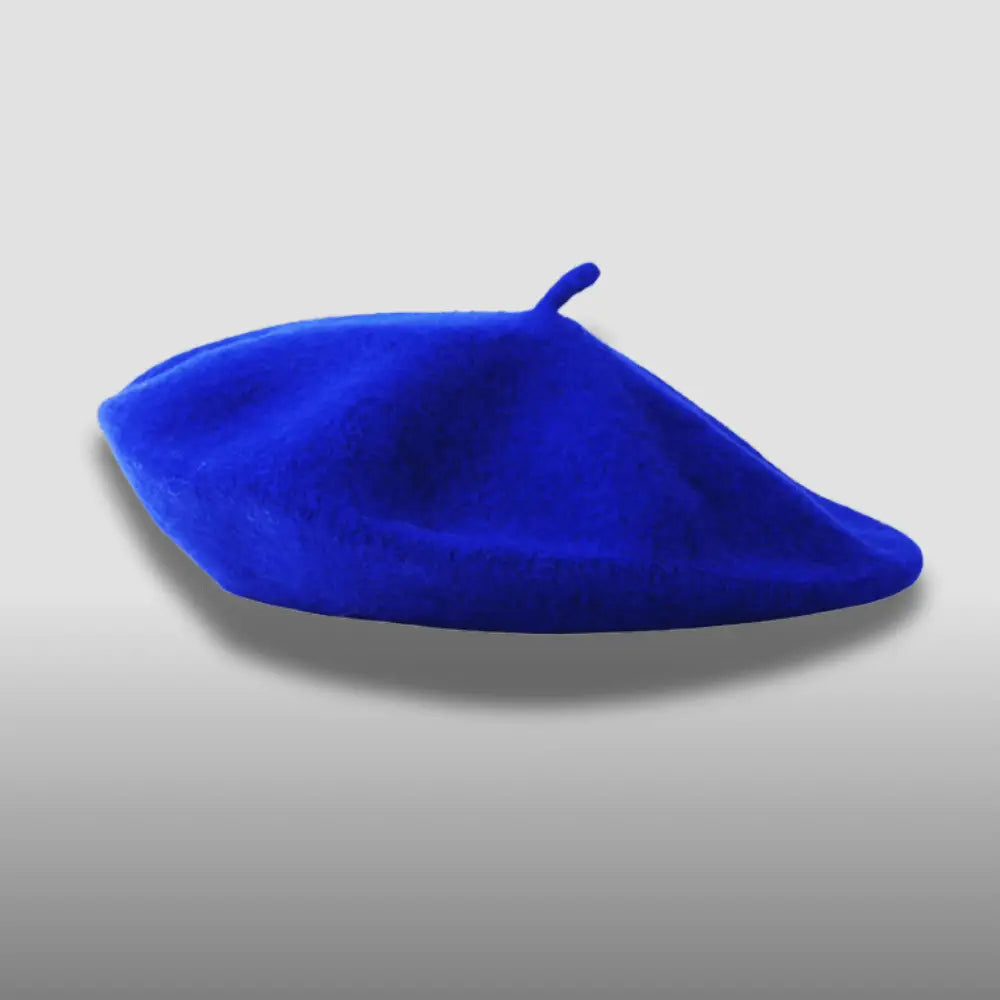
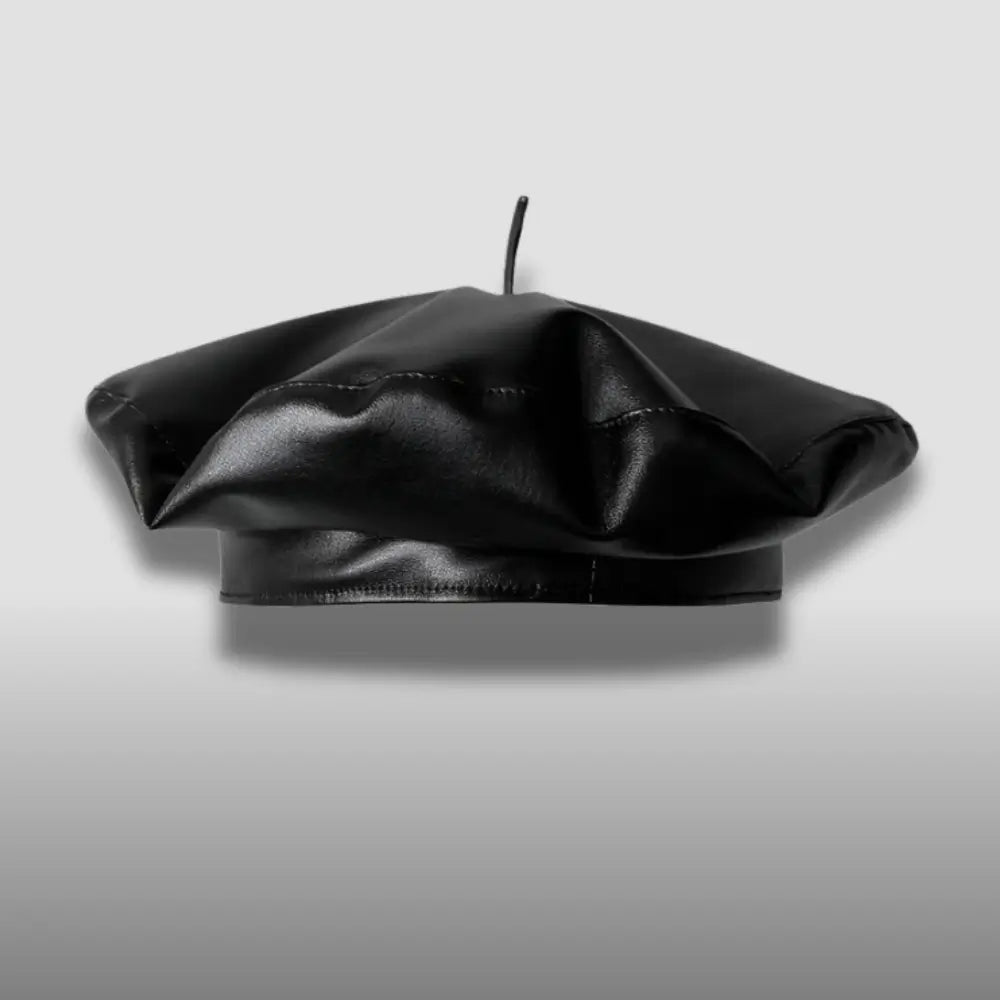
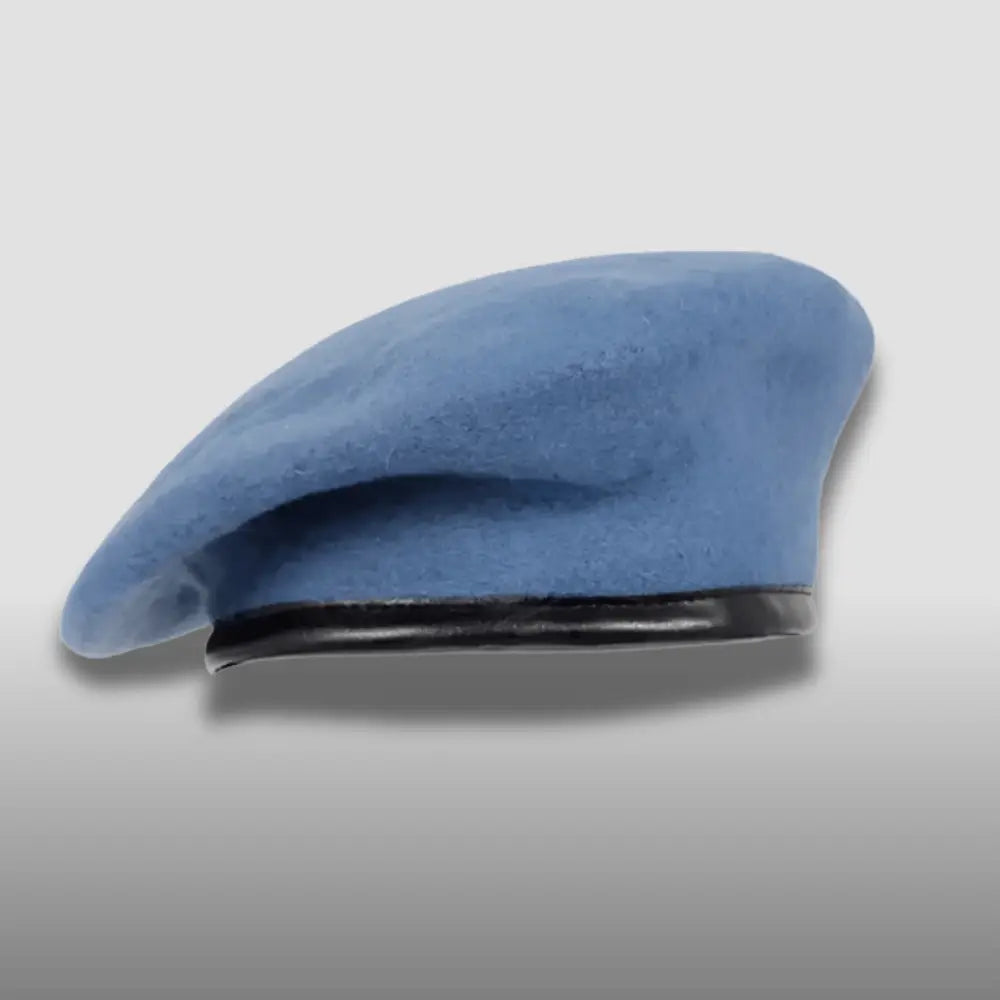
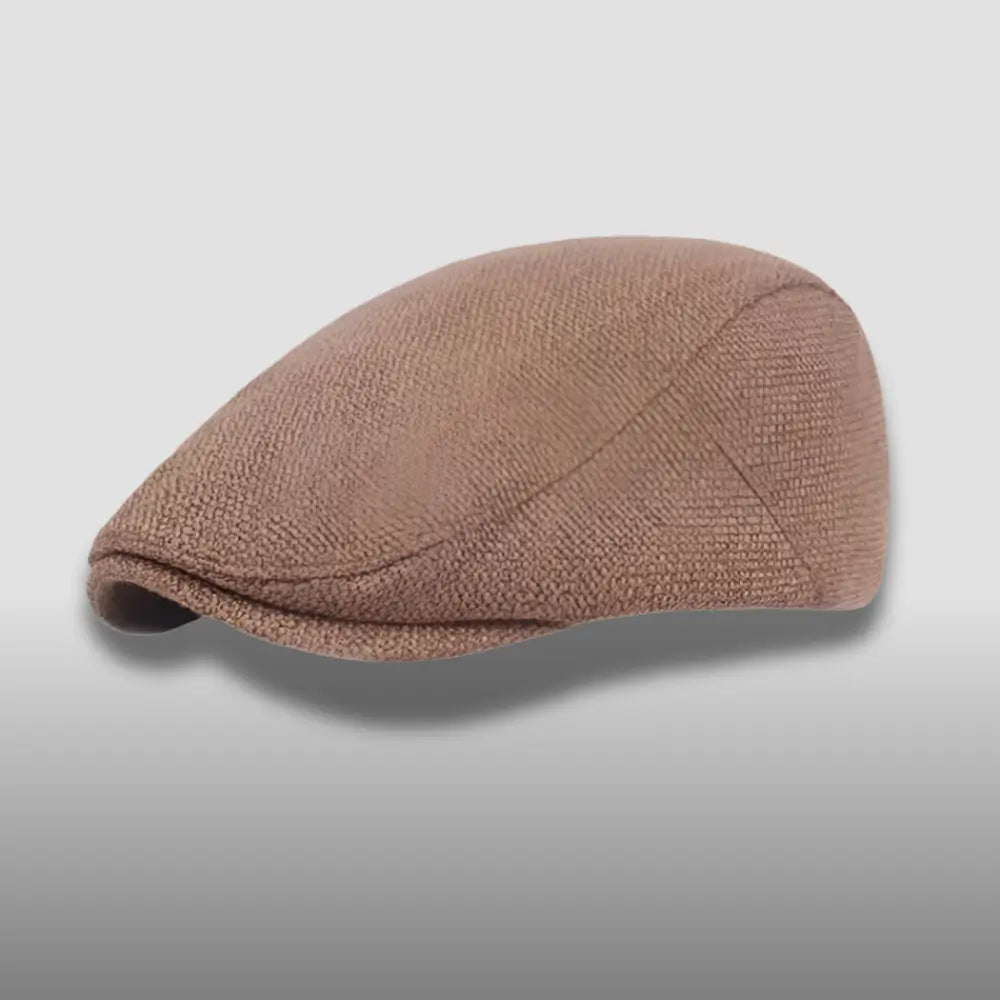
Short answer: yes, the beret you picture today is a French icon, though its round, flat shape first took form on both sides of the Pyrenees, in shepherd villages that straddled France and Spain long before anyone called it a national symbol. France is where the hat left the pastures and became fashion, military uniform, and a mark of national identity, and that is the part of the story most people are really asking about.
I am Camille, and I have shaped berets by hand in the Béarn for most of my life, the same corner of southwest France where the wool beret took its modern shape. So here is the honest version: where the hat really began, how France made it their own, and why calling it a "French beret" is fair even though its first home crossed a border.
- The beret's shape comes from Pyrenean shepherds, worn on both the French Béarn and Basque sides and the Spanish Basque side.
- France turned a regional shepherd's cap into a national symbol through wool manufacturing, the military, and Paris fashion.
- The French army formally adopted the beret for its mountain troops in 1889, which anchored it as an official French item.
- Parisian artists and intellectuals in the early 1900s made it a style statement, not just workwear.
- Today, "French beret" accurately names the wool beret shaped and finished in the French tradition, ours included.
The quick timeline
If you only remember one thing, remember this: the shape is Pyrenean, the industry and the symbol are French.
| Era | What happened | Where |
|---|---|---|
| Before 1800 | Wool shepherd's cap, boiled and hand-shaped | Pyrenees: Béarn and Basque Country, both sides of the border |
| 1800s | Béarn wool manufacturing spreads the beret across France | Béarn, southwest France |
| 1889 | French army adopts the beret for its mountain infantry | France, official military use |
| Early 1900s | Paris artists and intellectuals wear it as a style statement | Paris, France |
| Today | "French beret" names the wool version shaped in the French tradition | Worldwide |
Where the beret actually began
Long before it was a fashion accessory, the beret was practical headwear for shepherds working the high pastures of the Pyrenees. Wool was the material at hand, and a round, flat cap boiled and pressed by hand kept out wind and rain without a brim to catch on branches or blow off in a gust. This was not a single village's invention. The same basic cap was worn on the French side, in the Béarn where I trained, and on the Basque side that reaches into both France and Spain.
What made the beret distinct from a plain wool bonnet was the shaping: a wide, gathered circle of felted wool pulled down onto a tight headband, so the crown falls softly to one side instead of sitting like a dome. That construction is what people still mean when they say "beret" today, and it is the same basic method we use to shape ours.
Who wore it first
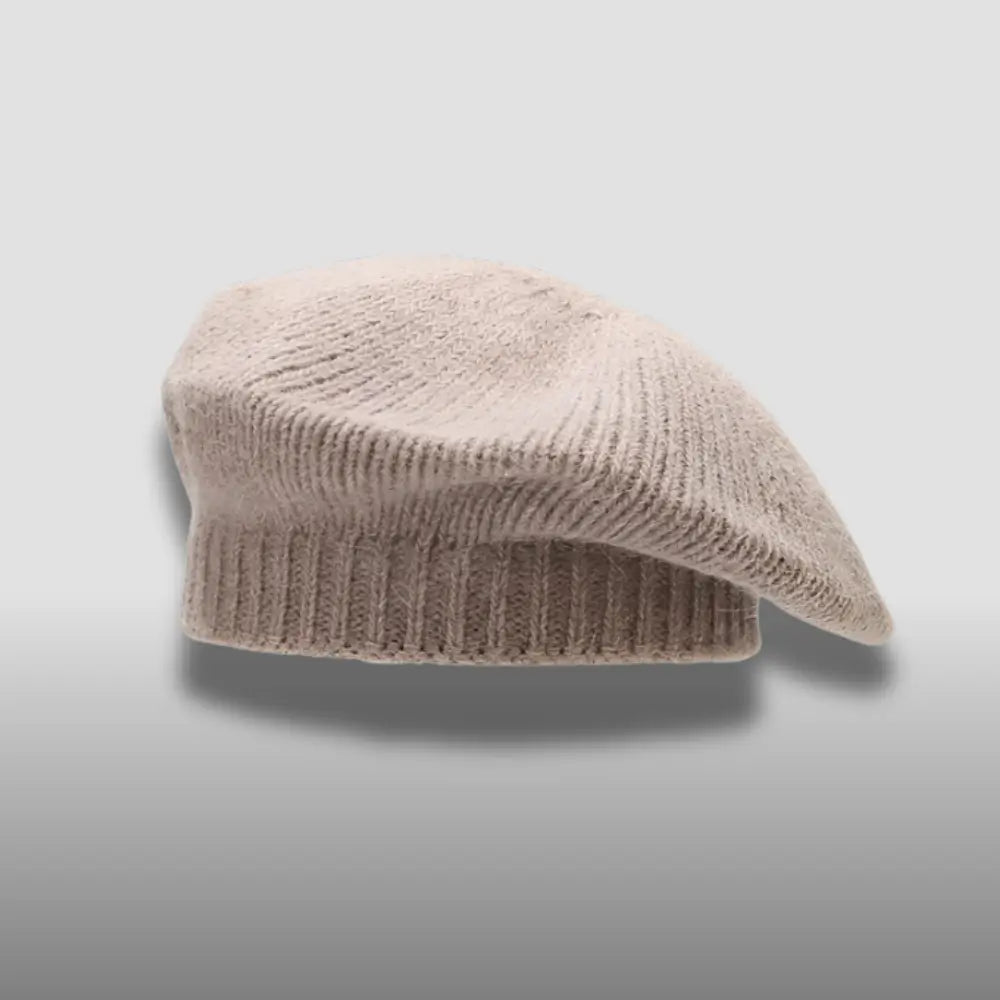
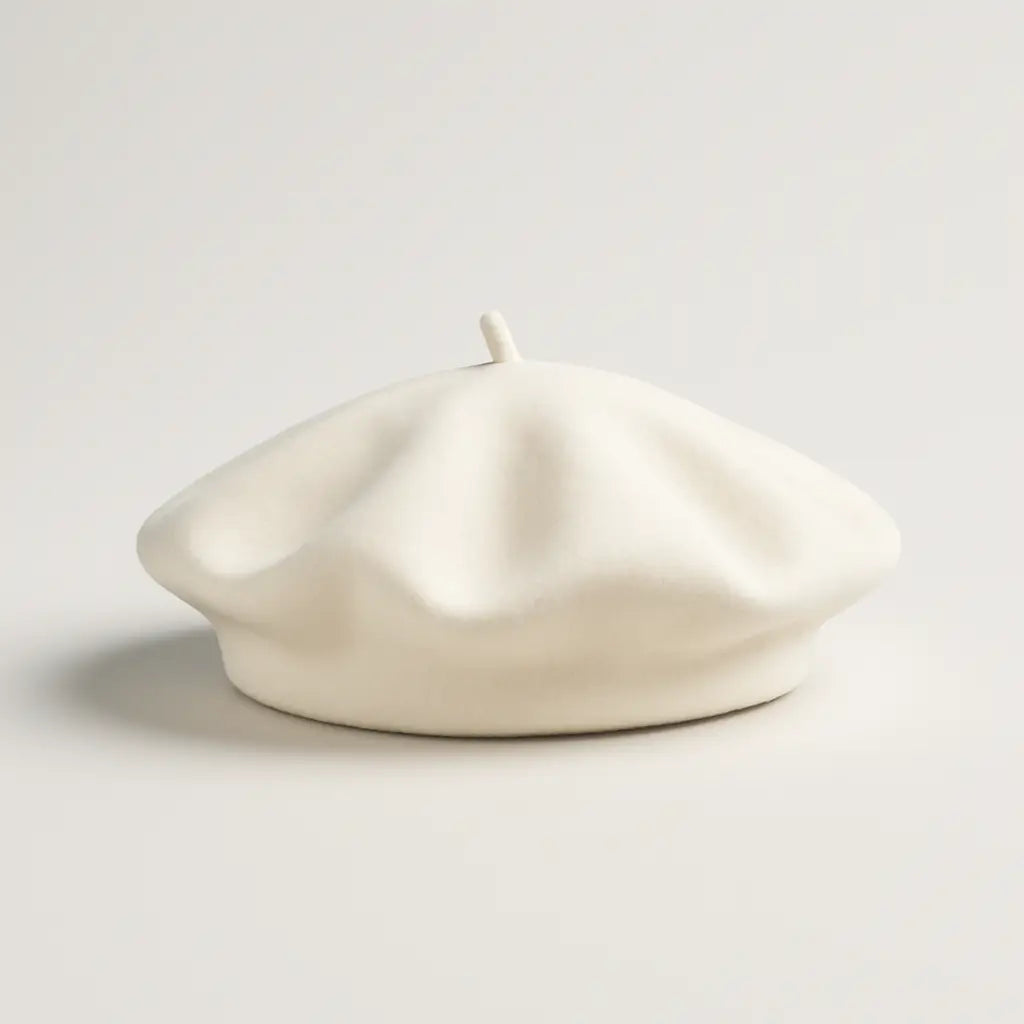
Shepherds and farmers, almost entirely, for generations before it meant anything fashionable at all. The beret's first job was keeping a working person dry and warm through a long day outdoors, which is part of why the shape has stayed so unfussy. If you want to feel that heritage on your own head, our Beige Wool Beret is cut from the same boiled-wool tradition.

★★★★★ 4.8 · 60 reviews
Beige Wool Beret
Cream-toned boiled wool with the same soft body the original shepherd berets were shaped from. A quiet, everyday classic.
Shop now · $45How France turned a shepherd's cap into a national symbol
The shift from farm to fashion started with the wool trade. Béarn towns like Nay and Oloron-Sainte-Marie became centers of beret manufacturing through the 1800s, turning a home-shaped cap into a French industry with real scale. That industrial base is a big part of why the beret is remembered as French rather than Basque or Béarnaise specifically: France built the factories, the export routes, and eventually the brand.
The military sealed it. In 1889, France's Chasseurs Alpins, its mountain infantry, adopted the beret as official headwear, prizing it for the same reasons shepherds had: it packed flat, shed rain, and needed no brim to snag on rock or branch. Decades later, during the Second World War, the beret became a quiet symbol of the French Resistance and of the Free French forces, worn as a mark of identity under occupation.
Who made it official
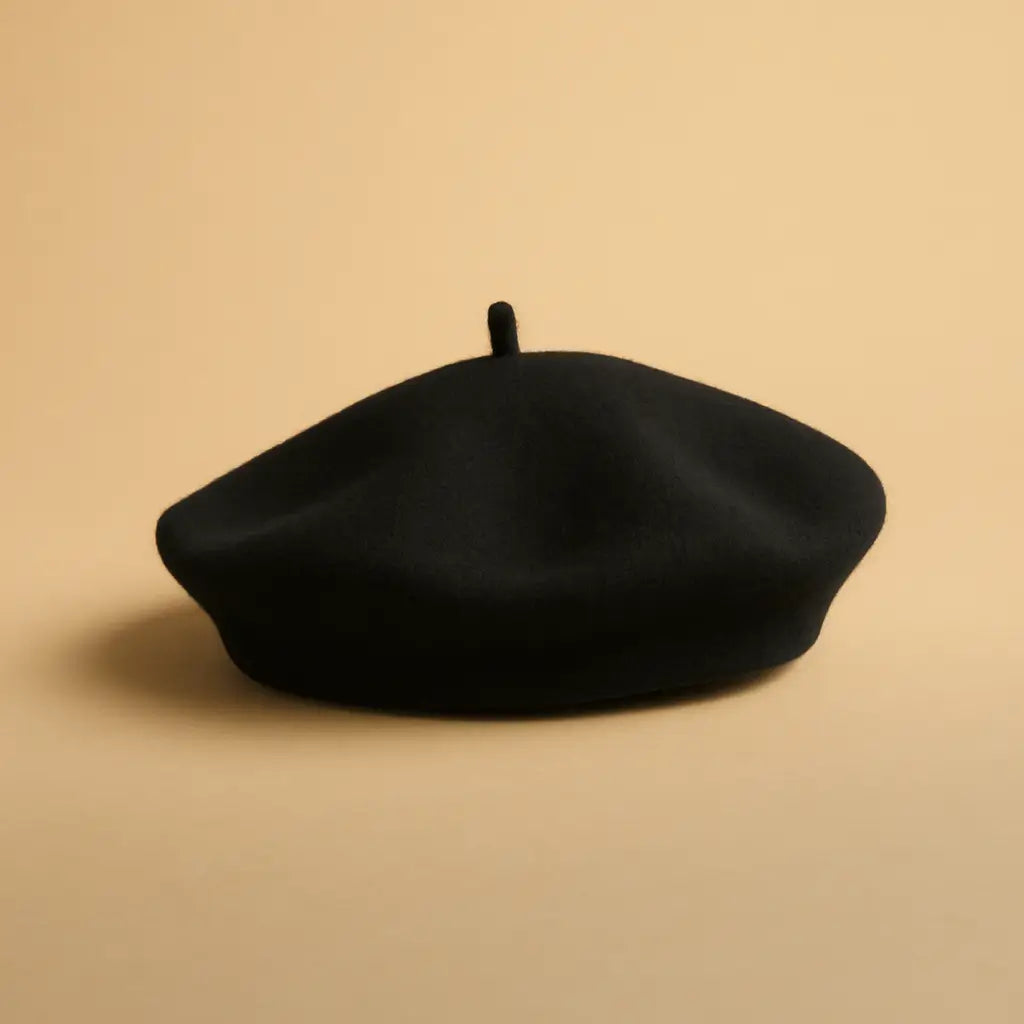
French soldiers, first, then French industry, then French style. Each step added another layer of "French" to a hat that started as regional shepherd's wear. For the closest thing to that original military-grade wool, our Black French Beret is the shape most people picture when they hear the word.

★★★★★ 4.8 · 62 reviews
Black French Beret
Sleek matte wool in the classic silhouette. The one style most people picture when they hear "French beret."
Shop now · $39If you want the true French version and not a printed lookalike, check that the wool has body and holds its curve on its own. A real beret keeps a soft dome shape without a wire or stiffener inside it, because the felted wool itself does the work.
From workwear to fashion icon
Paris finished what the wool trade and the military started. In the early twentieth century, painters and writers in the city's bohemian districts adopted the beret as everyday wear, Pablo Picasso among the most photographed of them, and it became shorthand for a certain kind of creative, unbothered French style. That association with art and intellect gave the beret a second life far beyond its practical origins.
By the mid-twentieth century, the beret had also become a symbol of political conviction outside France. Che Guevara's black beret, worn during the Cuban revolution, carried the French military beret's silhouette into a completely different context, proof of how far the shape had traveled from its Pyrenean beginnings.
Who carried it into fashion
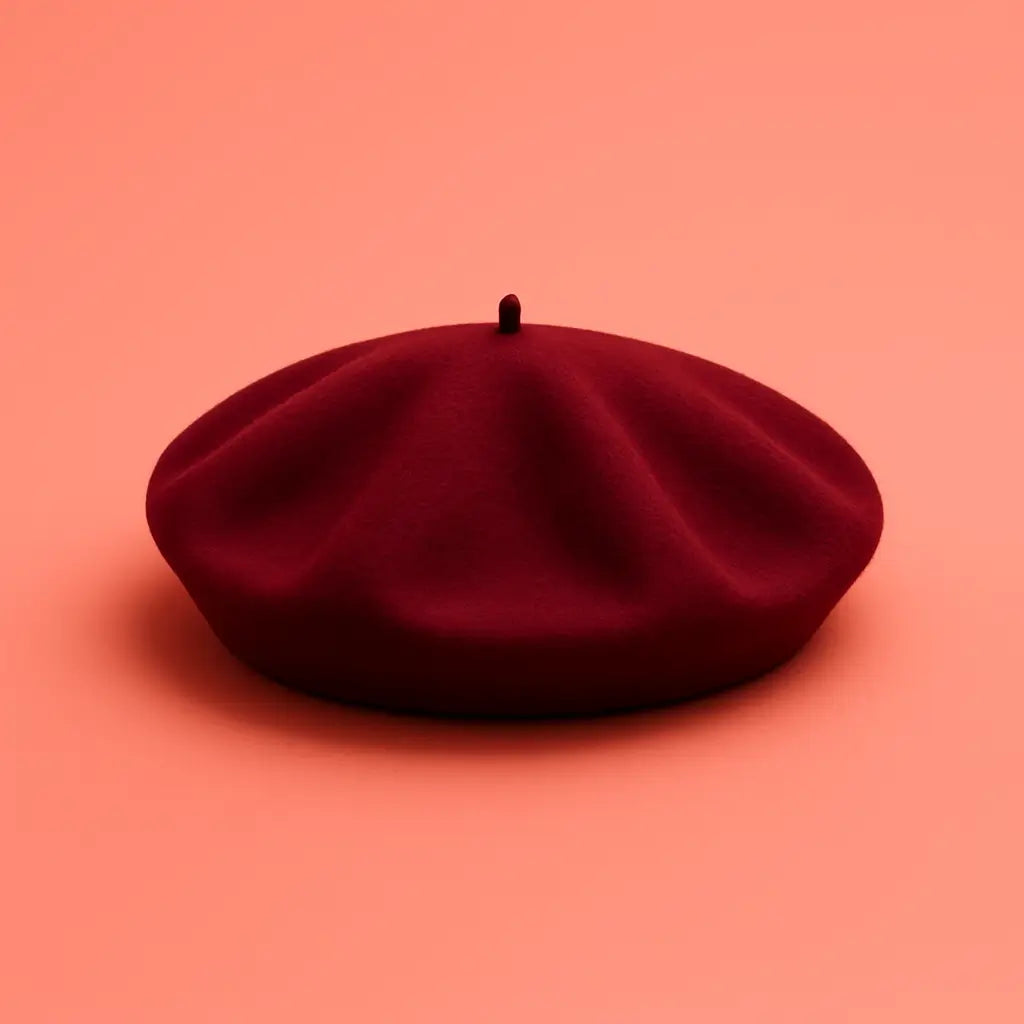
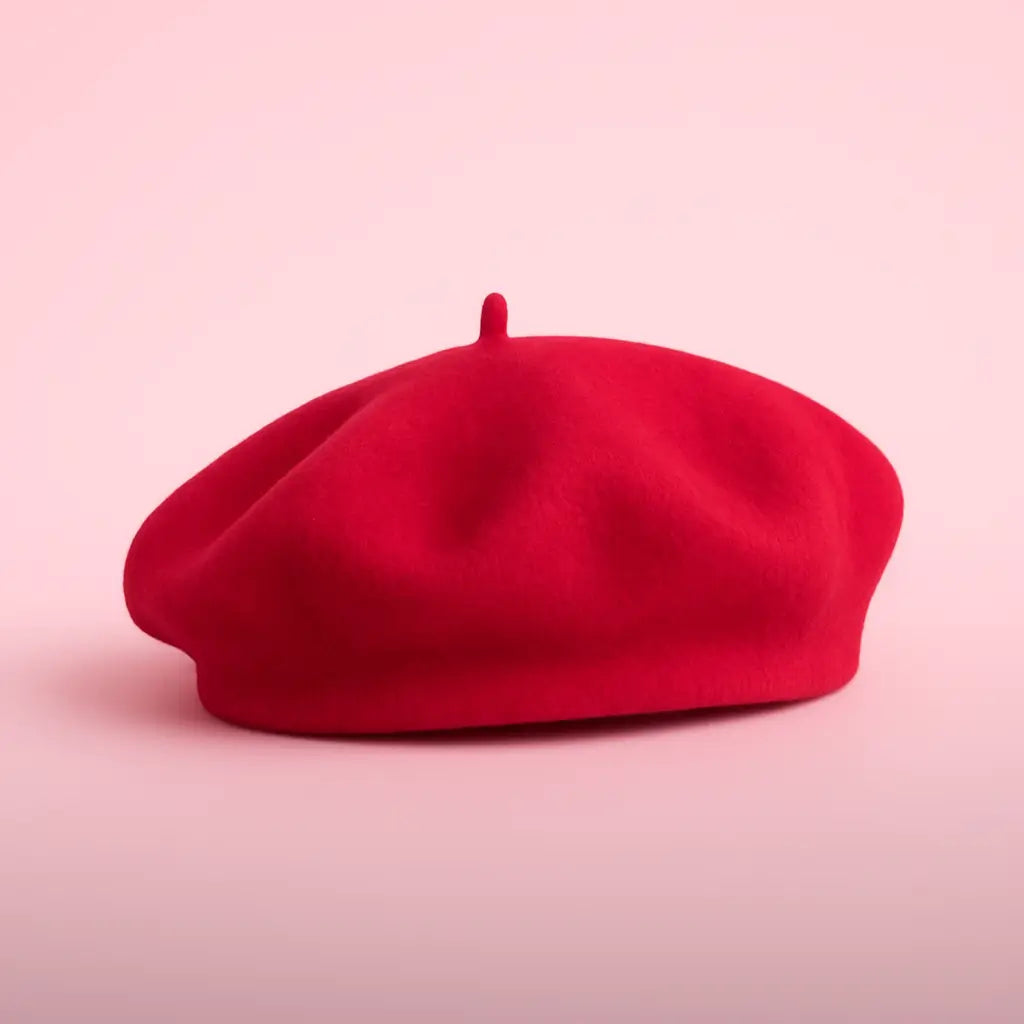
Artists, then intellectuals, then anyone who wanted to signal the same easy confidence without saying a word. A deep wine tone reads a little more expressive than black, if you want that same statement with more color.

★★★★★ 4.9 · 85 reviews
Wine Red Beret
Deep burgundy with a soft, velvety surface. Our best-selling rich shade, and a favorite for anyone who wants a beret with a little more presence.
Shop now · $45Why the "French" label still holds up
It is fair to say the beret's roots are shared. The Pyrenees do not respect the modern French-Spanish border, and Basque communities on both sides have worn wool caps like this for centuries. What tips the label toward France is everything that happened after the shepherds: the manufacturing towns, the military adoption, the Resistance symbolism, and the Paris fashion world that exported the image worldwide. No other country did all four of those things with this hat. If you want the fuller picture of how the modern beret is worn and styled, our guide on how to wear a French beret covers it in more depth.

These days, a French beret is also simply a well-made one: boiled wool, a properly gathered headband, and a shape that settles rather than perches. That is the standard we still hold ours to, and it is worth using as your own checklist if you are comparing options.
Choosing your first French beret
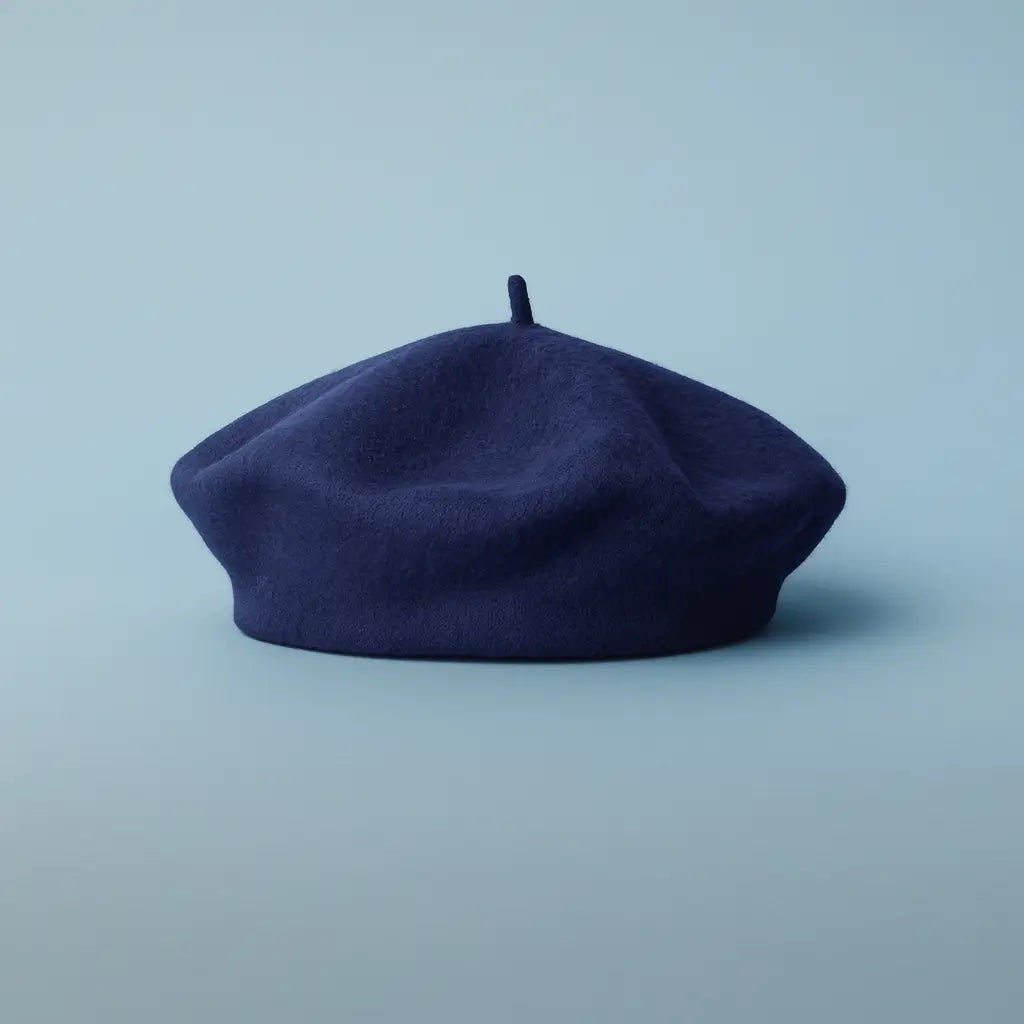
- First one ever: black or navy wool. Both go with everything and never look like a costume.
- Want the historical shape: a plain wool beret with no brim, no logo, and a soft, gathered crown.
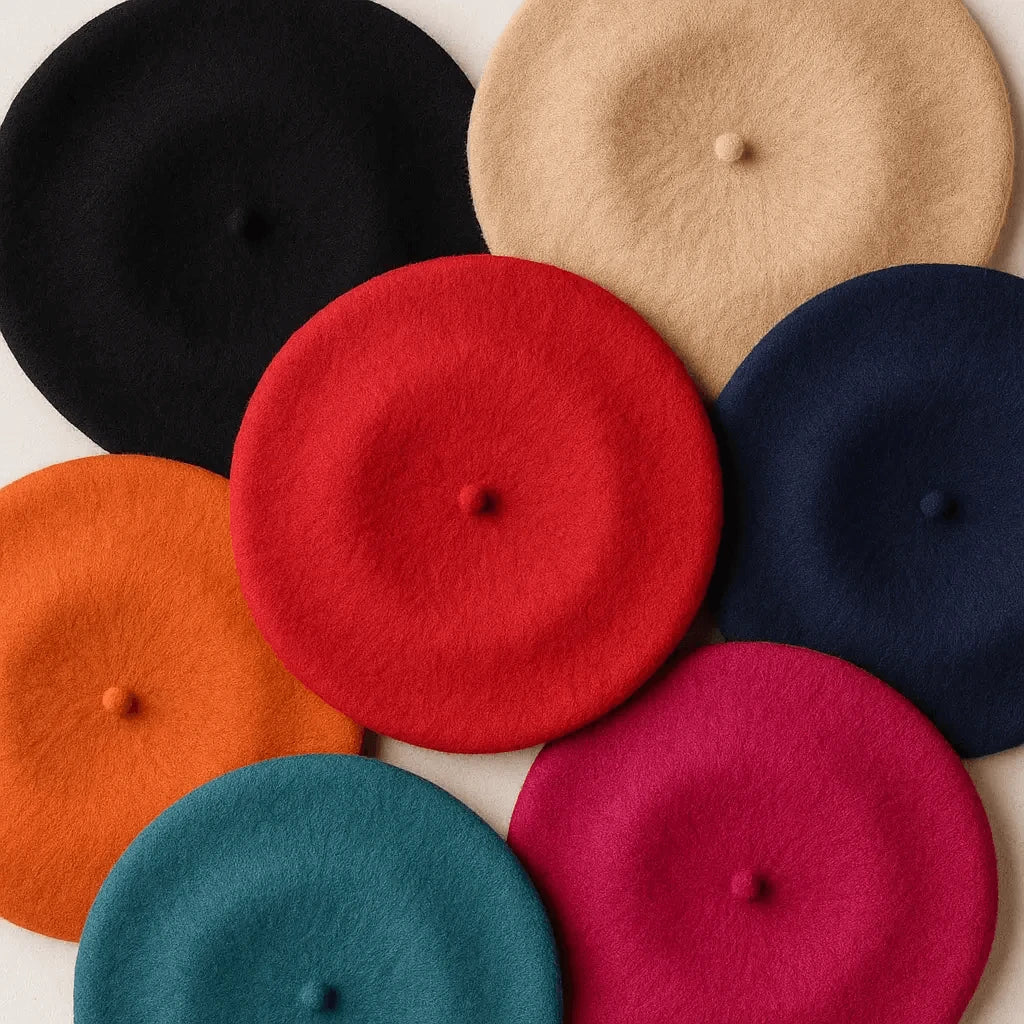
- Want more color: wine, forest green, or beige all carry the same silhouette with a different mood.
Caring for it
- Brush the wool gently to lift dust and keep the felt looking fresh.
- Keep it away from direct heat, which can felt the wool tighter and shrink the fit.
- Store it flat or on a rounded surface so the crown holds its shape between wears.
Never machine wash or tumble dry a wool beret. Heat and agitation felt the wool further and shrink it out of shape, and unlike knitwear, a beret cannot be stretched back once that happens. Spot clean and air dry only.
Frequently asked questions
The shape comes from Pyrenean shepherds on both the French and Spanish sides of the border. France is where it became a manufactured product, a military item, and a fashion symbol, which is why it is known worldwide as a French beret.
Both, honestly. The Basque Country and the French Béarn share the same shepherd cap tradition. France gets the "national symbol" credit because of what came after: manufacturing, military use, and Paris fashion.
The French army's 1889 adoption of the beret for its mountain troops was the turning point, followed by its role in the French Resistance during the Second World War and its embrace by Paris artists in the early twentieth century.
Yes. Despite its shared regional roots, the beret is still recognized worldwide as a French accessory, closely tied to Parisian style and heritage French craftsmanship.
In practice, very little. "Basque beret" refers to the same wool cap named for the region where it was worn for centuries. "French beret" describes the same shape once France industrialized and popularized it nationally.
So, are berets French? The shape was born in the Pyrenees, shared by French and Spanish villages alike, but France is who took it from a shepherd's cap to a symbol worn from Paris runways to army parades. That history is exactly why we still shape ours the traditional way.


Worn well, never overthought.
Camille