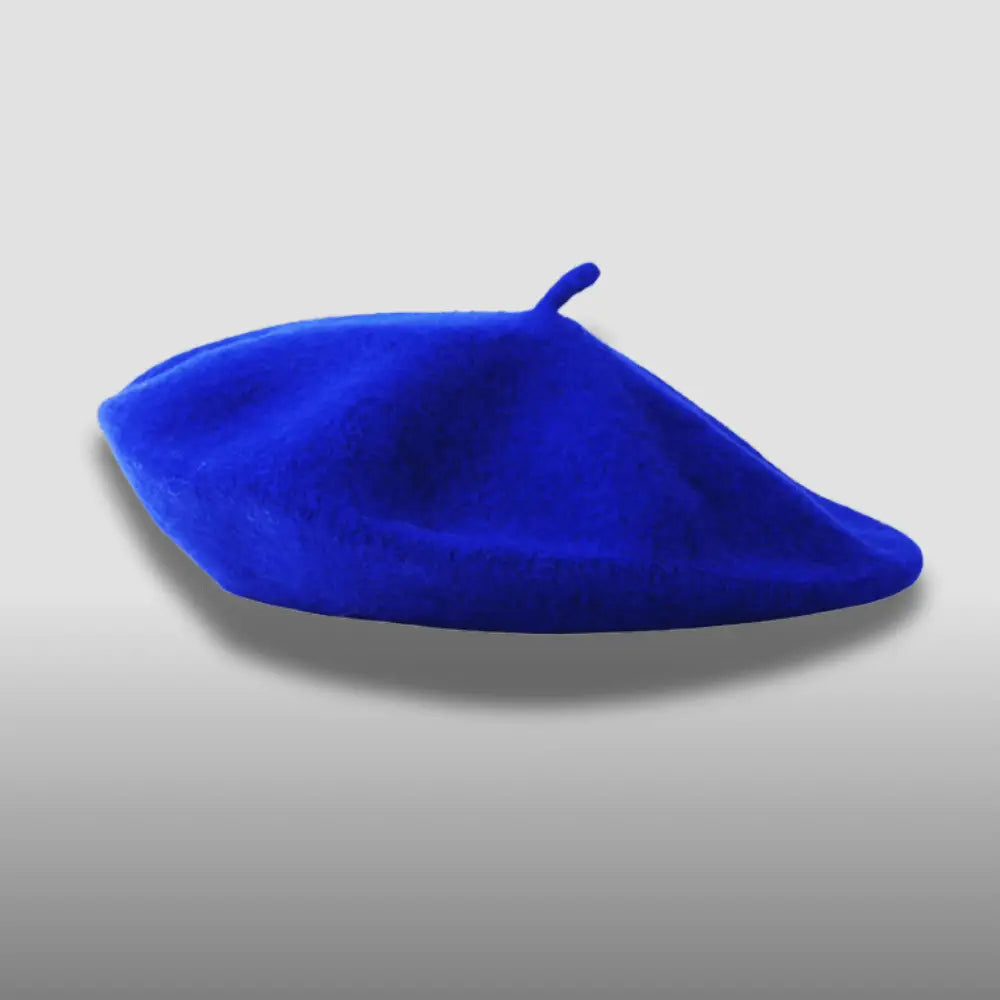
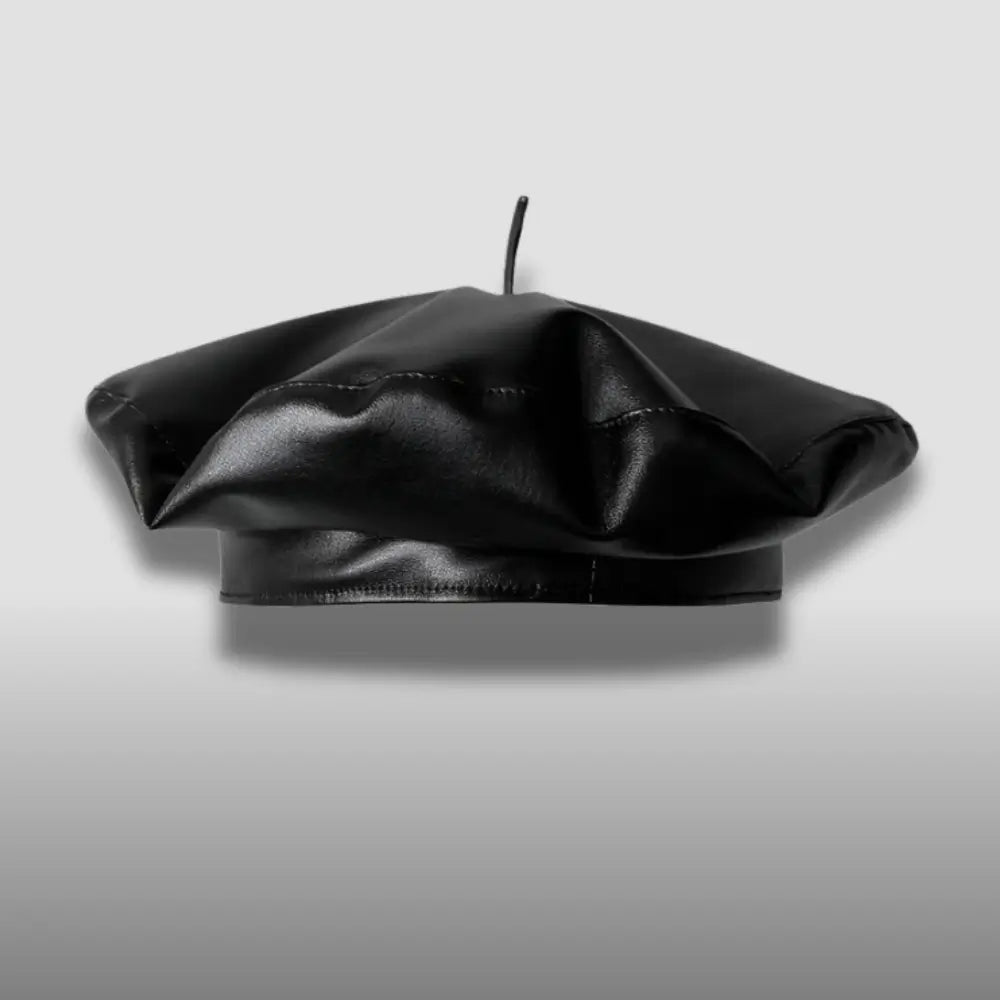
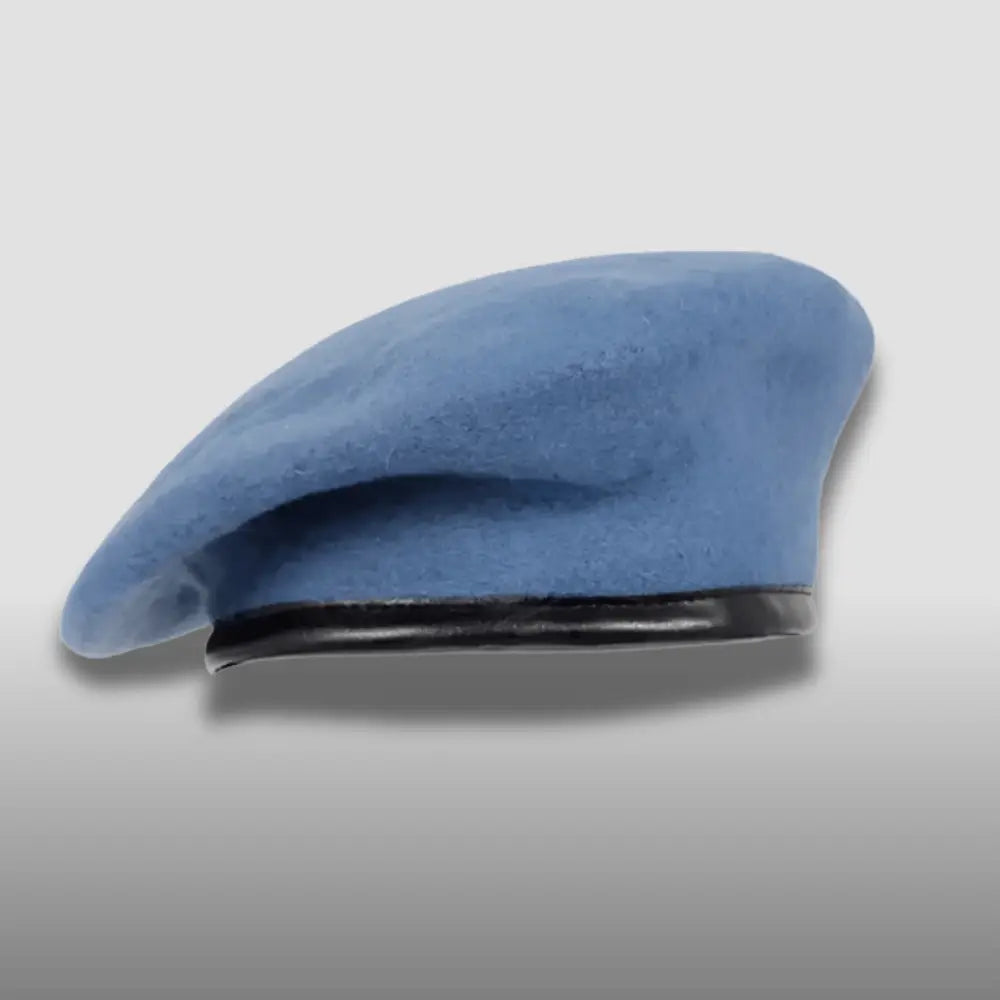
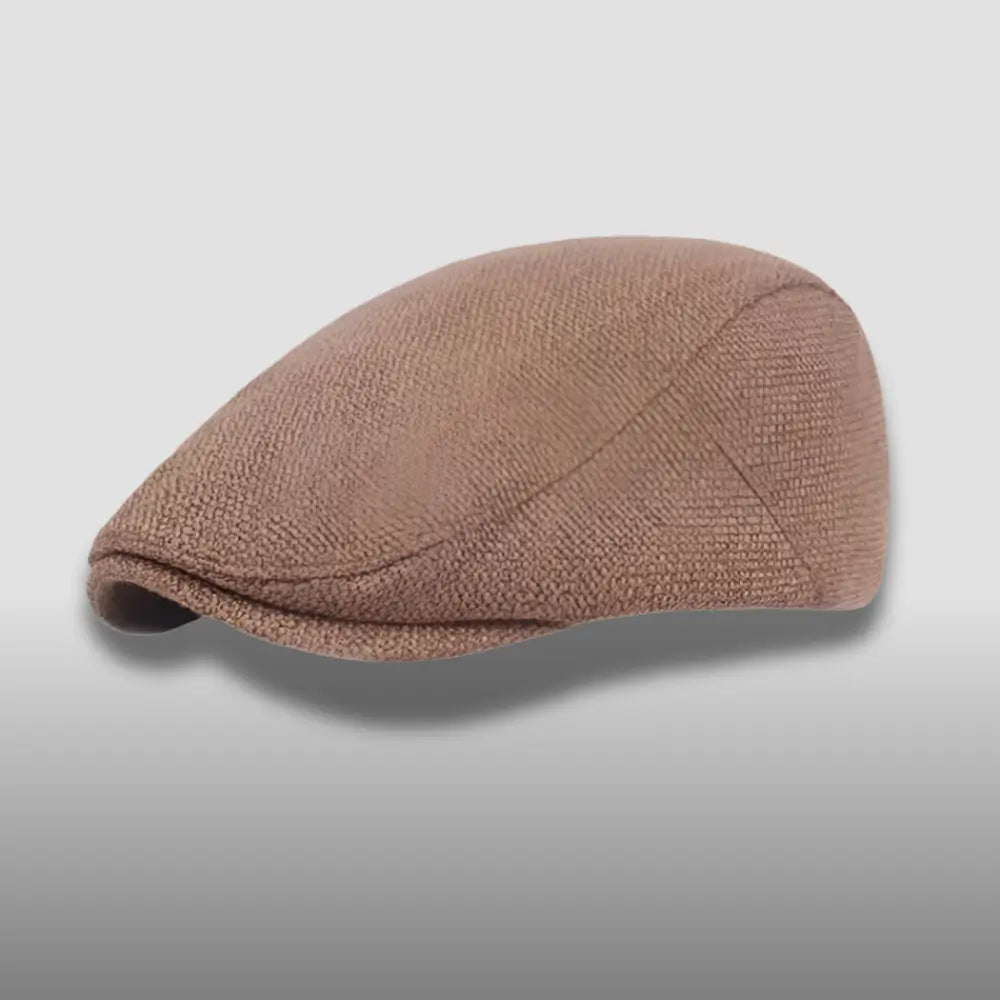
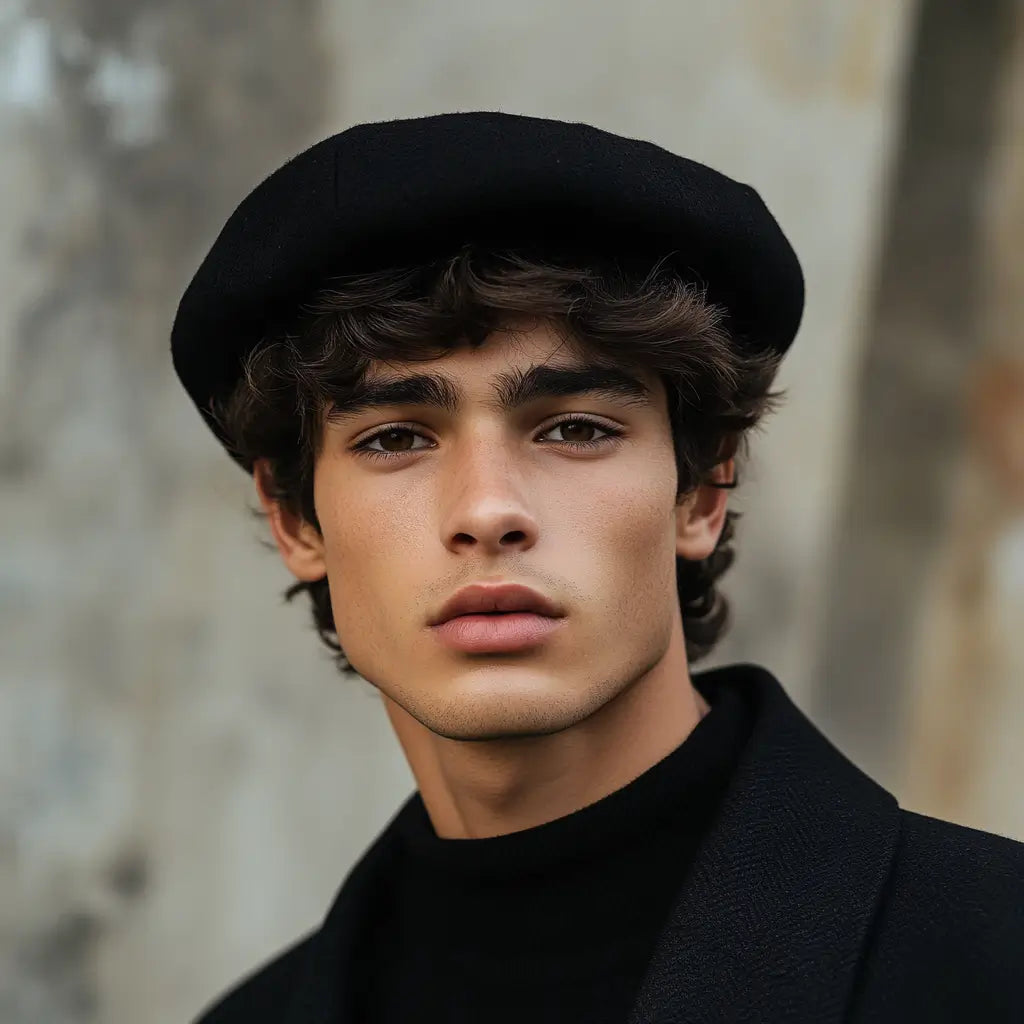
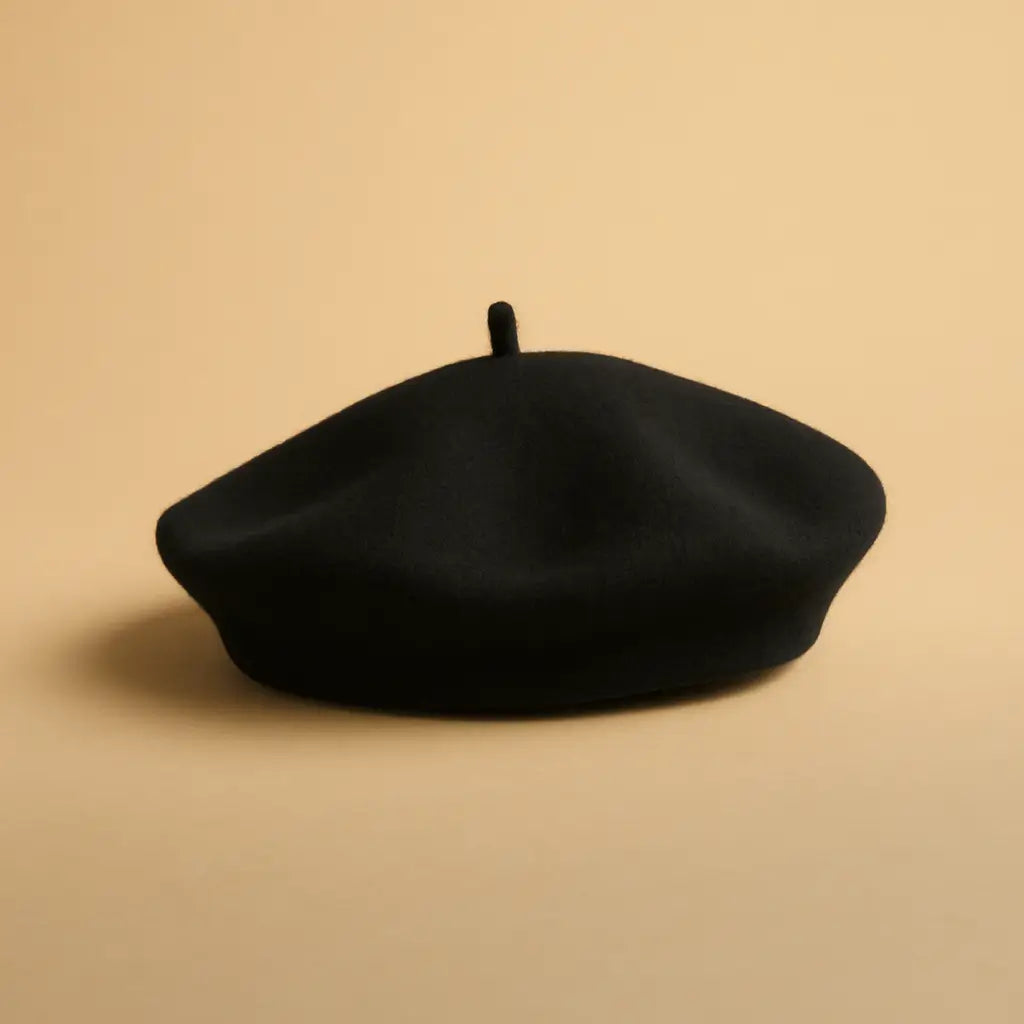
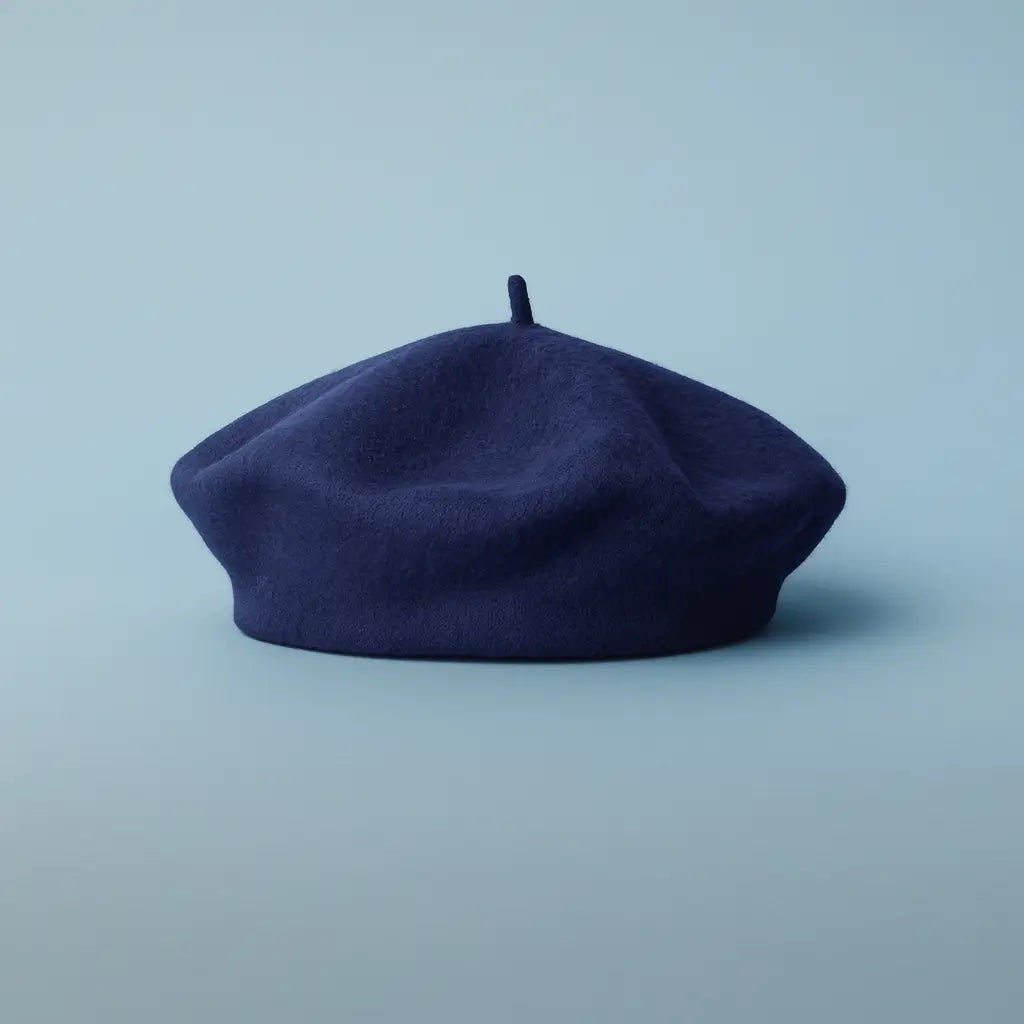
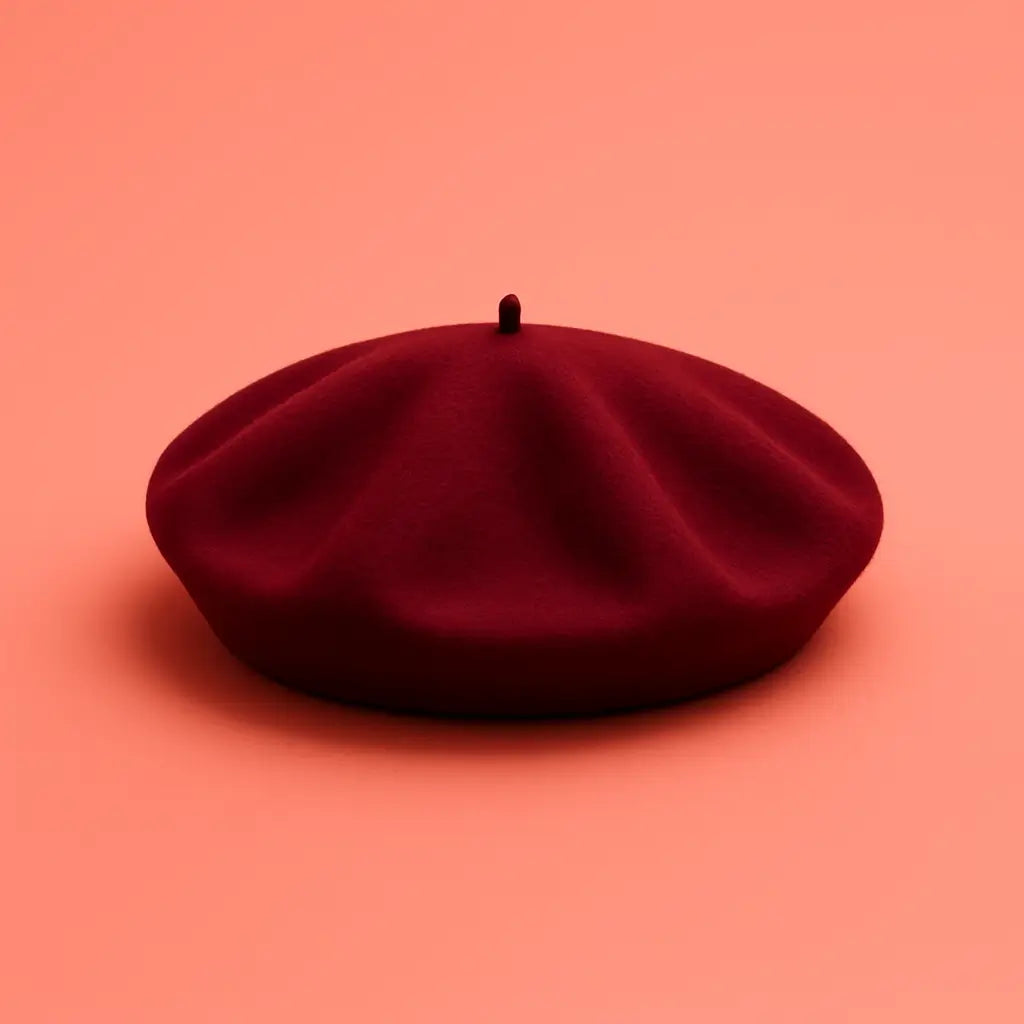
Short answer: no, berets are not only for winter. The wool beret you picture for cold weather is one version of a shape that comes in cotton, felt and lighter wool blends too, and each material carries the same beret through a different season without losing the look.
I am Camille, and I have shaped berets in the family atelier since I was a teenager, in every weight of fabric we stock. So this is not a seasonal styling guess. It is what actually keeps a head cool in July and warm in January, and which beret to reach for either way.
- A beret works in every season. Only the fabric weight needs to change.
- Wool and felt suit fall and winter. Lighter cotton and blended wool suit spring and summer.
- There is no brim on a beret, so heavy sun claims are overstated. Treat it as style, not sun gear.
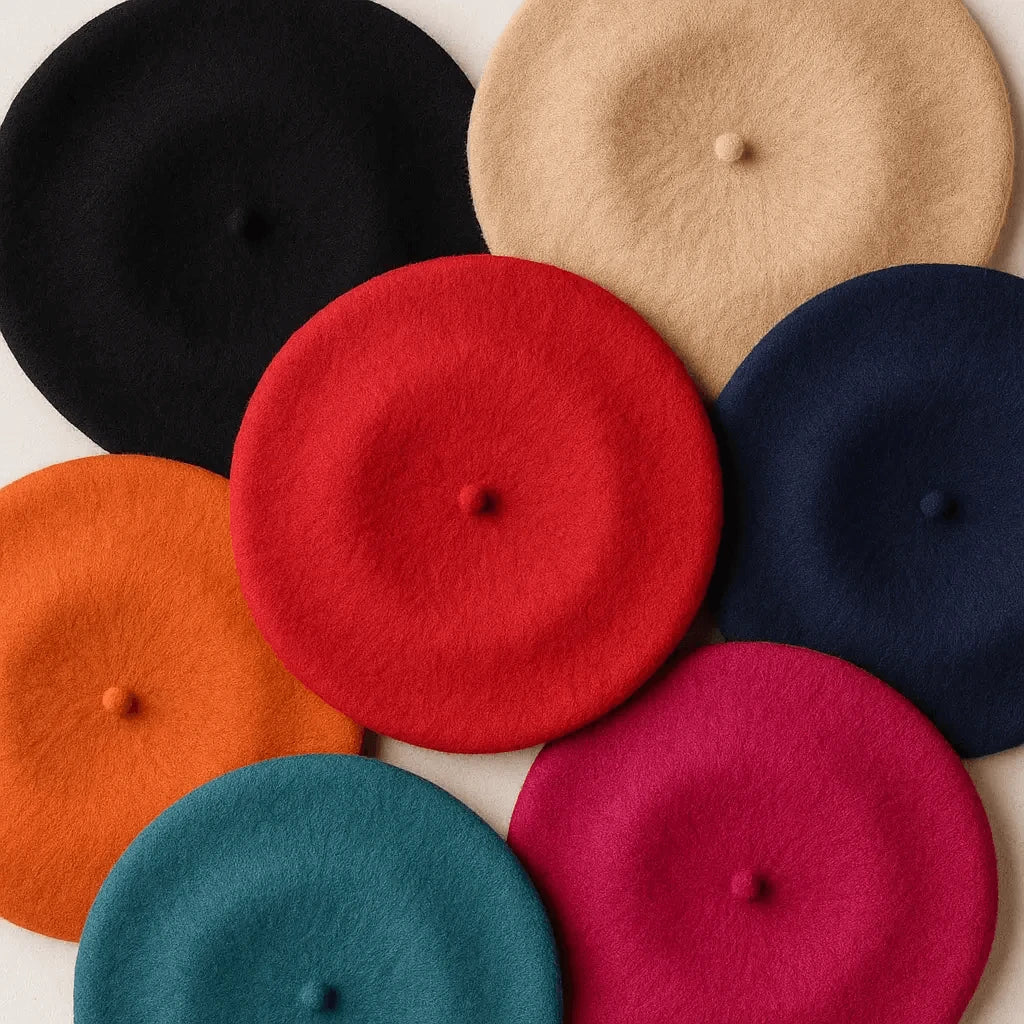
- Pastel and warm brights read as spring and summer. Deep, saturated shades read as fall and winter.
- One good beret in each weight covers the whole year without repeating a look.
The short answer, season by season
If you only have a minute, here is how the fabric and colour choice shifts through the year. The full reasoning and styling detail follow.
| Season | Best beret fabric | Colour lean |
|---|---|---|
| Spring | Lightweight wool blend | Beige, soft pastels |
| Summer | Cotton, felt, thin knit | Khaki, warm brights |
| Fall / winter | Wool, velvet | Wine, navy, deep green |
Berets in spring
Spring is where a beret earns its reputation as an all-season piece. The air is cool enough for a beret to make sense but too mild for heavy wool, so a lighter blend is the comfortable choice. It sits close to the head without trapping heat the way a thicker winter fabric does.
Colour is where spring differs most from winter. Beige, soft blue and pale pink all read lighter and fresher than the deep tones that suit January. If you are still deciding which shade fits you best across the year, our guide on what colour beret should I wear breaks the choice down by skin tone and season.
Who a lighter wool beret suits best
Anyone easing out of heavy winter layers, people who want one beret that carries March through May, and dressers who like a soft neutral over a bold statement colour.

★★★★★ 4.8 · 60 reviews
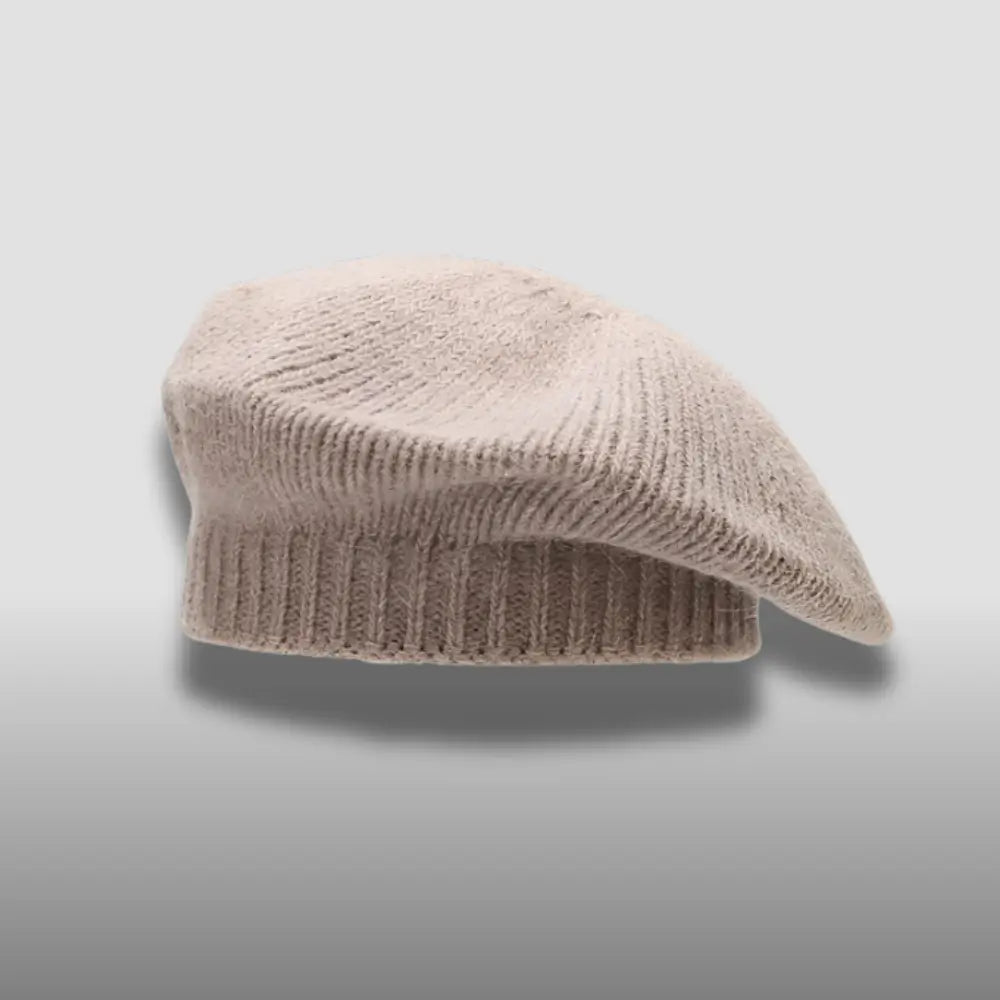
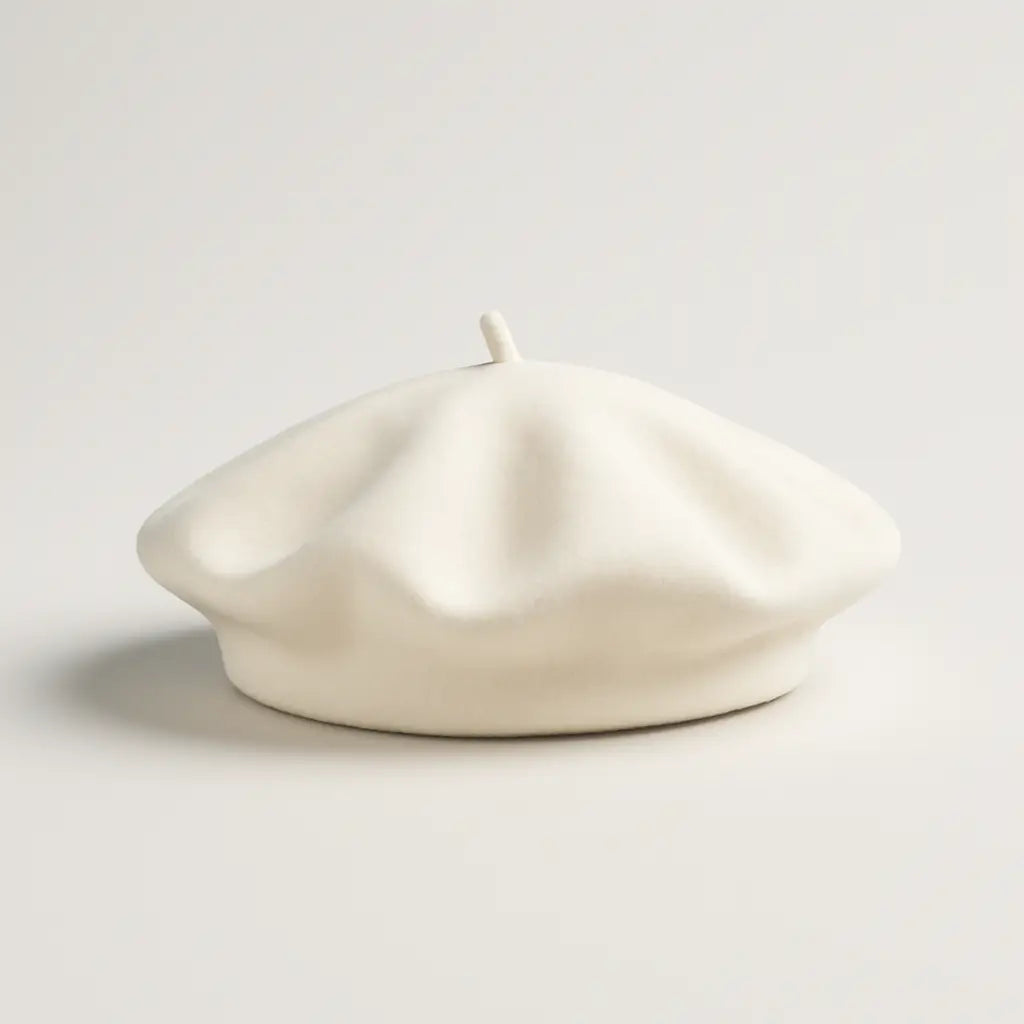
Beige Wool Beret
A lighter wool blend in a soft cream shade, easy to wear from cool mornings into a mild afternoon.
Shop now · $45Buy one beret per weight, not per colour. A lightweight wool or cotton beret plus one heavier wool piece covers the whole year, and you will reach for both far more often than a drawer full of near-duplicates.
Berets in summer
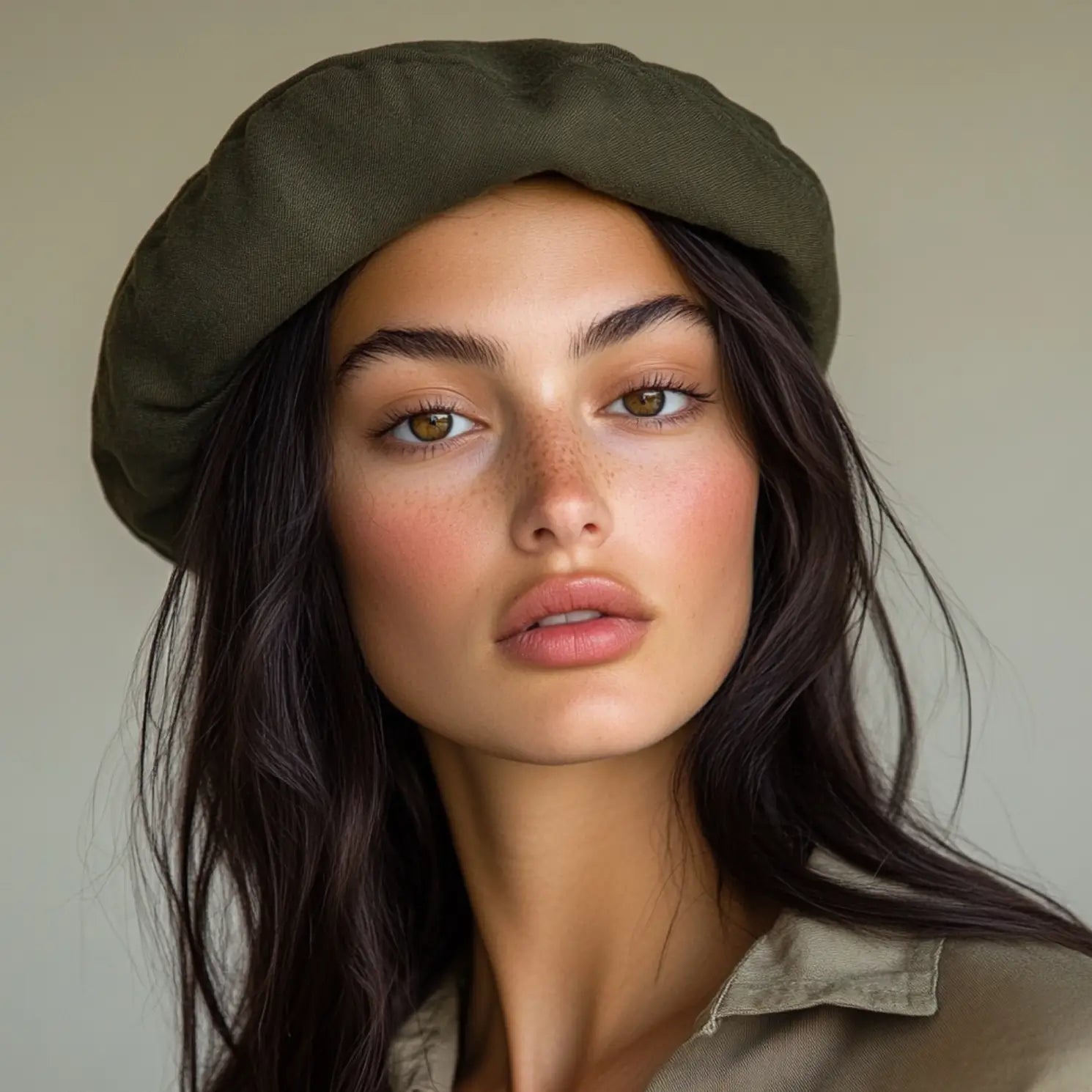
Summer is the season people assume a beret cannot work, and that is only true of a thick winter wool. A cotton or thin felt beret sits light on the head and breathes far better than most people expect, since the shape itself has no lining to trap heat.
Worth being honest about: a beret has no brim, so it will not shade your face the way a sun hat does. Treat it as a styling choice for cooler summer evenings, indoor settings or overcast days, not as sun protection. If direct midday sun is the concern, a brimmed hat does that job better, and the beret comes back out once the light softens.
Who a breathable beret suits best
Anyone who wants their beret habit to survive August, wearers who find wool too warm past spring, and dressers who like an earthy, warm-weather palette over winter jewel tones.

★★★★★ 4.8 · 69 reviews
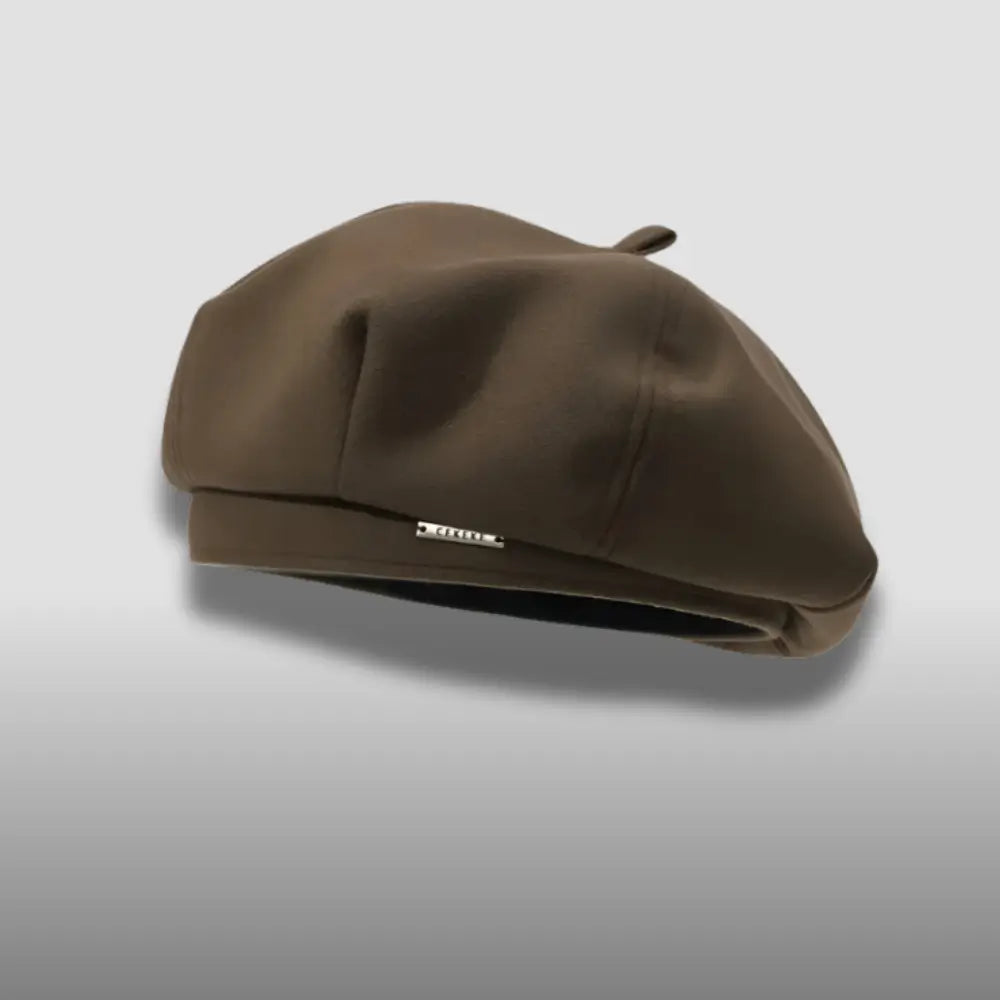
Khaki Beret
Soft tan felt with a gentle dome, light enough for warm evenings and easygoing summer outfits.
Shop now · $45
Pair a summer beret with a linen shirt, straw bag and sandals for a Parisian off-duty look, or with a simple sundress for an evening out. The lighter the rest of the outfit, the more the beret reads as a deliberate accent rather than a leftover winter piece.
Berets in fall and winter
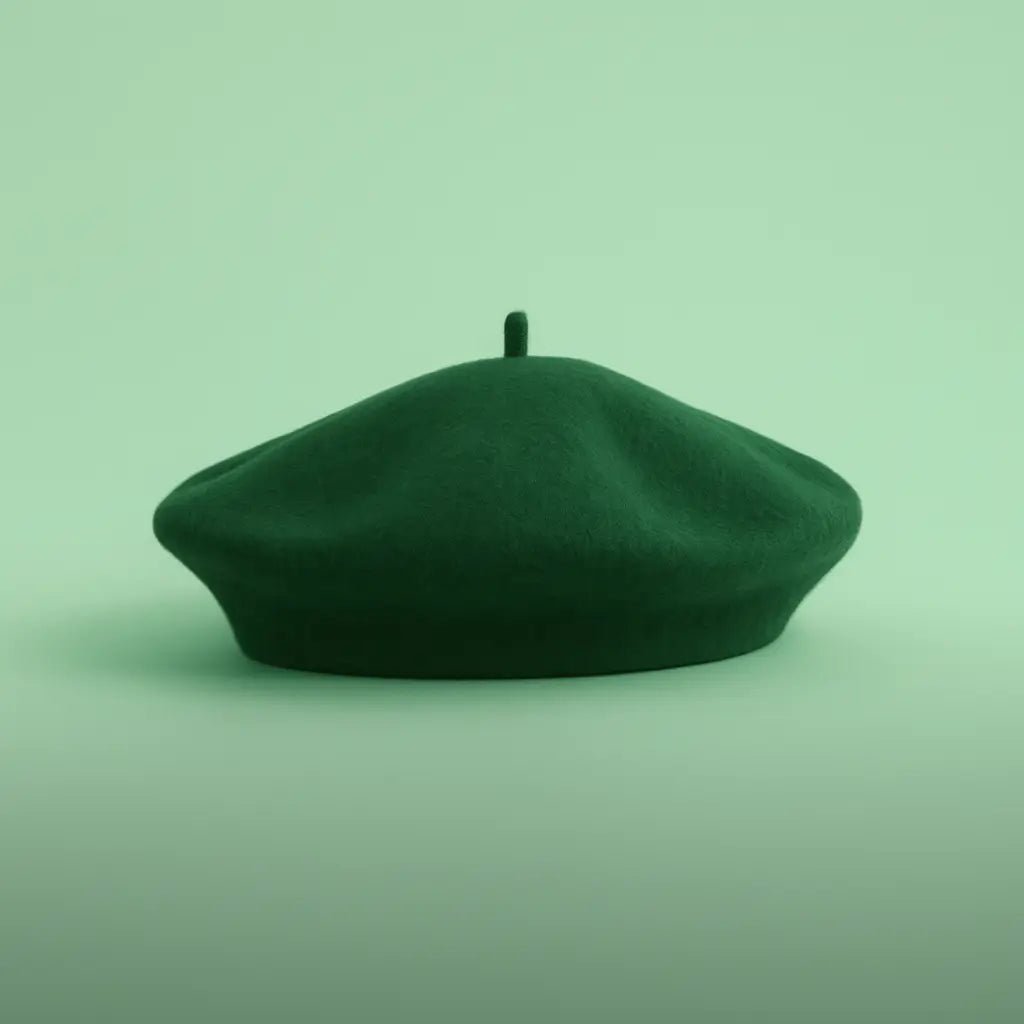
This is the season most people picture first, and for good reason. A proper wool or velvet beret keeps real warmth in, and the deeper colours that suit fall and winter, wine, navy, forest green, feel richer against a coat and scarf than they ever do in a summer outfit.
Fall and winter is also where you can layer without losing the shape. A chunky knit scarf, leather gloves and a wool coat all sit comfortably alongside a beret, since none of them compete with its close, rounded silhouette the way a bulky hood or a wide-brimmed hat can.
Who a wool or velvet beret suits best
Anyone building a cold-weather wardrobe around one strong accessory, people who want real warmth and not just the look of it, and dressers who lean into deep, saturated colour once the temperature drops.

★★★★★ 4.9 · 85 reviews
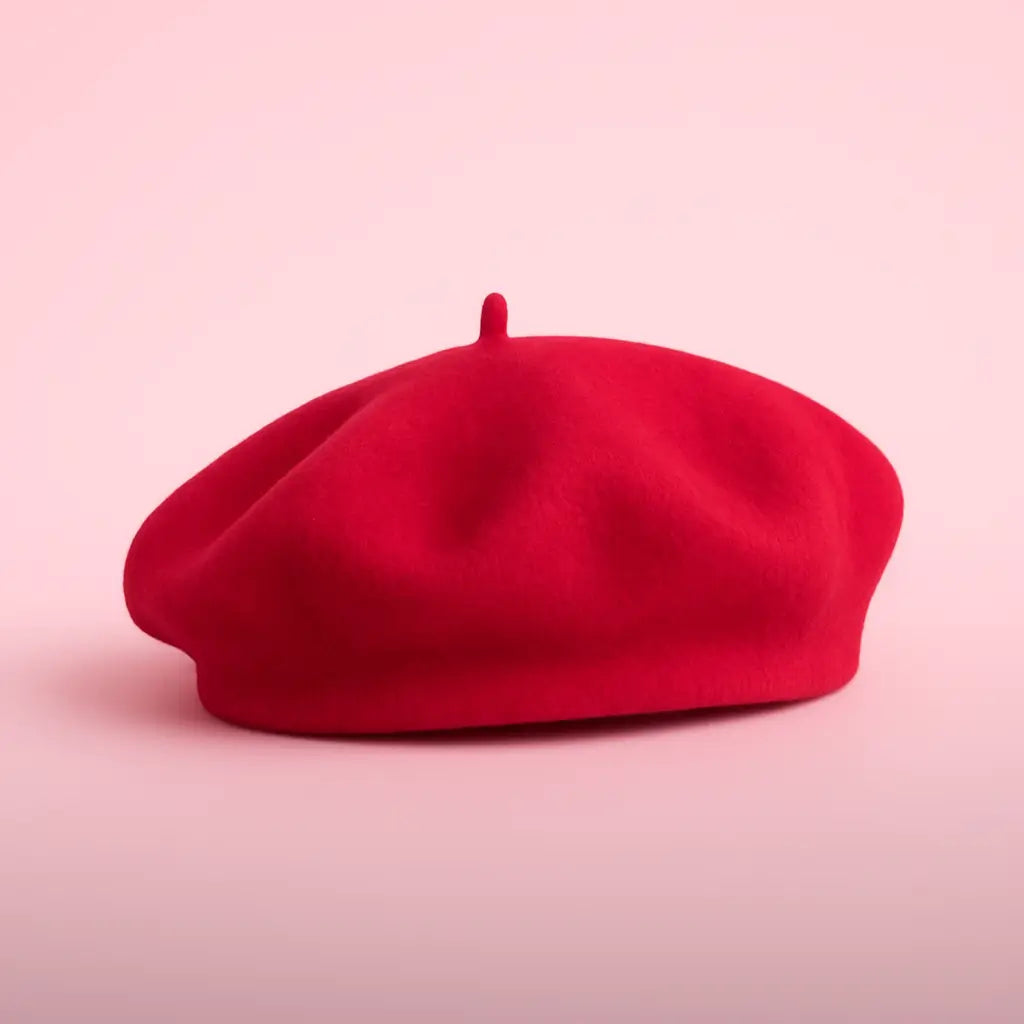
Wine Red Beret
Deep burgundy velvet with real winter warmth, our best-selling shade for the coldest months.
Shop now · $45How to choose a beret for your season
- Cool mornings, mild afternoons: a lightweight wool blend in a soft neutral.
- Genuine heat: cotton or thin felt, and treat it as style rather than sun cover.
- Cold and wind: proper wool or velvet in a deep, saturated colour.
- Building a small collection: one light piece and one heavy piece will carry the full year.
Keeping each beret ready for its season
A little care keeps every weight of beret looking sharp between seasons, whether it is about to go into storage or come back out.
- Let a beret air out fully before you put it away for the off season.
- Store it flat or lightly stuffed so the crown keeps its shape while unused.
- Brush wool and velvet gently before storing to lift dust that settles over months.
Never pack a damp beret away for the season. Trapped moisture in wool or felt can warp the crown and encourage mildew, so let it dry fully and air out before it goes into a drawer or box.
Frequently asked questions
No. A wool or velvet beret suits fall and winter, while a cotton or thin felt beret works comfortably through spring and summer. The shape stays the same all year, only the fabric changes.
A cotton or thin felt beret in a lighter, breathable weight. It sits close to the head without the warmth of a winter wool piece.
You can, but a heavier wool beret will feel warmer than a cotton or lightweight blend on genuinely hot days. Save the thickest wool pieces for fall and winter.
Not much. A beret has no brim, so treat it as a styling piece rather than sun protection, and reach for a brimmed hat if direct midday sun is the concern.
A mid-weight wool blend in a neutral colour like beige or navy. It carries spring and fall comfortably and only needs a heavier winter piece and a lighter summer piece to complete the year.
So, are berets only for winter? Not even close. Match the fabric to the season, the shape does the rest, and the beret that felt like a winter statement in December will feel just as natural in June.


Worn well, never overthought.
Camille