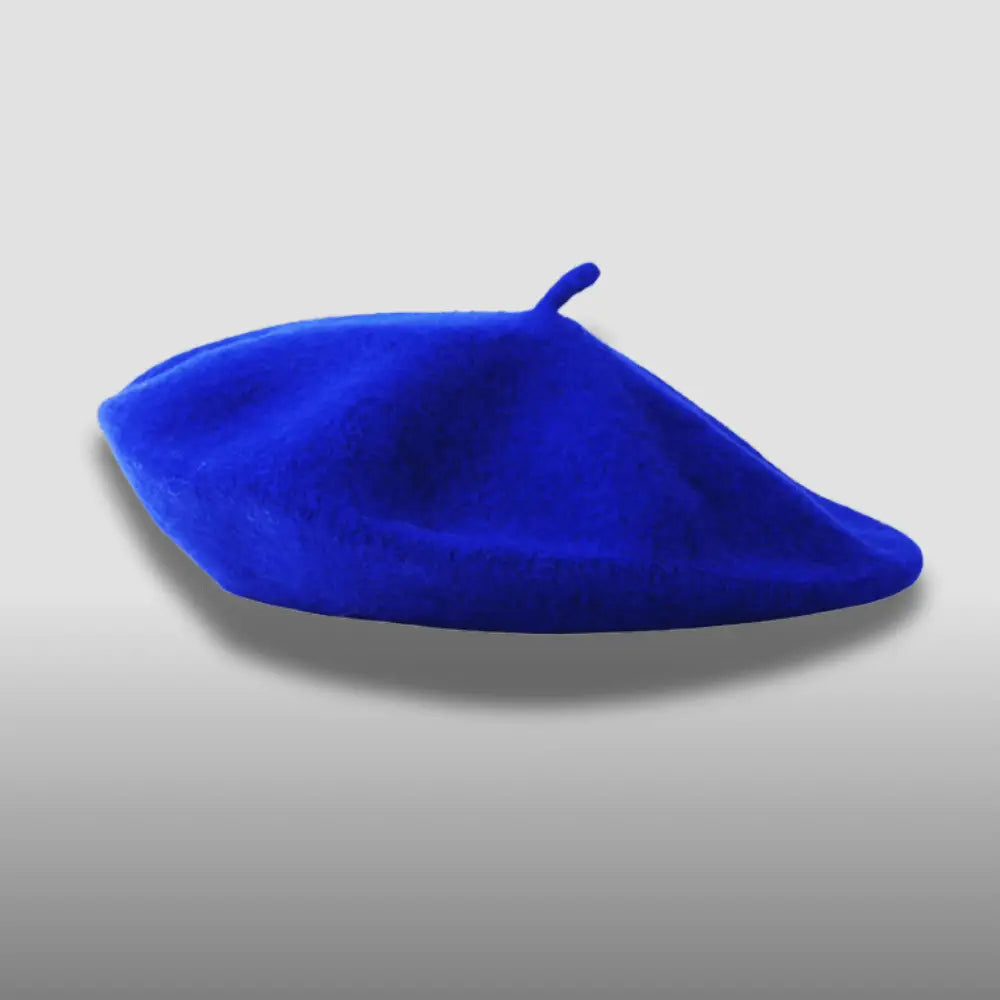
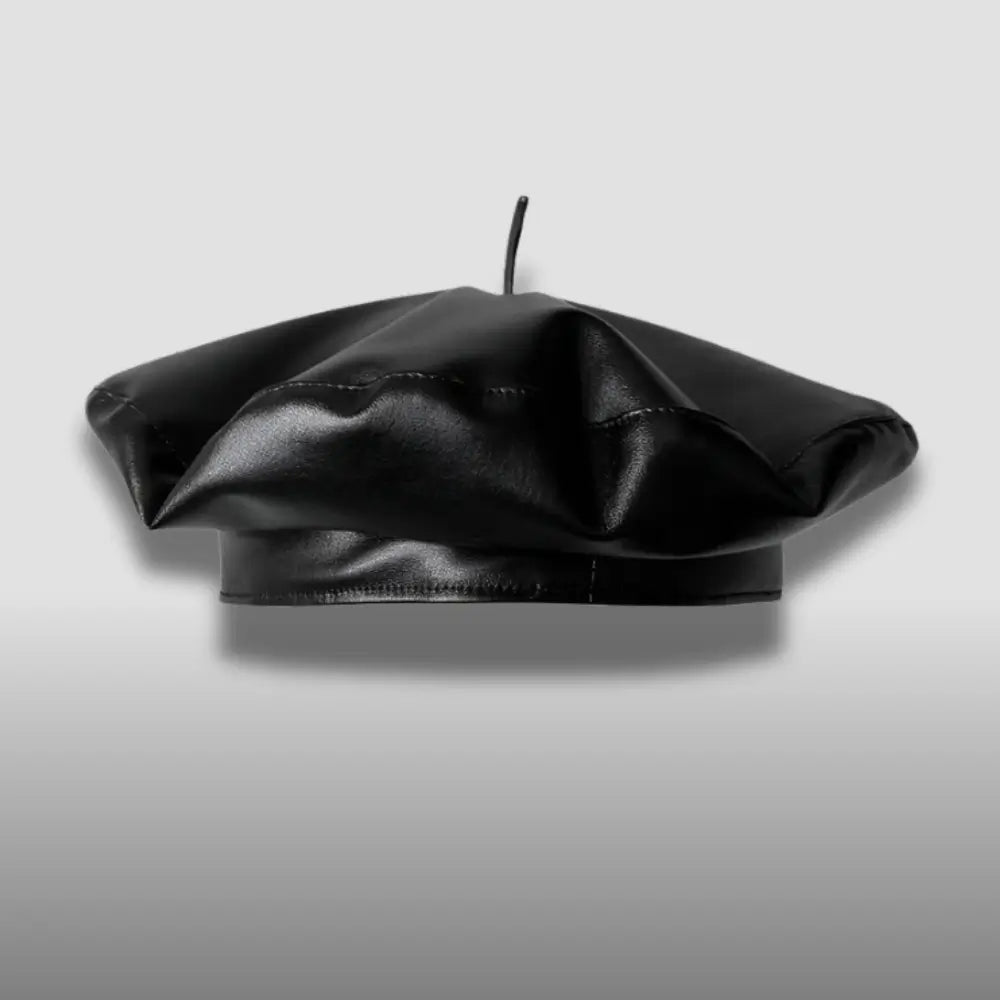
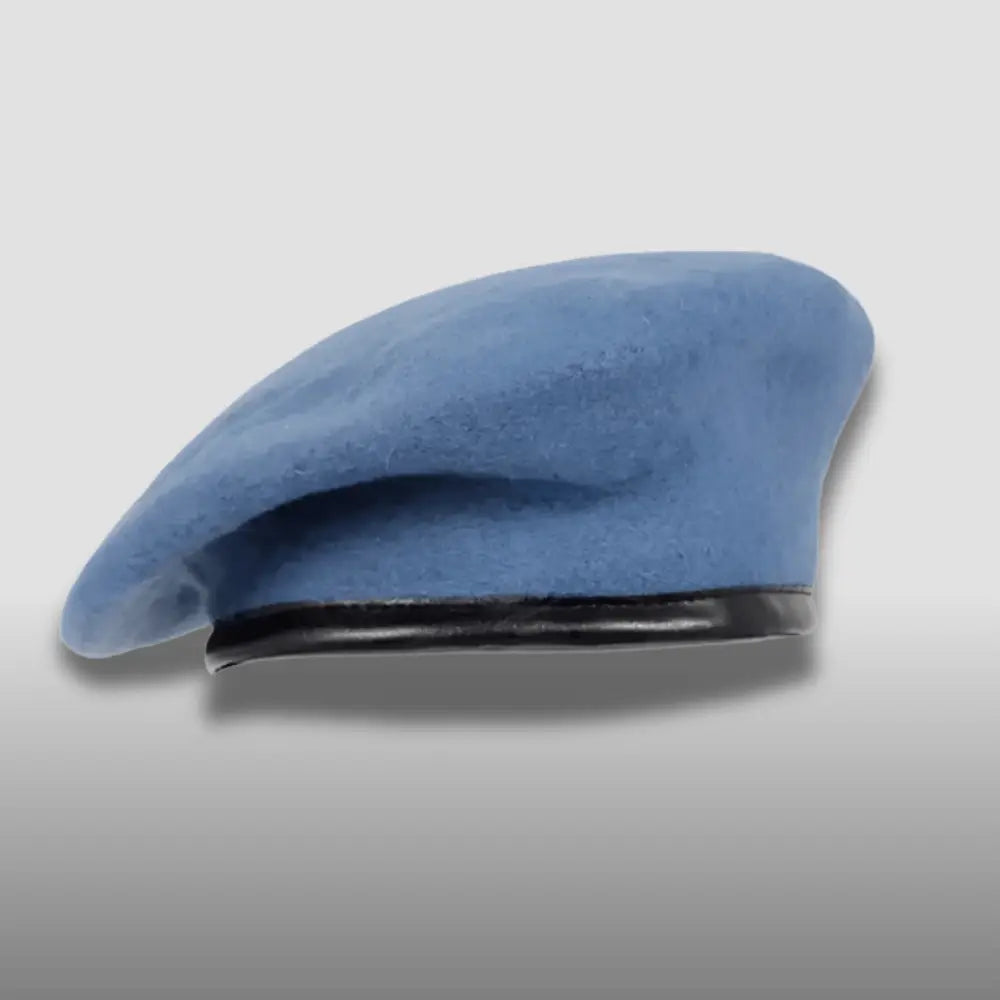
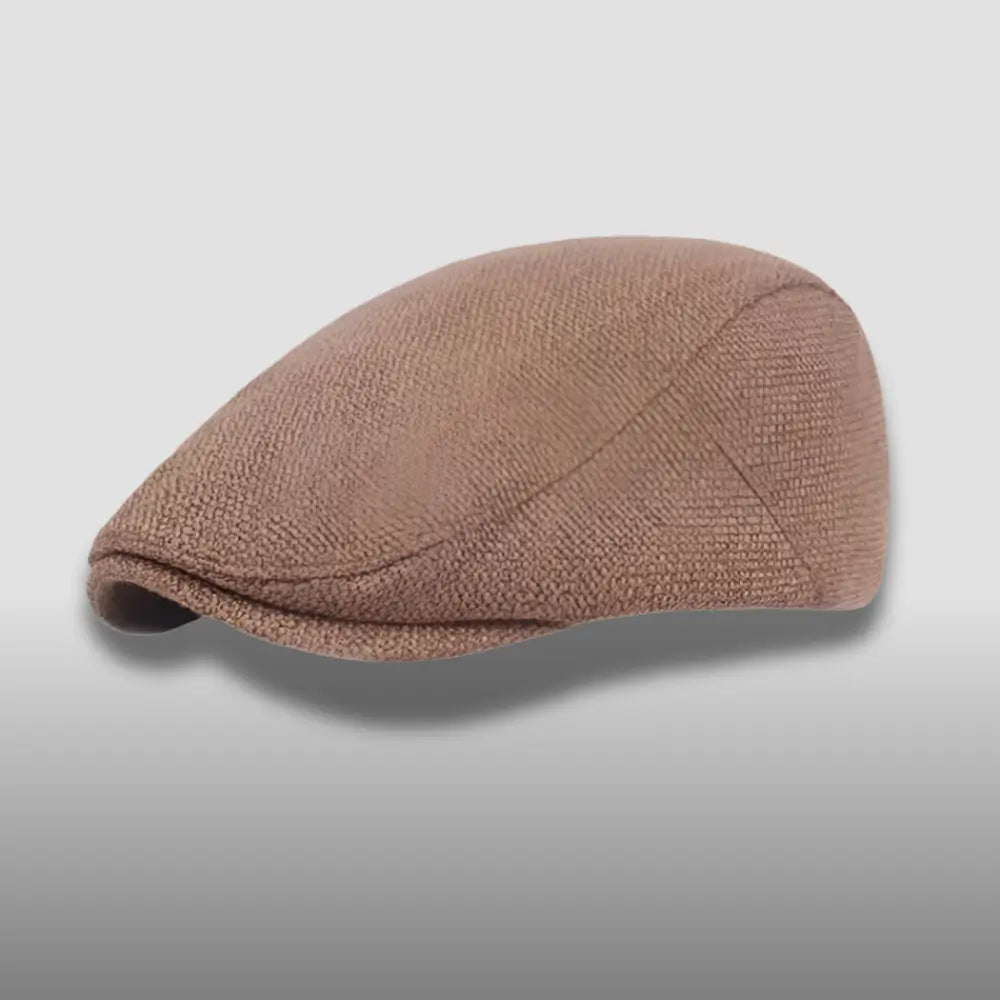
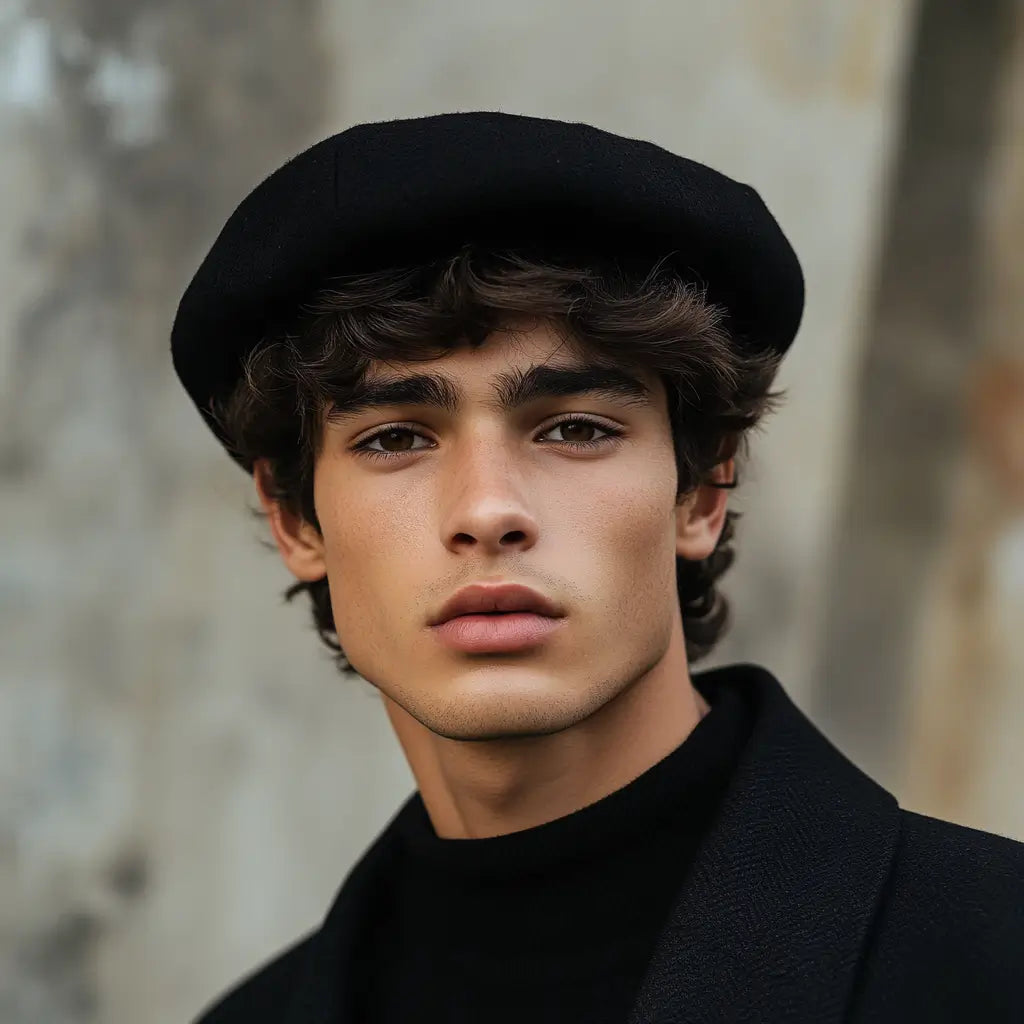
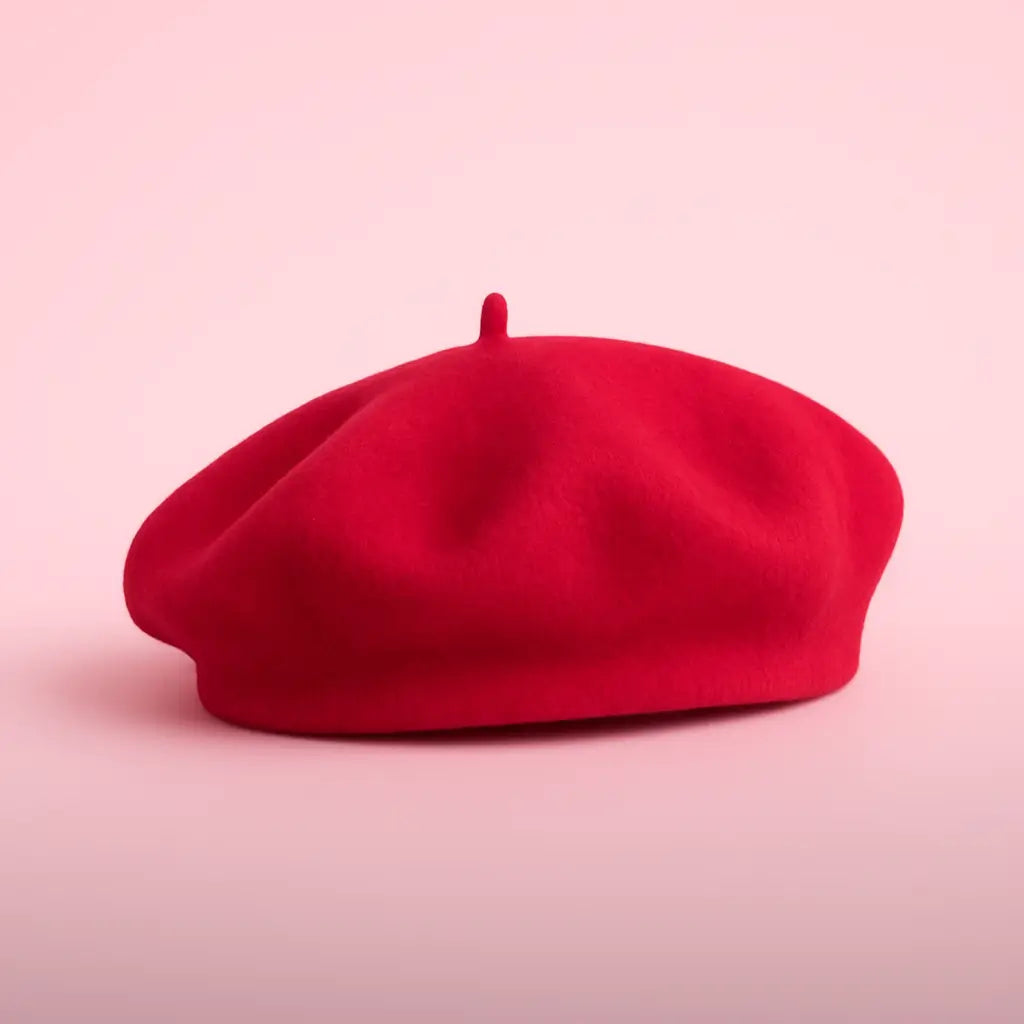
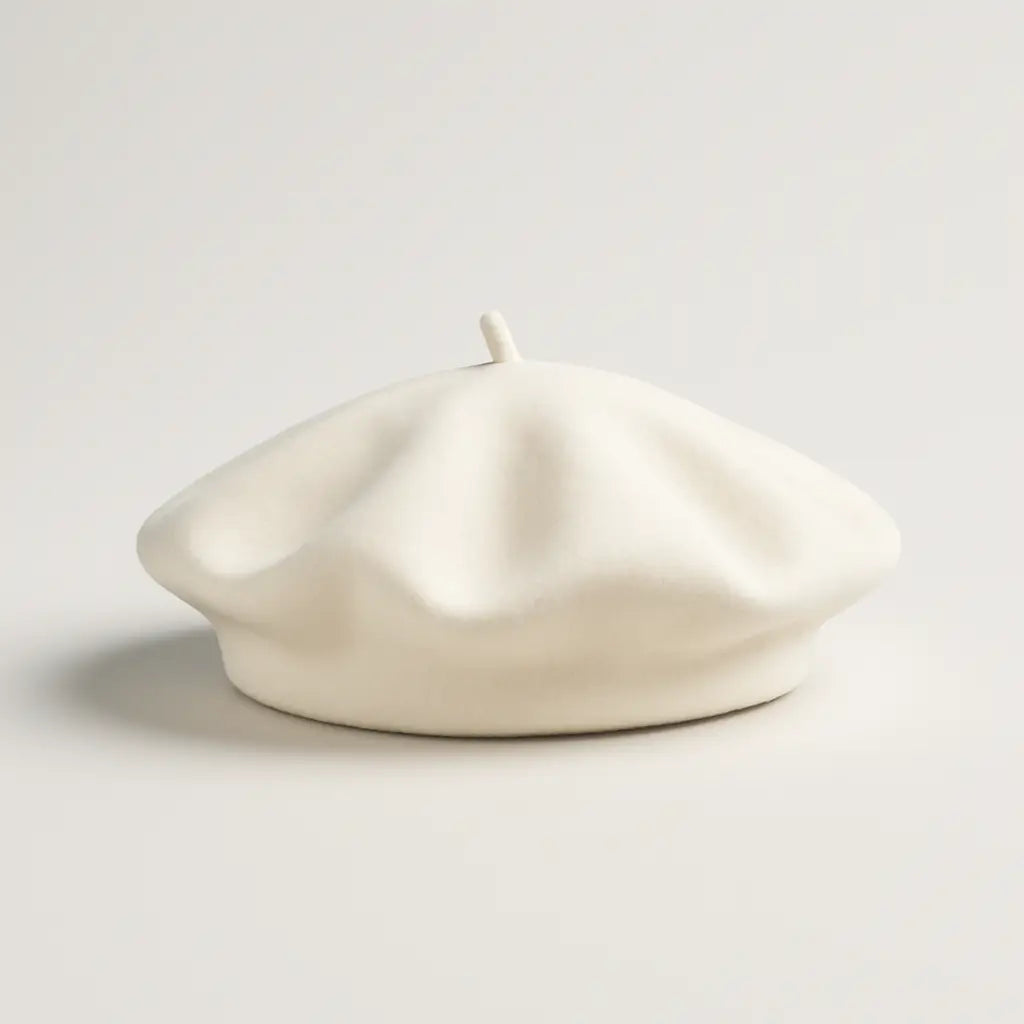
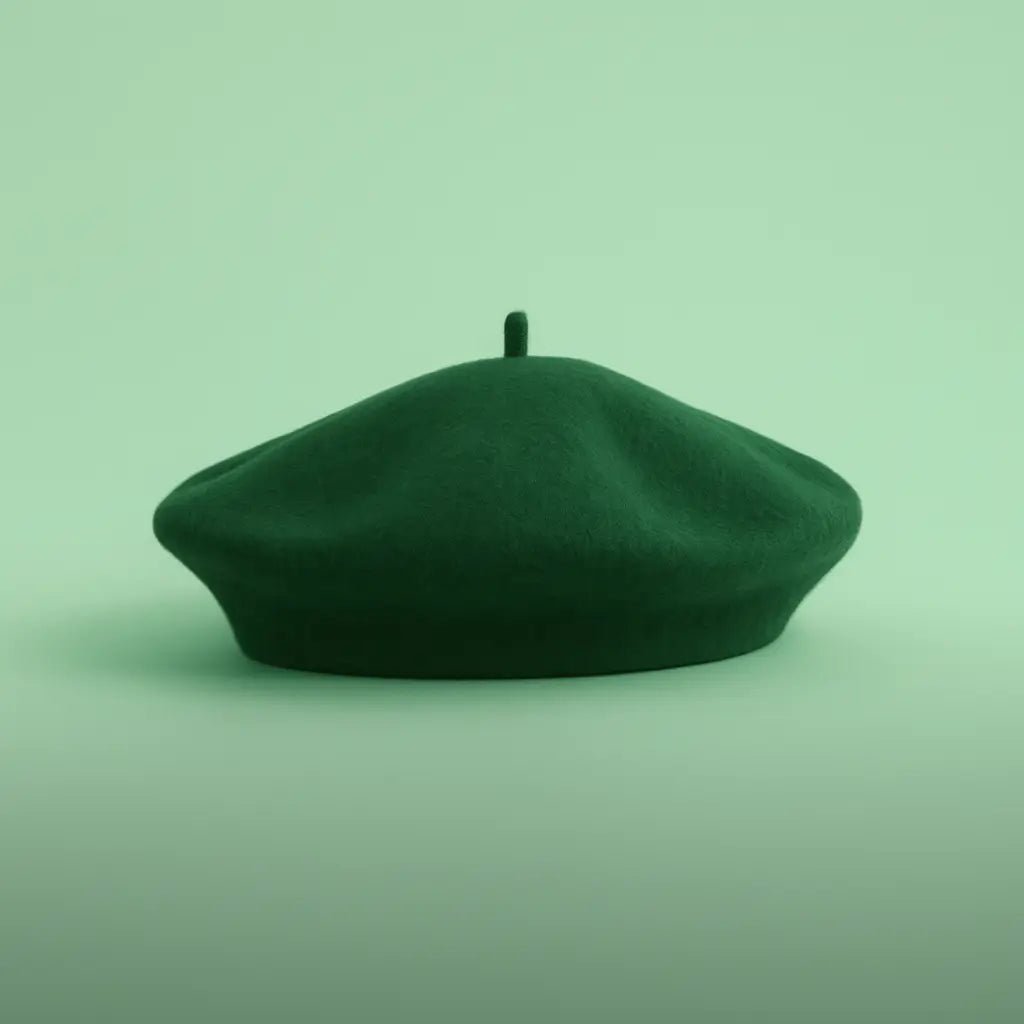
Short answer: partly, and only if you wear it low and pick the right size. A classic beret sits above the ears by design, so it will not cover them the way a beanie does. Pulled down at the back and sides, a roomier wool beret can reach the top of the ear and take the edge off a cold morning, but it is not a full ear cover.
I am Camille, and I shape and finish berets by hand in the Béarn. This question comes up every autumn, usually from someone deciding between a beret and a beanie. Here is what a beret genuinely does for your ears, how to get the most warmth out of one, and when to reach for something else.
- A beret covers the ears partly at best. It sits above them by design and has no ear flaps.
- A slightly roomier beret pulled low at the back reaches further down than a snug one worn pushed back.
- Wool holds warmth better than cotton, so material matters more than size for actual heat.
- Tilting it to one side covers one ear more than the other, which helps in wind from a single direction.
- For real cold, layer a thin headband under the beret rather than expecting the beret to do it alone.
The short answer
Here is how a beret stacks up against the other things people wear for cold ears.
| Option | Ear coverage | Best for |
|---|---|---|
| Beret worn pushed back | None | Style, mild weather |
| Roomier wool beret worn low | Top of the ear | Cool days, light wind |
| Beret plus a thin headband | Full ear | Genuinely cold mornings |
Why a beret sits above the ears
The shape is the reason. A beret is cut as a flat circle gathered into a headband, and that band is designed to sit around the widest part of the head, roughly level with the top of the ears. It holds its position from that band alone, with no elastic hem to pull down and no flaps to fold over. That is what gives a beret its clean, round silhouette, and it is also why it stops where it does.
A beanie works the opposite way. It is a tube with a stretchy hem meant to be pulled down over the ears, so covering them is built into the design rather than being a compromise. Neither shape is better, they simply do different jobs, and a beret is choosing silhouette over full coverage.
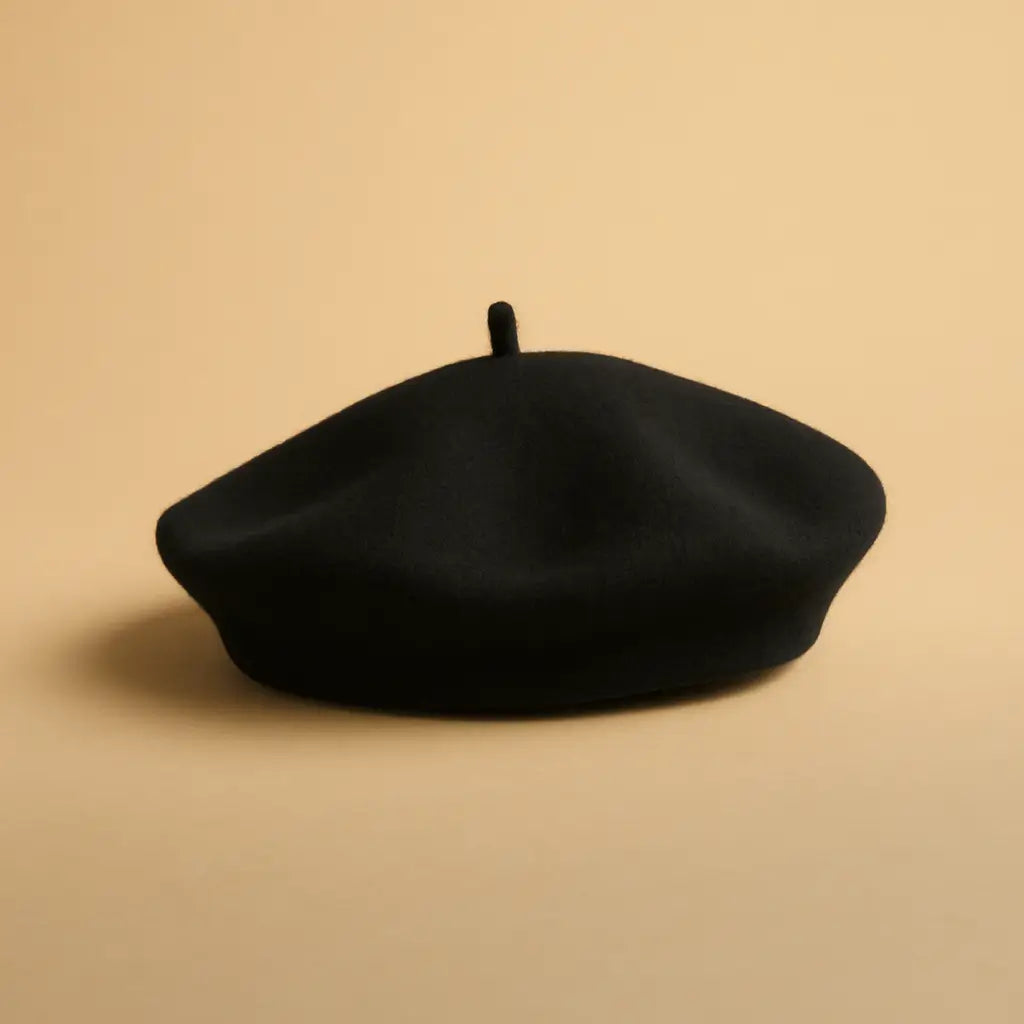
Who a classic black wool beret suits best
Anyone who wants the traditional shape without fuss, wearers who move between mild and cold days, and first-time buyers who would rather start with a colour that goes with everything.

★★★★★ 4.8 · 62 reviews
Black French Beret
Matte black wool with a soft, low crown. Pulled down at the back it reaches the top of the ear without losing the classic round shape.
Shop now · $39Wear it back to front for warmth. Seat the band low across the nape and bring the crown forward over the head rather than pushing it back off your forehead. That single adjustment drops the band a centimetre or two lower at the sides, which is exactly where your ears are.
How to get more ear coverage from a beret
Size is the first lever. A beret that fits snugly at 56 cm sits exactly where the band lands and goes no lower. A slightly roomier one has enough fabric to be settled further down the head without gripping, so the sides drop closer to the ear. Our sizing guide covers how to measure properly in what size beret should I get.
The tilt is the second lever. Worn straight, a beret sits level and covers both ears equally, which is to say barely. Tilted to one side, the low edge drops over one ear entirely while the other stays exposed. On a windy walk that is genuinely useful, since you can turn the covered side into the weather.
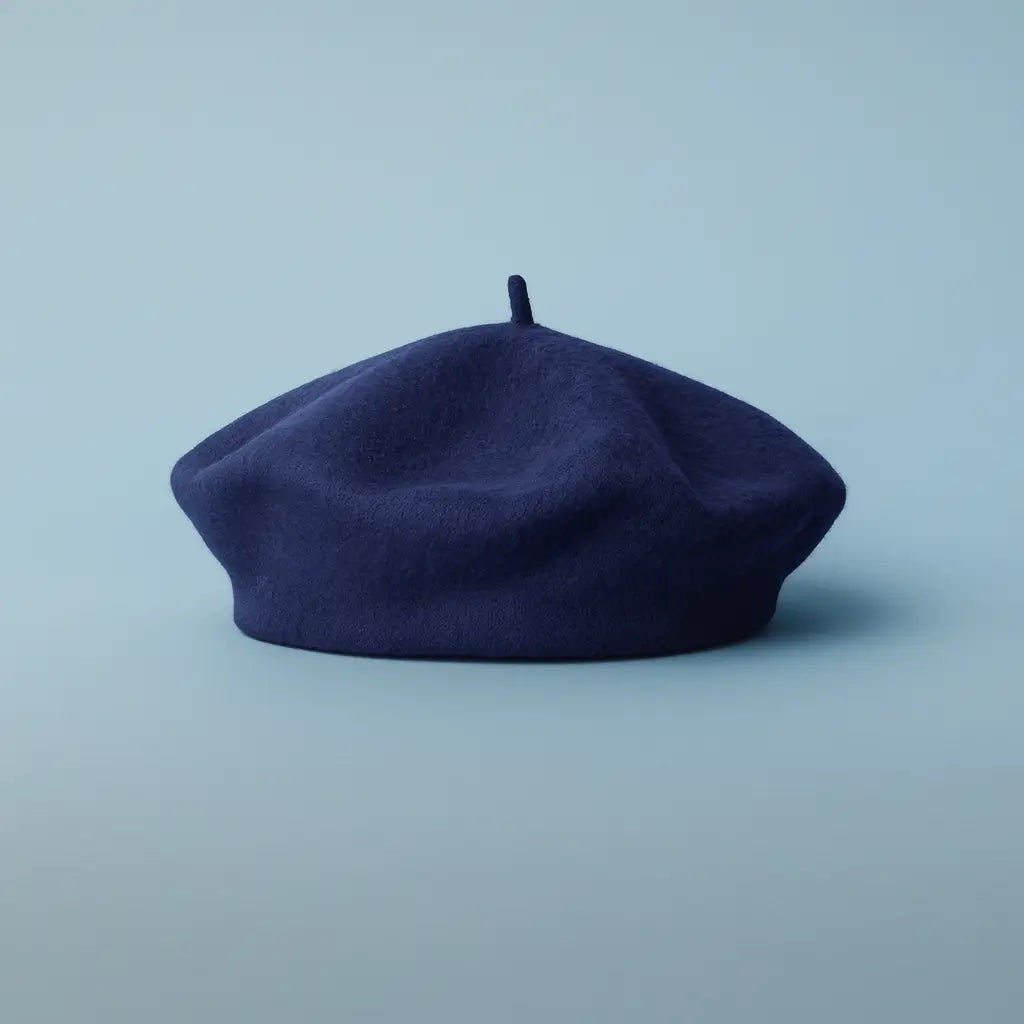
Who a navy blue beret suits best
Wearers who want a warm wool option that is softer than black, anyone building a winter wardrobe around navy and grey, and people who want a beret with plenty of reviews behind it.

★★★★★ 4.9 · 75 reviews
Navy Blue Beret
Deep navy wool with a soft, sleek finish. Enough body to sit low at the back without collapsing out of shape.
Shop now · $45
Coverage is only half the story though. How warm a beret feels has as much to do with what it is made of as with how far down it reaches, and that is where the choice of material earns its keep.
Why material matters more than coverage
Wool is the reason a beret can feel warm even without covering the ears fully. The fibres trap air against the head, and the felted surface blocks wind rather than letting it pass through. A dense wool beret that stops above the ear can genuinely feel warmer than a thin cotton one pulled lower, because the fabric is doing the work.
Cotton berets are the opposite trade. They breathe well, which makes them comfortable in mild and warm weather, and much less useful once the temperature drops. Our wool beret collection is where to look if warmth is the priority, and it is worth choosing by fabric before you worry about how low it sits. How a beret handles the rest of the year is set out in wearing a beret in different seasons.
Who a dark grey beret suits best
Anyone who wants a softer neutral than black, wearers pairing headwear with charcoal or camel coats, and people who prefer their winter pieces understated.

★★★★★ 4.8 · 52 reviews
Dark Grey Beret
Textured grey felt with real body to it. Dense enough to block wind and quiet enough to wear with any winter coat.
Shop now · $45How to stay warm when a beret is not enough
- Layer a thin headband underneath. A fine knit or fleece band covers the ears fully and disappears under the beret.
- Add a scarf or snood. Covering the neck makes a surprising difference to how cold your head feels.
- Choose wool over cotton whenever the forecast is genuinely cold.
- Tilt into the wind so the low side of the beret takes the weather.
Caring for a beret you wear low
Wearing a beret pulled down puts more strain on the band than wearing it pushed back, so a little care keeps the shape honest.
- Ease it on and off with both hands rather than tugging from the crown or the top button.
- Reshape it flat and round while damp from cold air or drizzle, then let it dry naturally.
- Store it flat or lightly stuffed so the band keeps its circle rather than stretching oval.
Do not stretch a beret over your ears by force. Pulling a wool band well past its intended size distorts the felt permanently, and once the band has gone slack it will never sit properly on the head again. Size up or layer a headband underneath instead.
Frequently asked questions
Only partly. A beret sits above the ears by design. Worn low at the back with a slightly roomier fit it can reach the top of the ear, but it will never cover them fully like a beanie.
A dense wool beret is genuinely warm because the felt traps air and blocks wind. On very cold days, layer a thin headband underneath for the ears.
A slightly roomier beret can be settled lower on the head, which helps. Do not go so large that it slips, since a beret holds its place from the band alone.
The classic French beret does not. Its shape comes from a single gathered circle with no flaps or elastic hem, which is exactly why the silhouette stays clean.
A beanie covers the ears better. A beret plus a thin headband gets you the same warmth while keeping the beret shape, which is the option most people prefer.
So, can a beret cover your ears? Partly, at best. Wear it low, choose wool over cotton, and slip a thin headband underneath when the cold really bites. The shape stays as it should, and your ears stay warm.


Worn well, never overthought.
Camille