Short answer: yes, French people do wear berets, just far fewer than the postcards suggest. You can spend a whole afternoon walking in Paris without seeing one. Travel south to the Béarn or the Basque country and it is still an ordinary thing to own, hanging by the door with the coats.
I am Camille, and I shape and finish berets by hand in the corner of France where they were first made. So this is not a guess from a travel guide. It is what the French beret actually means here in 2026, who genuinely wears one, and how to wear yours so it reads as style rather than souvenir.
- French people still wear berets, but as a seasonal choice, not a national uniform.
- The southwest, the Béarn and the Basque country, never dropped the habit.
- Paris wears it as fashion, mostly from October to March.
- The French army wears it daily, which keeps it visible year round.
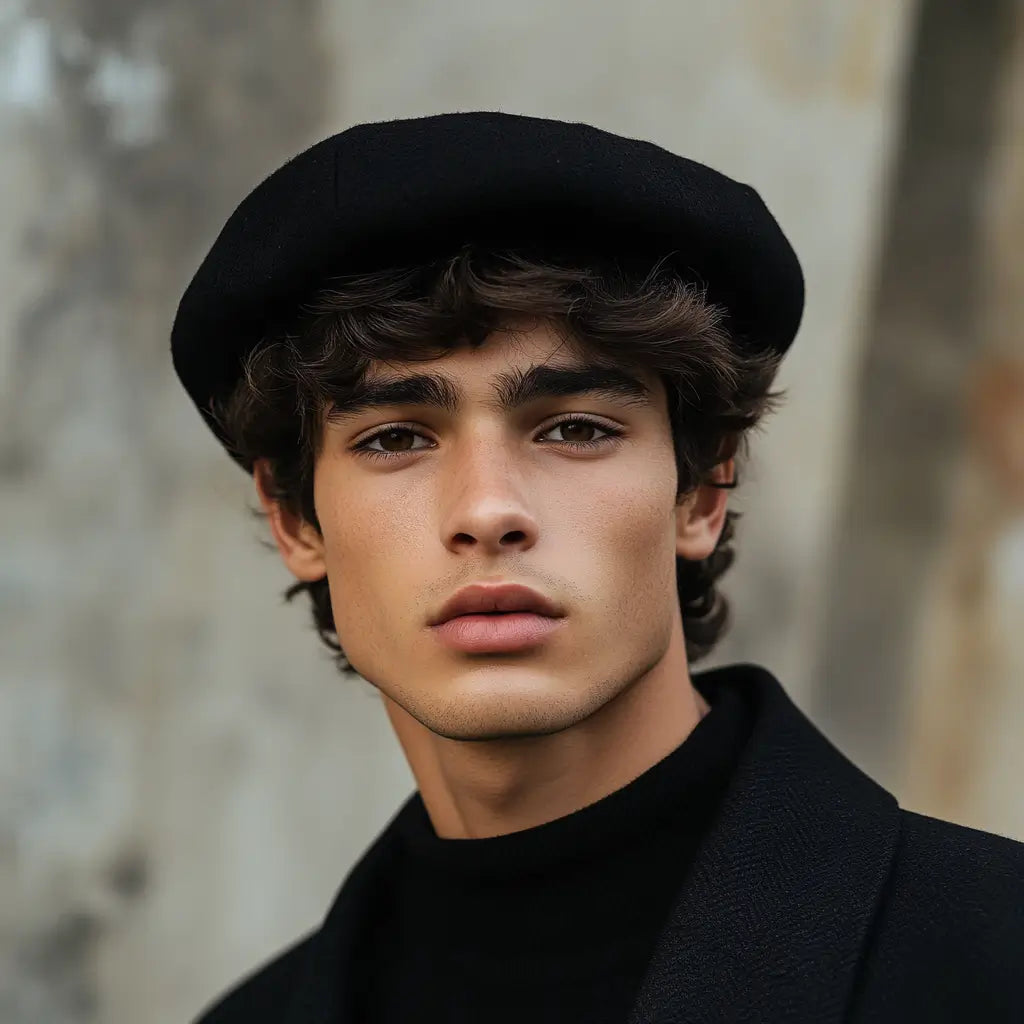
- Worn tilted, in a quiet colour, it looks local. Worn flat and bright, it looks like a costume.
The short answer
The honest picture depends entirely on where you are standing and what month it is. Here is roughly how often a beret turns up across the four places people ask about most.
| Where | How often you see one | Who is wearing it |
|---|---|---|
| Southwest villages | Regularly, all year | Older men, farmers, rugby crowds |
| Paris streets | Often in cold months | Students, creatives, fashion crowd |
| French military | Daily, as uniform | Every branch and unit |
| Anywhere in August | Almost never | Very few people |
Where the beret never went away
The beret was not invented in Paris. It came out of the Pyrenees, where shepherds needed something that shed rain, packed into a pocket and stayed on in wind. My family has been shaping them in the Béarn for three generations, and the town of Oloron Sainte Marie has been turning out wool berets on an industrial scale since the 1840s. That is the real home of the hat.
In those villages the beret never became a statement, because it never stopped being useful. You still see it on men in their seventies at the market, on rugby supporters in the stands, and on plenty of younger people who grew up watching their grandfather reach for one. The cultural weight it carries here is very different from the way the rest of the world reads it, which is something I unpack further in why do French men wear berets.
Who a classic wool beret suits best
Anyone who wants the version French people actually wear, buyers who prefer a soft neutral over a bold shade, and first-time wearers who want something that will still look right in ten years.

★★★★★ 4.8 · 60 reviews
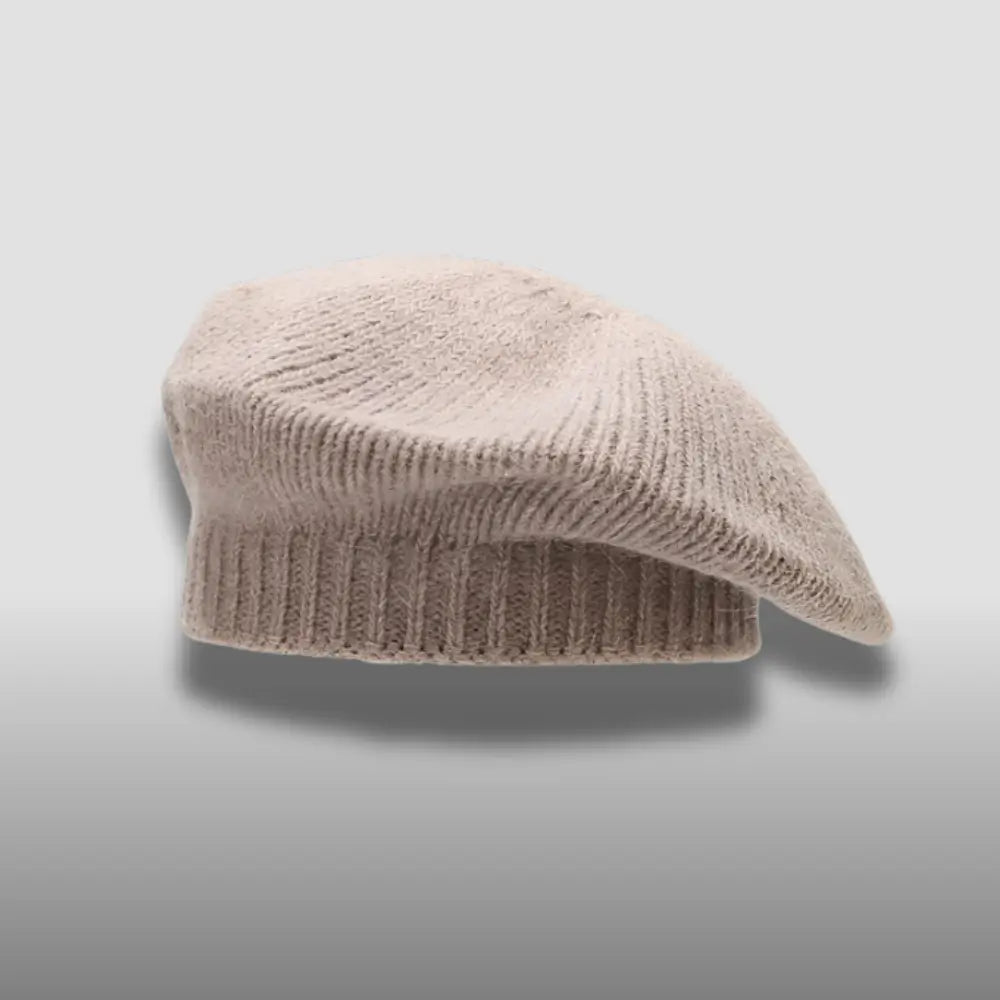
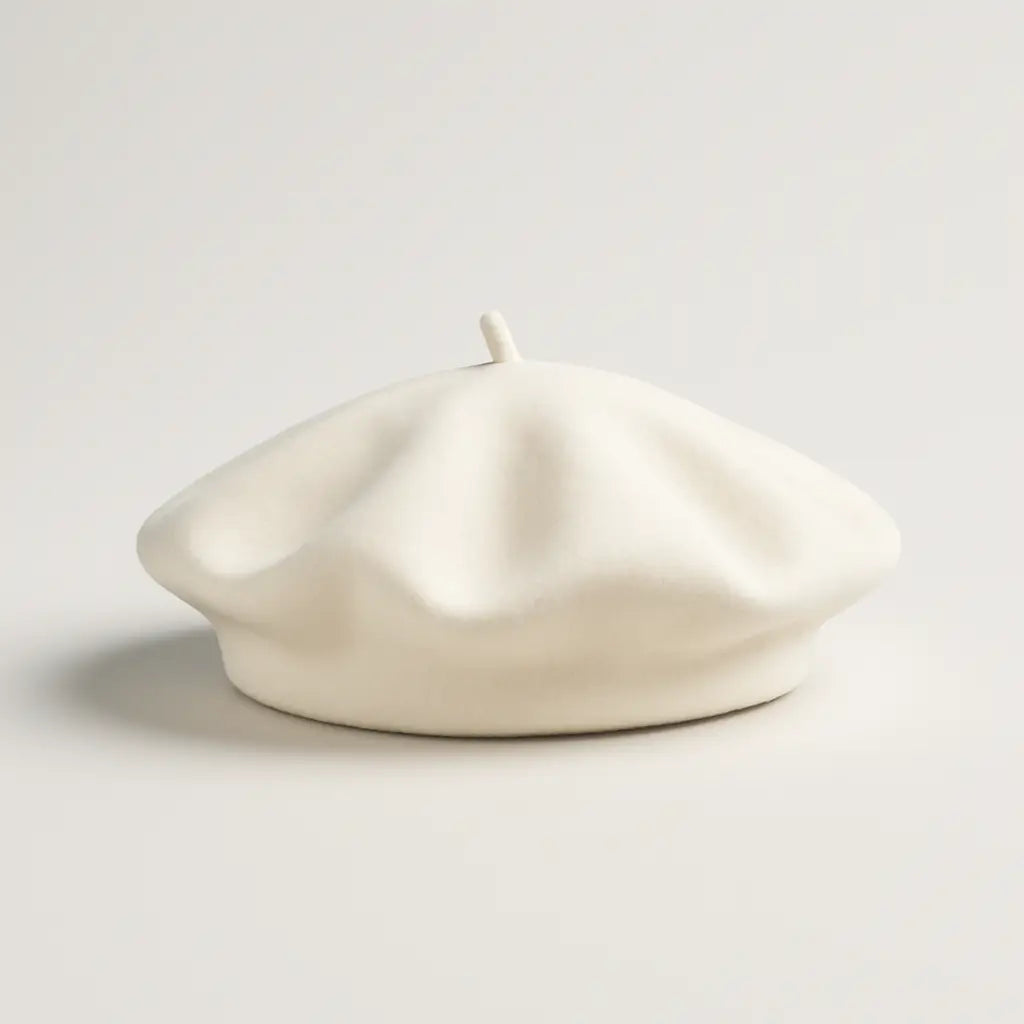
Beige Wool Beret
Soft wool in a warm cream, the quiet shade you see on real French shoulders. Reads as understated rather than dressed up.
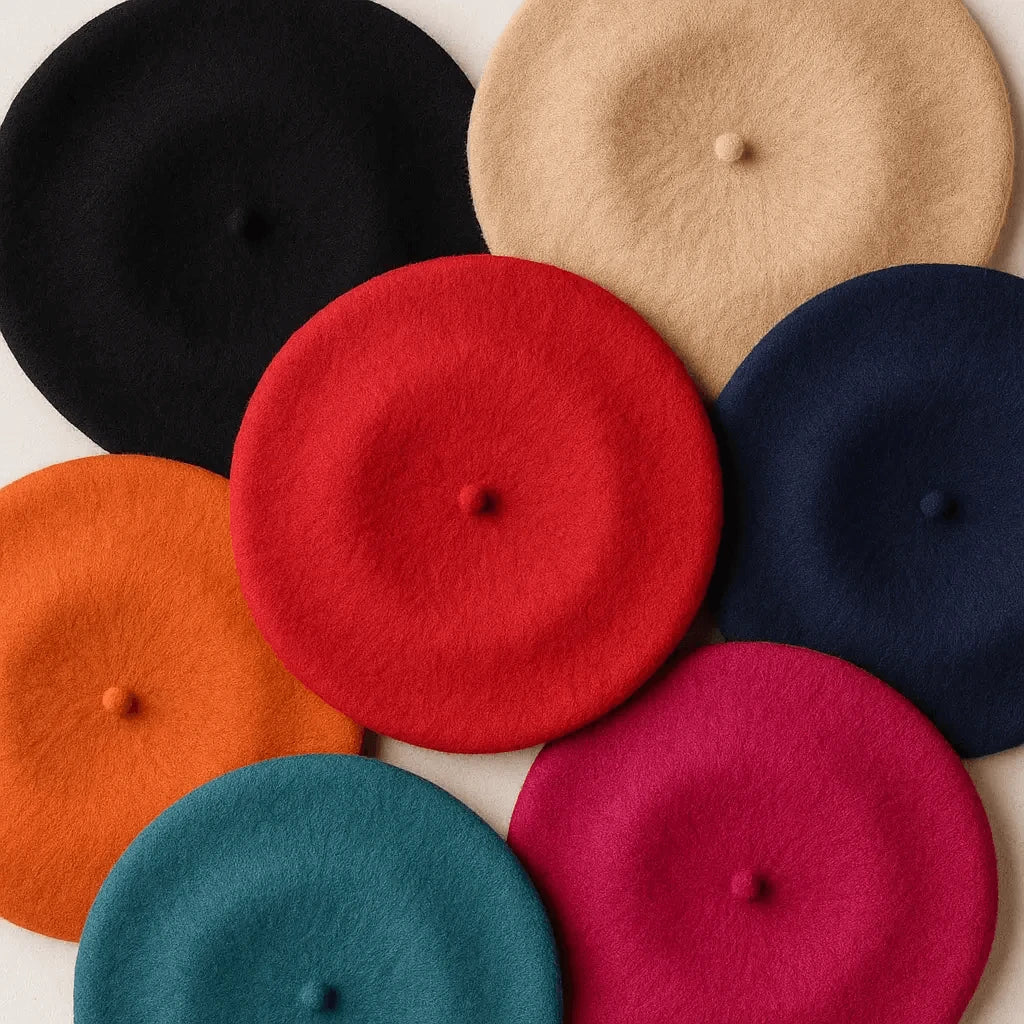
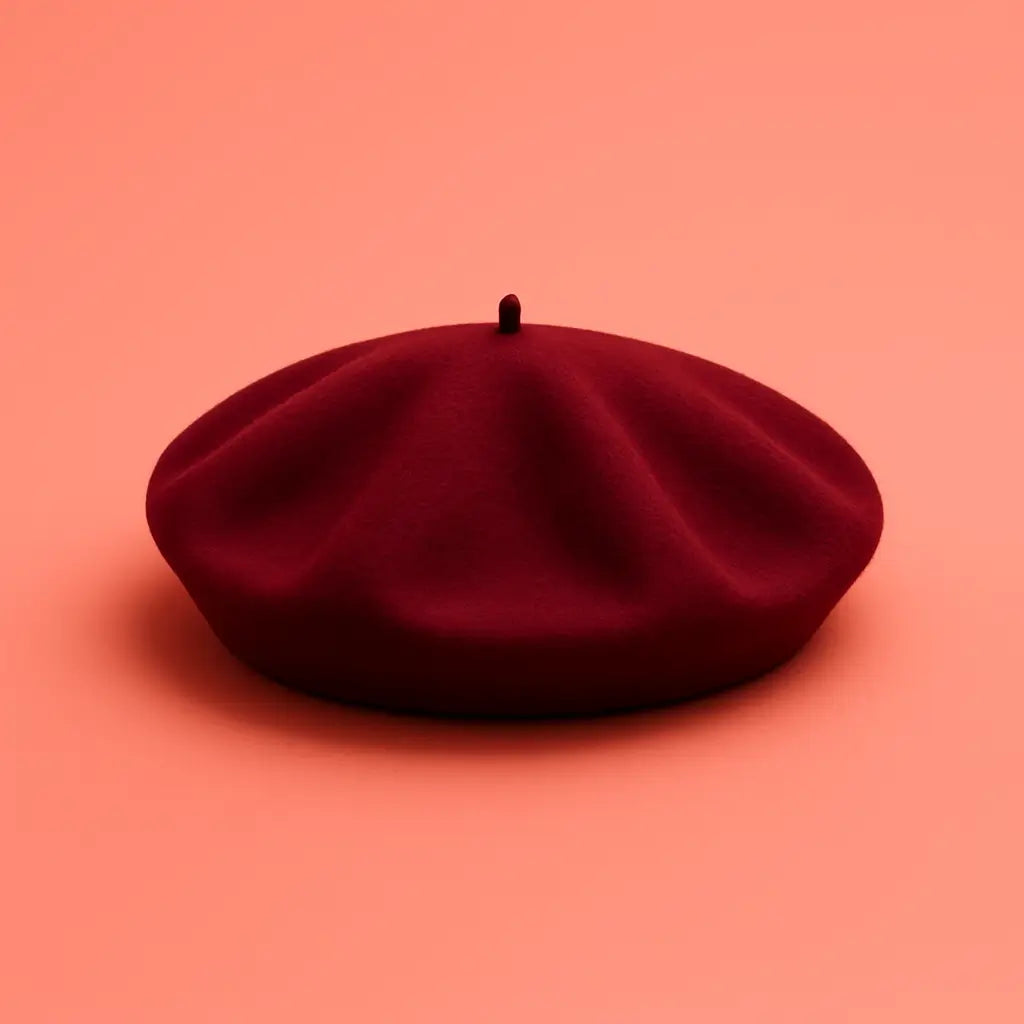
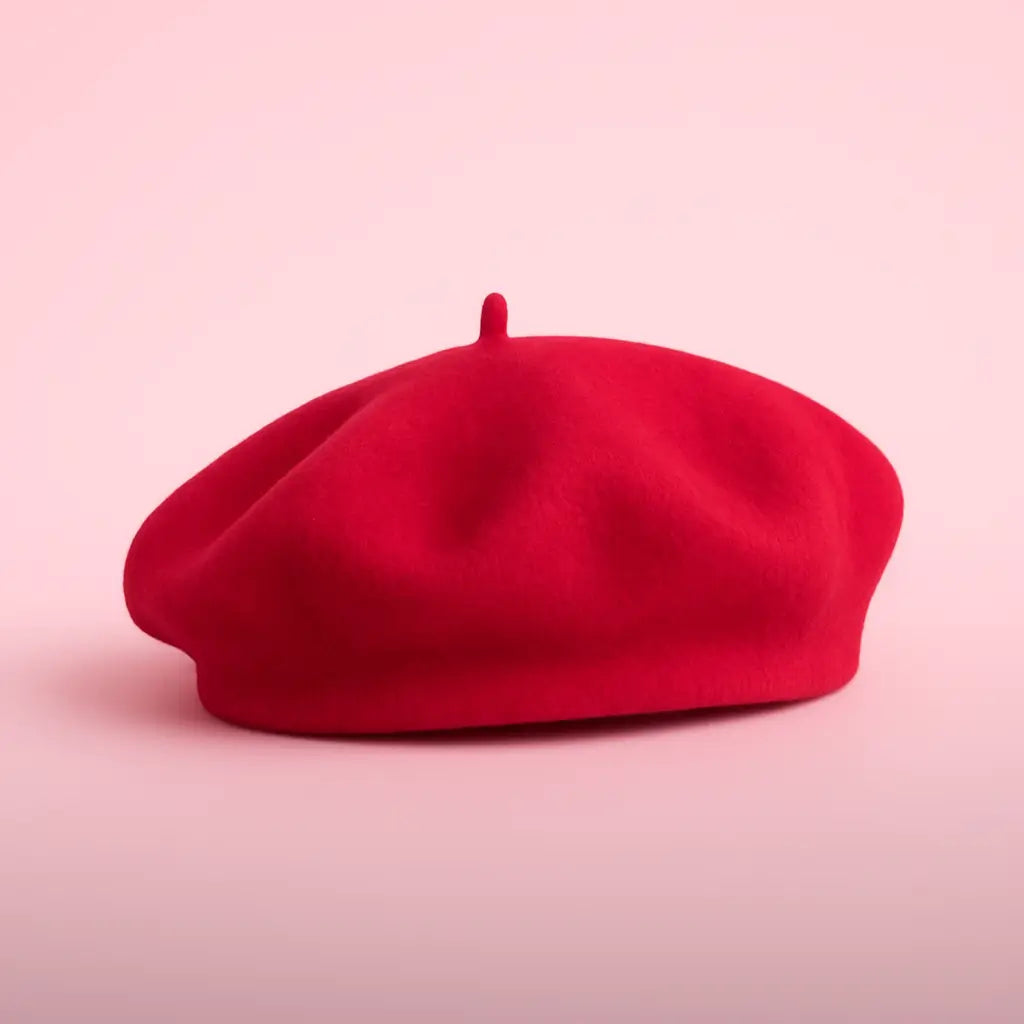
Shop now · $45If you want to look French rather than dressed as French, choose the colour a local would choose. Black, navy, charcoal and cream carry no fancy dress at all. Save the bright reds and pinks for when you are wearing the beret because you love it, not because you want it to say Paris.
What happened in Paris
Paris is where the beret stopped being practical and became symbolic. Through the middle of the twentieth century it was still common enough on the street, worn by workers, students and the artists who eventually made it famous abroad. By the 1970s that had faded. A generation that associated it with their parents simply stopped buying one, and hats in general went out of daily use across most of Europe.
What brought it back was fashion, not habit. Designers rediscovered it, photographers put it on models, and now every autumn a fresh wave of Parisians pull one on again. That cycle of decline and revival is worth understanding, and I trace it properly in the modern history of the French beret.
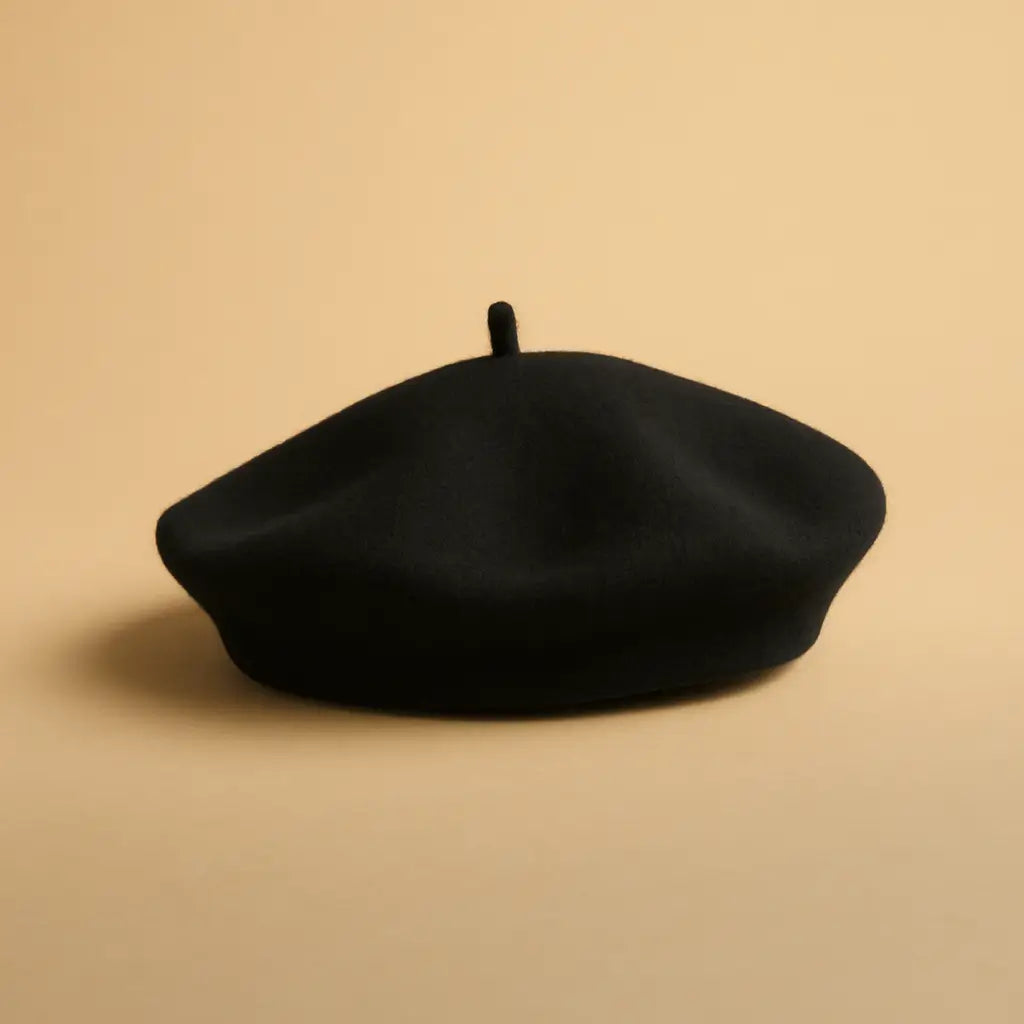
Who a black beret suits best
People who want one hat that works with every coat they own, anyone nervous about colour, and wearers who want the version that looks equally right in Paris, London or New York.

★★★★★ 4.8 · 62 reviews
Black French Beret
The one that never looks like a costume. Matte black wool, soft crown, and it goes with every coat in the cupboard.
Shop now · $39What French people wear the rest of the year
It helps to remember that France gets hot. From June to September almost nobody is in wool of any kind, and the beret goes into a drawer along with the scarves. Caps, straw hats and bare heads take over, and that alone explains a lot of the disappointed visitors who came looking for berets in July.
In the cold months the picture changes. Beanies are the most common thing on a French head now, followed by caps, and then the beret sits comfortably in third place. It is not the default, but it is far from extinct, and it carries a quiet self-assurance that a beanie never quite manages.

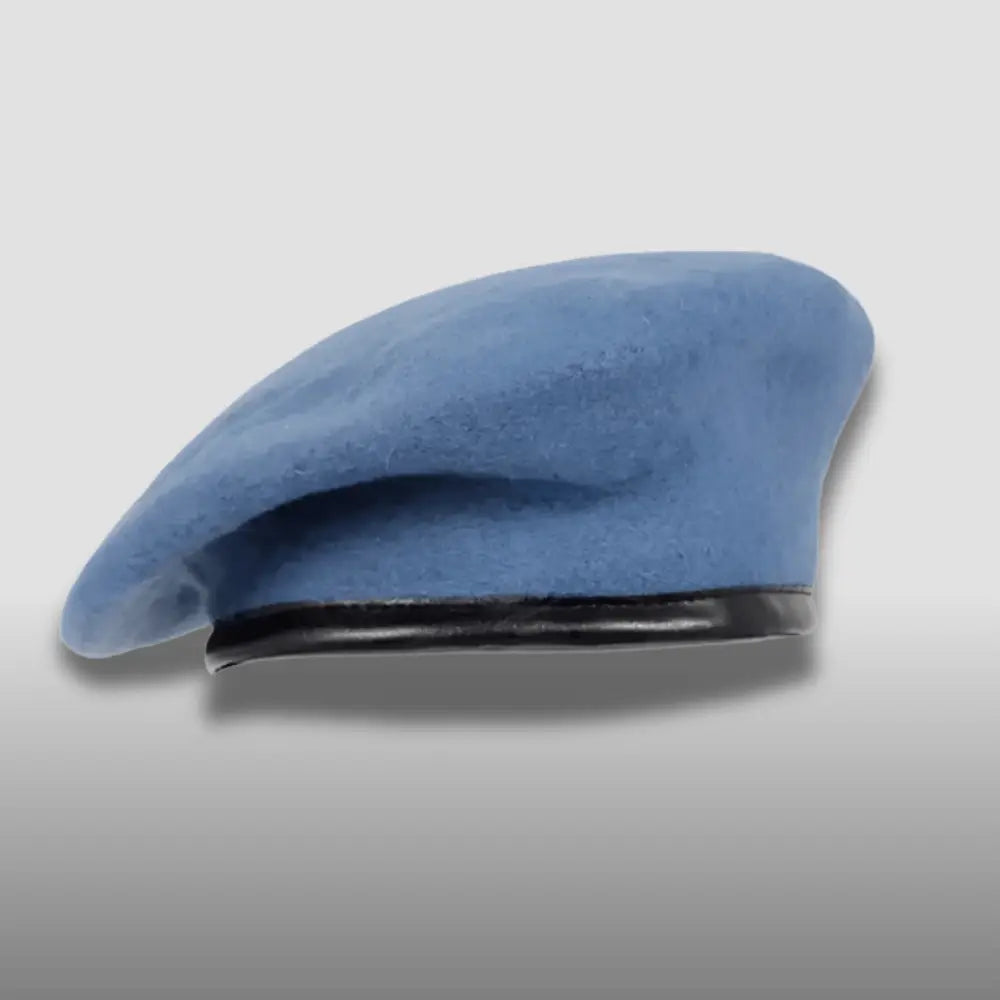
The other constant is the military. Every French service branch wears a beret as standard, in colours that identify the unit, so the shape is in front of French eyes every single day whether or not civilians are wearing one. That daily familiarity is part of why the beret has never felt dated here the way it can elsewhere.
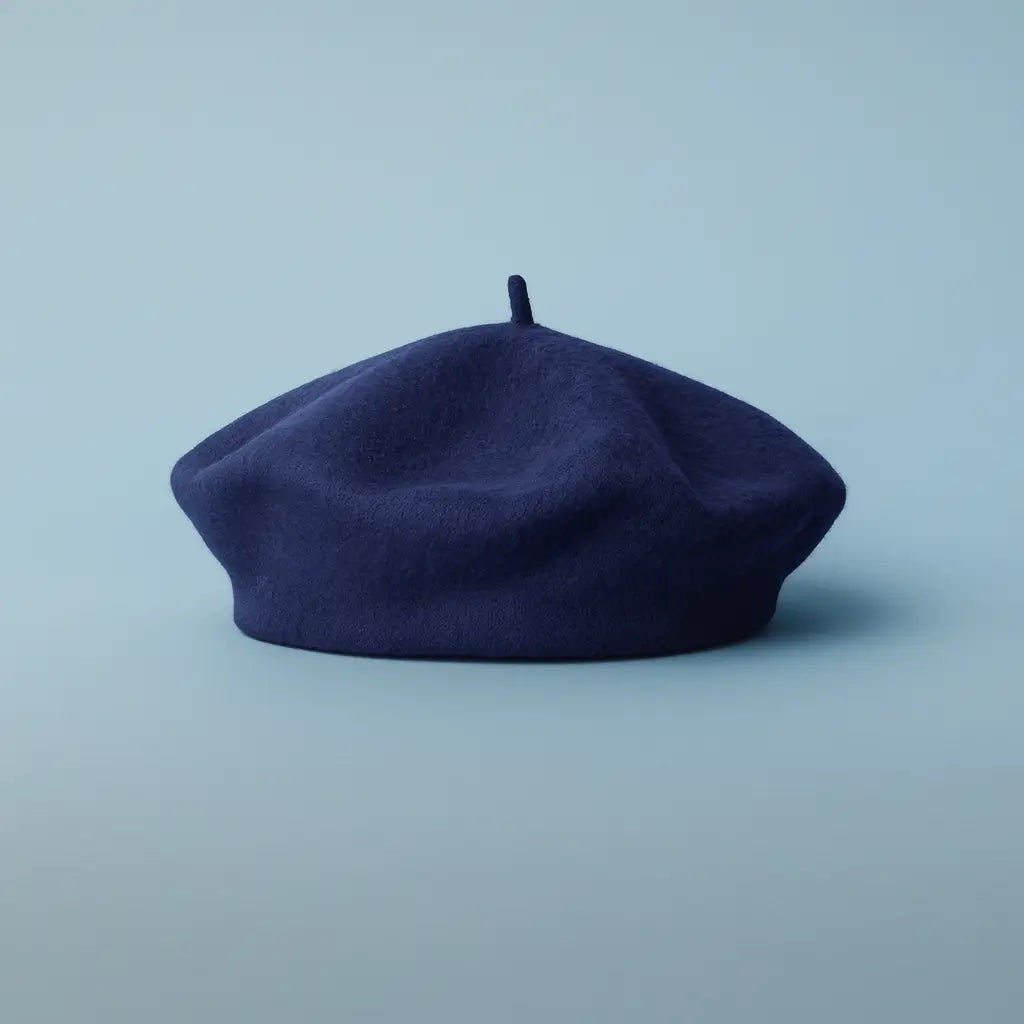
Who a navy beret suits best
Anyone who finds black a little severe, wearers who lean towards blue in their wardrobe already, and people who want a shade that flatters warm and cool skin tones alike.

★★★★★ 4.9 · 75 reviews
Navy Blue Beret
Softer than black, just as easy to wear. Our highest rated classic, and the shade that suits almost everyone.
Shop now · $45How to wear one without looking like a tourist
The difference between looking French and looking dressed up is almost never the beret itself. It is everything around it, and the angle you set it at. These are the rules I give visitors who come through the workshop.
- Push it back off the forehead and tilt it slightly to one side, never flat and level.
- Let a little hair show at the front so it sits on your head rather than perching on it.
- Keep the rest of the outfit plain. A beret does not need a striped shirt to explain itself.
- Choose one quiet colour first. Black, navy, charcoal or cream all disappear into a wardrobe.
- Wear it in the cold months and put it away in summer, exactly as people here do.
Keeping a wool beret looking lived in
A French beret is meant to soften with age, not stay pristine. A little care is all it asks for, and the wool will repay you by holding its shape for years.
- Brush it gently with a soft clothes brush to lift dust and keep the surface even.
- Let it dry flat and naturally if you are caught in rain, away from any radiator.
- Store it flat or over a rounded surface so the crown does not crease.
- Spot clean small marks with cool water and a touch of wool detergent, then reshape by hand.
Never put a wool beret in the washing machine or the tumble dryer. Hot water and agitation felt the fibres permanently, and a beret that has shrunk cannot be stretched back. One wash is all it takes to lose it.
Frequently asked questions
Some do. It is a seasonal, regional choice rather than a national habit, most common in the southwest and on Parisian streets during autumn and winter.
Hats fell out of everyday use across Europe from the 1970s, and Paris followed. It came back through fashion rather than habit, so it appears in waves each cold season.
The Béarn and the Basque country in the southwest, where the beret was born and where it is still made. Market days and rugby matches are your best chance.
Only if you wear it flat, in a loud colour, with a striped shirt. Tilted, in black or navy, with an ordinary coat, it looks entirely natural.
In the southwest it leans older and male. In cities it leans younger and female. Across the country it is worn by both, which is why it never reads as gendered here.
So, do French people wear berets? Fewer than the films promise, more than the cynics claim, and with far less ceremony than either. Pick a quiet colour, tilt it back, and wear it the way people here do, which is to say without thinking about it much at all.


Worn well, never overthought.
Camille