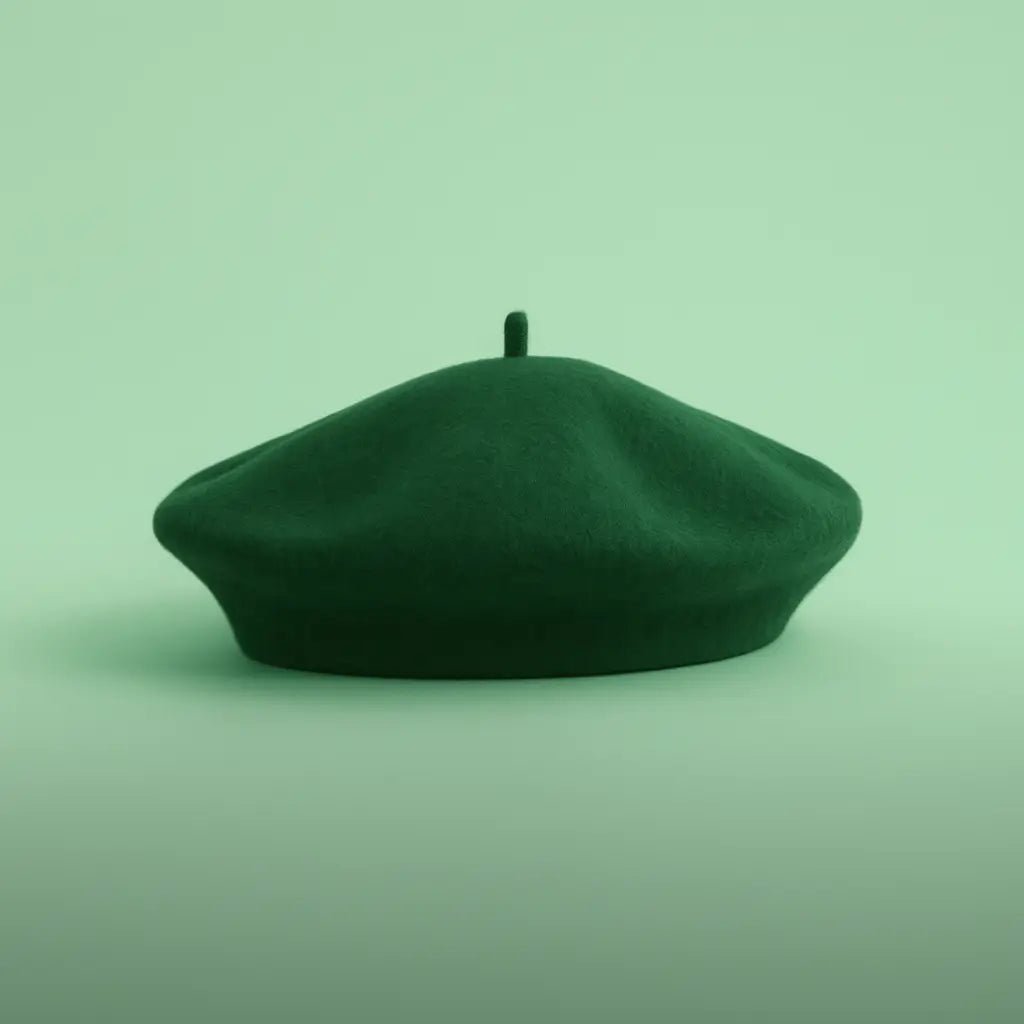
Short answer: beret is pronounced buh-RAY, with the stress on the second syllable and no hard "t" at the end. It is a French word, and French does not sound the final consonant the way English does, so the "t" stays silent.
I am Camille, and I shape berets by hand in the Béarn, the corner of France where the hat itself was born. I hear this word said a dozen different ways by visitors every season, so here is the version that actually matches how the French say it, the mistakes I hear most, and where the word came from in the first place.
- Say it buh-RAY, stress on the second syllable, silent "t".
- In IPA it is written /bəˈreɪ/.
- The most common mistake is stressing the first syllable instead of the second.
- The word comes from the Béarnais berret, a regional word for cap.
- English speakers often add a hard "t" sound that French never uses.
The short answer, broken into sounds
If you only remember one thing, remember the stress. Put the weight on the second half of the word, not the first, and drop the "t" completely.
| What people say | Is it right? | What is happening |
|---|---|---|
| buh-RAY | Correct | Matches the French /bəˈreɪ/, stress on "RAY" |
| BEH-ret | Common mistake | Stress moved to the first syllable, "t" wrongly sounded |
| buh-REH | Close, not quite | Right stress, but the vowel is too flat, needs the "ay" glide |
| beh-RET | Common mistake | Hard "t" added at the end, which French drops |
Breaking the word into two syllables
Split it as buh and ray. The first syllable is short and soft, close to the "a" in "sofa." The second syllable carries almost all the emphasis, and it should glide the way the word "ray" does in English, not cut short.
In the International Phonetic Alphabet, that is written /bəˈreɪ/. The little mark before "reɪ" tells you exactly where the stress falls, which is the part most learners get backward on their first try. Once the stress sits on the right syllable, the rest of the word tends to fall into place on its own.
Why the second syllable carries the sound
French rhythm leans on the last full syllable of a word far more than English does, and beret is a clean example. Practise saying "array" out loud, then drop the first "a," and you will land close to the correct sound without overthinking it.

★★★★★ 4.8 · 62 reviews
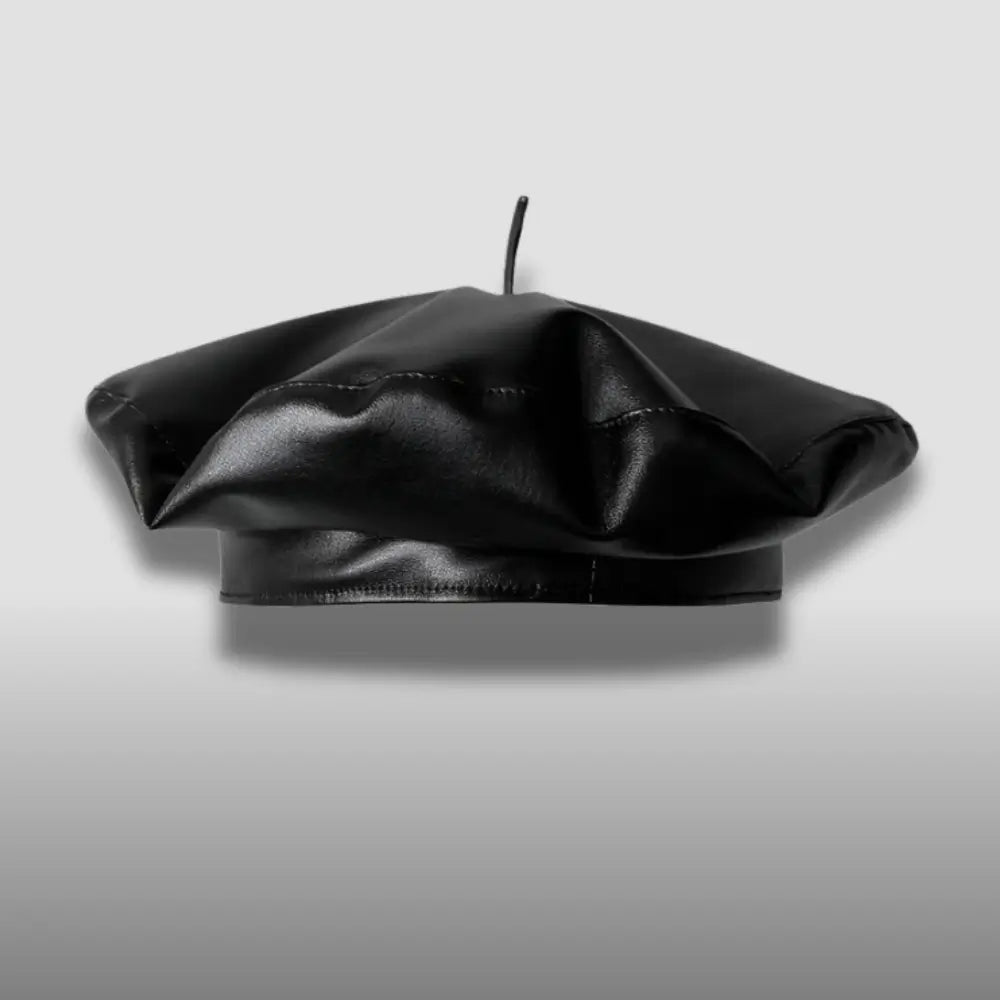
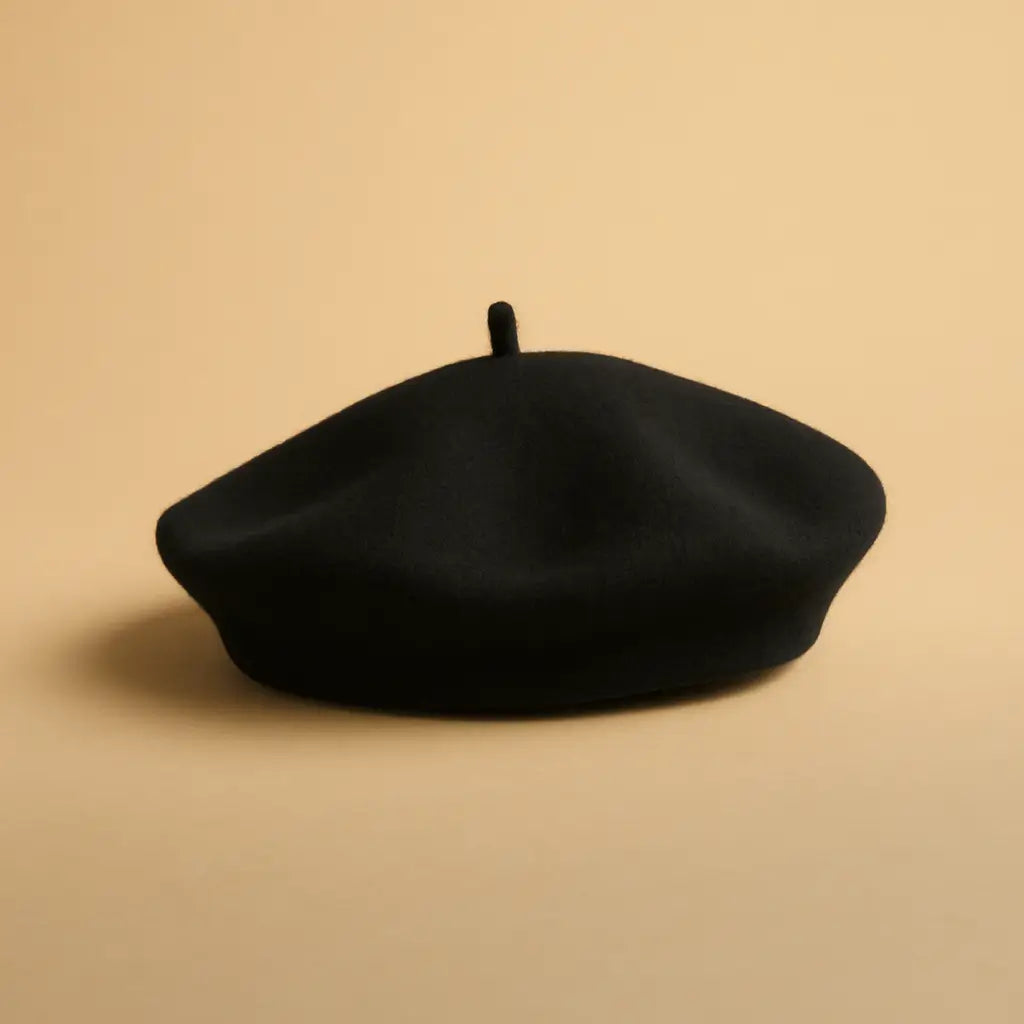
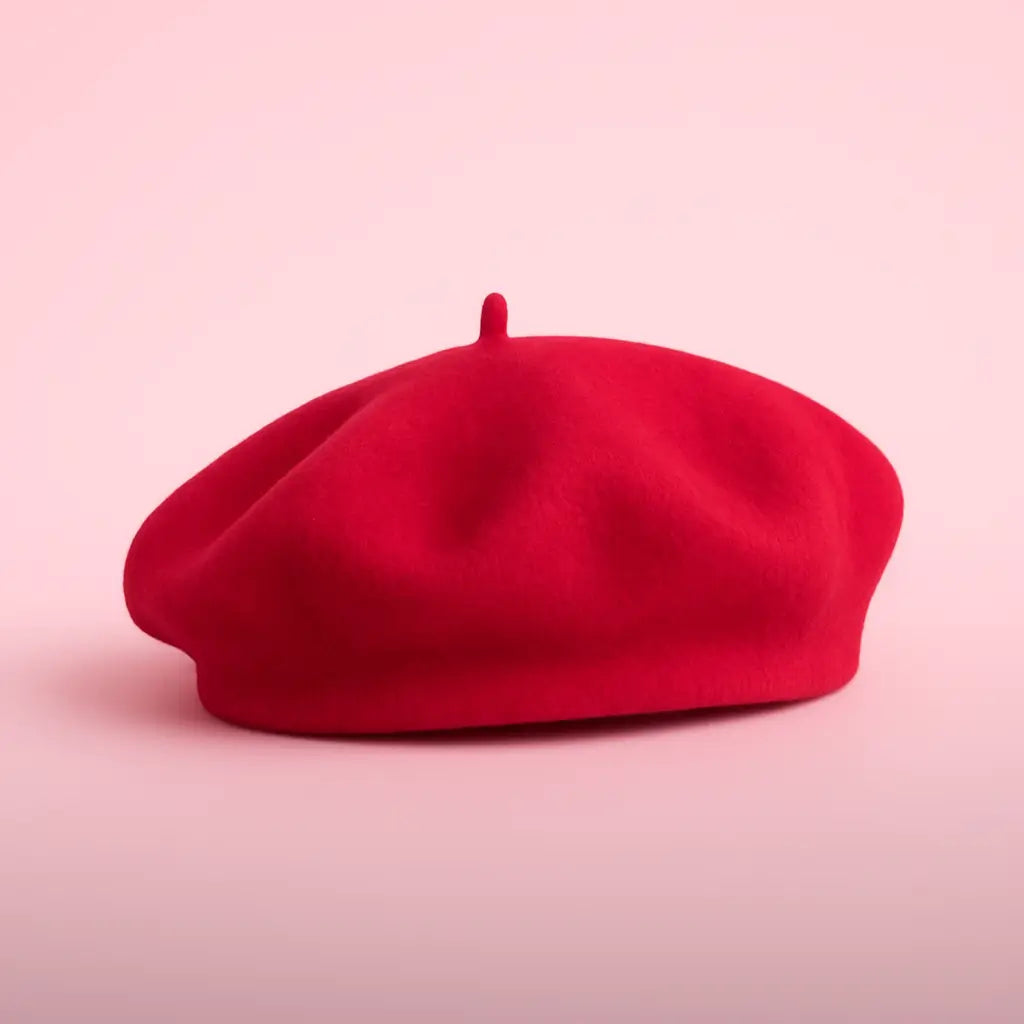
Black French Beret
Sleek matte wool in true black. The classic shape people picture the moment they hear the word said correctly.
Shop now · $39Say "okay" out loud, then swap the first sound for a soft "buh." That gives you the vowel glide on the second syllable without having to think in phonetic symbols at all. It is the fastest shortcut I give people at markets.
The mispronunciations I hear most
Three versions come up again and again, and each one has a simple fix once you know what is going wrong. None of them are embarrassing, French loanwords trip up plenty of native French speakers too when they cross into another language. If you are curious how "beret" behaves once it settles fully into English, our piece on what beret means in English looks at the word from that side.
The first is stressing the wrong syllable, saying "BEH-ret" instead of "buh-RAY." The second is sounding the final "t," which turns the soft ending into something closer to "berret" said the English way. The third is flattening the final vowel so it comes out closer to "beh" than the fuller "ay" sound the word actually ends on.
Where these mistakes come from
English readers default to stressing the first syllable of most two-syllable nouns, and to sounding every consonant on the page. Beret breaks both habits at once, which is exactly why it trips people up more than most borrowed words.

★★★★★ 4.9 · 75 reviews
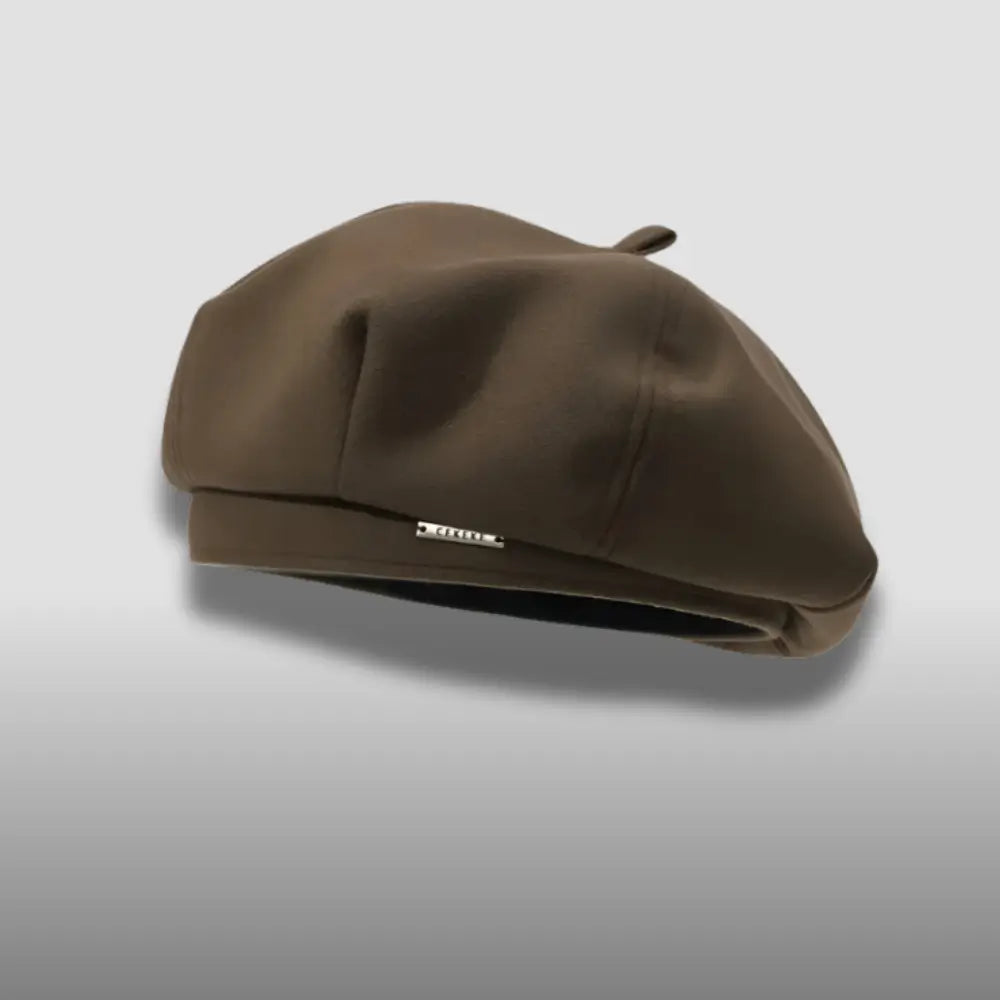
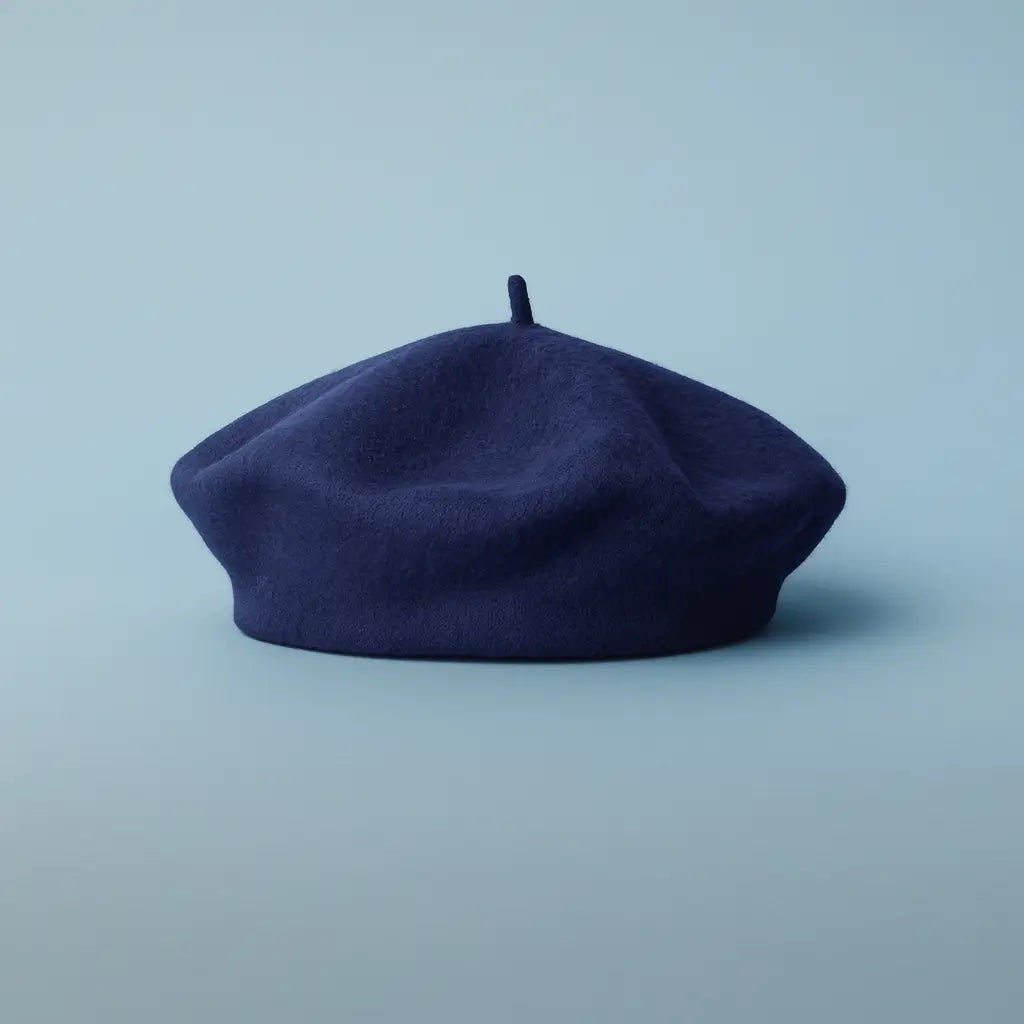
Navy Blue Beret
Soft felt-like wool in a deep navy. Easy to wear daily once the name stops being the hard part.
Shop now · $45Where the word actually comes from
Beret entered English from French in the 19th century, but the French word itself is older, tracing back to the Béarnais berret, a regional term for a soft cap used in the Pyrenees long before Paris ever adopted the style. That regional root is part of why the pronunciation still feels foreign in English, it was never built to fit English spelling rules to begin with. If you want the fuller story of how the shape moved from shepherd's cap to global fashion staple, our guide on what's another word for beret traces the different names it has picked up along the way.

That Béarn origin is also why native French speakers barely notice the pronunciation as tricky. It is simply a local word that folded into standard French, and standard French pronunciation rules carried straight through when English absorbed it. Knowing that history does not change how you say it, but it explains why the rules feel unfamiliar.
How the accent shows up in real French
Listen for the word inside a full French sentence and the rhythm becomes obvious fast: the "buh" all but disappears, and the "ray" carries the sentence's momentum. That is the same lean-forward rhythm worth copying when you say it in English.

★★★★★ 4.8 · 60 reviews
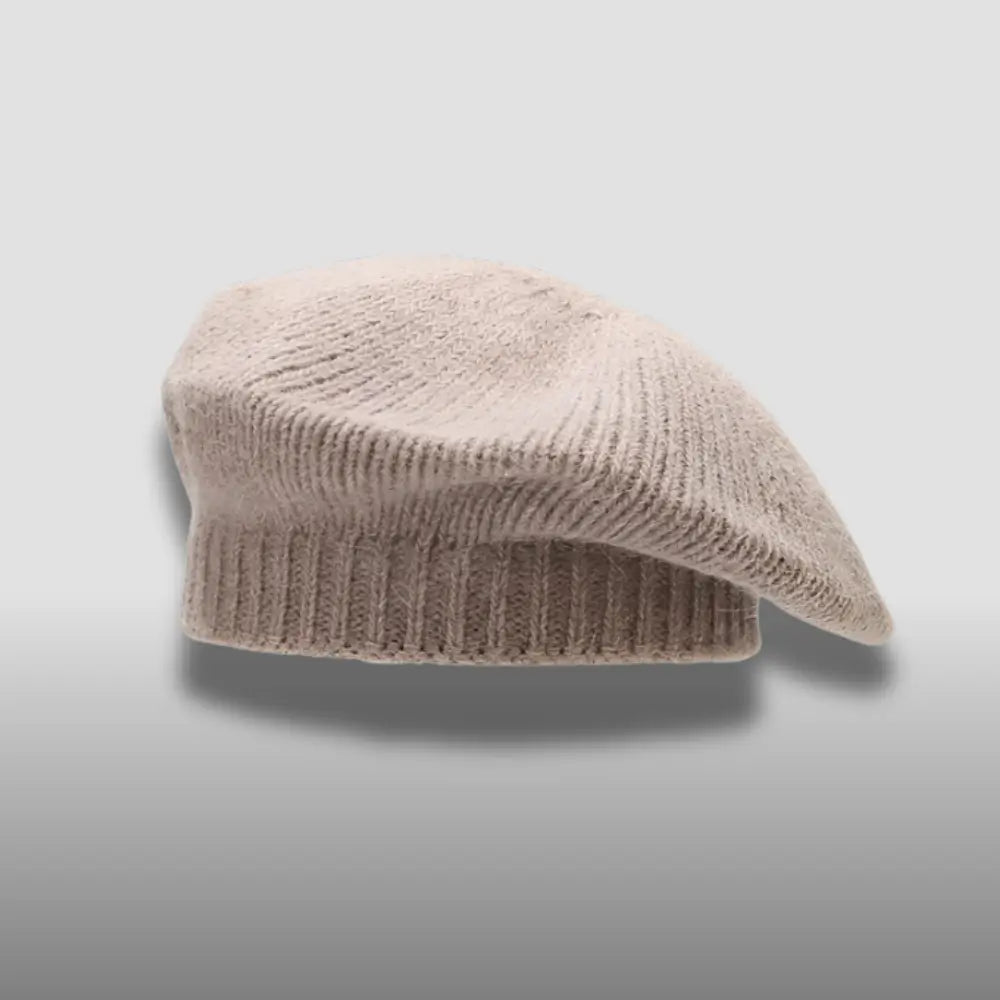
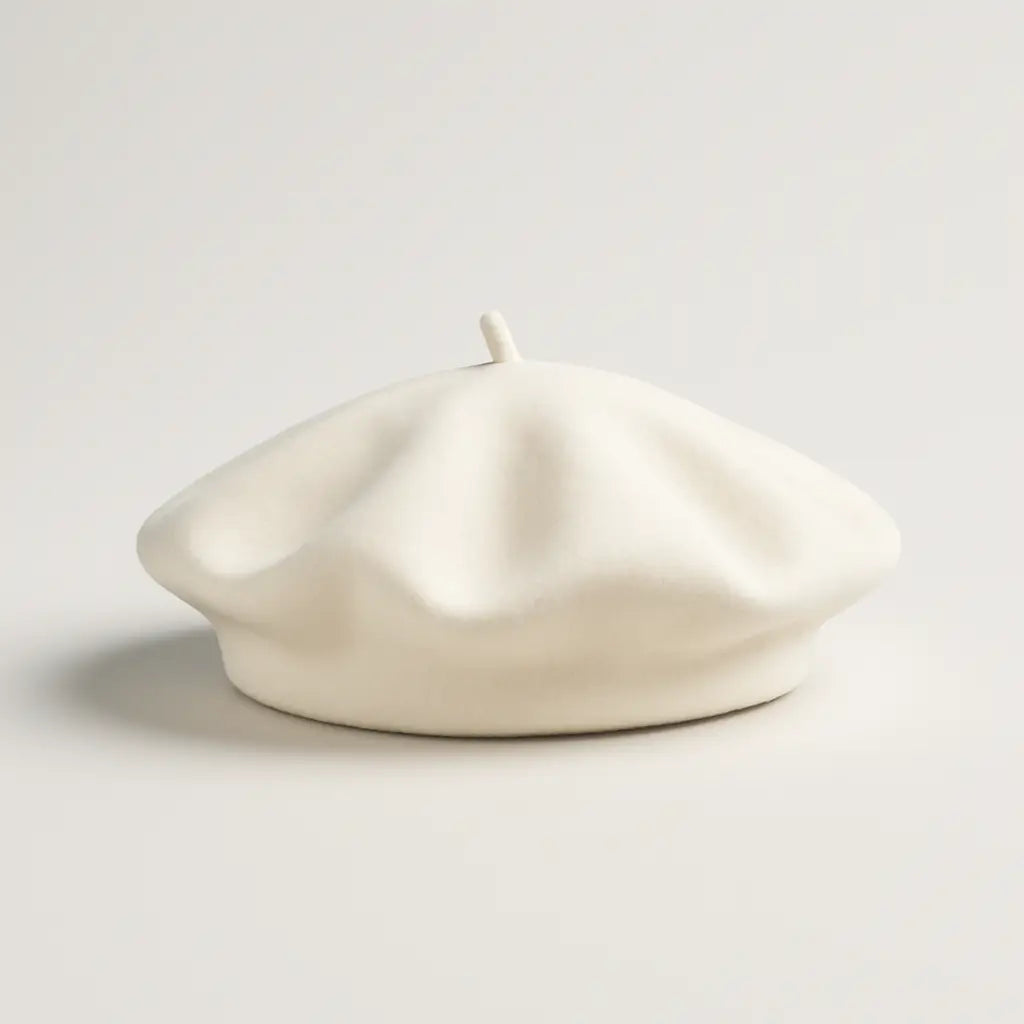
Beige Wool Beret
Soft cream wool with real texture. A heritage shade that traces straight back to the Béarn's shepherd caps.
Shop now · $45Ways to lock it in
- Say "array," then drop the first "a." That leaves you close to the real sound.
- Record yourself saying it, then compare to a native clip online.
- Practise it inside a full sentence, not as a single isolated word, the rhythm helps more than repetition alone.
- If you learn one more French headwear word, learn chapeau too, it comes up just as often in shops.
Do not overcorrect by rolling an "r" that is not there. Beret does not have a rolled French "r," the sound is closer to a soft English "r." Adding a heavy accent on top of the word usually makes it harder to understand, not more authentic.
Frequently asked questions
Buh-RAY, with the stress on the second syllable and no sounded "t" at the end.
Yes. French does not sound the final "t" here, so the word ends on the open "ay" sound instead.
/bəˈreɪ/. The stress mark before "reɪ" shows the second syllable carries the emphasis.
English speakers tend to stress the first syllable of two-syllable words and sound every consonant, and beret breaks both habits at once.
The core sound stays close to /bəˈreɪ/ everywhere. Regional accents may soften the vowels slightly, but the stress always lands on the second syllable.
So, how do you pronounce beret? Buh-RAY, stress on the second syllable, and let that final "t" stay quiet. Once you have said it once out loud, it tends to stick.


Worn well, never overthought.
Camille