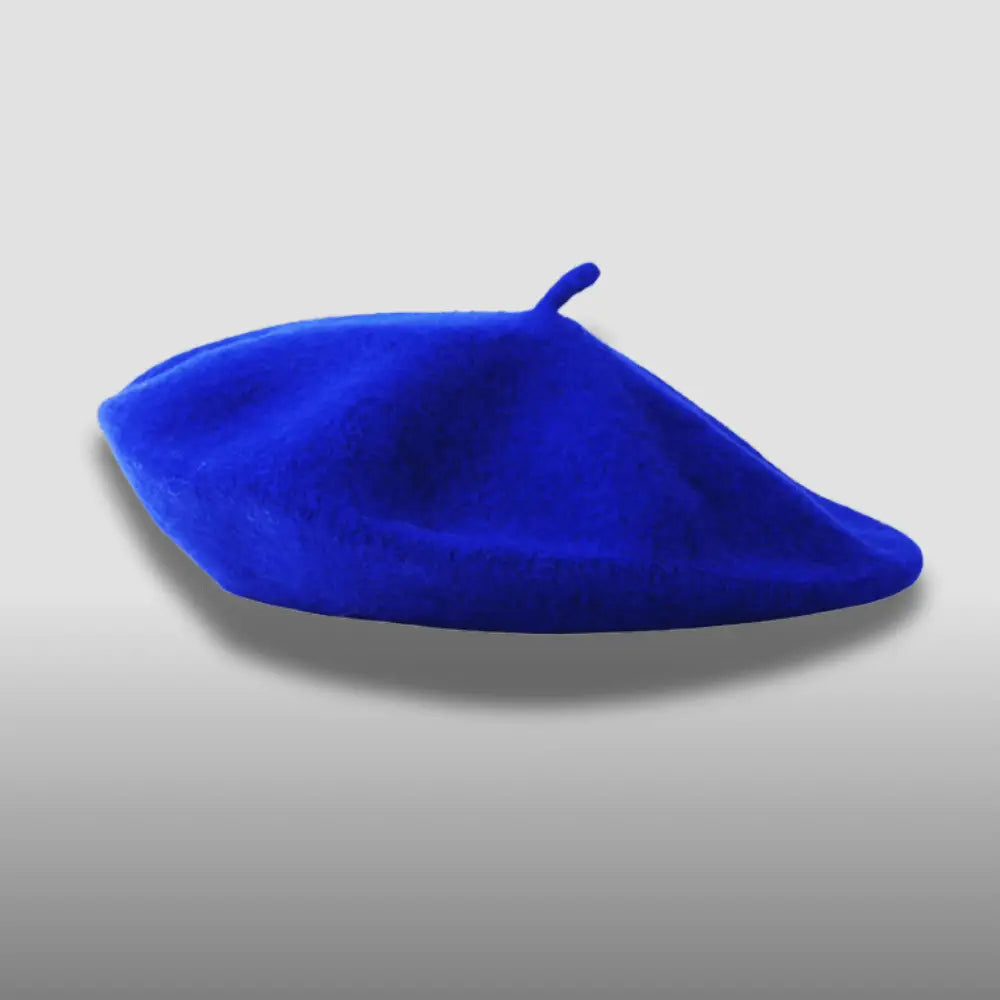
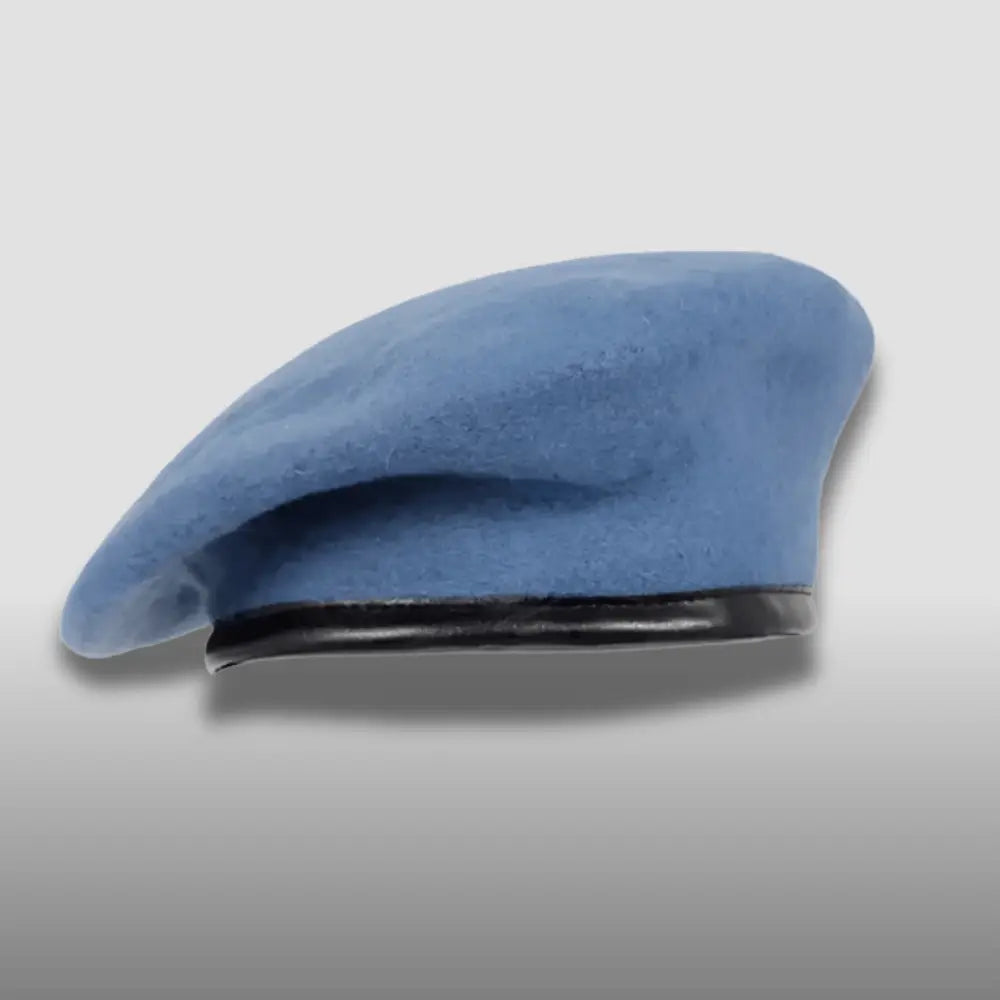
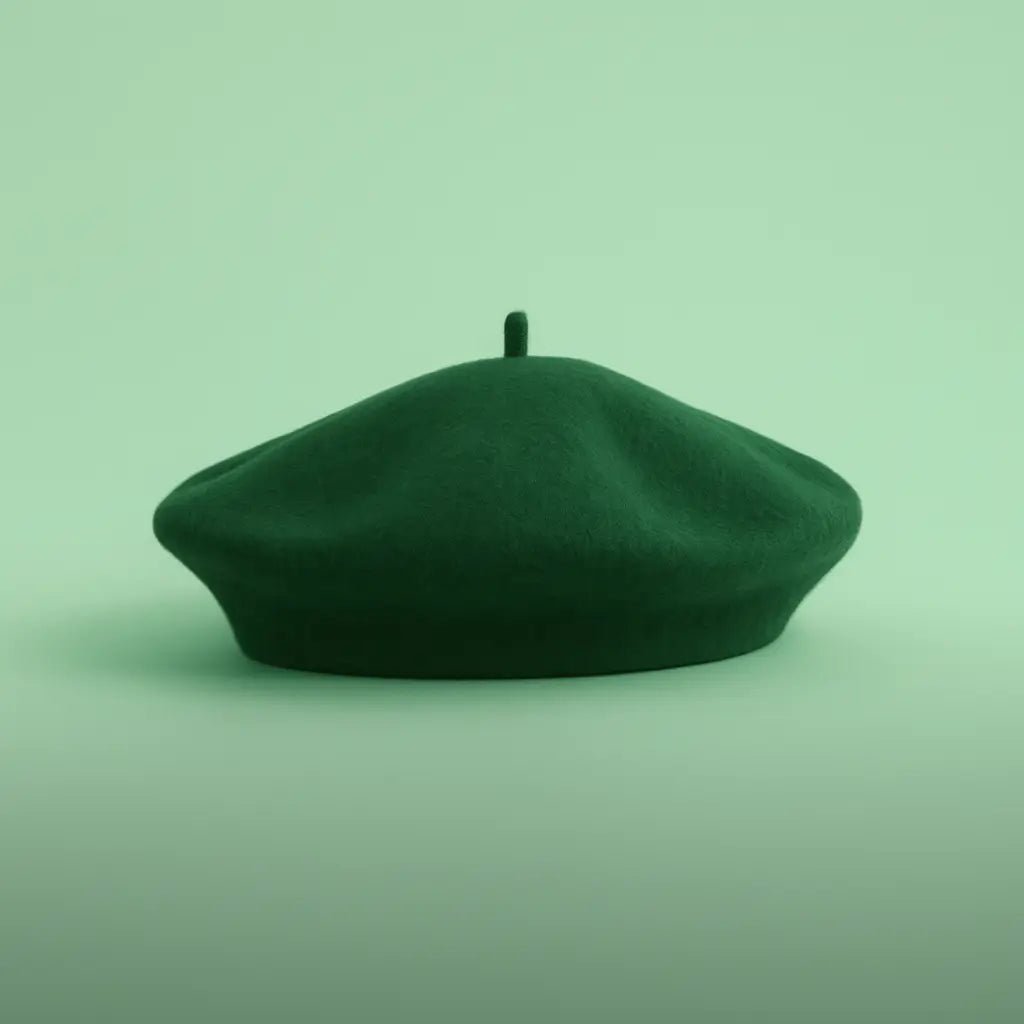
Short answer: "beret" already is the English word. There is no translation to look up, because English simply borrowed the French word and kept it as is, spelling and all. It joined English the way "ballet" and "bouquet" did: pronunciation softened slightly, spelling untouched.
I am Camille, and I have shaped berets by hand in the Béarn tradition for most of my life, so the word is one I have said in both languages my whole career. Here is where it actually comes from, how English speakers say it differently from French speakers, and the hats people sometimes mix it up with.
- "Beret" is already the English word. It is a direct loanword, not a translation.
- It comes from French béret, which traces back to the Béarnais dialect word berret.
- English speakers usually say it "buh-RAY," softer than the French pronunciation.
- "Tam," "newsboy cap" and "flat cap" get used loosely for it, but each is a different hat.
- The spelling never changed crossing into English, only the way it is spoken.
Beret and its look-alike words
A few other hat names get confused with beret in casual conversation. Here is how they actually differ.
| Word | Origin | Same hat as a beret? |
|---|---|---|
| Beret | French, from Béarnais berret | Yes, this is the word |
| Tam o'shanter | Scottish | No, has a bobble and tartan pattern |
| Newsboy cap | English | No, has panels and a small brim |
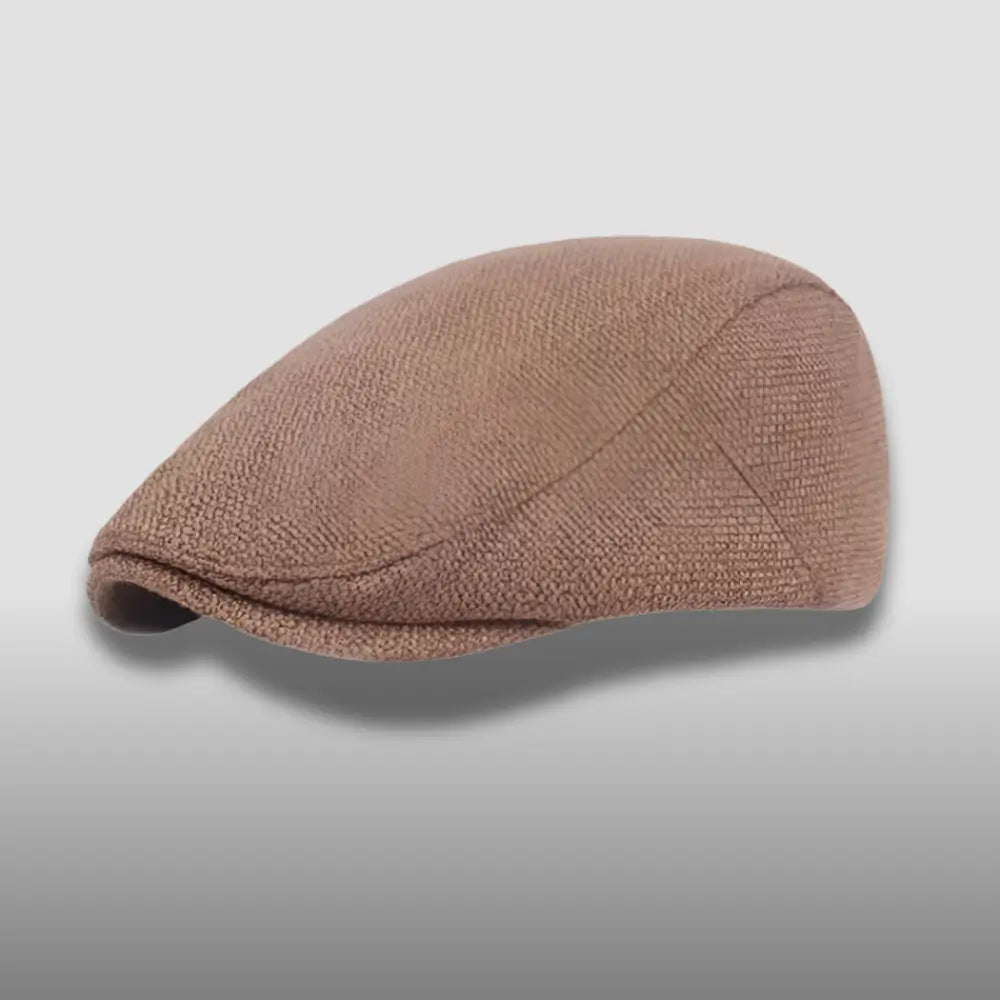
| Flat cap | English | No, stiffer, with a brim at the front |
Where the word actually comes from
The English word beret entered the language in the 19th century, borrowed whole from French béret. The French word itself is older, coming from the Béarnais dialect berret, meaning cap, spoken in the Pyrenean region where the hat itself was first made by shepherds. So the word made the same journey the hat did: from a small mountain region, into French, and then into English without needing to change.
Who uses the word this way
English speakers everywhere use "beret" without translating it, the same way they keep "croissant" or "café" as loanwords. It is simply the correct name, in any English-speaking country.

★★★★★ 4.8 · 61 reviews
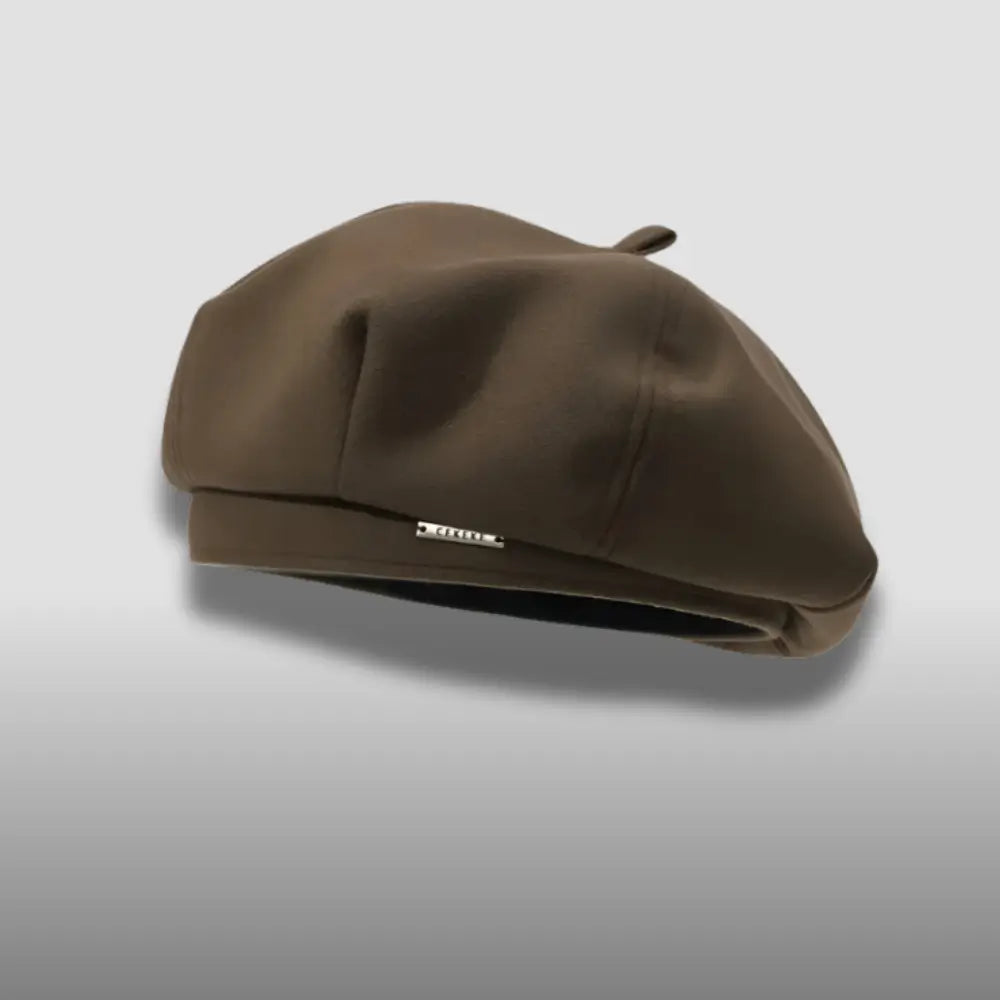
Chocolate Brown Beret
Soft, smooth brown with a suede-like finish. The word beret describes this hat in any English-speaking country, unchanged.
Shop now · $45How to pronounce it in English
In English, most people say it "buh-RAY," with the stress on the second syllable and a soft "ay" sound at the end, closer to "day" than to "et." French speakers pronounce it slightly differently, with a lighter first syllable and no hard "t" sound at all. Neither is wrong. English simply adapted the sound the way it adapts most borrowed French words. For the full breakdown with more examples, see our pronunciation guide.
If you are unsure how to say it out loud, "buh-RAY" is the safe, widely understood English pronunciation. Save the French version for when you are actually speaking French, it will sound out of place mixed into an English sentence.
Words people confuse with beret
None of the hats people sometimes swap in for beret are actually the same garment. A tam o'shanter has a bobble and a looser, tartan-patterned crown. A newsboy cap is built from stitched panels with a small brim and a button on top. A flat cap is stiffer still, with structure a beret never has. If you want the fuller comparison, our guide to other words for beret lays out every near-synonym side by side.

Who mixes these words up most
Shoppers new to hats searching online, and casual conversation where "beret" gets used as a catch-all for any soft round cap, even when the hat pictured is something else entirely.

★★★★★ 4.8 · 62 reviews
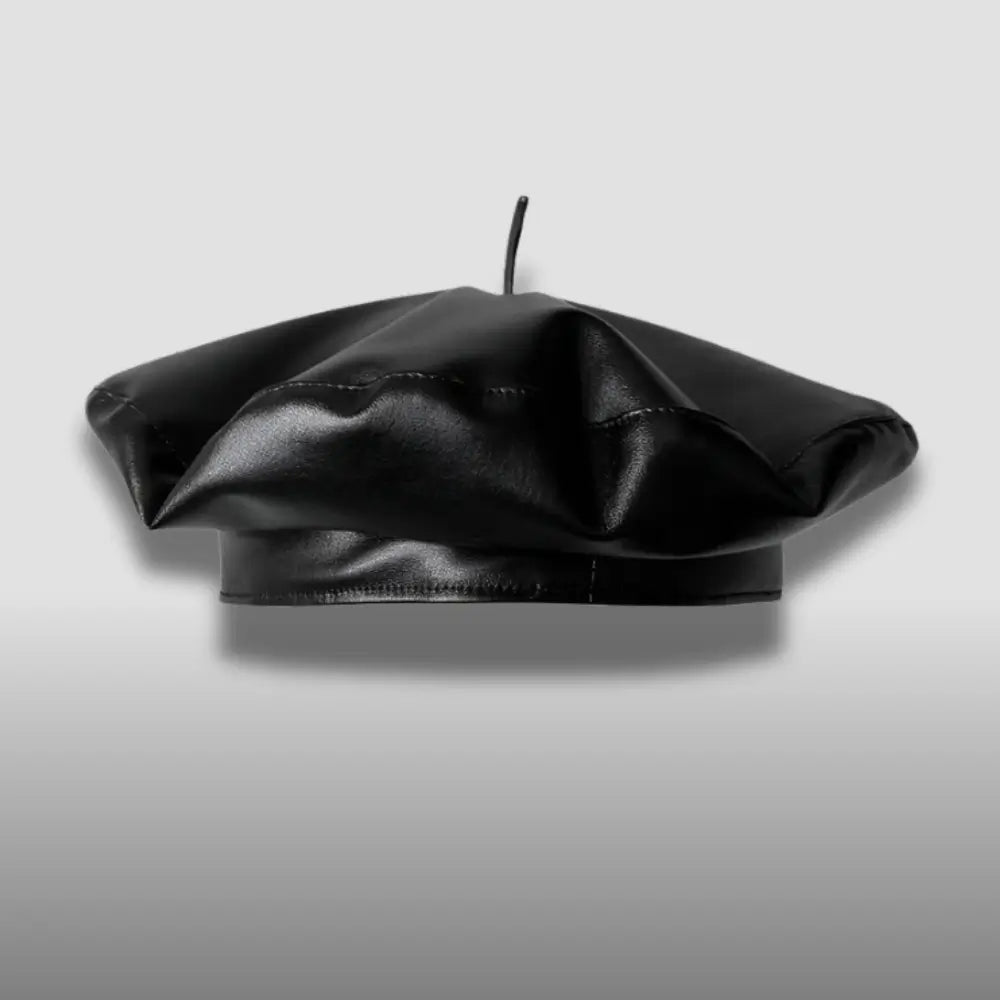
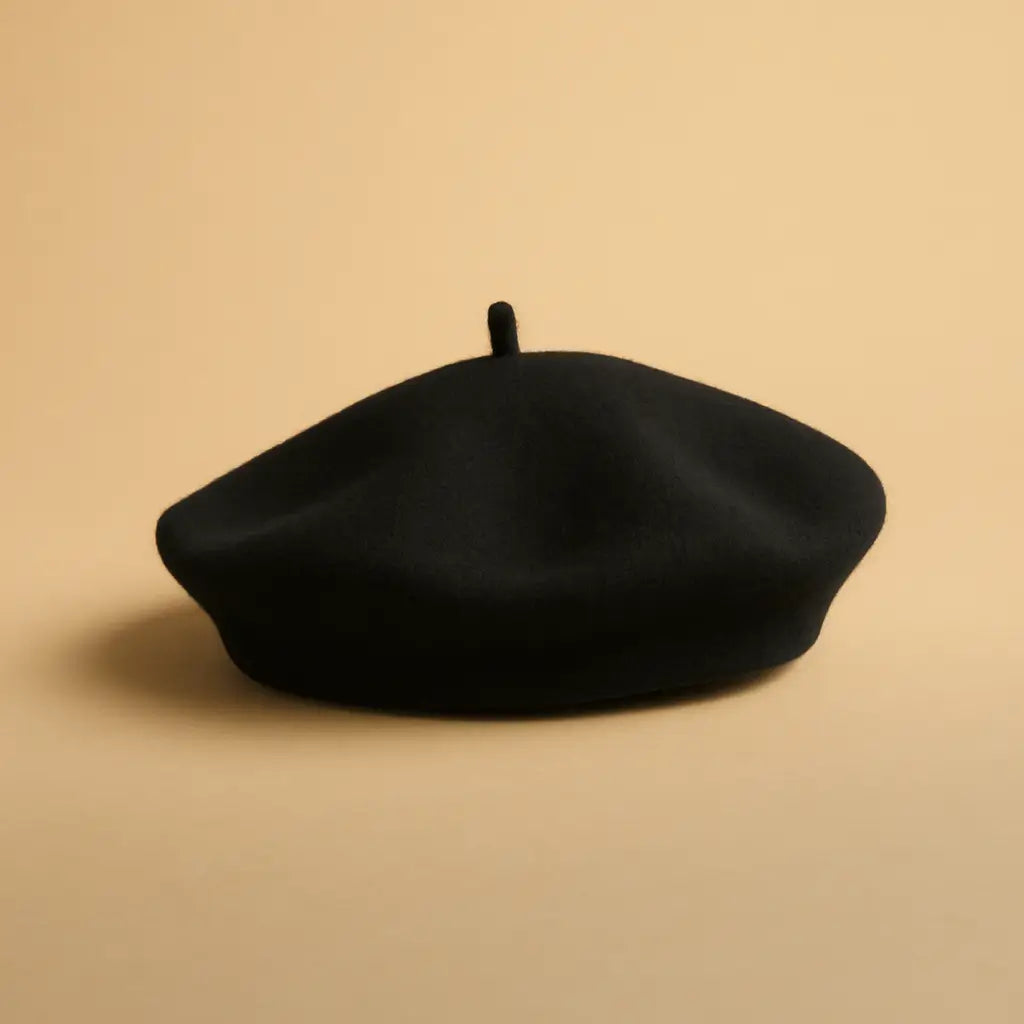
Black French Beret
Sleek matte wool in the true beret construction, no bobble, no brim, no panels. Just the real thing.
Shop now · $39Quick reference: getting the word right
- Writing it: spell it "beret," no accent needed in English.
- Saying it: "buh-RAY" is the standard English pronunciation.
- Describing a different hat: use "tam," "newsboy cap" or "flat cap" instead, not beret.
- When in doubt: if it has no brim, no bobble and no panels, beret is the correct word.
Caring for the beret behind the word
- Brush wool and felt gently to keep the surface fresh.
- Keep it dry and away from direct heat.
- Store on a rounded surface so the crown keeps its shape.
Do not machine wash or tumble dry a wool beret to "match" the casual way the word gets tossed around online. The hat itself needs real care, whatever you call it.
Frequently asked questions
Both. It is a French word that English borrowed directly, unchanged in spelling. English speakers use it as their standard word for the hat, not as a foreign term.
Most English speakers say "buh-RAY," stressing the second syllable with a soft "ay" ending. It differs slightly from the French pronunciation, and that is normal for a loanword.
From the Béarnais dialect word berret, meaning cap, spoken in the Pyrenean region of southwest France where the hat itself was first made.
No. A tam o'shanter has a bobble and a looser, often tartan-patterned crown. It shares a rough silhouette with a beret but is a distinct Scottish hat.
No. English drops the acute accent from the French béret and simply writes it "beret."
So the next time someone asks what beret means in English, the answer is simple: it already is English. The word crossed over from a small corner of southwest France and never needed translating, only a slightly softer way of saying it.


Worn well, never overthought.
Camille