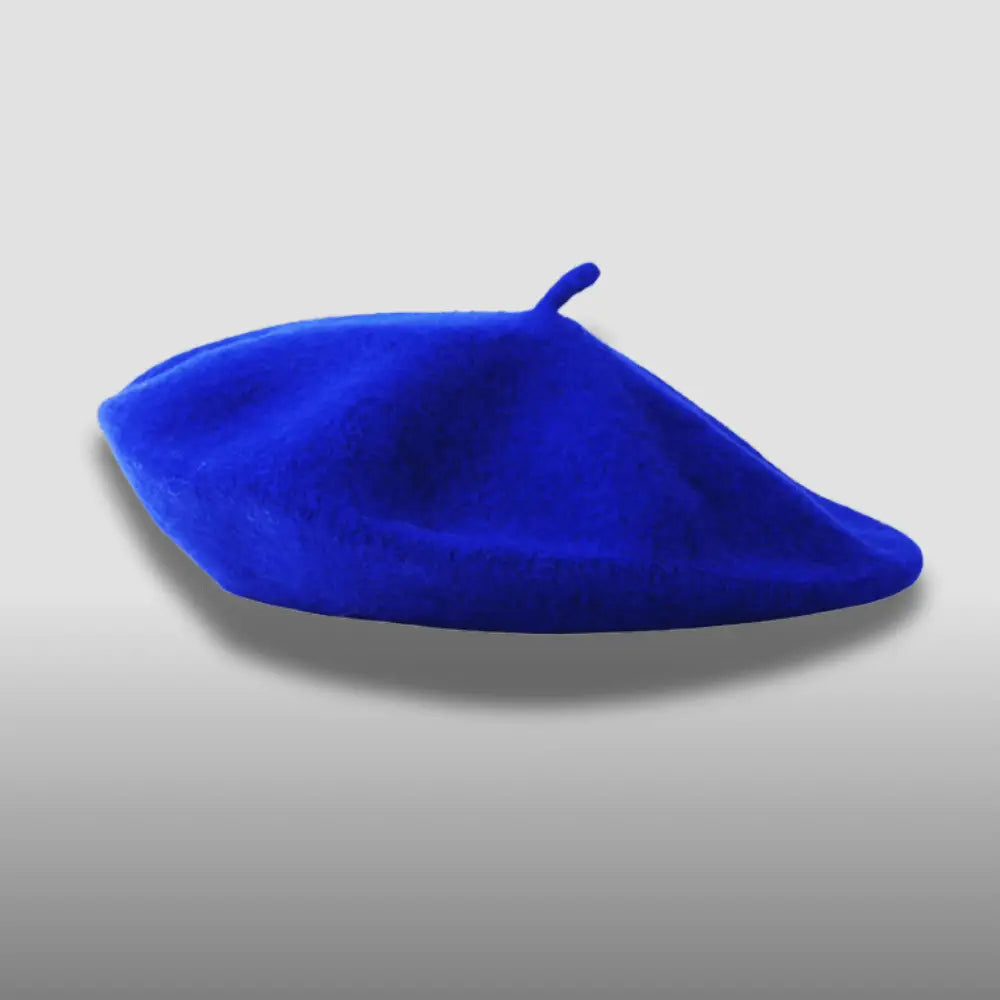
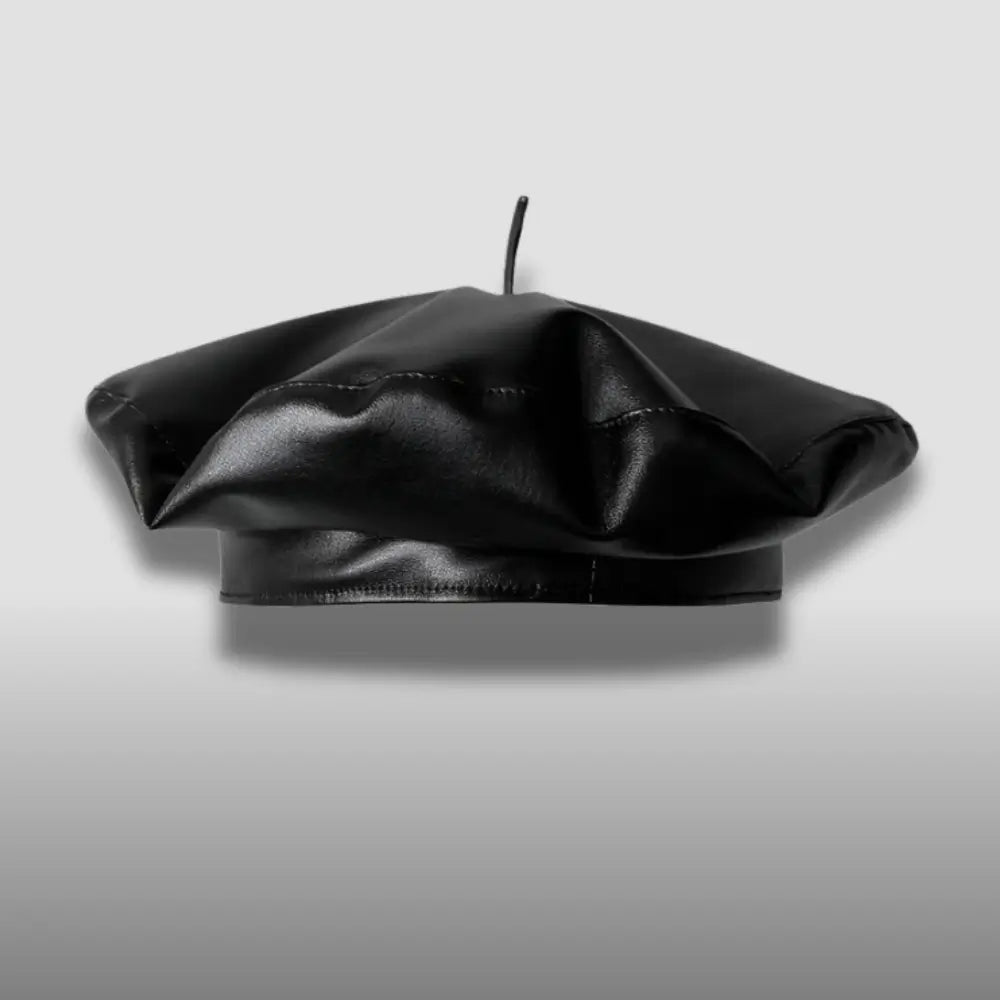
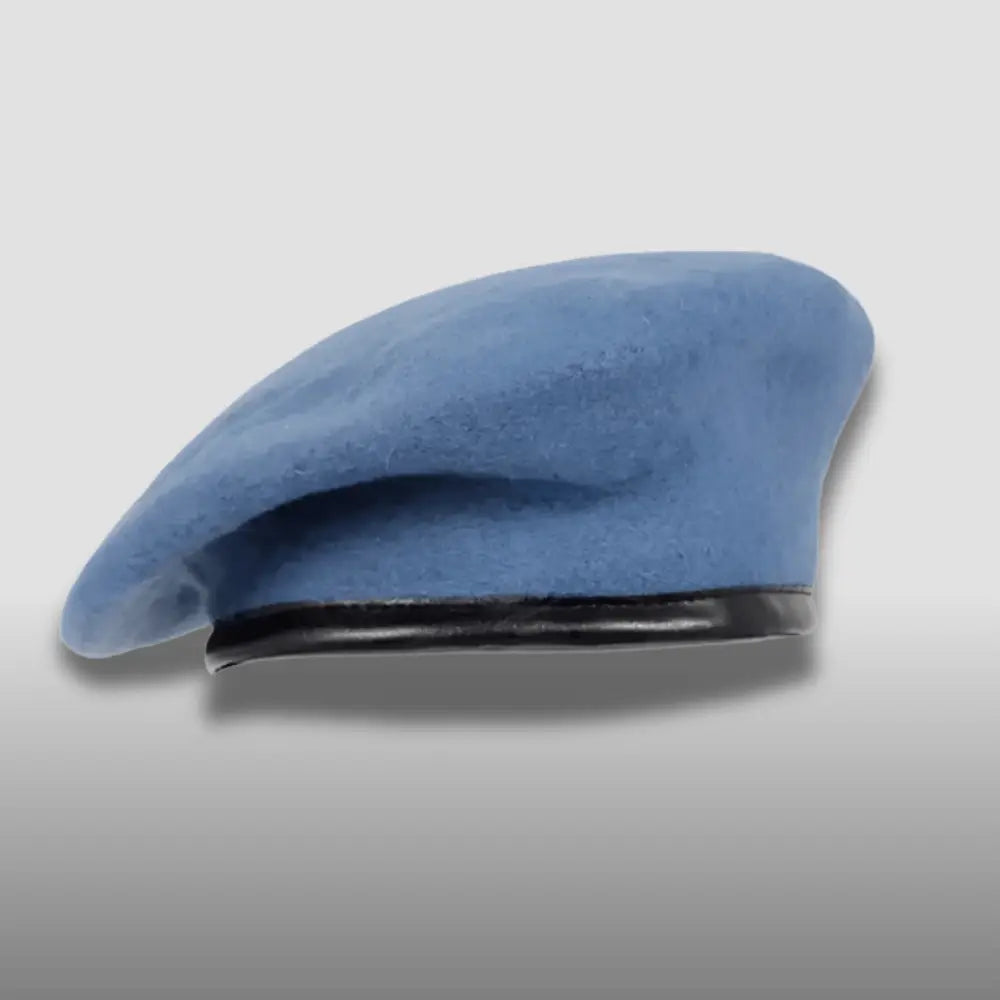
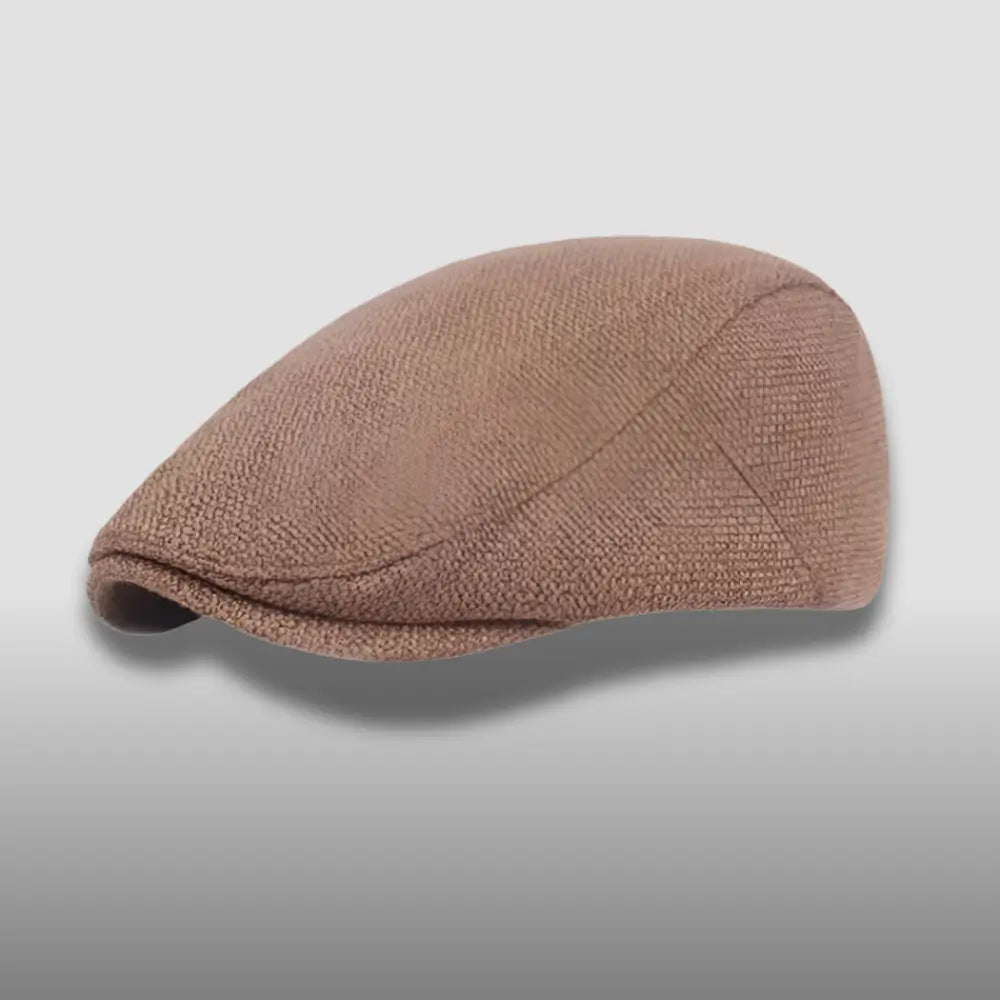
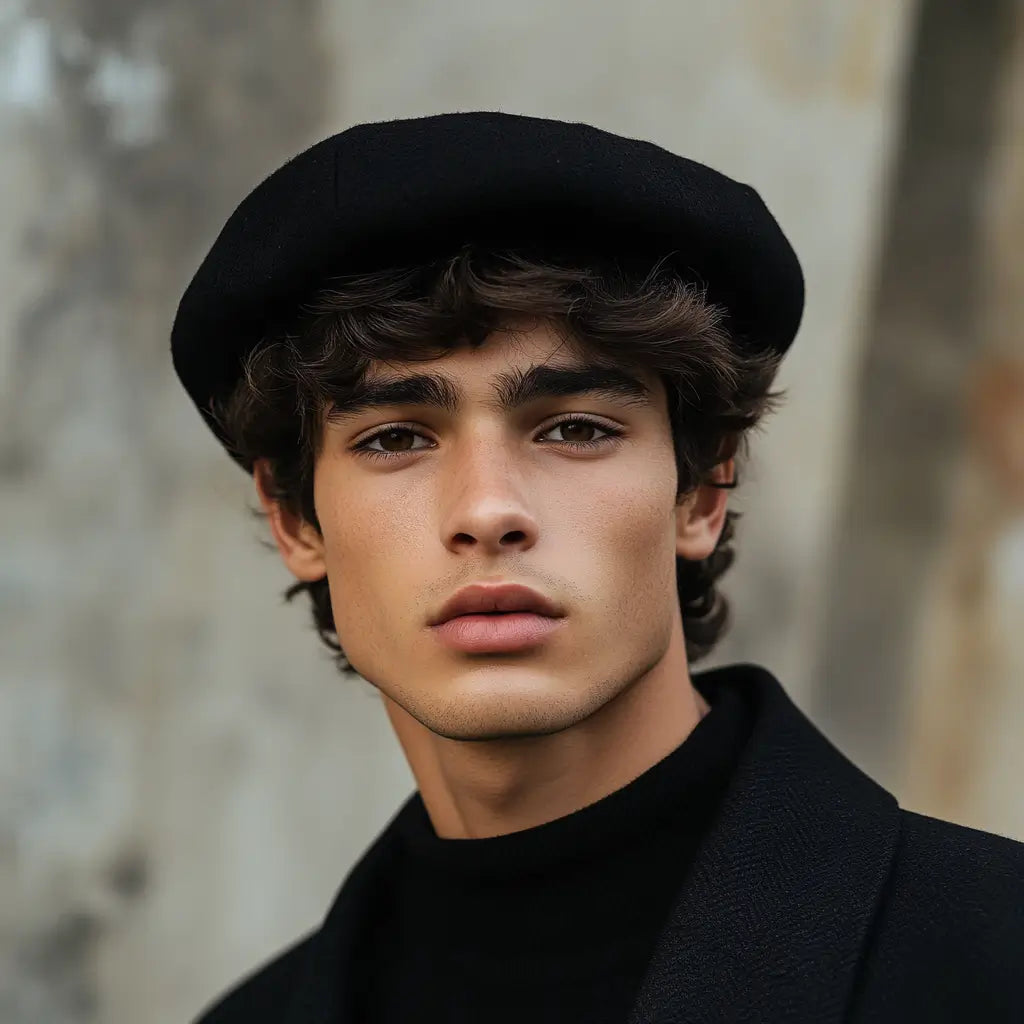
Short answer: a beret is good for easy, cool-weather hikes, but it is not a replacement for a proper hat in storms or strong sun. A wool beret is warm, breathable, light and folds flat into a pocket, which suits a gentle trail beautifully. What it lacks is a brim and any real waterproofing.
I am Camille, and I shape and finish wool berets by hand, so I know exactly what the material does once the weather turns. Here is where a beret works on the trail, where it quietly gives up, and how to choose one that earns its place in your pack.
- A wool beret is great for cool, dry, easy hikes: warm, breathable and packable.
- It is not enough on its own in heavy rain, snow or strong midday sun.
- Wool beats acrylic outdoors, because it still insulates when slightly damp.
- The snug band keeps it on through movement, and it folds flat into a pocket.
- Carry a hood or a brimmed hat as backup when the forecast looks unsure.
The short answer
Short on time? This is how a beret handles the conditions you actually meet on a walk. The material and fit detail come right after.
| Condition | Beret verdict | What to do |
|---|---|---|
| Cool, dry trail | Great | Wool beret, tilted back off the brow |
| Light rain or drizzle | Fine for a while | Wool sheds a little, add a hood |
| Strong midday sun | Weak | No brim, so add a cap or sunscreen |
| Heavy rain or snow | Not enough | Switch to waterproof gear |
Why a beret works on the trail
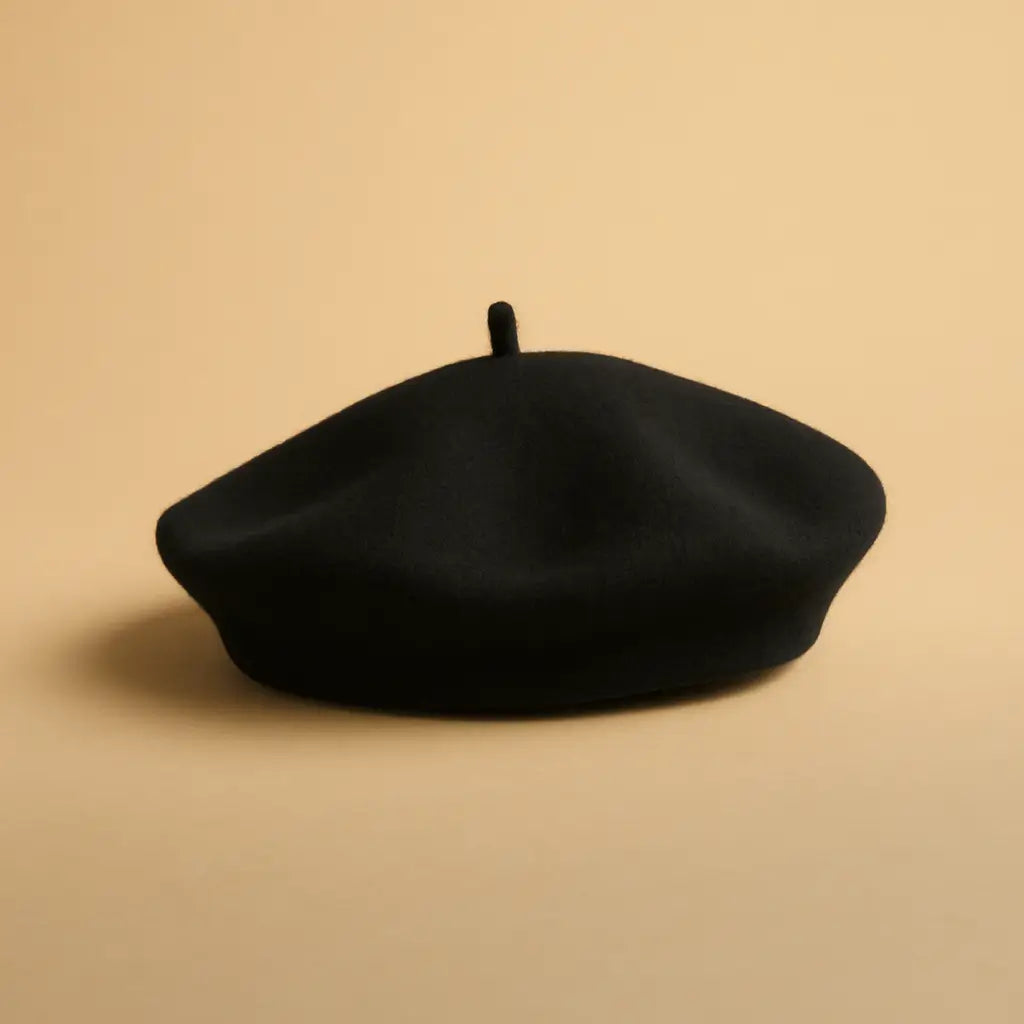
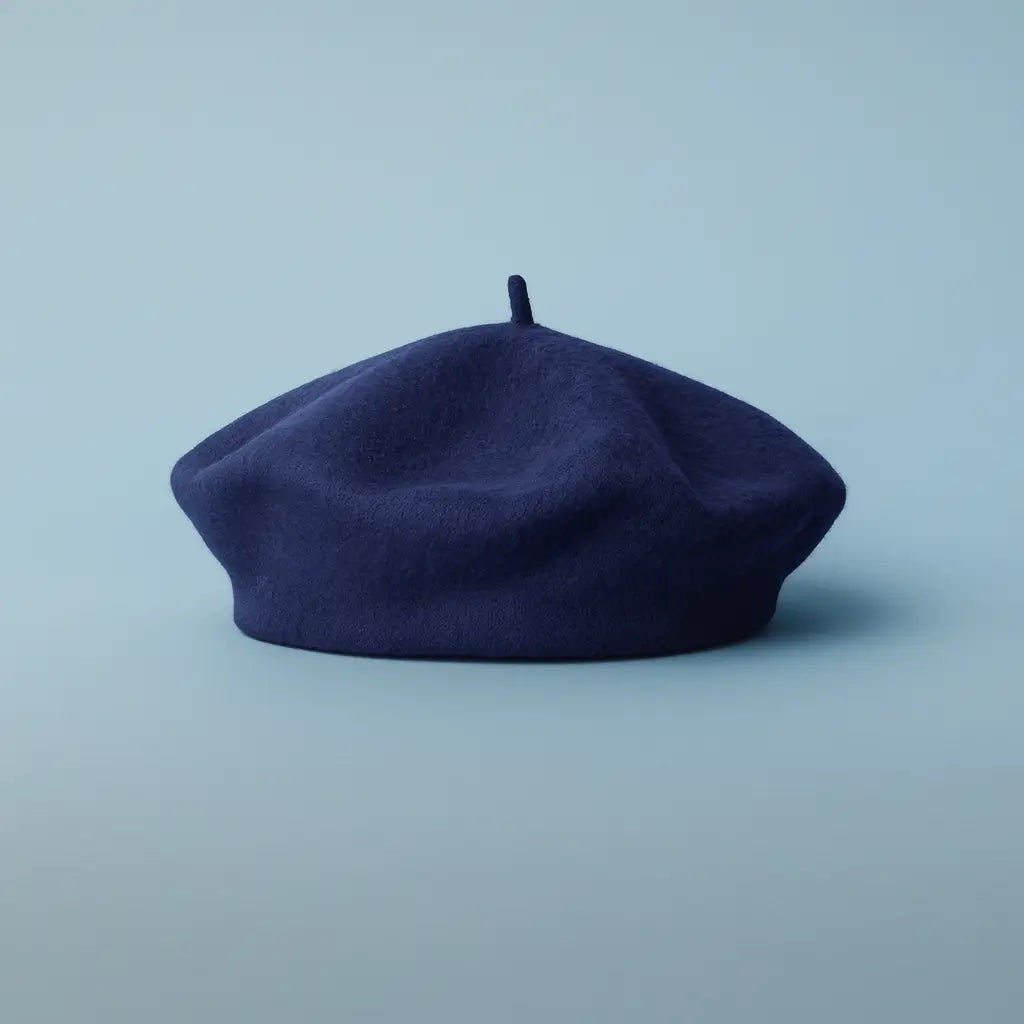
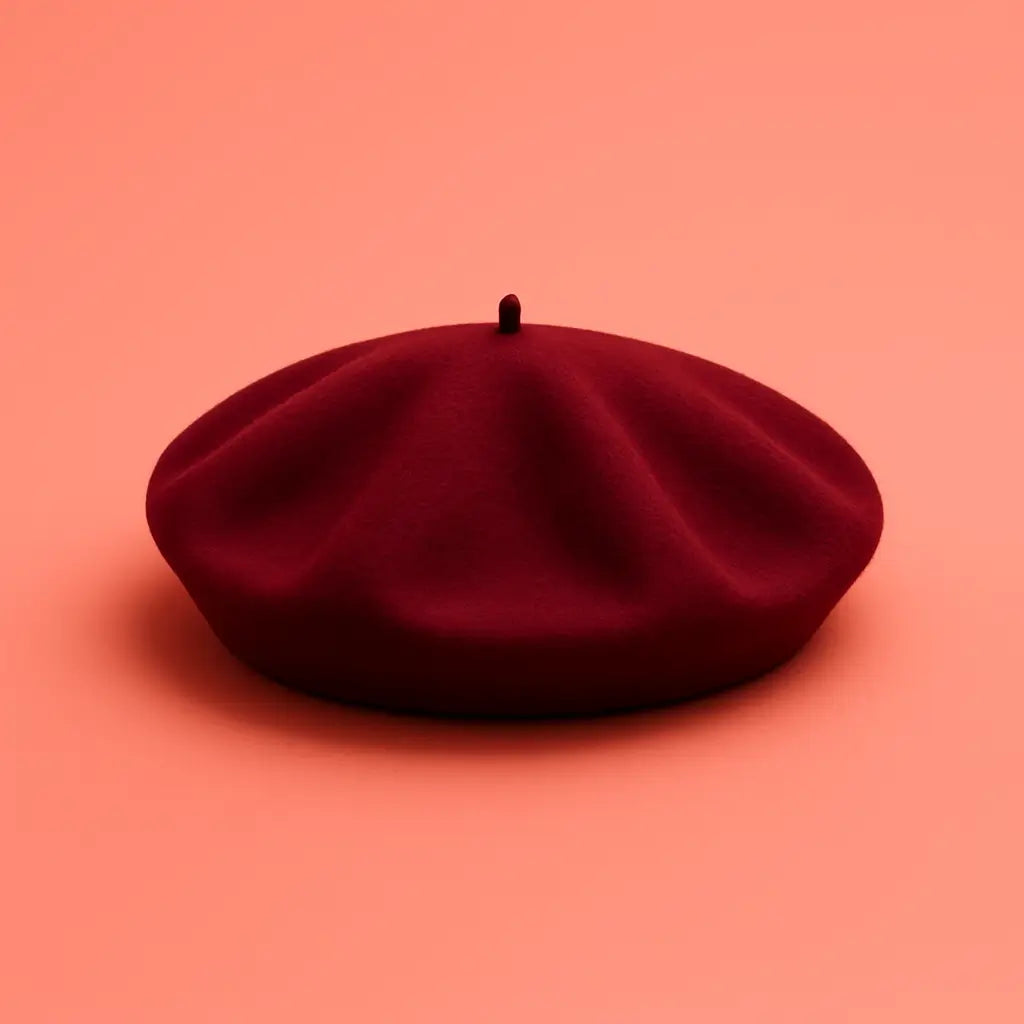
A wool beret does three useful things at once. It keeps your head warm without trapping heat, because wool breathes as it insulates. It weighs almost nothing and folds flat, so it lives in a jacket pocket until you need it. And the soft crown moulds to your head instead of bouncing around like a stiff cap.
Warmth is the real reason to reach for one. On a crisp morning walk a beret holds heat where a bare head loses it fastest, and it layers neatly under a hood if the wind picks up. If you want a fuller sense of how berets carry through the year, we cover it in wearing a beret in different seasons.
Who a hiking beret suits best
Day hikers and dog walkers, anyone who wants one warm hat that packs down to nothing, and people who like to look pulled together at the trailhead café afterwards.

★★★★★ 4.8 · 89 reviews
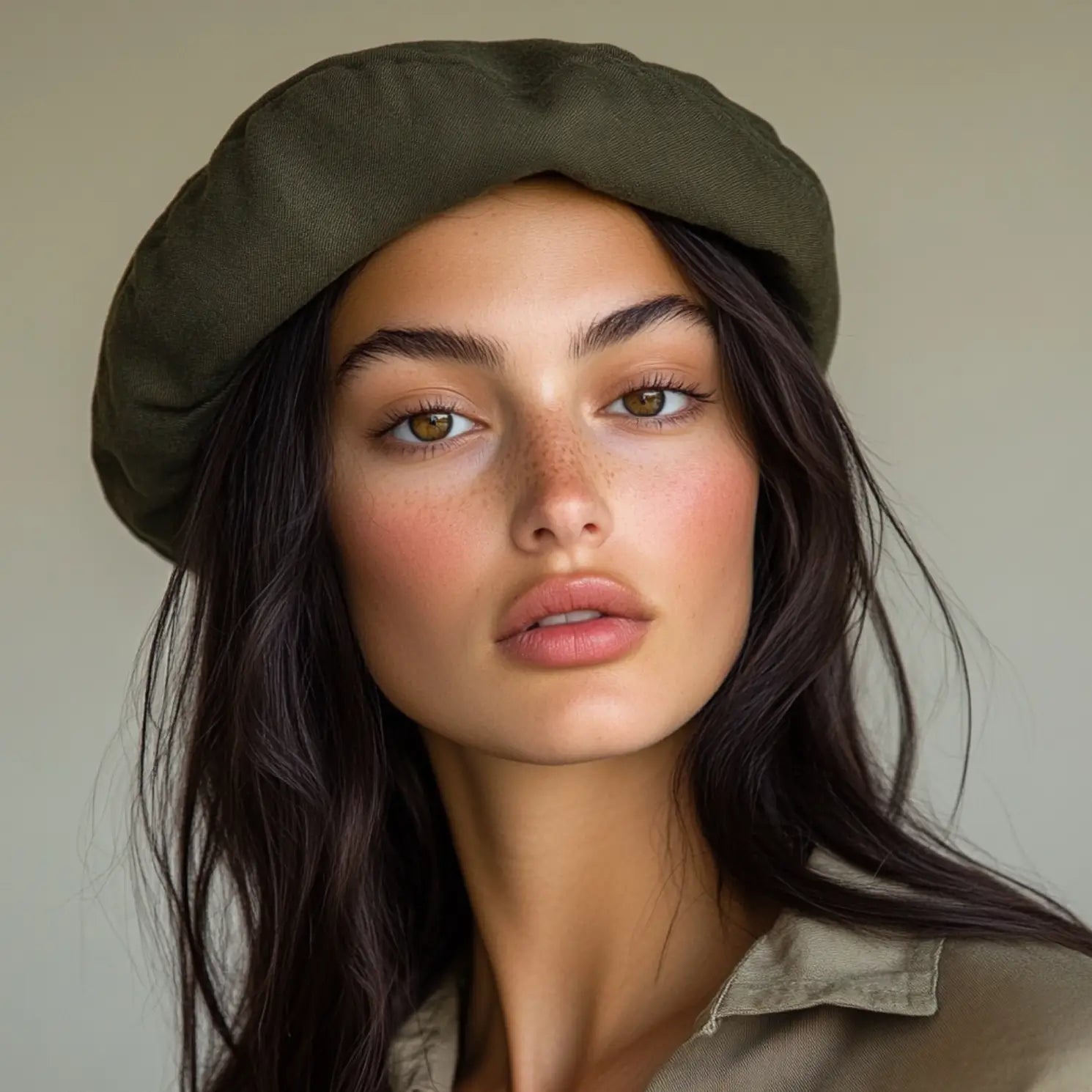
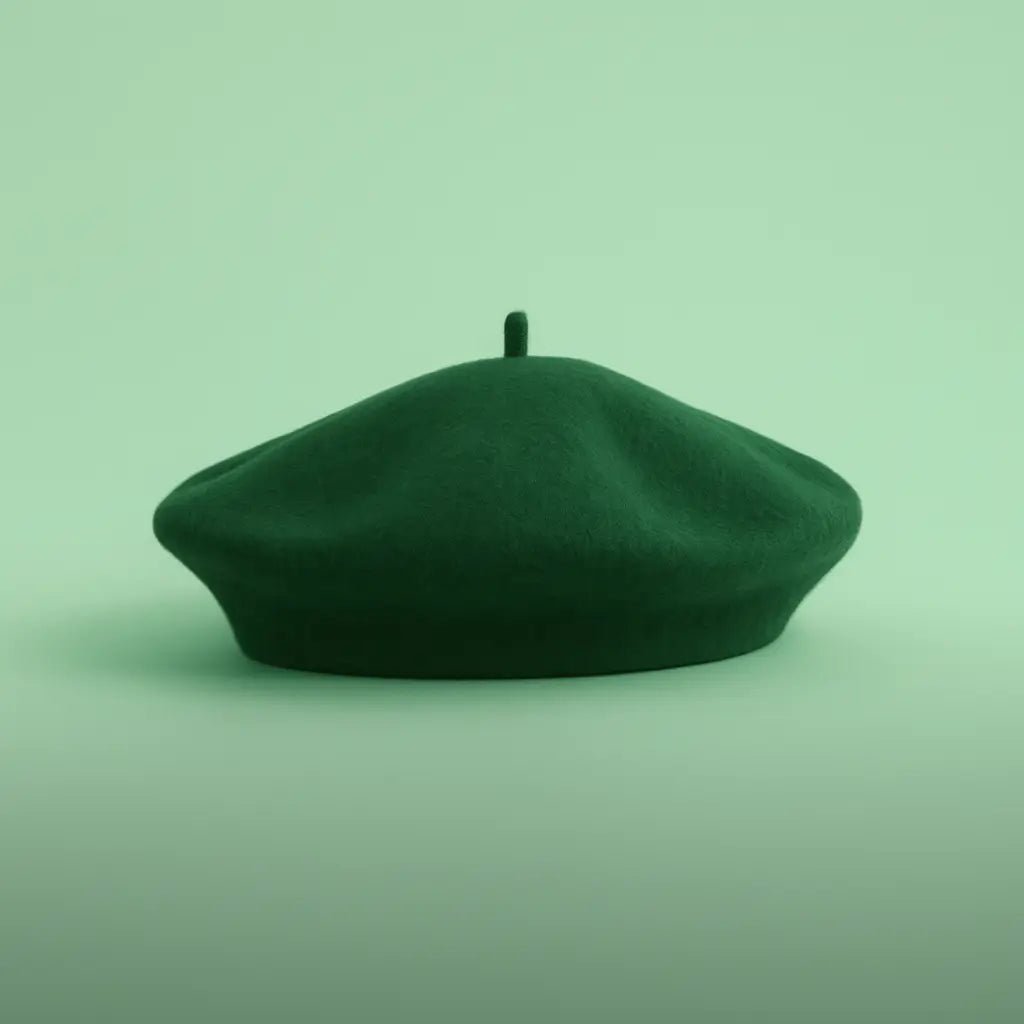
French Green Beret
Soft deep green wool that blends straight into an outdoor palette. Warm, breathable and easy to fold into a pocket.
Shop now · $45Choose wool over acrylic for the trail. Wool keeps insulating even when it picks up a little damp from mist or sweat, while acrylic feels clammy the moment it gets moist. On colder walks, wear the beret under your hood so it traps warmth and the hood keeps the rain off.
Where a beret falls short
The honest limits are sun and serious weather. A beret has next to no brim, so it does little for your face and neck when the sun is high. On a long, exposed summer climb you will still want a cap or a good layer of sunscreen underneath.
It is not storm gear either. Wool shrugs off a passing drizzle, but sustained rain soaks through and heavy snow needs something waterproof. For a closer look at how berets handle wet weather, we go into it in is a beret okay for rain.
- No brim, so limited shade for your face on bright days.
- Not waterproof, so a real downpour will get through.
- Light insulation only, so deep cold needs a thicker layer too.

★★★★★ 4.8 · 69 reviews
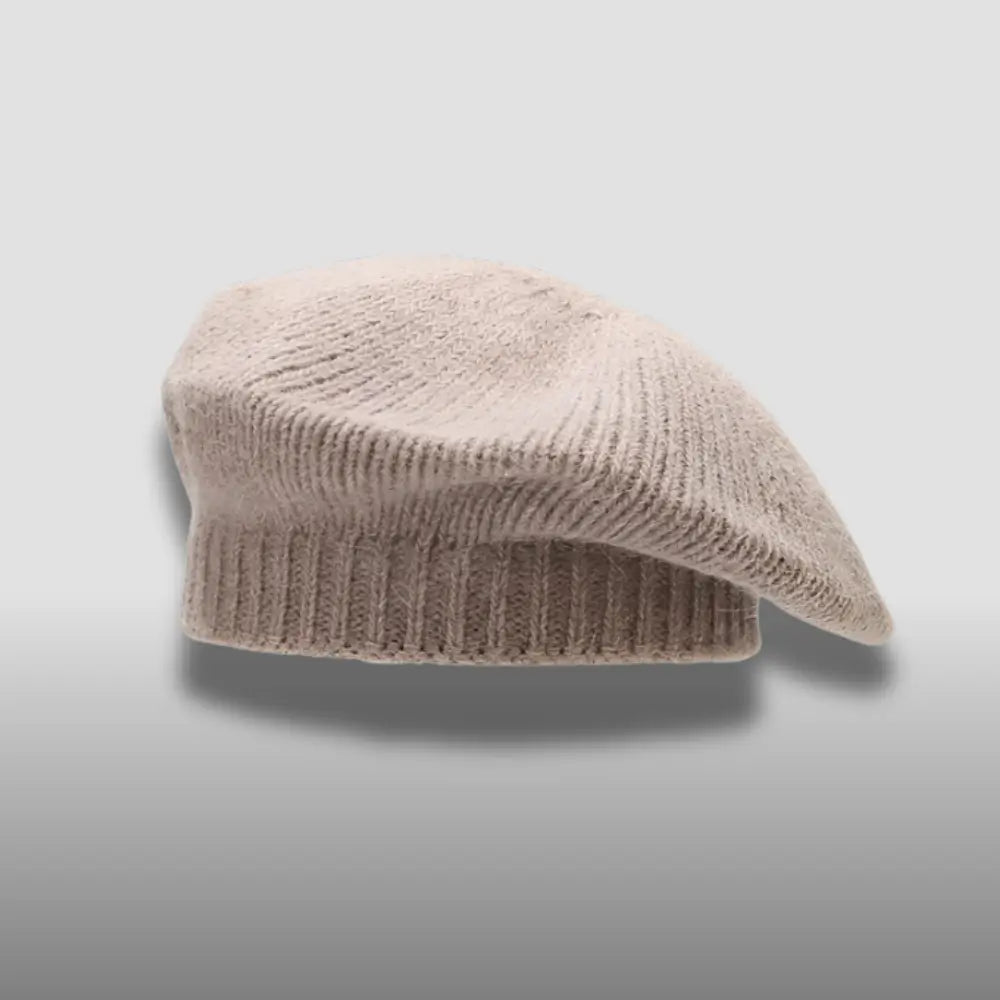
Khaki Beret
A soft tan that sits happily against greens and browns on the trail. Light, breathable and quick to pack down.
Shop now · $45Choosing a beret for hiking
A few small choices make a beret far more useful outdoors. Material comes first, then fit, then colour. Get those right and it earns a permanent spot in your pack.

Reach for wool rather than acrylic for warmth that keeps working when damp, and look for a snug elasticated band so it holds through a scramble. An earthy colour hides trail dust and blends into the landscape, and a soft crown that folds flat means you can stow it the moment you warm up.
- Material: wool for warmth that survives a little damp.
- Fit: a snug band that stays put when you move.
- Colour: earthy tones that hide dust and suit the outdoors.
- Pack size: a soft crown that folds flat into a pocket.
Who this suits best
Walkers who feel the cold, anyone building a light kit that still looks good, and people who want a warm hat in a colour that works far from the trail too.

★★★★★ 4.8 · 61 reviews
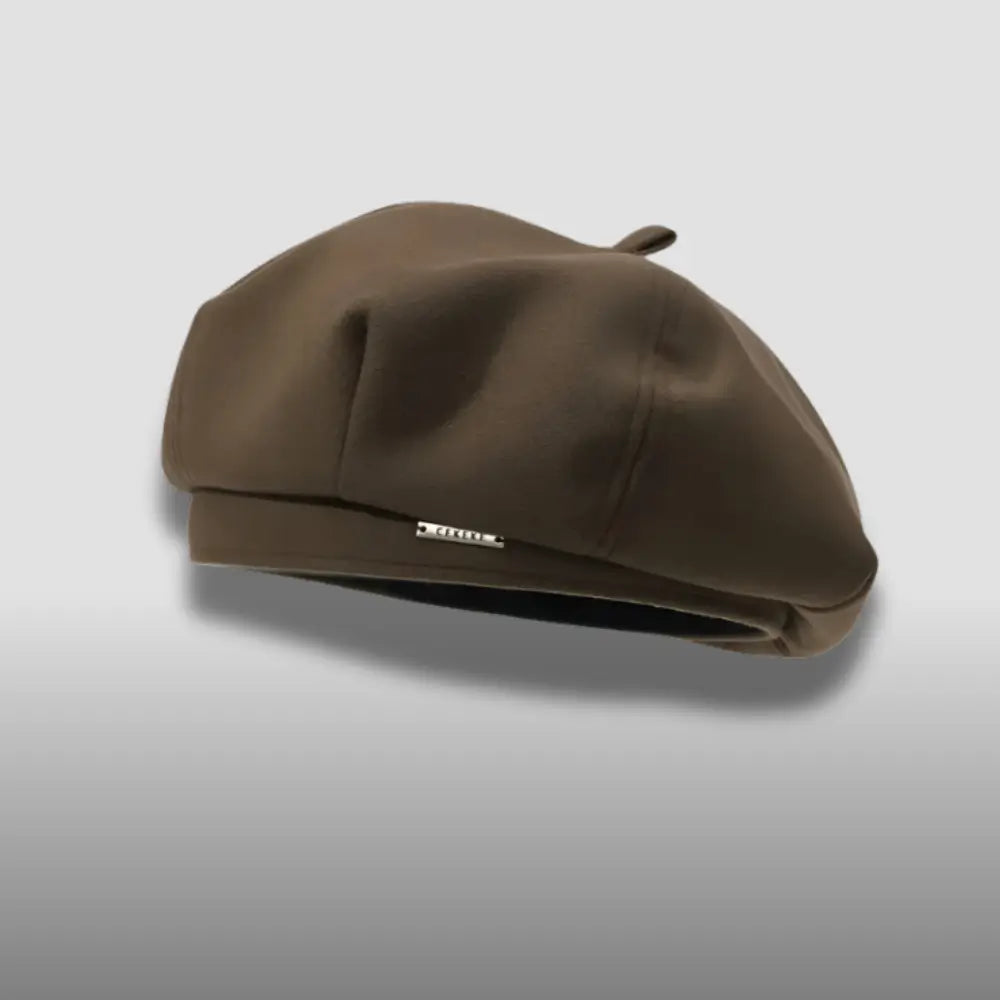
Chocolate Brown Beret
A deep, earthy brown wool that hides trail dust and pairs with everything from a fleece to a wool coat.
Shop now · $45Beret care after a hike
A wool beret rewards a little care once you are home, especially if it picked up damp or dust on the way.
- If it got wet, reshape the crown by hand and let it air dry flat.
- Brush off dried mud gently once it has dried, never while wet.
- Store it flat or lightly stuffed so the crown keeps its round shape.
Never dry a damp wool beret on a radiator or in a tumble dryer, and never wring it. Heat and agitation on wet wool cause it to felt and shrink, and a shrunk beret does not come back. Cool air and patience are the only safe way.
Frequently asked questions
For cool, dry, easy trails, yes. A wool beret is warm, breathable and packable. For heavy rain, snow or strong sun it needs help from waterproofs or a brimmed hat.
Wool. It keeps insulating even when it picks up a little damp, dries without feeling clammy, and handles trail wear better than acrylic.
Only briefly. Wool sheds a passing drizzle, but it is not waterproof. In sustained rain, wear a hood over the top or switch to proper rain gear.
Not much. With almost no brim it shades the top of your head but not your face or neck, so pair it with sunscreen or a cap on bright, exposed days.
Yes. The elasticated band grips gently and the low profile catches little wind, so a well-fitted beret stays put through most trail movement.
So, is a beret good for hiking? For a cool, dry ramble it is genuinely lovely: warm, light and ready to pack away the moment the sun comes out. Match the material to the weather, carry a backup for the extremes, and it will walk a long way with you.


Worn well, never overthought.
Camille