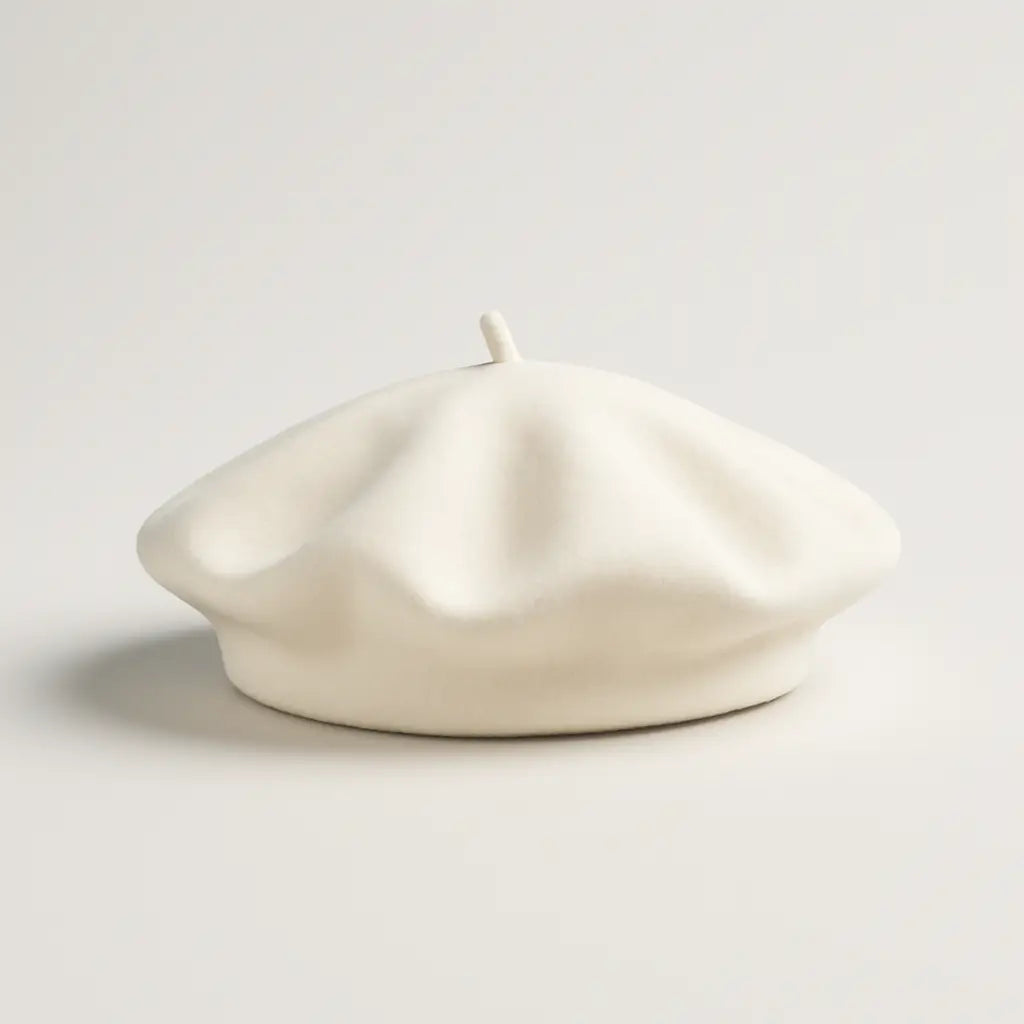
Short answer: no, wearing a beret is not cultural appropriation. The beret's Pyrenees origin was ordinary rural headwear, not a closed or sacred tradition, and France spent a century actively exporting it as fashion. Wearing one today, wherever you are from, sits closer to admiring a craft than taking something that was never meant to be shared.
I am Camille, and I have spent years shaping berets by hand in that same Béarn tradition. This question comes up often, so here is the honest, measured answer, along with what actually is worth being thoughtful about.
- Cultural appropriation typically involves a closed, sacred or minority practice worn without consent, credit or understanding.
- The beret began as ordinary working headwear, and France deliberately turned it into a global fashion export for over a century.
- Wearing a well-made beret respectfully, without mockery or costume framing, reads as appreciation rather than appropriation.
- Buying from makers who still work in the Béarn tradition is one real way to support the craft behind it.
- The line worth watching is disrespect, not the simple act of wearing the hat.
Respectful wear versus disrespectful use
Short on time? This is the practical difference in how a beret gets worn, side by side.
| Behaviour | How it reads |
|---|---|
| Wearing a well-made beret as part of a normal outfit | Everyday style, no issue |
| Wearing one to research or reference French style deliberately | Genuine appreciation |
| Wearing a cheap costume version with an exaggerated accent or props | Stereotype, worth avoiding |
| Using it as a punchline or mockery of French identity | Disrespectful, the actual line to avoid |
Where the concern comes from
Cultural appropriation as a concept usually applies when a dominant group takes an element from a marginalized or closed culture, strips out its meaning, and profits from or mocks it while the originating community still faces stigma for the same practice. That pattern shows up with items tied to specific sacred, ceremonial or minority identities.
The beret does not fit that pattern well. Its origin in the Béarn and Basque Pyrenees was practical farm headwear, not a closed or sacred practice, and the group most associated with popularizing it globally, French fashion houses and Parisian culture, was the dominant exporter, not a marginalized group having its identity taken.
Who this question tends to worry most
Thoughtful shoppers who genuinely want to wear things respectfully, and who would rather ask first than assume. That instinct is a good one, even when this particular hat turns out to be an easy yes.

★★★★★ 4.8 · 60 reviews
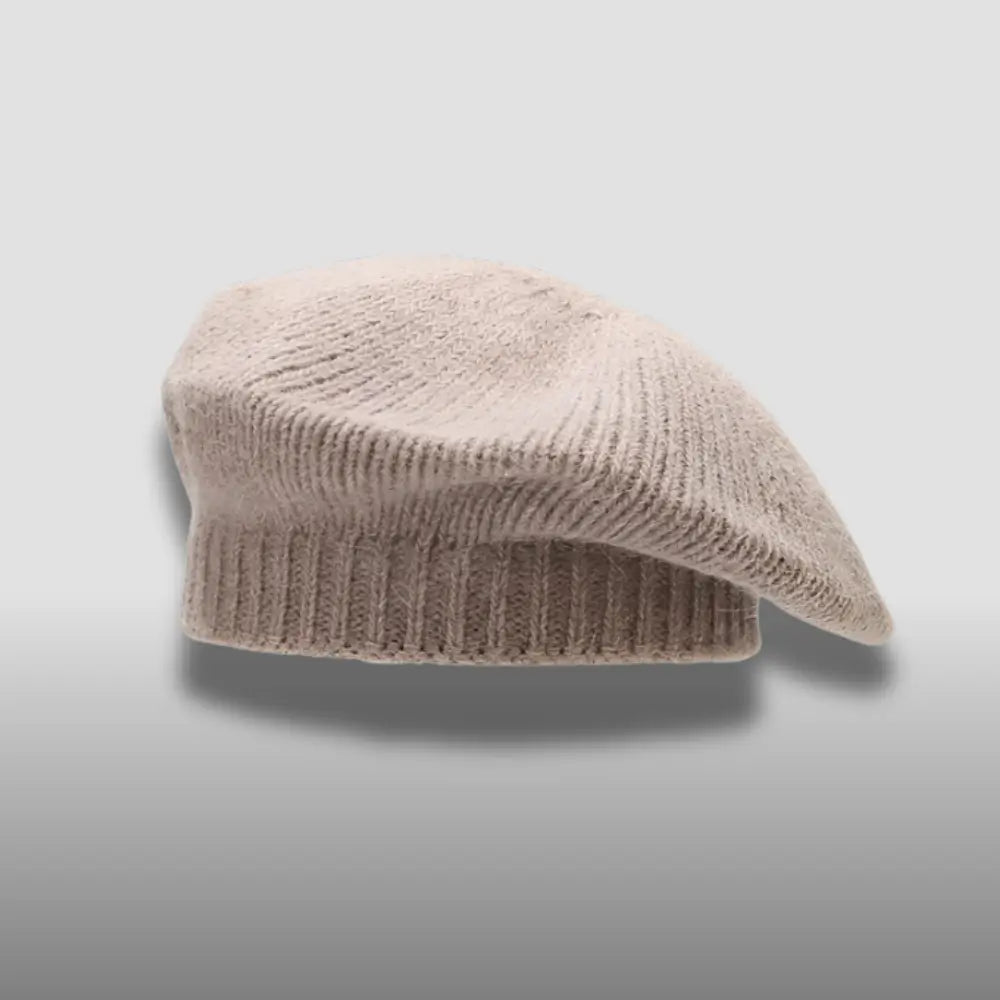
Beige Wool Beret
Simple, honest wool construction close to the beret's original working design. A respectful, understated place to start.
Shop now · $45If you want your beret to genuinely support the craft rather than just the look, choose real wool over synthetic and buy from a maker who still shapes the crown by hand. That is a more meaningful gesture than worrying over whether you are allowed to wear one.
Why most fashion historians do not call this appropriation
The beret spent the twentieth century as a deliberate French export, not a guarded secret. Fashion houses, tourism boards and French film all pushed the beret outward as a symbol people from anywhere could adopt, which is a very different pattern from a practice being taken against a community's wishes. Our piece on are berets French goes into how central that export effort really was.
That does not mean nothing about it deserves care. It means the care belongs at the level of manner, not permission. Wearing a beret with real intention, not as a punchline about French people, is the actual standard worth holding yourself to.
Who this history speaks to most
Anyone who already loves French style and wants to wear a beret with full confidence, knowing the history behind it invites rather than excludes them.

★★★★★ 4.9 · 75 reviews
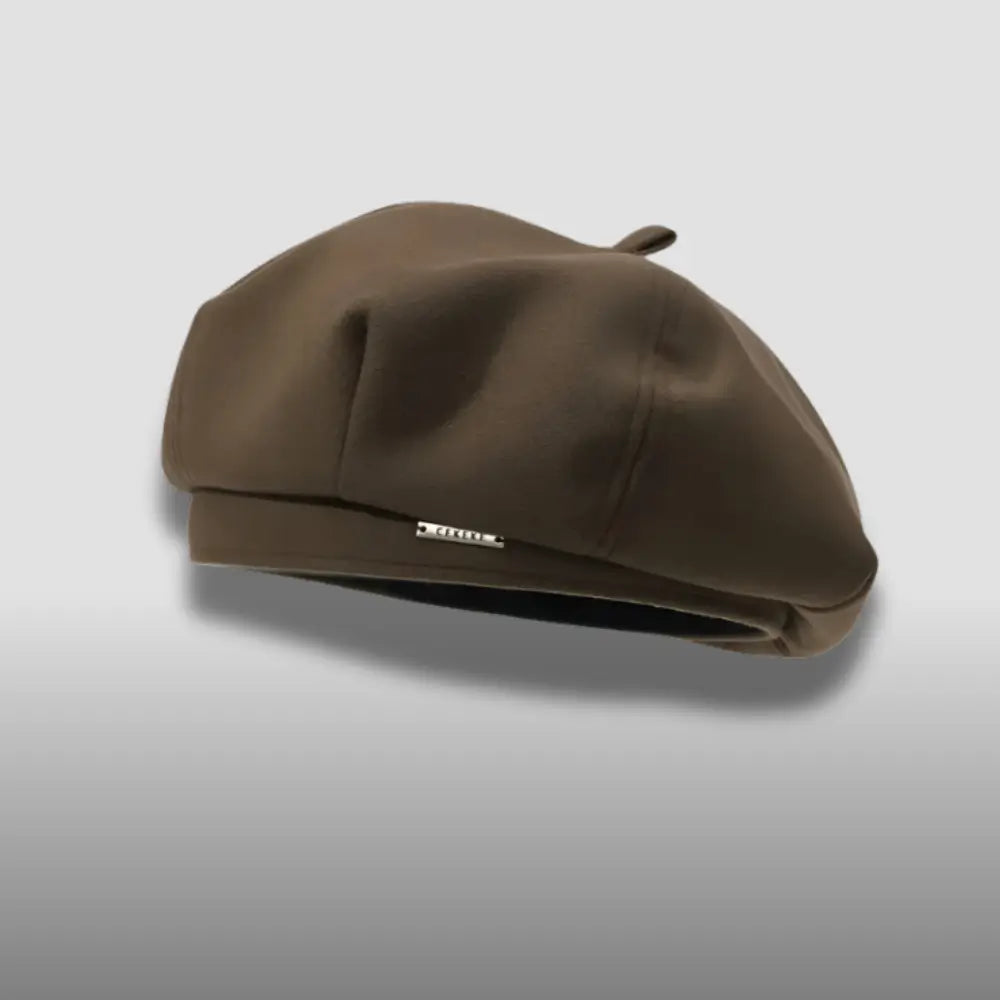
Navy Blue Beret
A soft, versatile shade that wears with total ease, no explanation required. One of our most-loved everyday colours.
Shop now · $45How to wear a beret respectfully
The guidelines here are simple and mostly come down to intent. Wear it the way you would wear any considered piece of clothing, learn a little about where it comes from if you are curious, and skip the exaggerated accent or costume framing that turns a hat into a punchline. Our piece on who can wear a beret covers this from a fit and styling angle rather than a cultural one.
Beyond that, there is genuinely very little to worry about. This is a hat with a long, well-documented history of being shared on purpose.
Who suits a considered everyday beret
Anyone building a simple, versatile wardrobe who wants one piece that adds polish without drawing attention for the wrong reasons.

★★★★★ 4.8 · 62 reviews
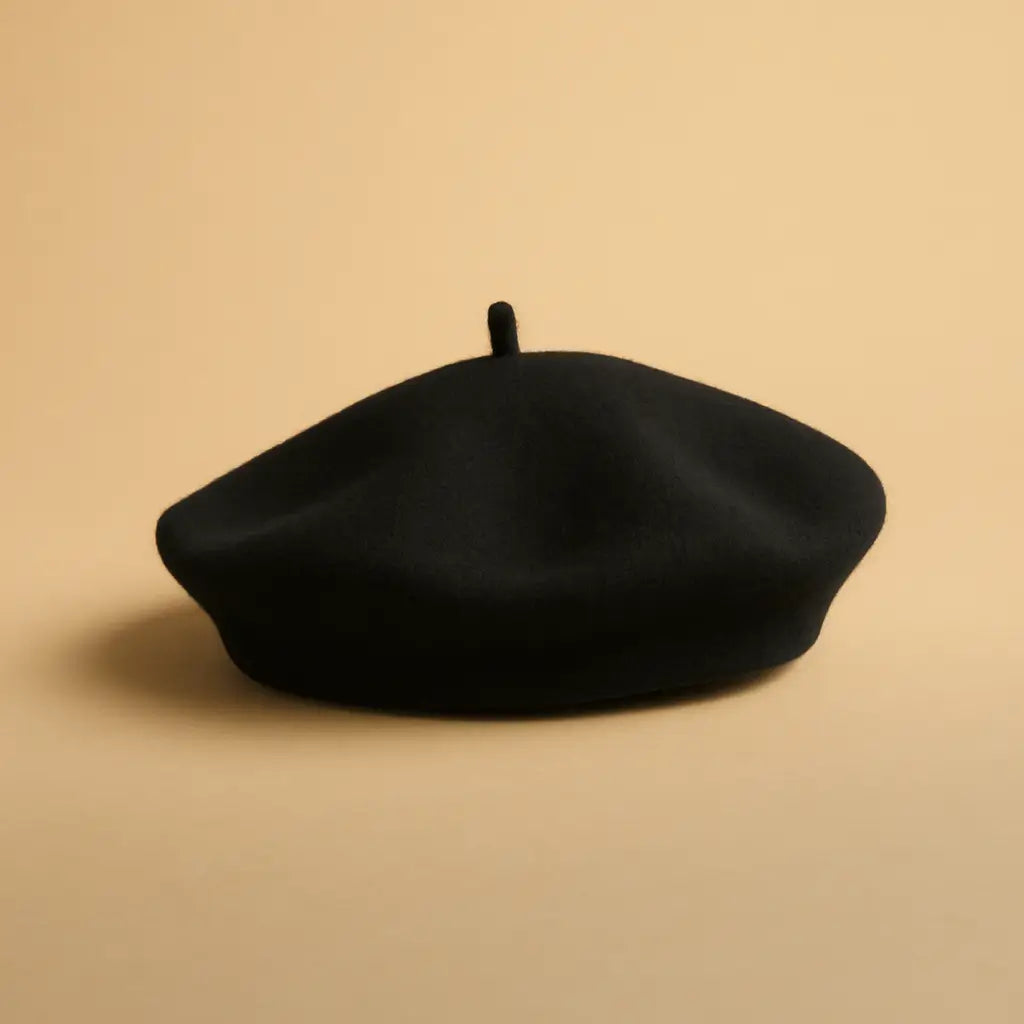
Black French Beret
The quiet, confident classic. Matte black wool that reads as intentional, never costume-like.
Shop now · $39The short version, repeated once more because it bears repeating: this is a hat that history handed outward on purpose. What you do with the wearing, calm confidence or exaggerated caricature, is what actually decides how it reads.

Once you get past the initial worry, choosing a beret becomes the fun part: picking a colour and shape that actually suit you, rather than second-guessing whether you are allowed to wear it at all.
How to choose with confidence
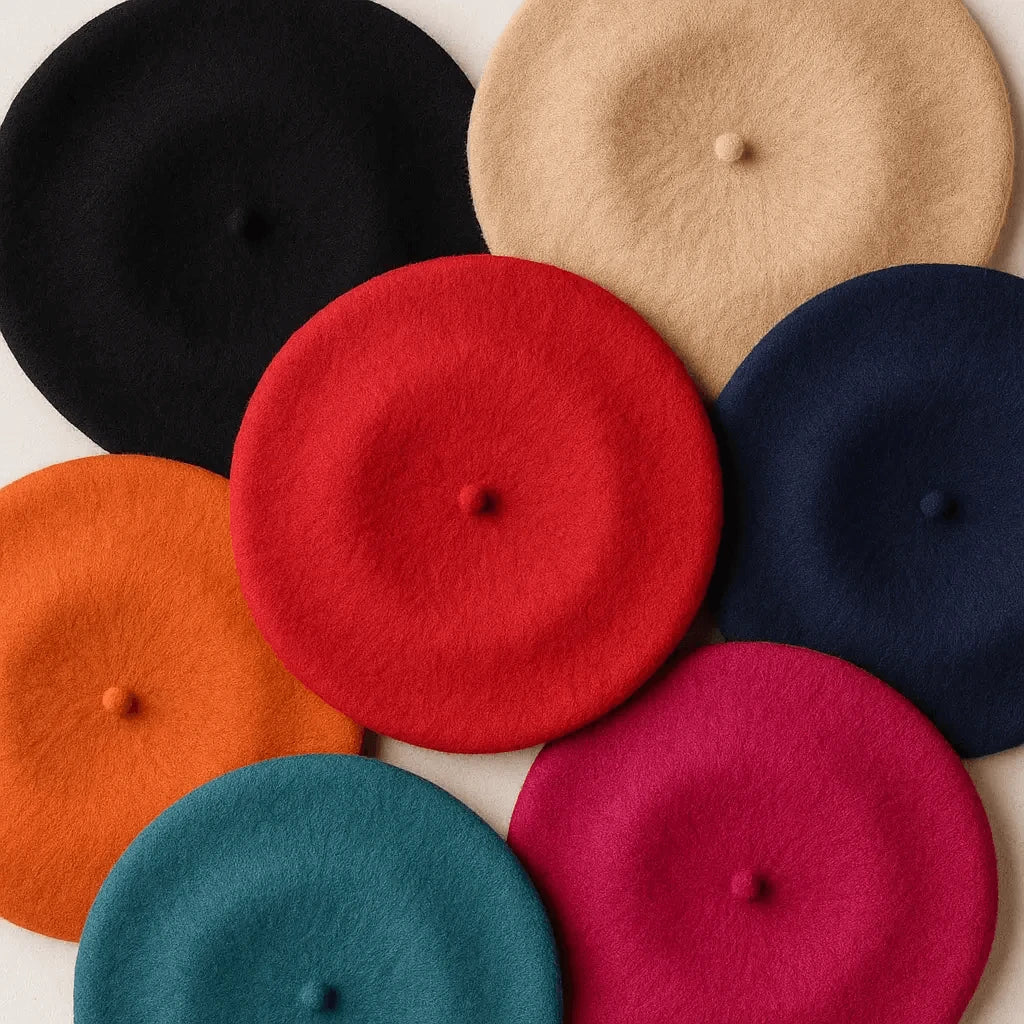
- Start neutral if you want zero hesitation: black, navy or beige wear with everything.
- Choose real wool over a synthetic costume-shop version for a piece that lasts and looks intentional.
- Wear it plainly at first, tilted back or to one side, without extra props.
- Learn a little history if you are curious. It deepens appreciation without being required.
Caring for your beret
- Brush wool berets gently to keep the surface looking fresh.
- Avoid soaking or machine washing, which can shrink and felt the wool.
- Store it on a rounded surface so the crown keeps its shape.
What does read poorly is using a beret as a stereotype prop, paired with a mocking accent or as part of a costume that pokes fun at French people. That is the behaviour to avoid, not the act of owning or wearing the hat itself.
Frequently asked questions
No. The beret has been worn worldwide for decades and was actively exported by French fashion and film as something anyone could adopt. It carries no restriction tied to nationality.
Pairing the beret with an exaggerated stereotype, a mocking accent, or costume props meant to poke fun at French people. Simply wearing the hat as clothing does not fall into that category.
It is a meaningful choice if you want to support the actual craft, but it is not a requirement for wearing a beret respectfully. It simply means your purchase keeps traditional wool-making alive.
No. Unlike sacred or ceremonial dress tied to a specific closed community, the beret was ordinary rural and later fashion headwear, deliberately shared outward for over a century.
Yes. Learning the history adds appreciation, but it has never been a requirement for wearing one. A beret worn plainly and confidently is simply a hat doing its job.
So, is it cultural appropriation to wear a beret? No. Wear it with the same care you would give any well-made piece, and it will read exactly as it should: considered, not borrowed.


Worn well, never overthought.
Camille