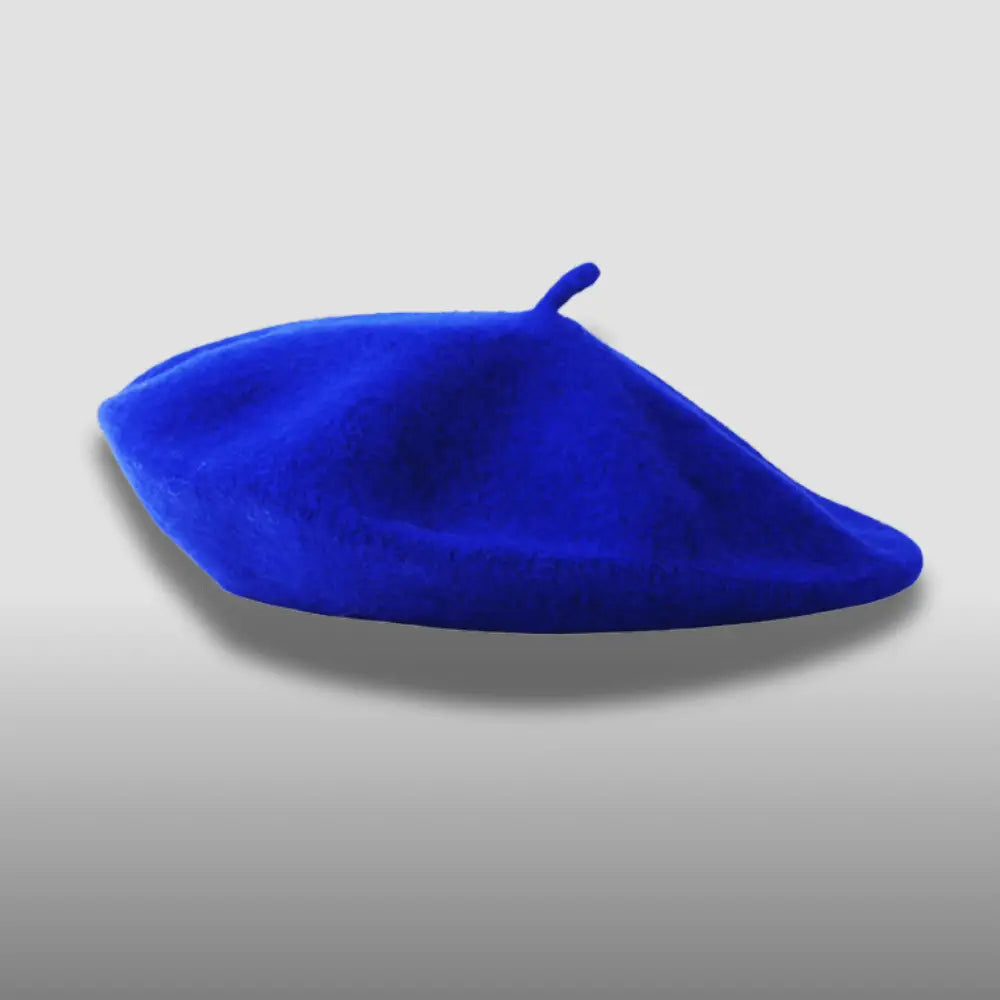
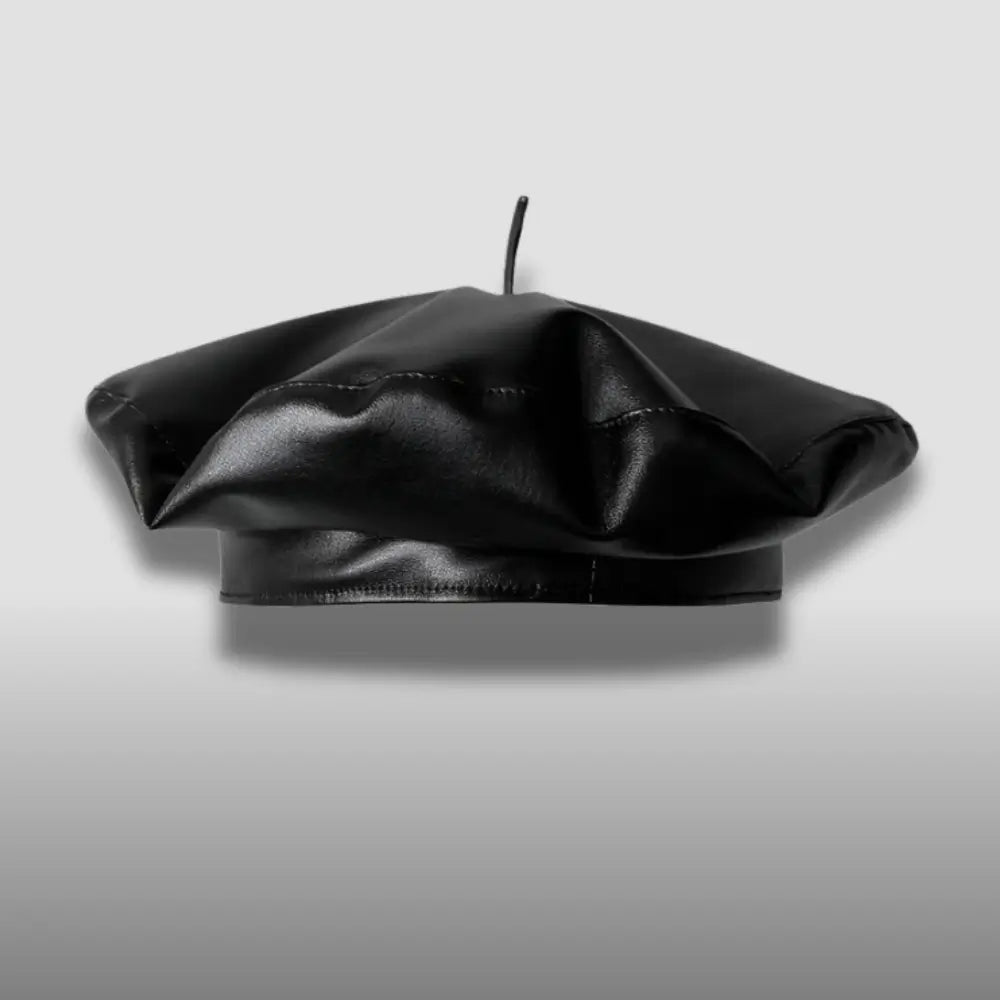
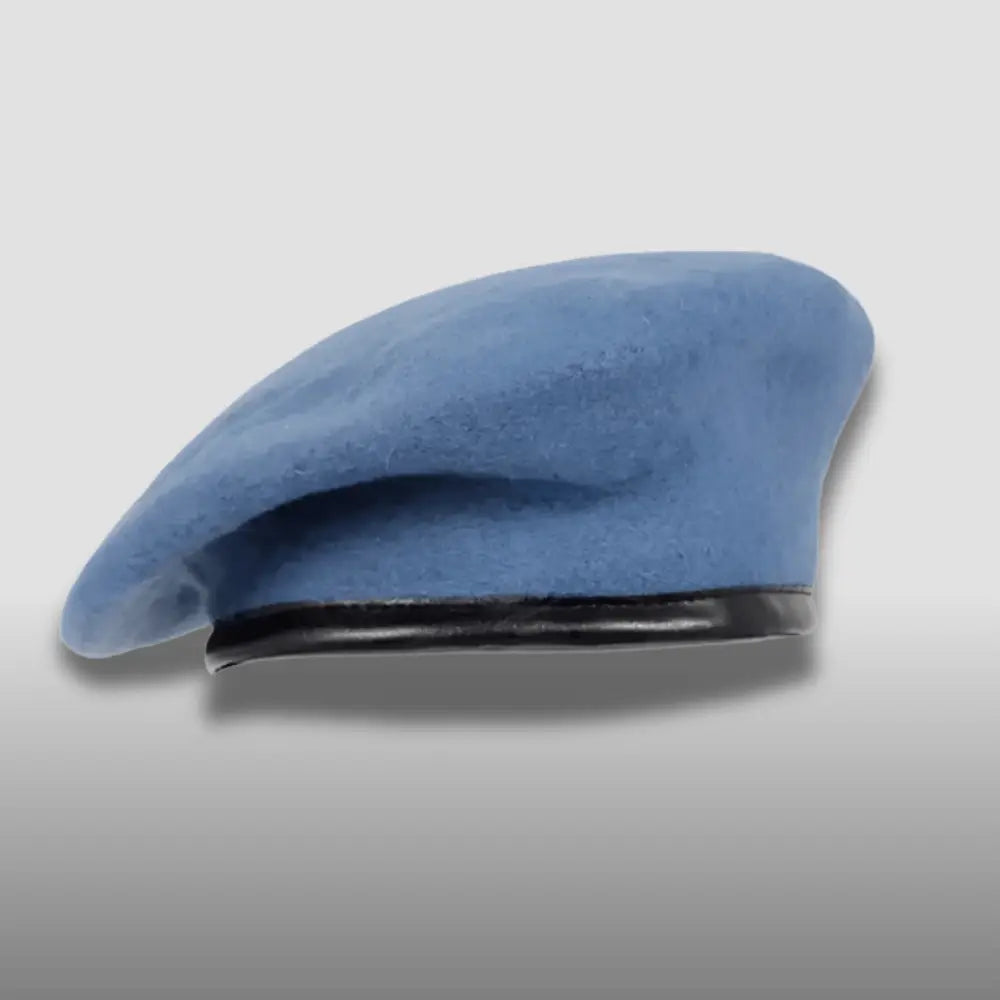
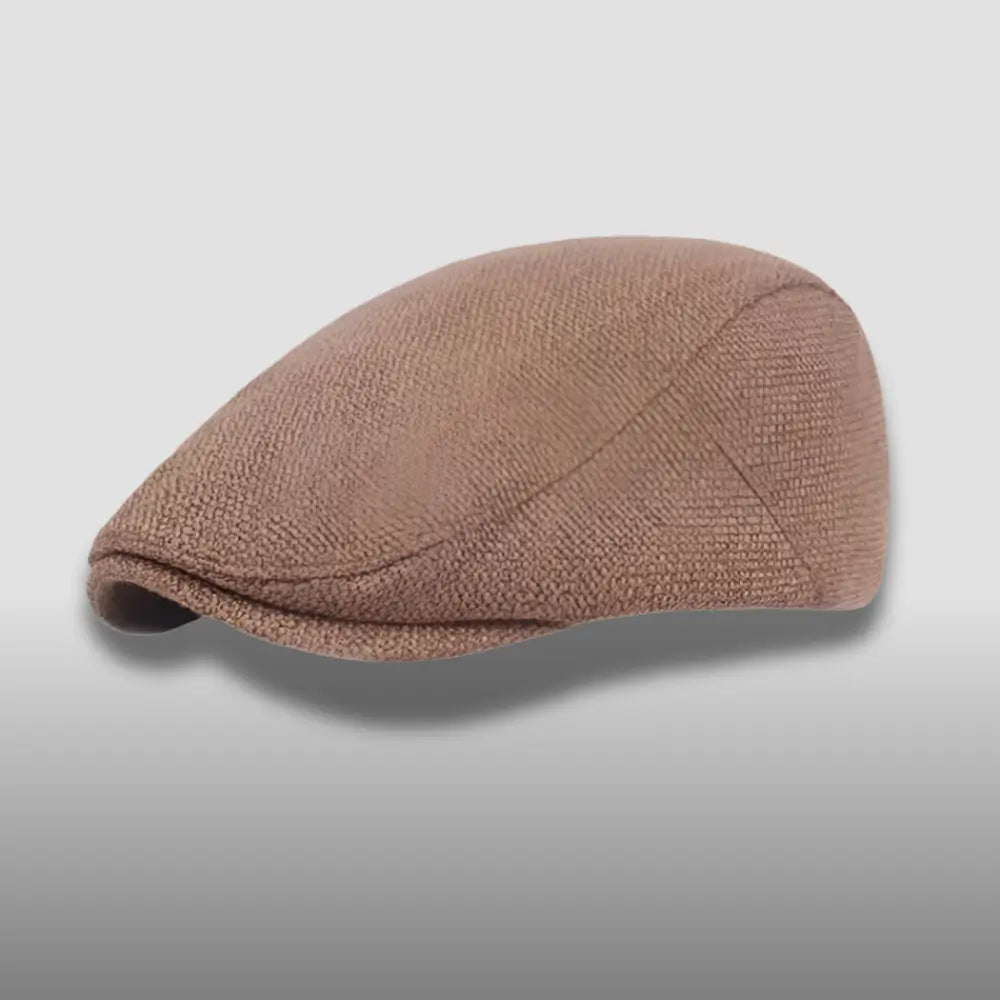
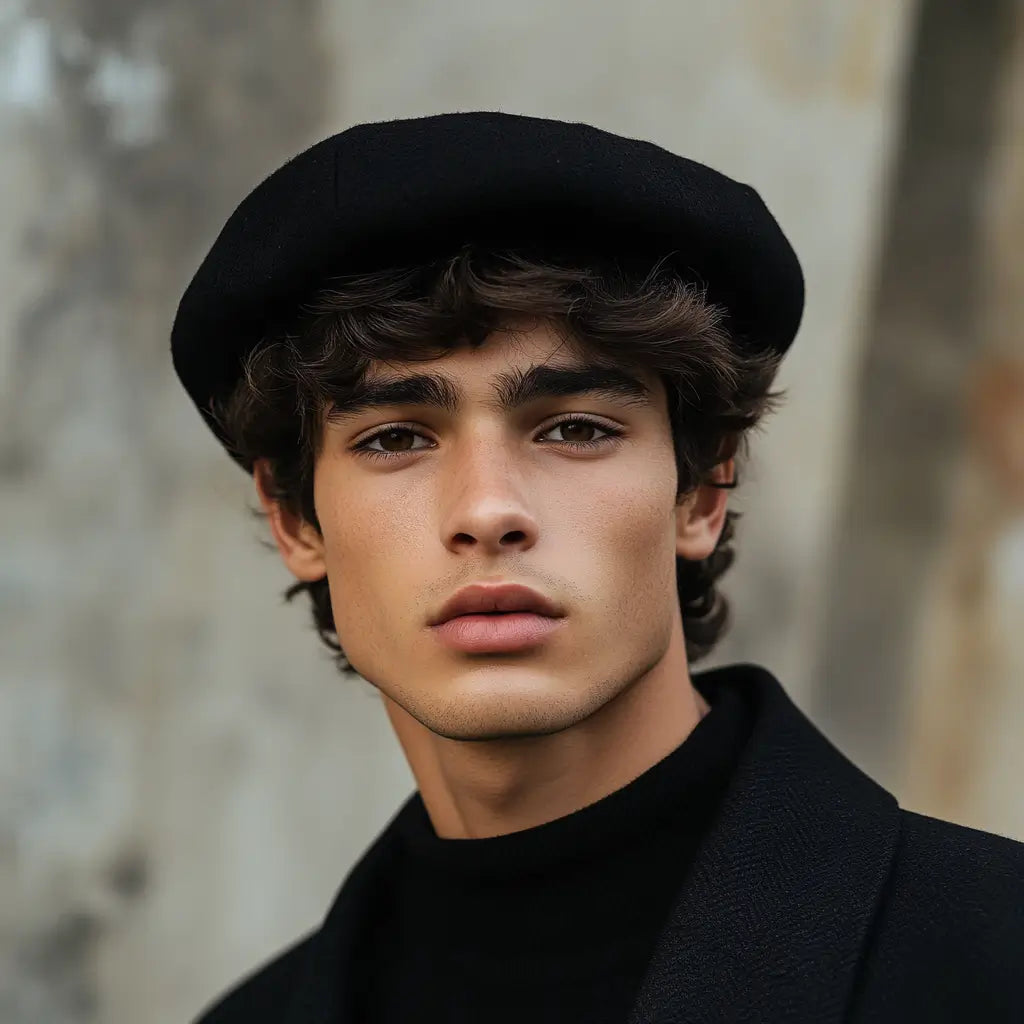
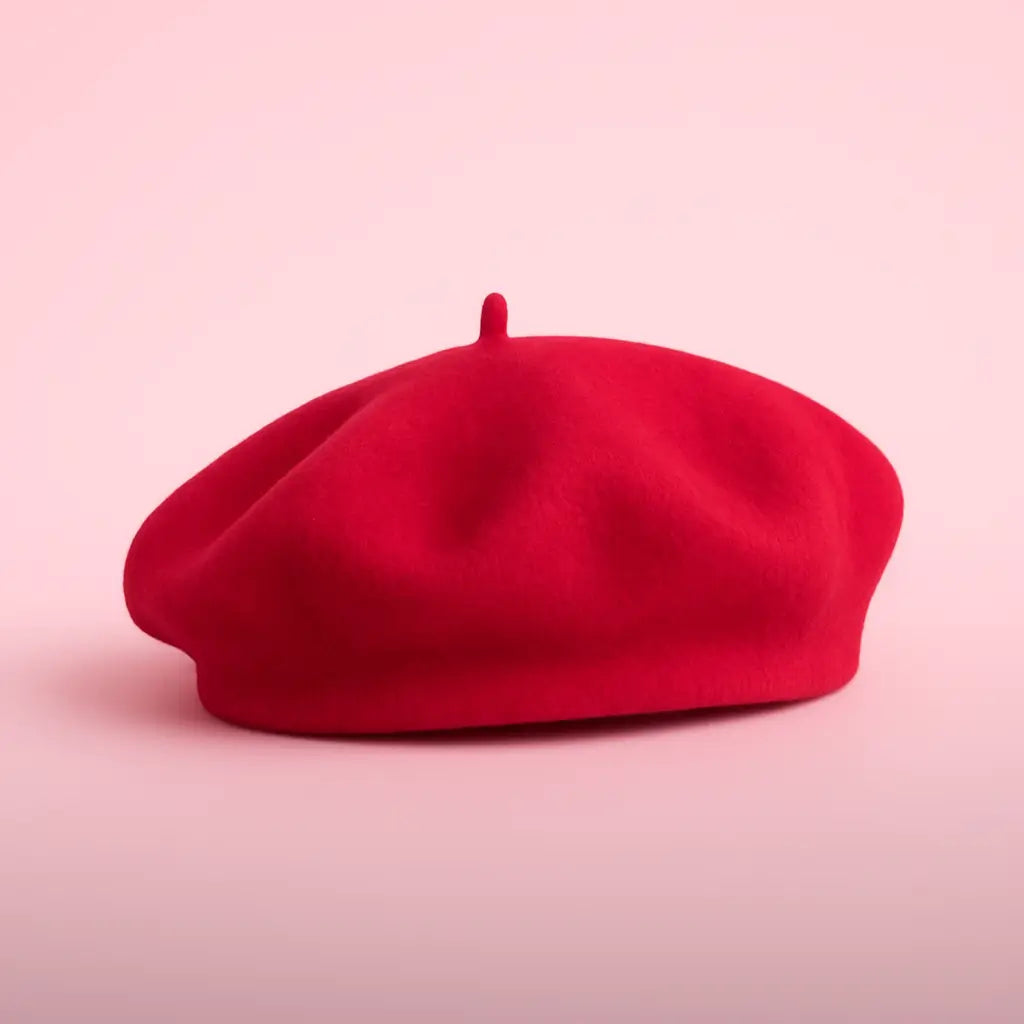
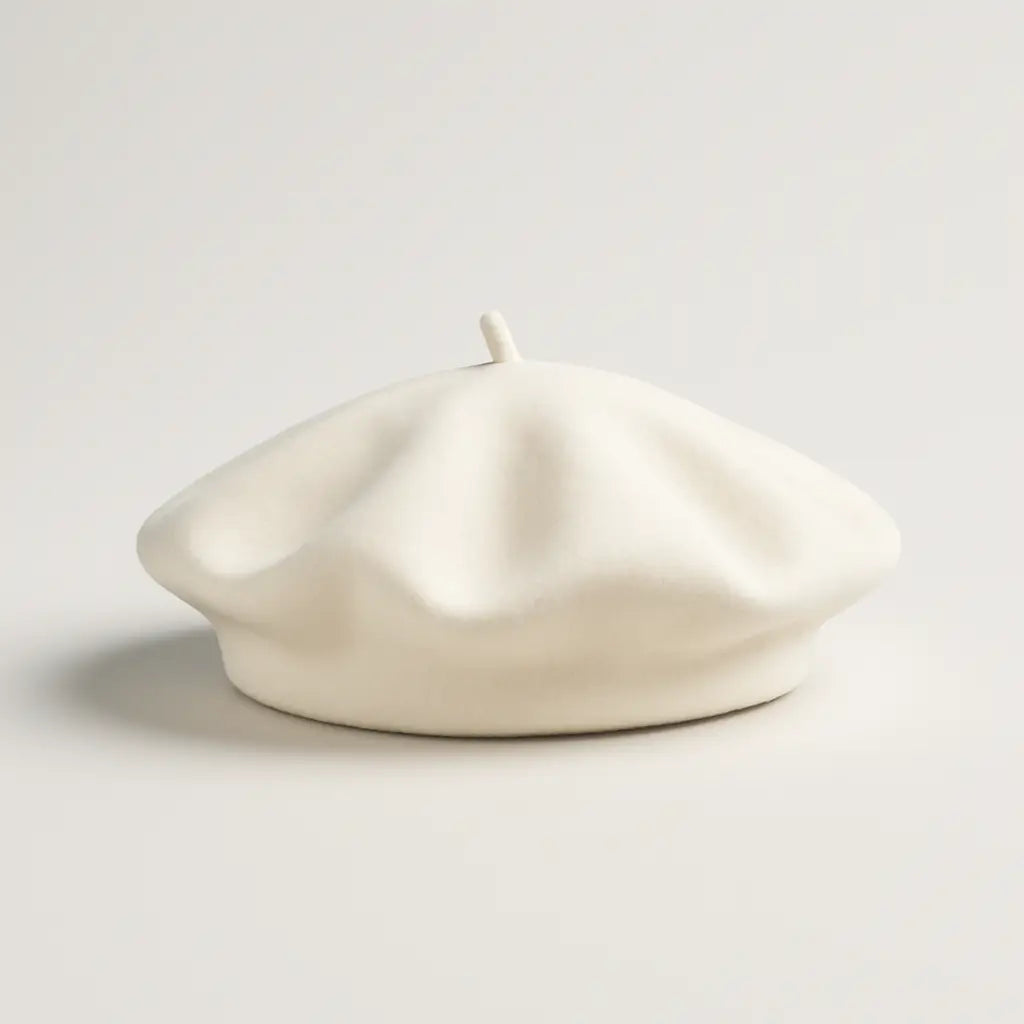
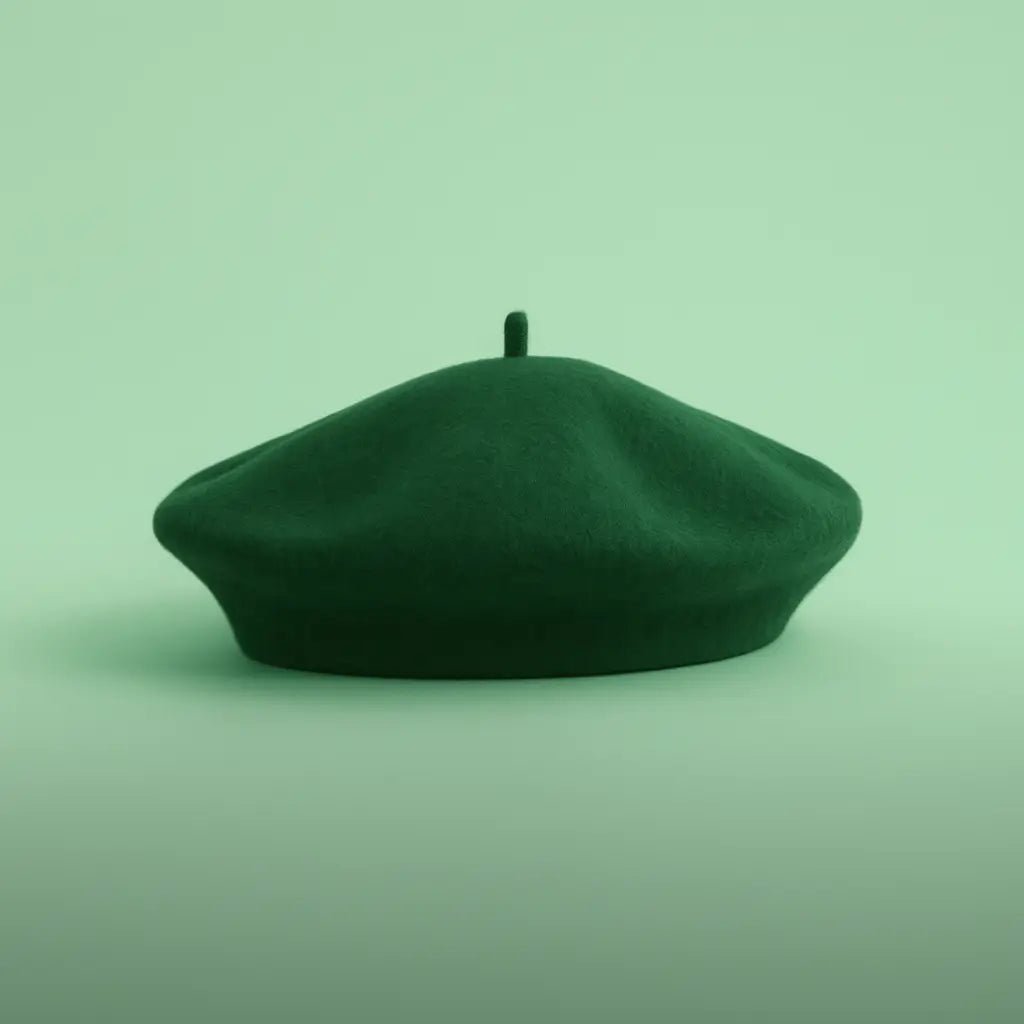
Short answer: a Basque beret is a soft, round, brimless wool cap that comes from the western Pyrenees, the mountain country straddling France and Spain. It was everyday headwear for shepherds and farmers long before it became a style icon. Classic ones are made from felted wool, finished with a small stalk on top and a band inside, and worn in one size that moulds to your head.
I am Camille, and I learned this craft in my family's atelier in the Béarn, the corner of southwest France right beside the Basque country where the beret was born. So this is the maker's version of the story: what actually makes a Basque beret, where it came from, and how to wear one today.
- A Basque beret is a round, brimless wool cap from the French and Spanish Pyrenees.
- It began as practical headwear for shepherds and became a lasting cultural symbol.
- Classic ones are felted wool with a small top stalk and an inner band, worn in one moulding size.
- Despite the name, the modern beret was largely developed in the neighbouring Béarn.
- It is worn tilted and shaped to your head, and it pairs with almost any outfit.
What makes a beret Basque
Short on time? Here are the features that define a traditional Basque beret. The history and styling come right after.
| Feature | Traditional Basque beret |
|---|---|
| Material | Felted wool, soft and weather-resistant |
| Shape | Round, flat and brimless |
| Top detail | A small stalk, the "cabillou", at the centre |
| Inside | A band, often leather, that shapes the fit |
| Sizing | One size that moulds to the head |
Where the Basque beret comes from
The beret grew up in the western Pyrenees, the shared mountain country of the French and Spanish Basques and their neighbours. Shepherds wore it because felted wool does exactly what a working hat should: it sheds light rain, keeps the sun off, and packs flat in a pocket without losing its shape. The Basque beret earned its place through use, not fashion.
There is a lovely twist in the name. While the whole region is Basque country, the modern felted beret was largely shaped and produced in the Béarn, just to the east, where my own family has made them for three generations. The two traditions sit side by side, which is why you will hear both "Basque" and "Béarnais" used for the same hat.
Who a classic Basque beret suits best
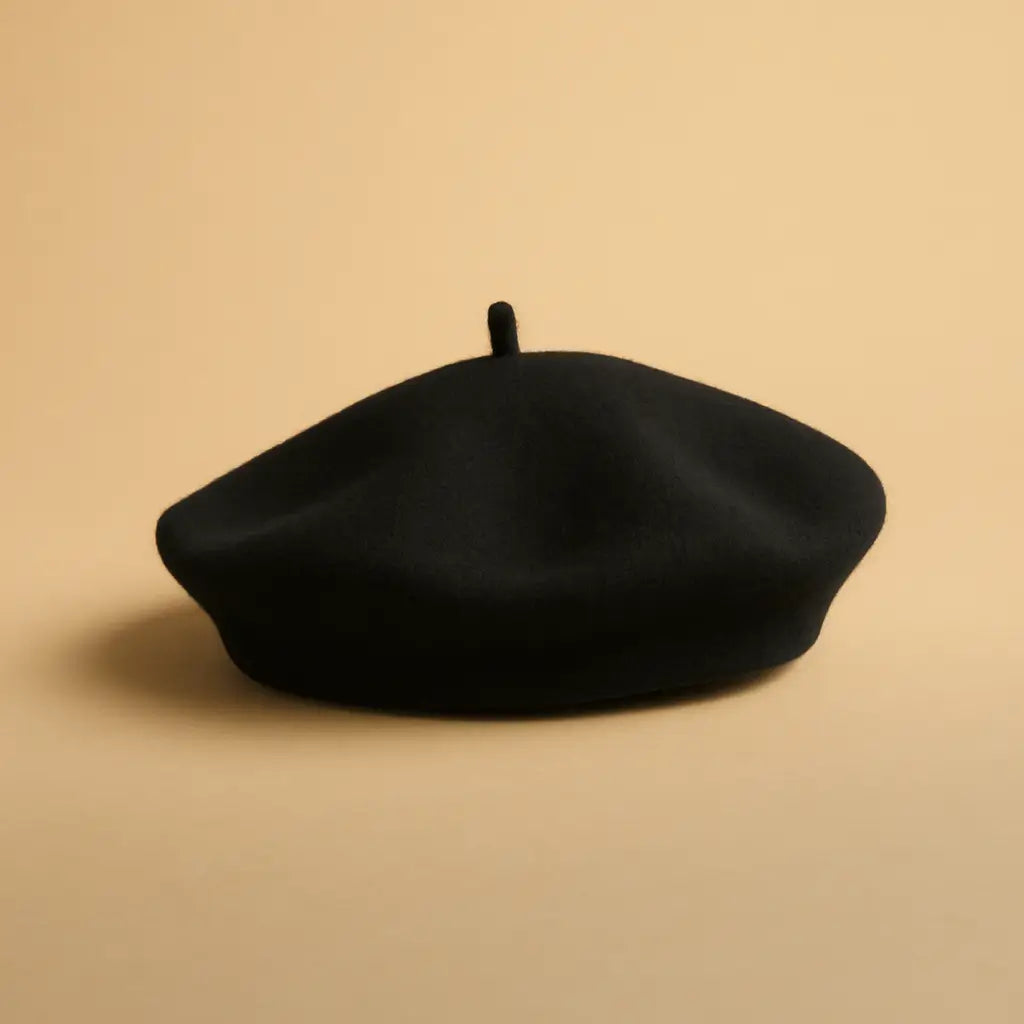
Anyone who wants the original, heritage version, lovers of a clean matte wool finish, and people who like one timeless piece over a trend.

★★★★★ 4.8 · 62 reviews
Black French Beret
Soft matte wool in the classic round shape. The closest thing to the original Basque beret, made to wear every day.
Shop now · $39To spot a well-made Basque beret, look inside. A proper band and a neat, dense felt tell you it was built to hold its shape for years. Check that the small stalk on top sits firm and central, since that little detail is a sign of traditional finishing rather than a cheap copy.
From working hat to cultural icon
By the twentieth century the beret had travelled far beyond the mountains. It became a badge of French and Basque identity, worn at festivals and in daily life, and then a favourite of artists and writers who liked its easy, unfussy character. Ernest Hemingway and Pablo Picasso both wore one, which cemented the Basque beret as a symbol of creativity and quiet confidence.

That heritage is a big part of why the beret still feels considered today. It carries a real story, so wearing one is less about following a trend and more about joining a long, well-worn tradition. The wool is what makes it last, and if fabric interests you, our guide on the best fabric for a beret goes deeper.
Who a heritage wool beret suits best
People drawn to the craft and the history, anyone who values natural materials, and dressers who want a piece that improves with wearing.

★★★★★ 4.8 · 60 reviews
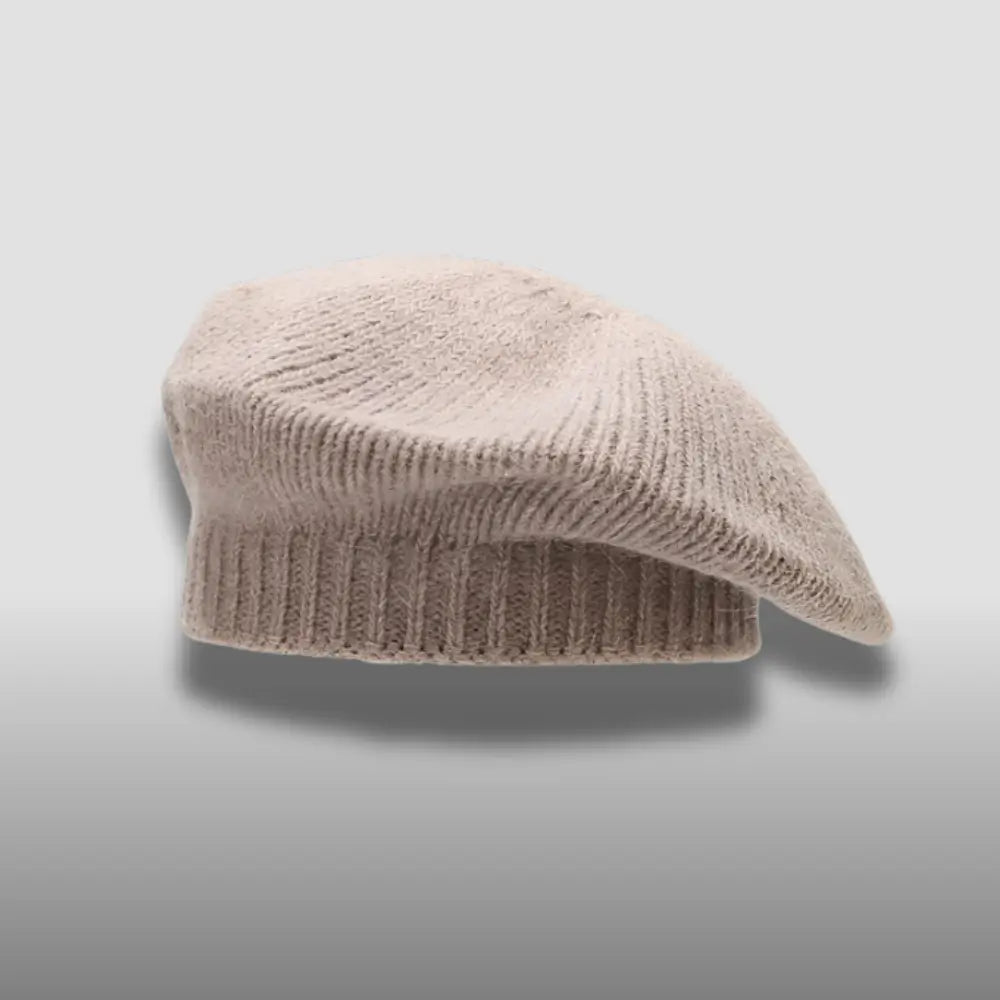
Beige Wool Beret
Soft cream wool in the traditional round shape. A warm, natural take on the classic Basque beret.
Shop now · $45How to wear a Basque beret today
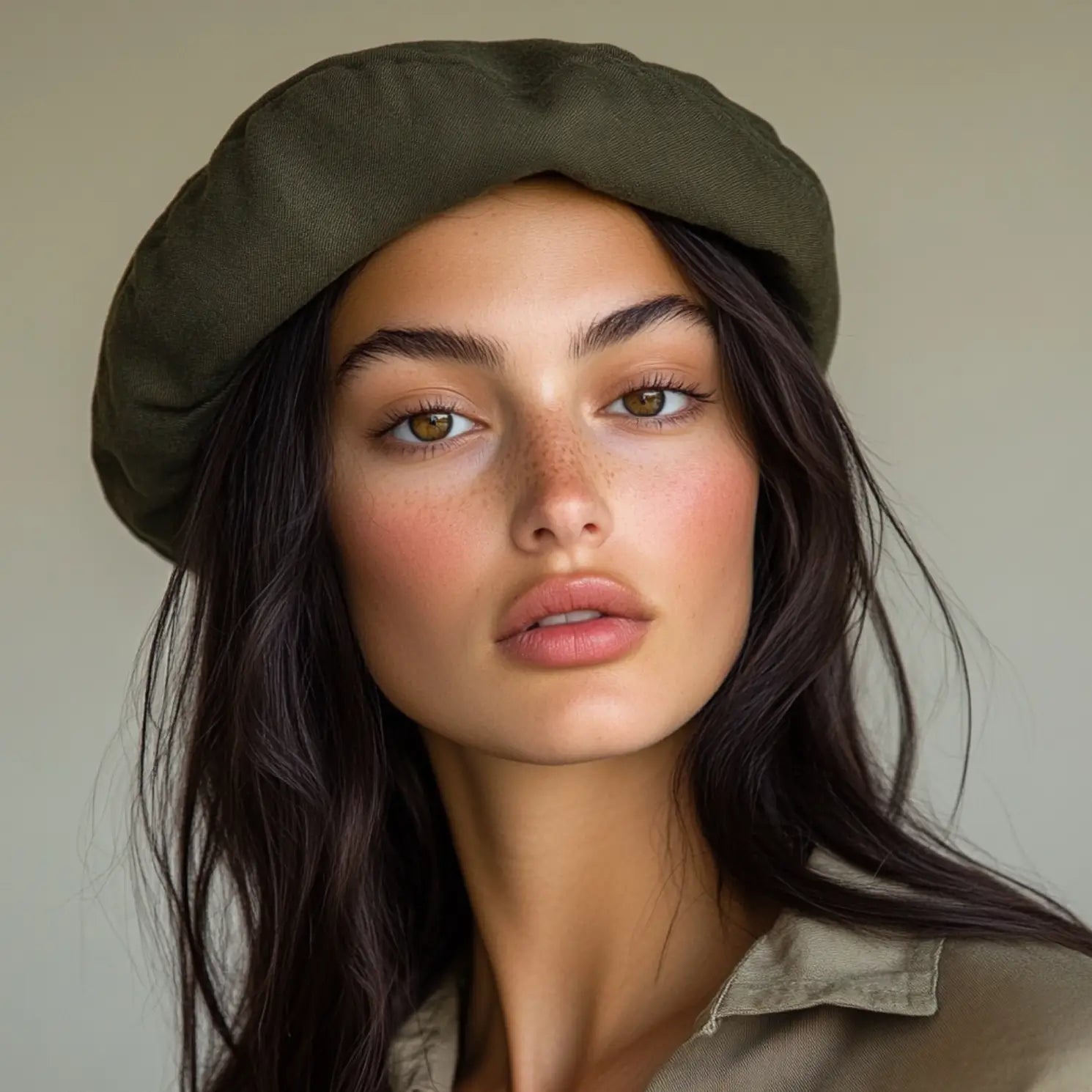
The modern way to wear one is the same way the shepherds did, only with a little more intention. Shape the wool gently over your head, then tilt it back and slightly to one side so it frames your face instead of sitting flat like a cap. A Basque beret is happy with jeans and a knit, and just as happy with a coat and a scarf.
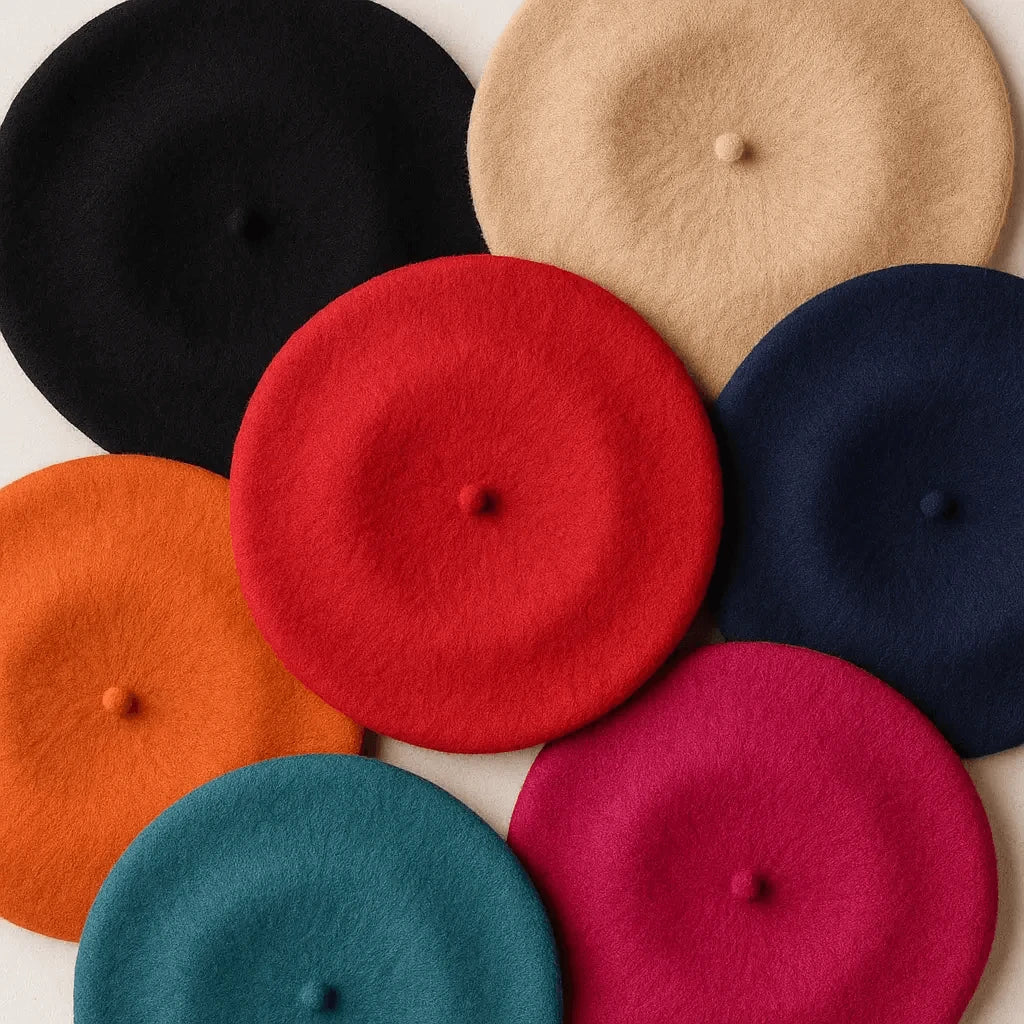
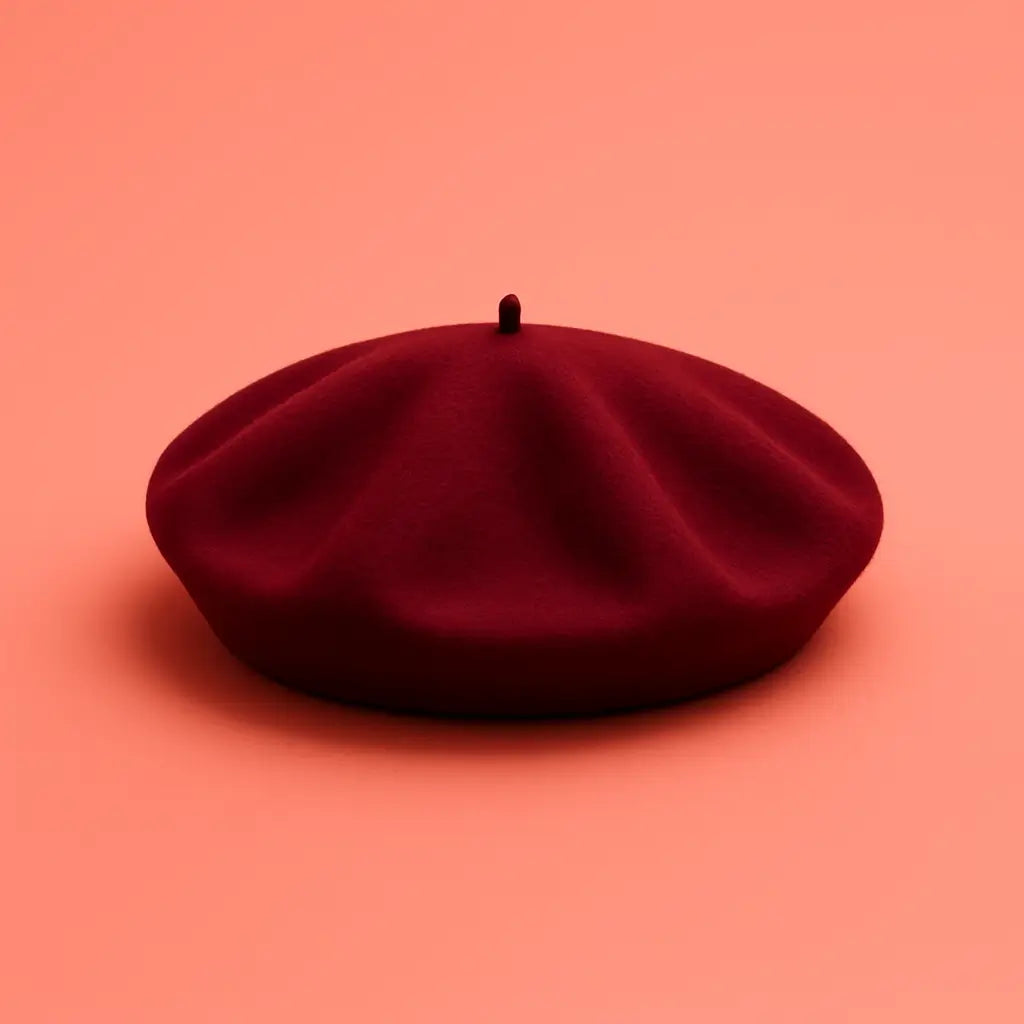
Colour is where you make it your own. Black and navy keep the heritage feeling, while cream and grey soften it. Because wool suits cool weather so well, a beret also carries the changing seasons gracefully, as our note on wearing a beret in different seasons explains.
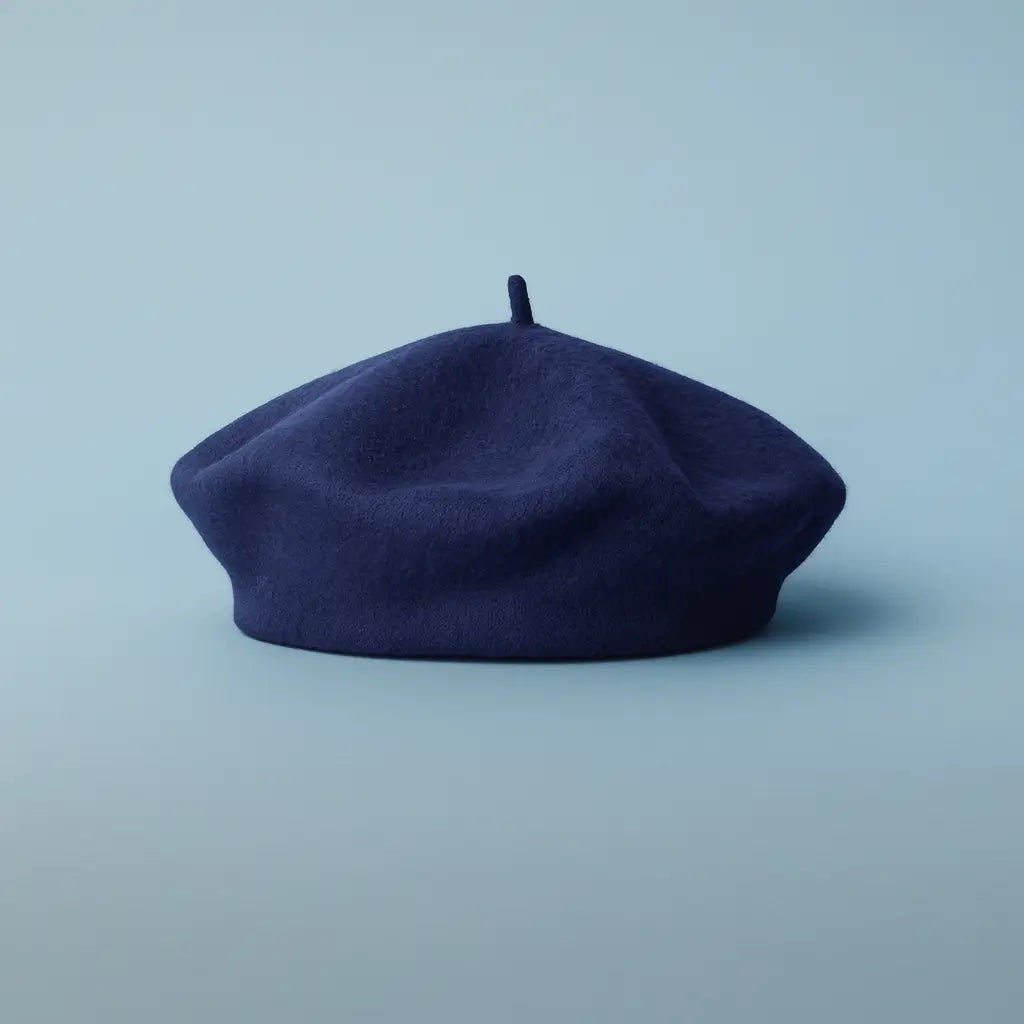
Who a navy classic suits best
Cool undertones, fans of the French navy-and-stripe look, and anyone who wants a heritage beret in a softer shade than black.

★★★★★ 4.9 · 75 reviews
Navy Blue Beret
Soft navy wool with the classic round shape. Heritage character in an easy, everyday colour.
Shop now · $45Caring for a wool Basque beret
A good wool beret is built to last, and a little care keeps it looking its best for years.
- Brush it gently with a soft brush to lift dust and keep the felt smooth.
- Reshape it while slightly damp and let it air dry flat, away from direct heat.
- Store it flat or on a rounded surface so the crown holds its round shape.
Never machine wash or tumble dry a wool Basque beret. Hot water and agitation felt the wool further and can shrink it a full size, which cannot be undone. Spot clean with cool water, reshape by hand, and let it dry naturally.
Frequently asked questions
It is a soft, round, brimless wool cap from the western Pyrenees. Originally worn by shepherds, it became a lasting symbol of French and Basque identity and a timeless fashion piece.
Classic ones are made of felted wool, with a small stalk on top and an inner band that shapes the fit. The dense wool sheds light rain and holds its round shape.
They are very close. The beret comes from the Basque and Béarn regions of southwest France, so "Basque beret" and "French beret" often describe the same traditional wool cap.
Shape it over your head, then tilt it back and slightly to one side so it frames your face. It suits both casual and dressier outfits.
Because it comes from the Basque region of the Pyrenees, where it was traditional headwear. The modern felted version was largely developed in the neighbouring Béarn.
So, what is a Basque beret? It is the original: a round wool cap born in the Pyrenees, shaped by generations of makers, and still one of the easiest ways to look quietly considered. Worn with a little tilt, it carries its whole history without any effort at all.


Worn well, never overthought.
Camille