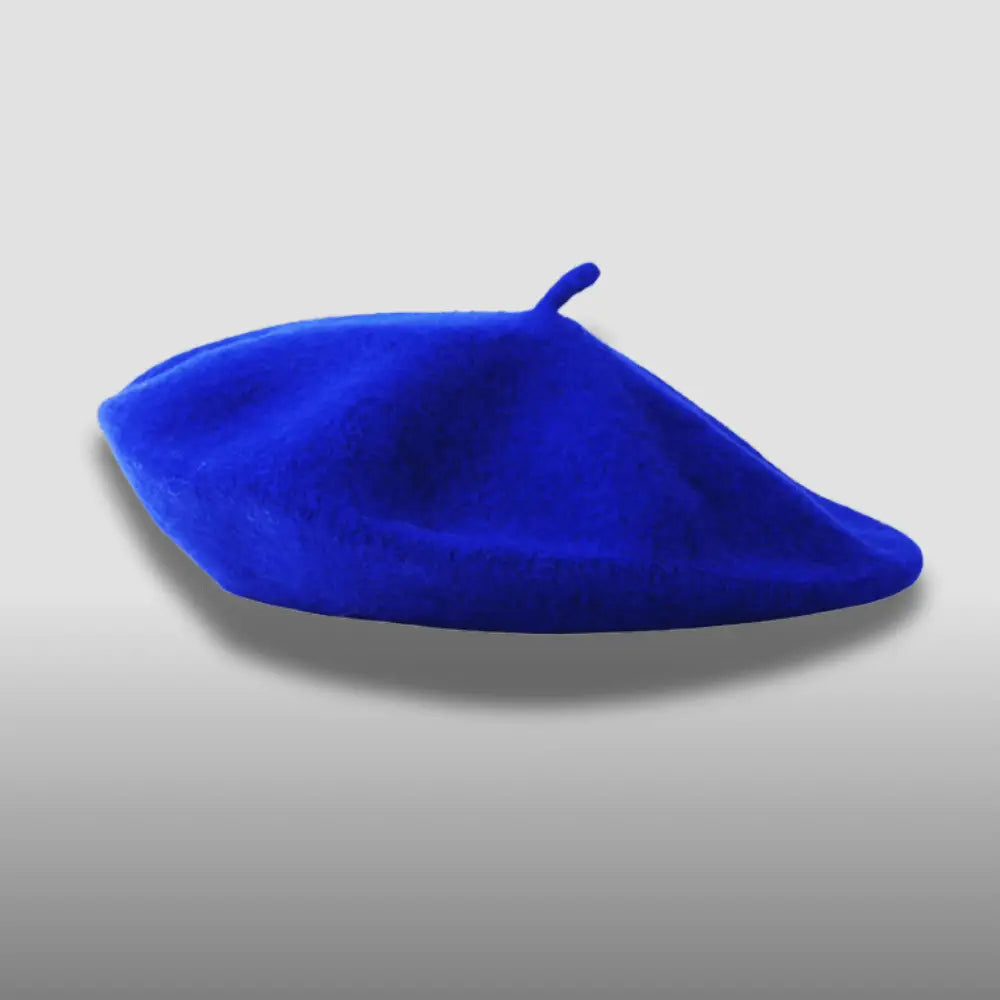
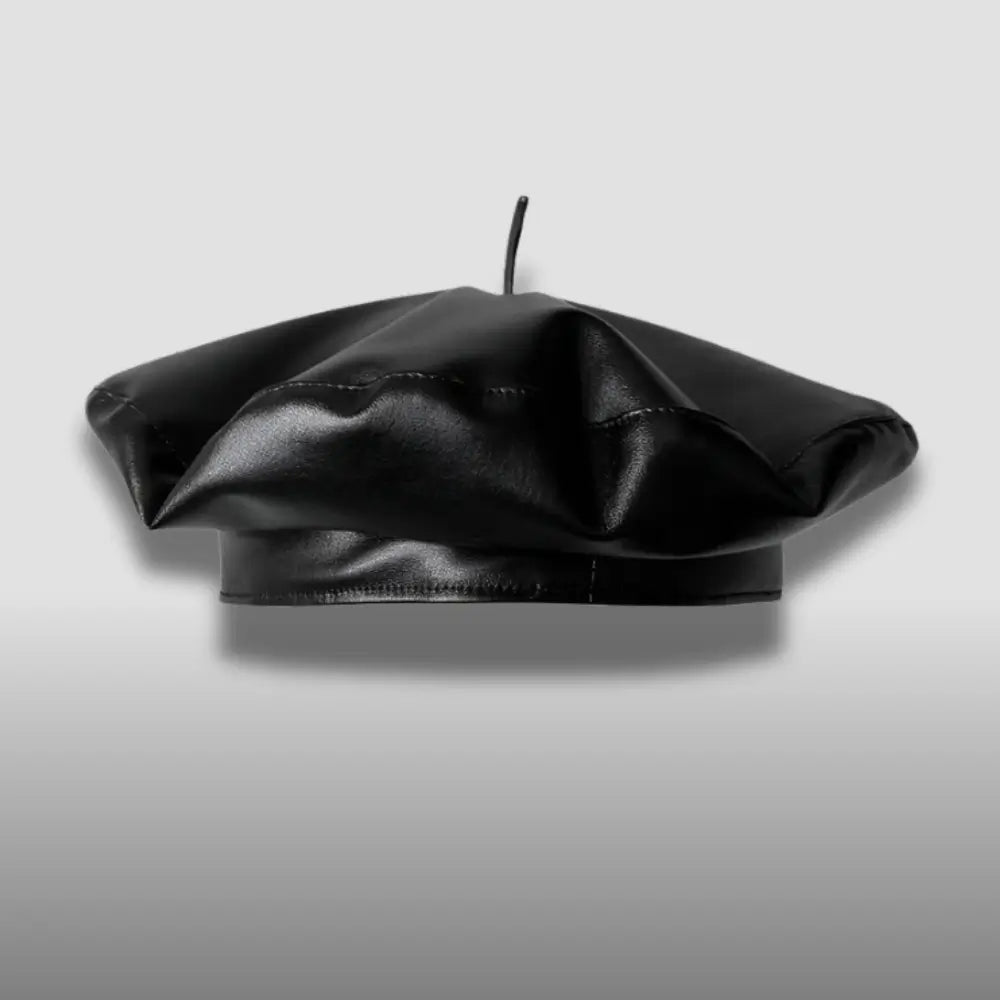
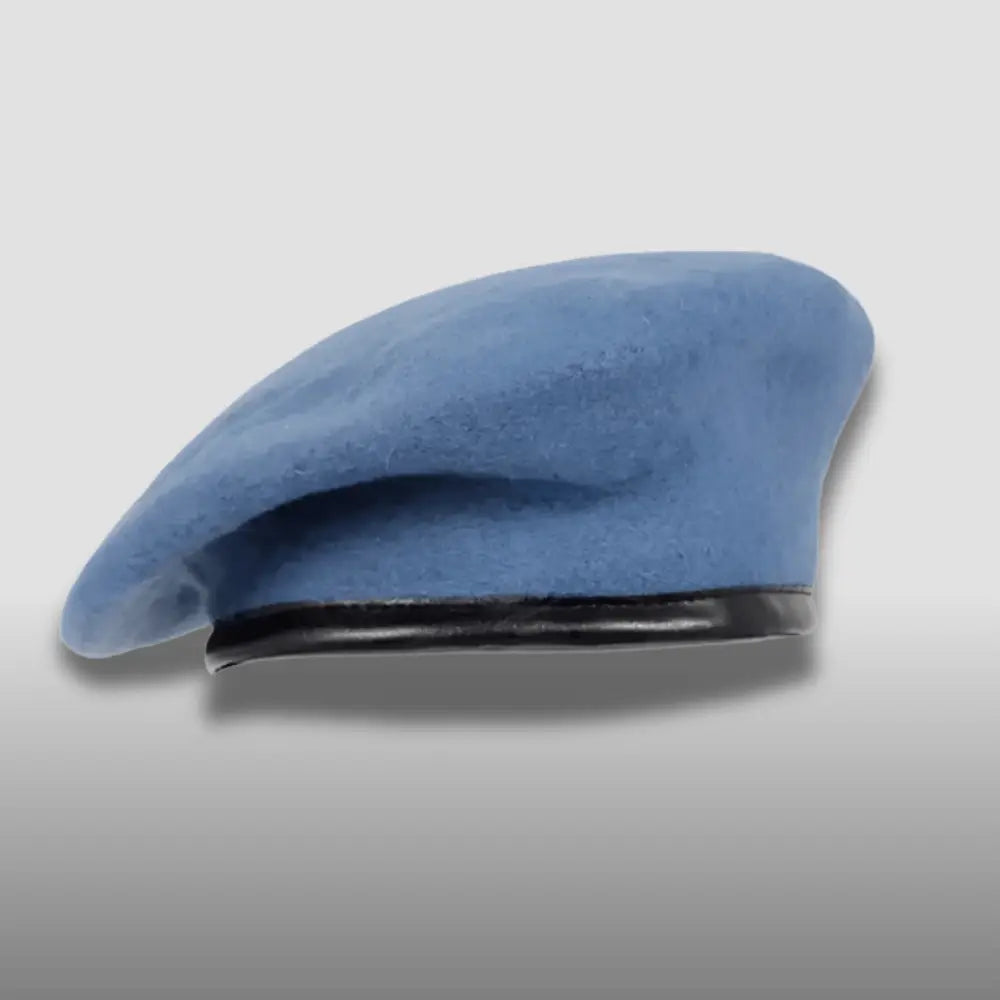
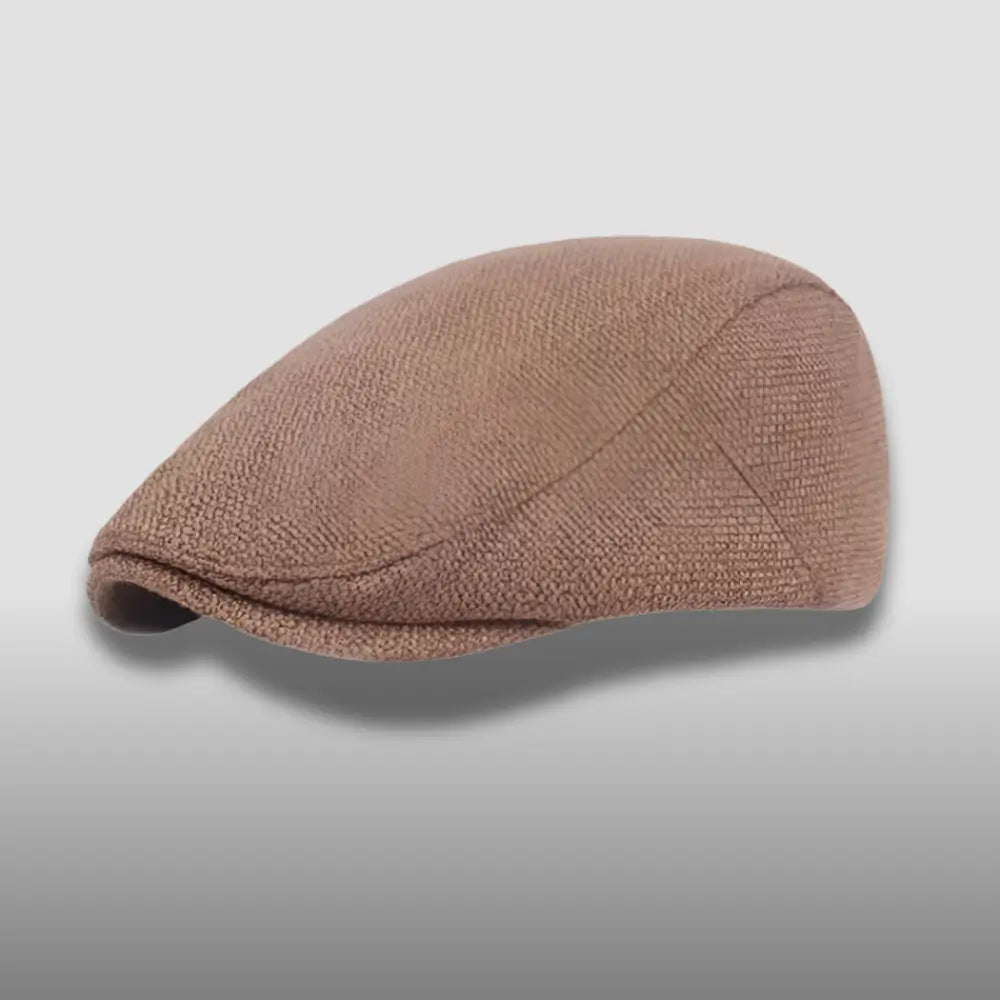
Short answer: a beret is felted flat wool from the French Pyrenees, and a tam is a fuller knitted Scottish bonnet with a pompom on top. They look related in a photo because both are round, brimless wool caps. In the hand they are completely different objects, made by different methods, and they sit on the head in different ways.
I am Camille, and I shape and finish berets by hand in the Béarn. The confusion is understandable, so here is the difference laid out properly: where each one comes from, how each one is built, how each one is worn, and which of the two is actually what you are picturing.
- The beret is French and Basque. The tam o'shanter is Scottish.
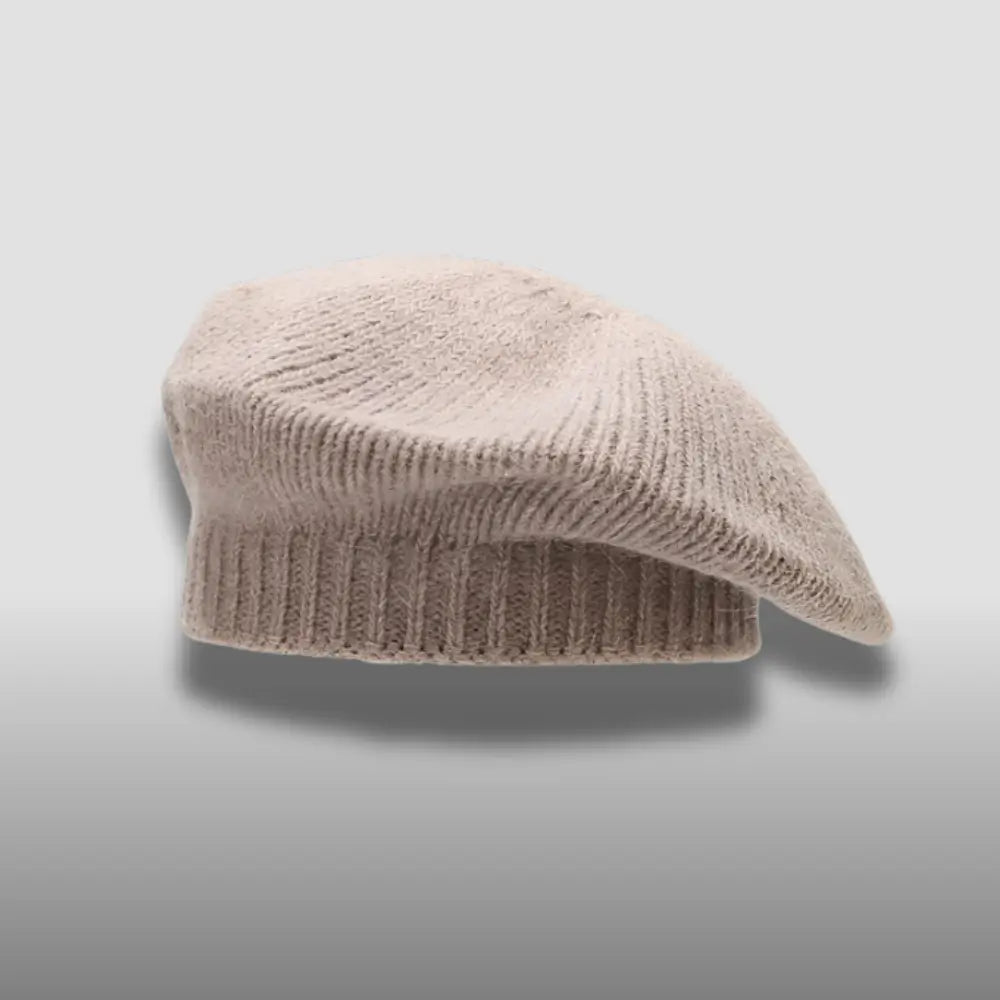
- A beret is knitted then felted into dense wool. A tam usually stays knitted and soft.
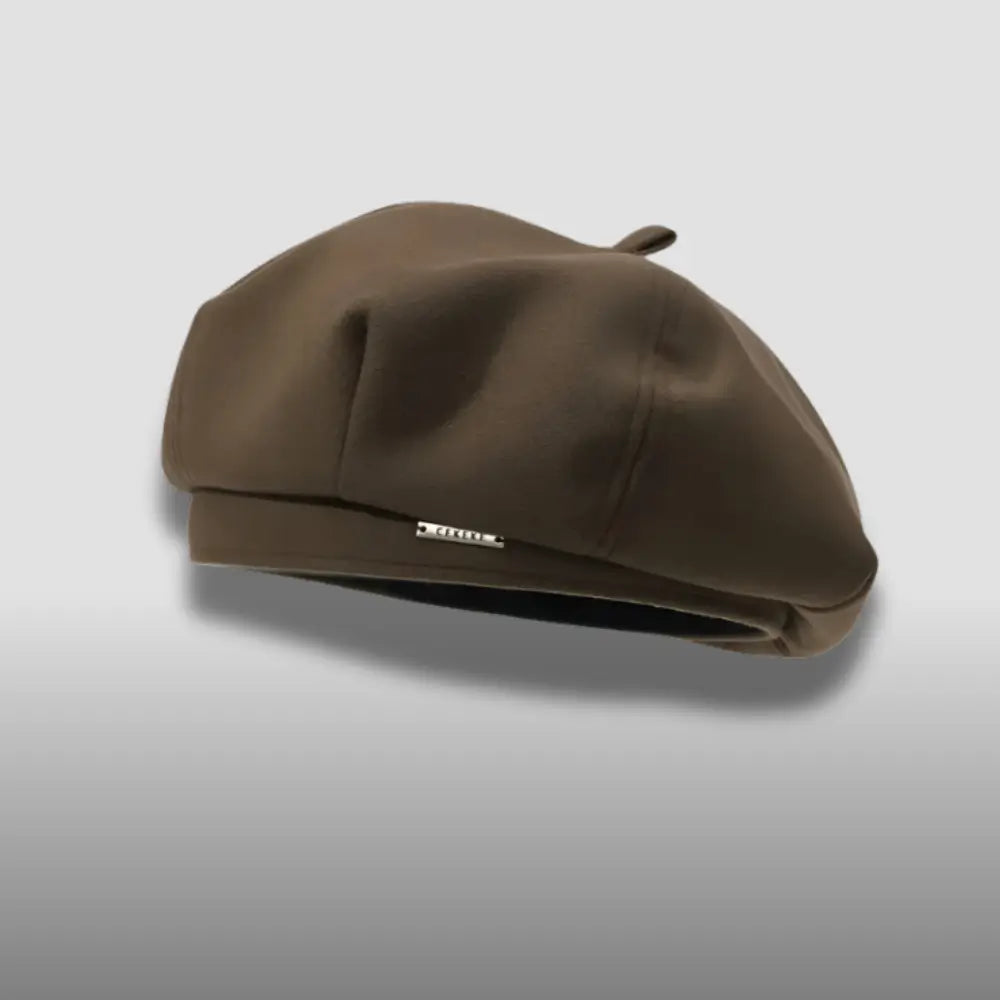
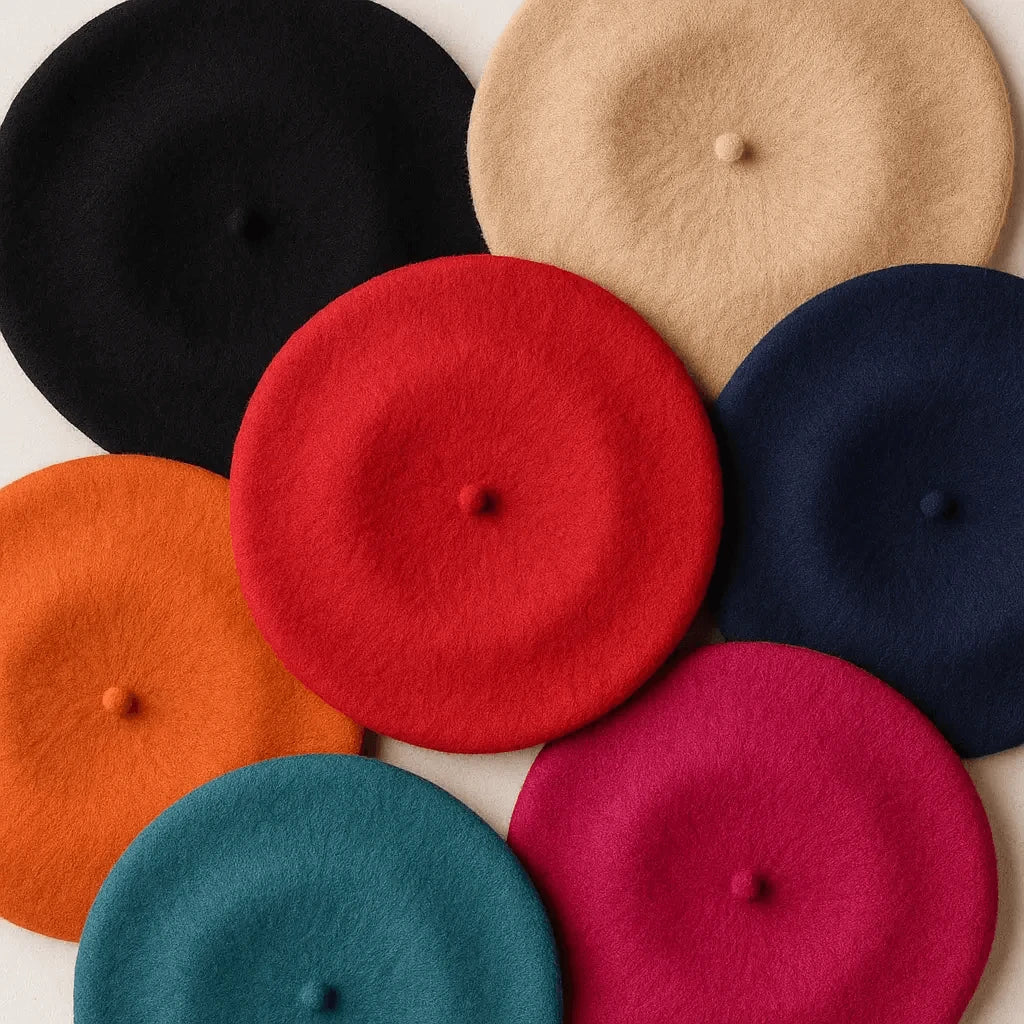
- A tam carries a pompom, called a toorie. A beret carries a small stalk instead.
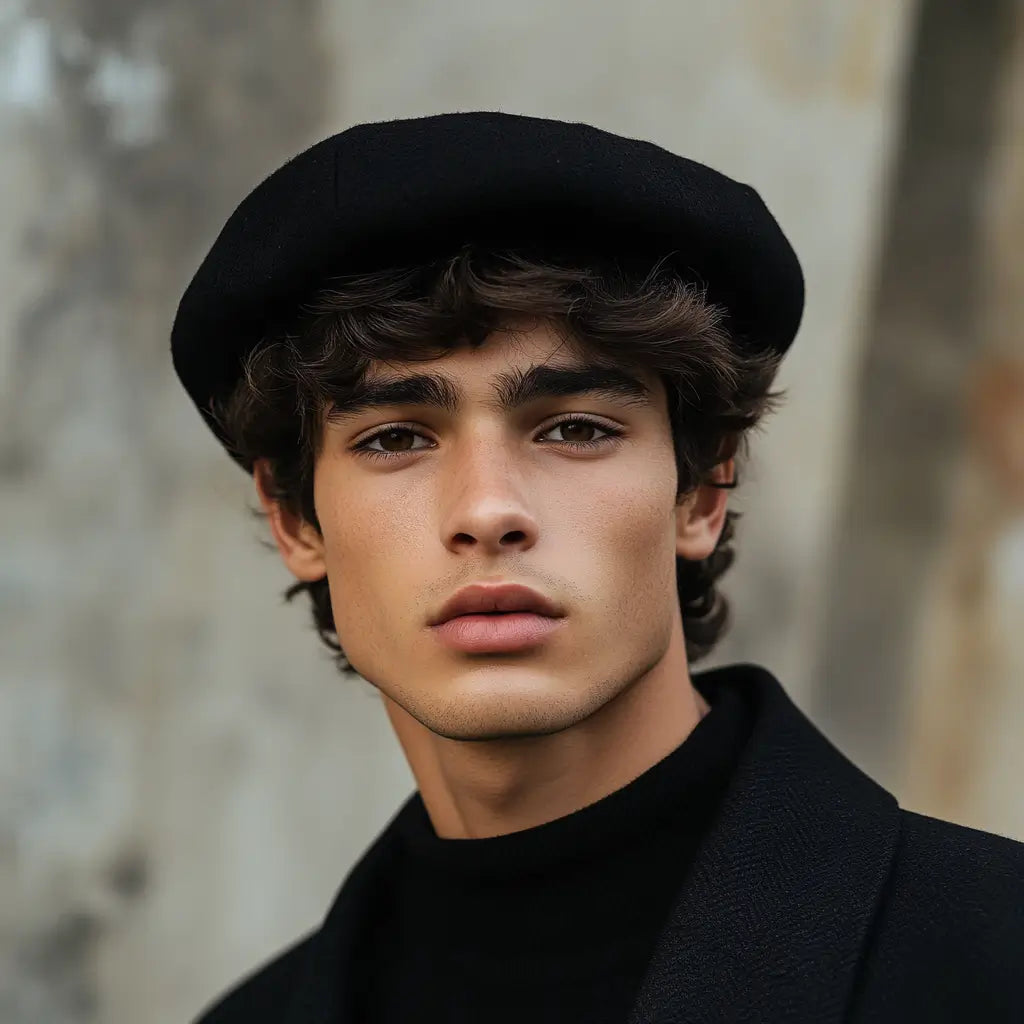
- A beret sits flat and close on a firm band. A tam sits full and slouchy.
- Neither hat has a brim. What a beret has is a headband, not a brim.
Tam and beret at a glance
Almost every real difference comes down to how the wool is treated after it is knitted. Everything in this table follows from that one decision.
| Feature | Tam o'shanter | Beret |
|---|---|---|
| Origin | Scotland, named after the 1790 Robert Burns poem | The Pyrenees, in the Béarn and Basque country |
| How it is made | Knitted and left soft, or lightly milled | Knitted as a disc, then washed and felted dense |
| Top detail | A toorie, the pompom at the centre | A small stalk, called the cabillou |
| Crown | High and generous, gathers into folds | Low and flat, holds its own shape |
| Edge | Knitted band, stretchy | Firm inner headband, holds a straight line |
| How it is worn | Pulled on, level or slouched back | Shaped to one side, band straight on the forehead |
| Overall feel | Cosy, casual, a bit playful | Tailored, quiet, dressier |
What a tam o'shanter actually is
The tam o'shanter is a Scottish wool bonnet, and it takes its name from the hero of the Robert Burns poem published in 1790. The everyday version is knitted, roomy through the crown, and finished with a toorie at the centre of the top. There is also a military tam o'shanter worn by Scottish regiments, cut plainer and stiffer, which is where a lot of the shape confusion with berets comes from.
Because a tam is usually left as knitting rather than felted, it behaves like knitwear. It stretches, it gathers into soft folds around the head, and it sits with real volume above the ears. That fullness is the point. A tam is meant to look generous and a little relaxed, which is exactly the opposite of what a beret is trying to do.
The quickest test in a shop: press the crown flat with your palm. Felted wool stays where you put it and springs back slowly, which means it is a beret. Knitting bounces straight back and shows the stitch when you stretch it, which means it is a tam.
What a beret actually is
A traditional beret starts life as a knitted disc, far bigger than a head. That disc is then washed, agitated and pounded in hot water until the fibres lock together and the whole thing shrinks into dense wool felt. The process is called fulling, and it is the reason a beret is one continuous piece of material with no seams across the crown.
What you end up with is a hat that behaves more like felt than fabric. It holds the flat crown on its own, it takes a shape when you set it, and it does not stretch out of true the way knitting does. For the fuller definition, including the stalk on top and how the shape is finished, we cover it in what a beret is.
Who a classic black beret suits best
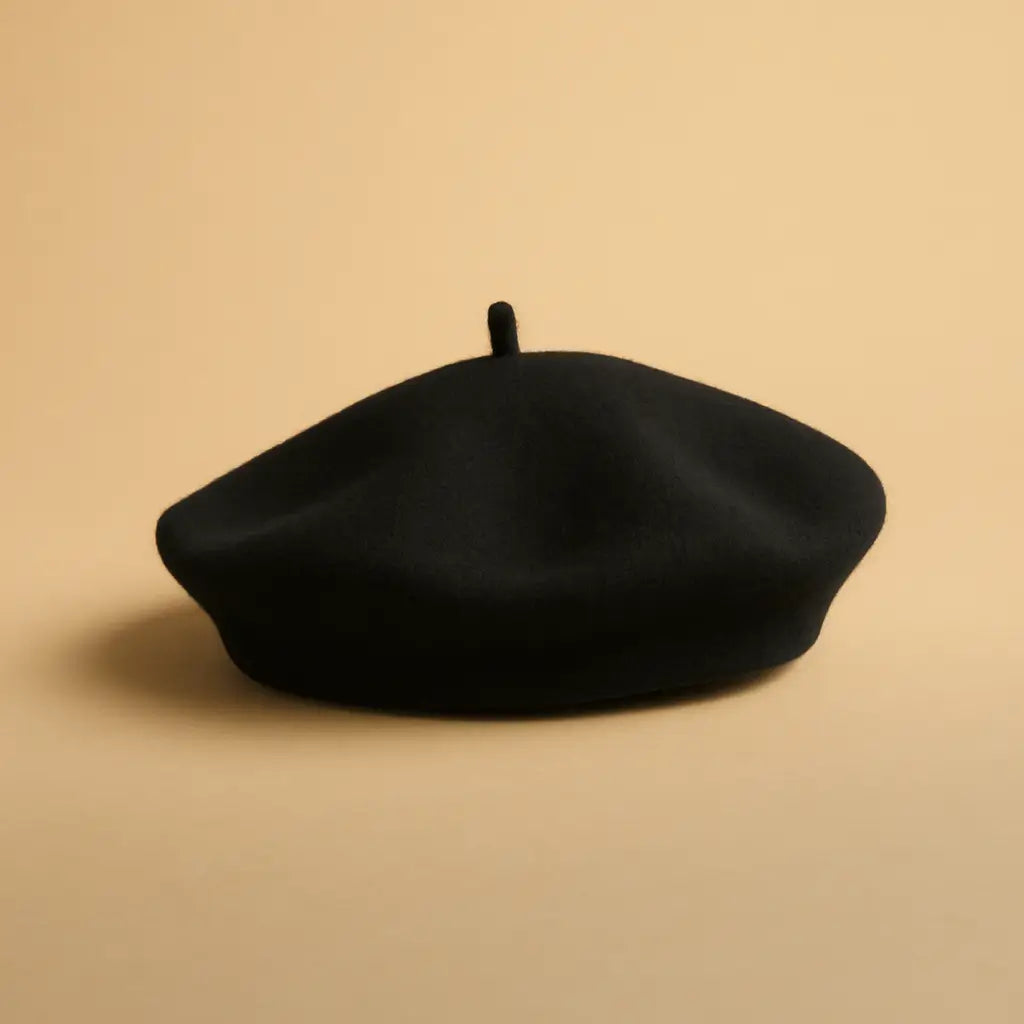
Anyone who wants the true French shape rather than a soft knitted cousin, first-time buyers, and wearers who want one hat that reads smart with a coat and easy with denim.

★★★★★ 4.8 · 62 reviews
Black French Beret
Matte felted wool in the traditional French cut, flat crown and firm band. The reference point for what a beret should feel like.
Shop now · $39Felted or knitted: the difference you can feel
Put the two side by side and your hands answer the question before your eyes do. Felt has a closed, slightly dense surface with no visible stitch. Knitting has texture you can see and a little give in every direction. That single difference drives the fit, the warmth and the way each hat ages.
Felt also blocks wind in a way open knitting does not, which is why a thin wool beret often feels warmer than a chunkier knitted cap. The trade is breathability. A knitted tam lets more air through, so it is more forgiving in a heated room. Berets do come in knitted versions too, and we set out the whole family in the different types of berets.
Who a dark grey beret suits best
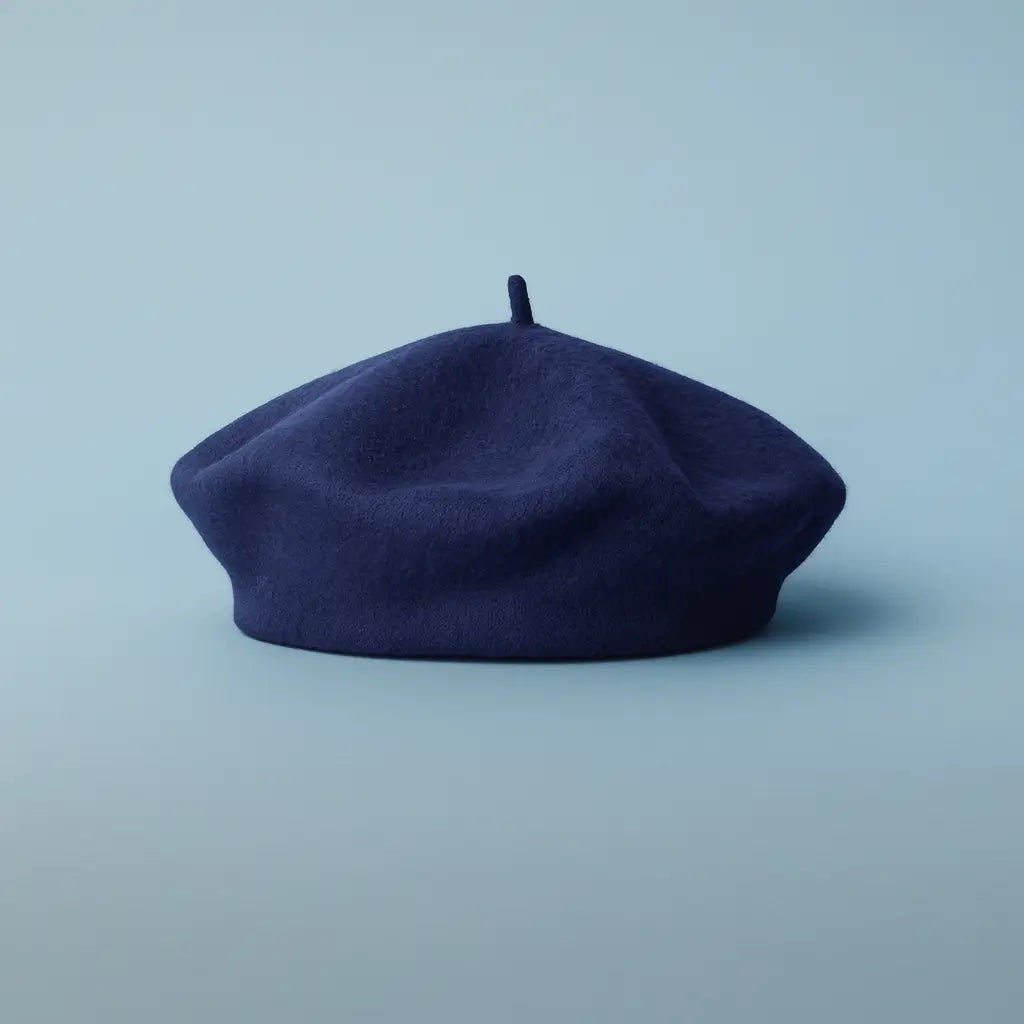
People who want something less absolute than black, anyone dressing around charcoal and navy, and wearers who like a felt surface with a bit of visible texture in it.

★★★★★ 4.8 · 52 reviews
Dark Grey Beret
Softly textured grey felt with a quiet depth to it. The easiest step away from black without losing the classic look.
Shop now · $45How each one is worn
This is where people give themselves away, and it is the fastest way to tell what someone is actually wearing from across a room. The two hats want opposite things from you.

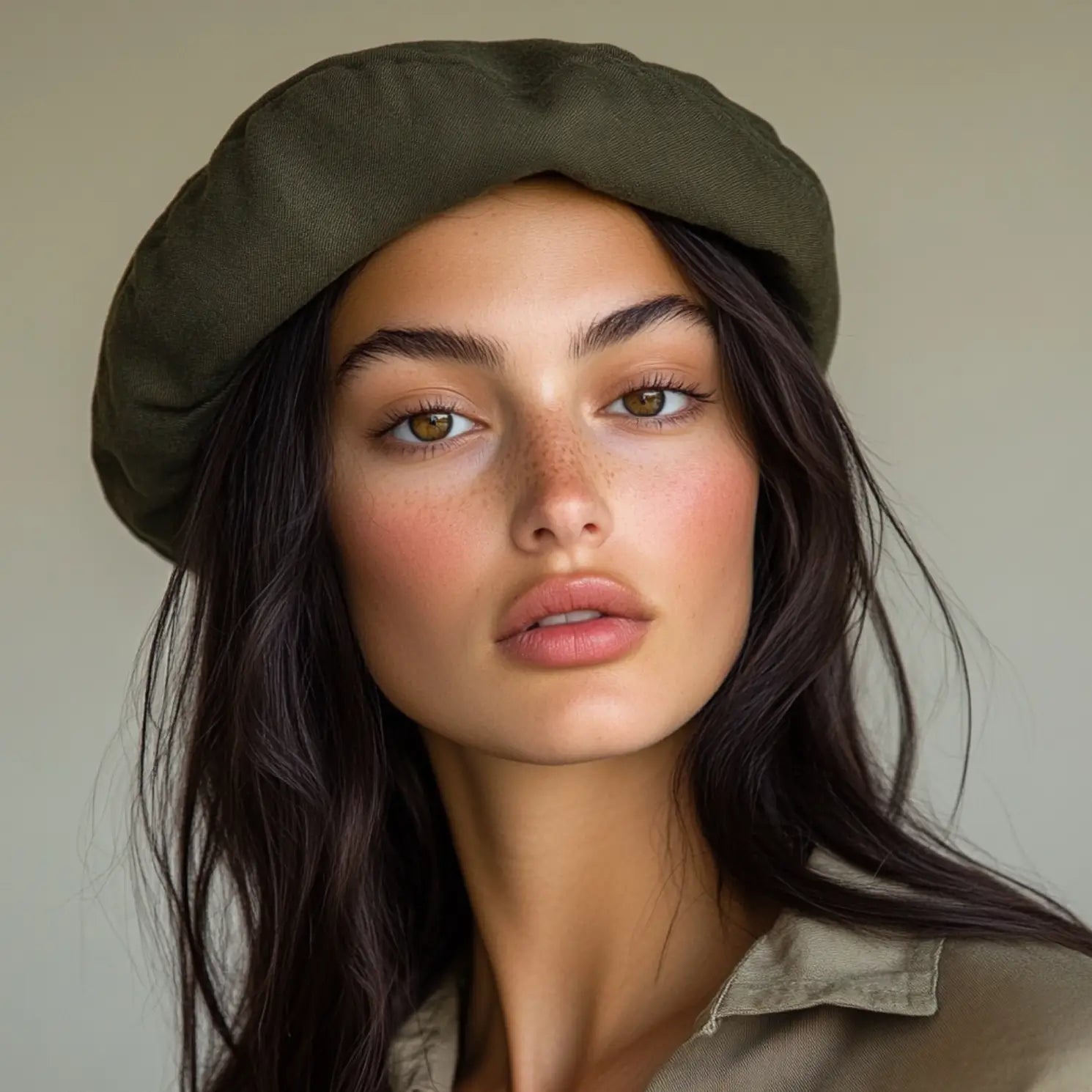
A beret is shaped. You set the band straight across the forehead, push the fullness back and over to one side, and the felt keeps that position all day. A tam is simply pulled on and allowed to fall, with the volume sitting where it likes. Trying to shape a tam into a beret silhouette rarely works, because knitting will not hold the fold.
- Beret: band level, crown pushed back and tilted to one side, hair loose or low.
- Tam: pulled on level or slightly back, volume left full, no shaping needed.
- Both: keep the front edge off the eyebrows so it frames the face rather than hiding it.
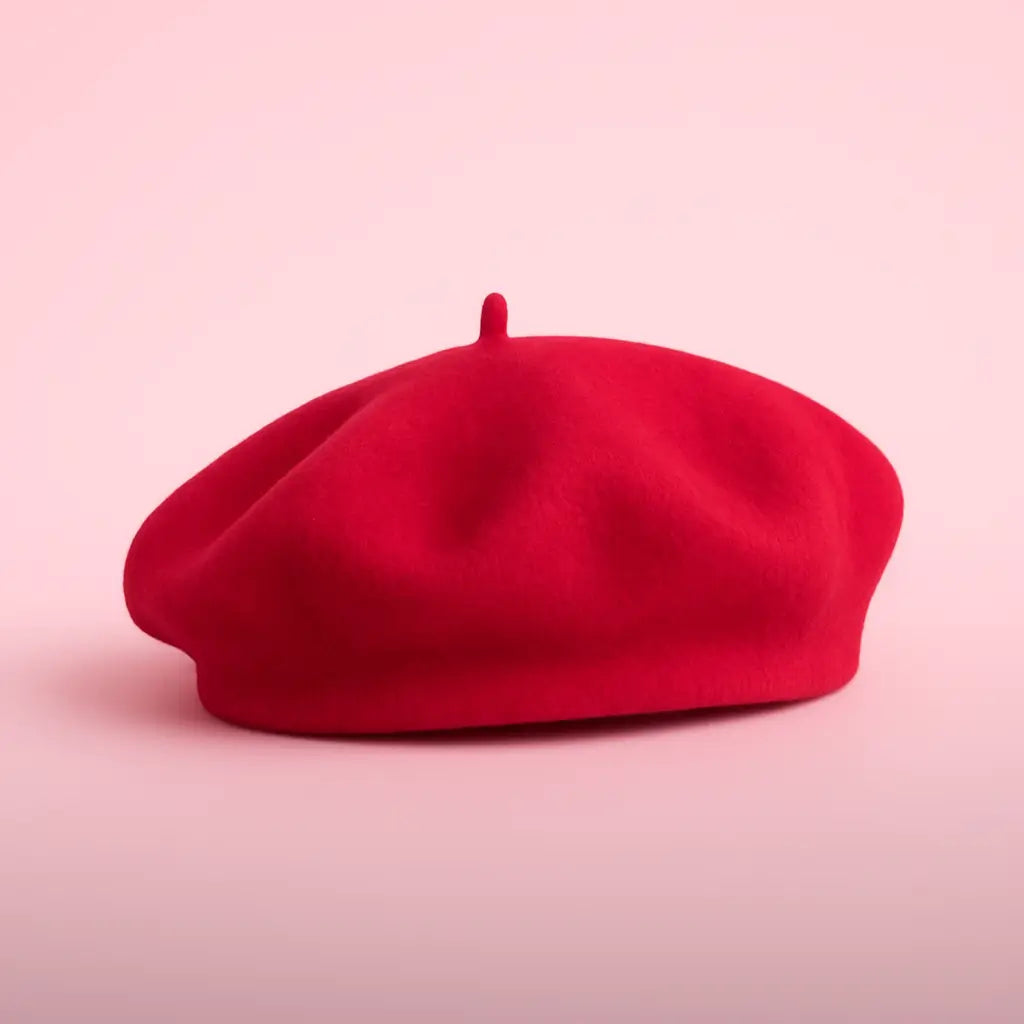
Who a wine red beret suits best
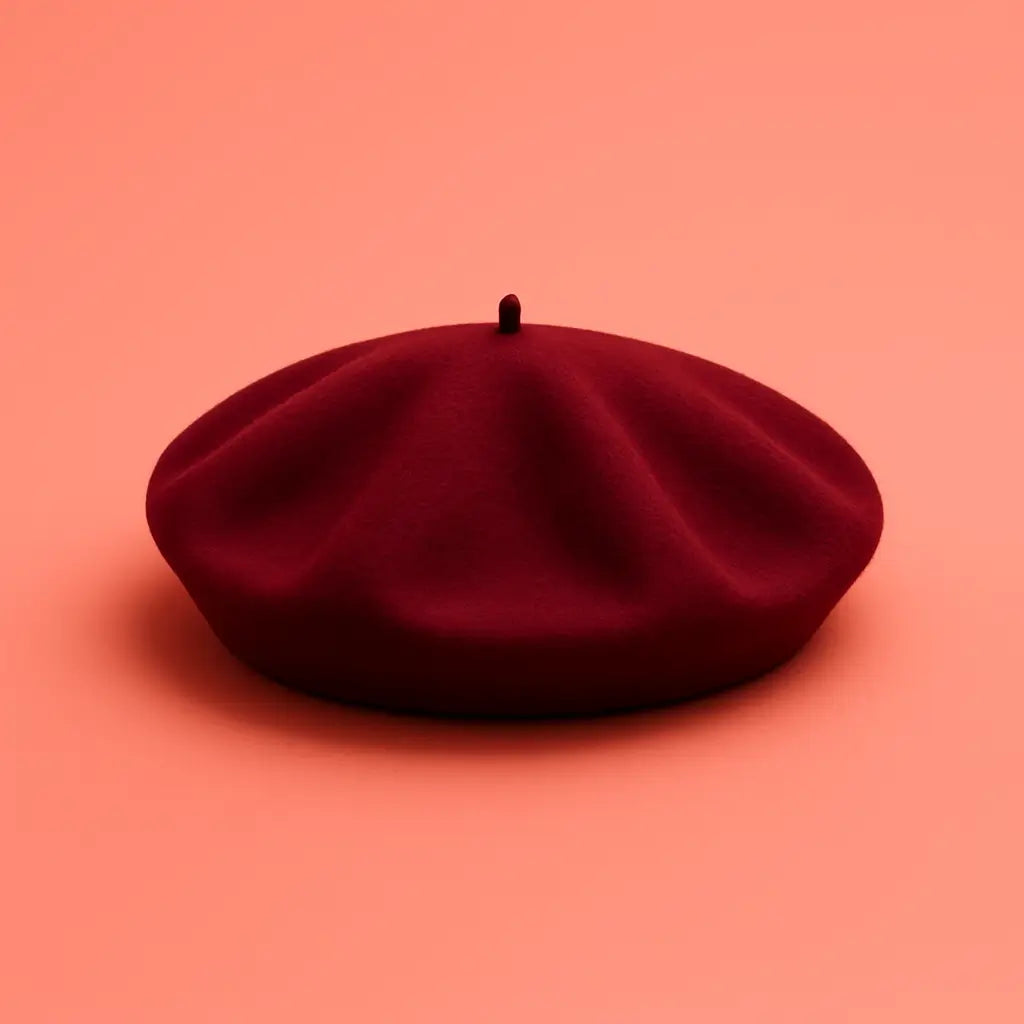
Anyone who already owns a black beret and wants a second with colour in it, wearers who dress around camel and charcoal, and people who want the dressier end of the felted shape.

★★★★★ 4.9 · 85 reviews
Wine Red Beret
Deep burgundy with a soft, velvety surface. Our most reviewed colour, and sharp against black, grey or camel.
Shop now · $45Which one should you choose?
If you came here from a photograph of Paris, you want a beret. If you came here wanting something soft, warm and unfussy for winter walks, a tam may suit you better. A few honest pointers.
- Choose a beret if you want a hat that dresses an outfit up and holds a deliberate shape.
- Choose a tam if you want volume, softness and a hat that needs no arranging.
- For fine or flat hair, the beret's shaped crown gives structure a tam cannot.
- For thick or curly hair, the tam's extra room is genuinely more comfortable.
- For wind and cold, felted wool blocks more than open knitting does.
Caring for each of them
The care advice you find for one is often wrong for the other, which is where a lot of ruined hats come from. Knitting and felt fail in different ways.
- Beret: brush the surface, spot clean cool, reshape damp over a plate, dry flat.
- Tam: hand wash cool with wool wash, press the water out without wringing, dry flat.
- Both: store flat rather than crushed, and keep them away from radiators.
- Pilling: shave a knitted tam gently. On felt, brush rather than shave.
The single worst thing you can do to either is put it in a hot machine wash. It is a common piece of advice online, and for a felted beret in particular it is simply wrong.
Never machine wash or tumble dry a felted wool beret. Heat plus agitation is exactly the process used to felt the wool in the first place, so the hat simply continues felting: it shrinks hard, the crown goes stiff, and nothing brings it back.
Frequently asked questions
A beret is French, knitted then felted into dense flat wool, and worn shaped to one side. A tam is Scottish, usually left knitted and soft, fuller through the crown, and finished with a pompom called a toorie.
No. They are two separate wool cap traditions that developed independently. The similarity is that both are round and brimless, not that one is a version of the other.
The traditional civilian tam does, and the pompom is called a toorie. The military tam o'shanter worn by Scottish regiments is plainer and often has none.
No. A beret has a firm inner headband, not a brim. Any hat with a projecting brim is something else, such as a cap or a boater.
A felted beret usually blocks wind better because the surface is closed. A thick knitted tam traps more air, so it can feel warmer when it is still and cold.
You can tilt one, but it will not hold the position. Knitting relaxes back to its own shape within minutes, while felt keeps the fold you give it.
So the difference is not really style, it is craft. One hat is knitted and left soft in Scotland, the other is knitted and then felted into shape in the Pyrenees, and everything you notice about them follows from that. If it holds its fold, you are wearing a beret.


Worn well, never overthought.
Camille