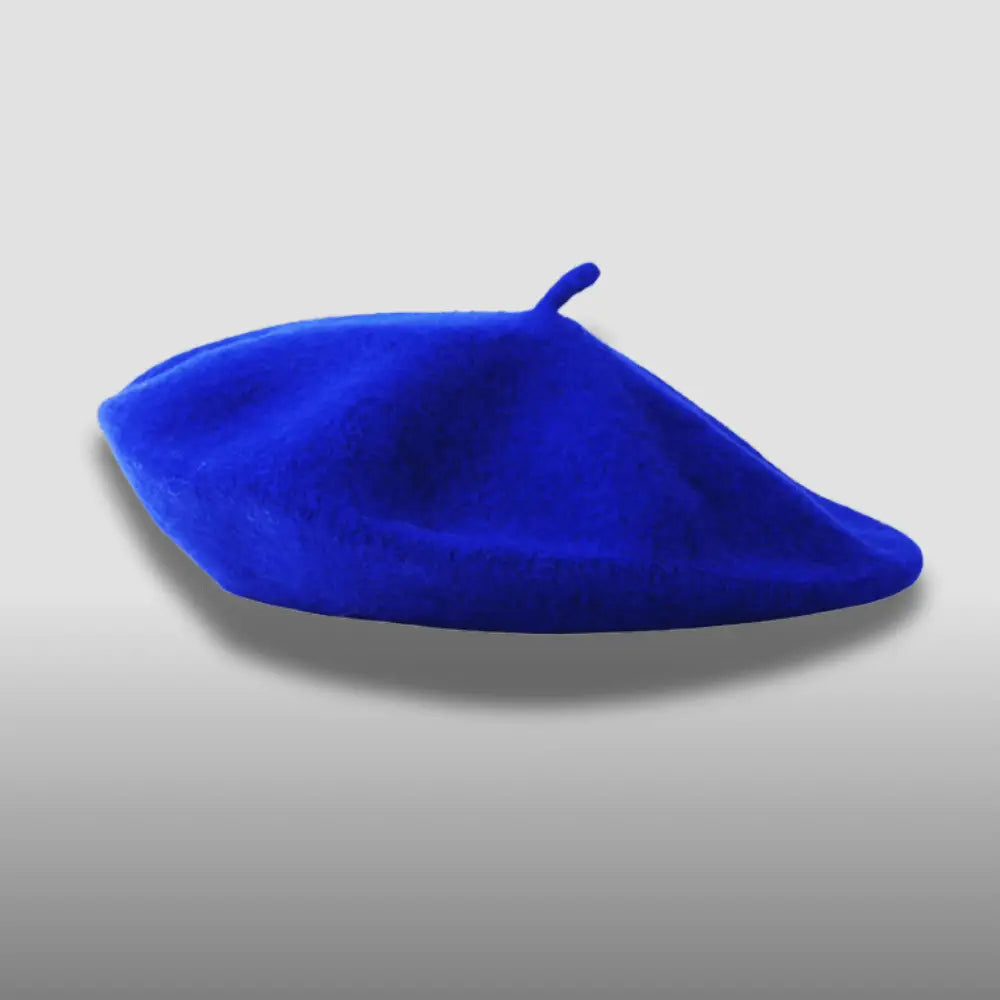
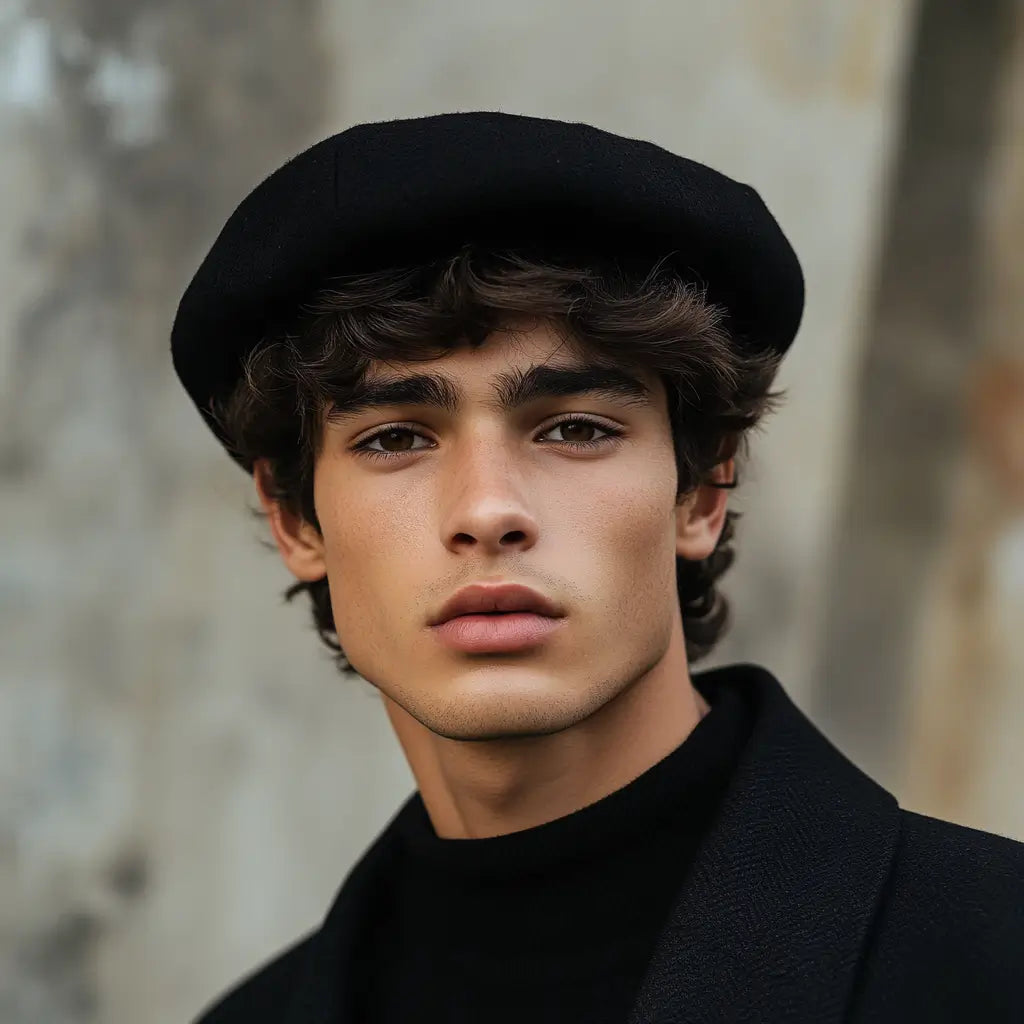
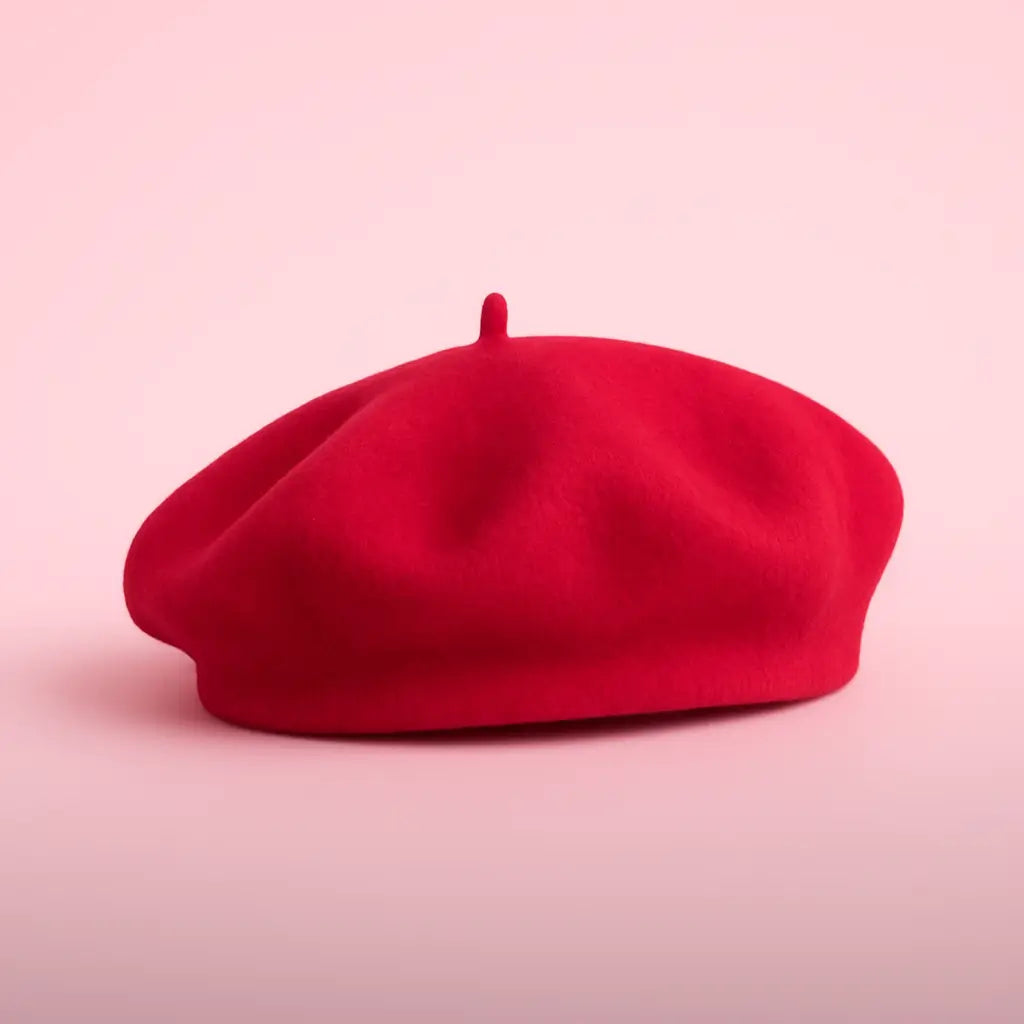
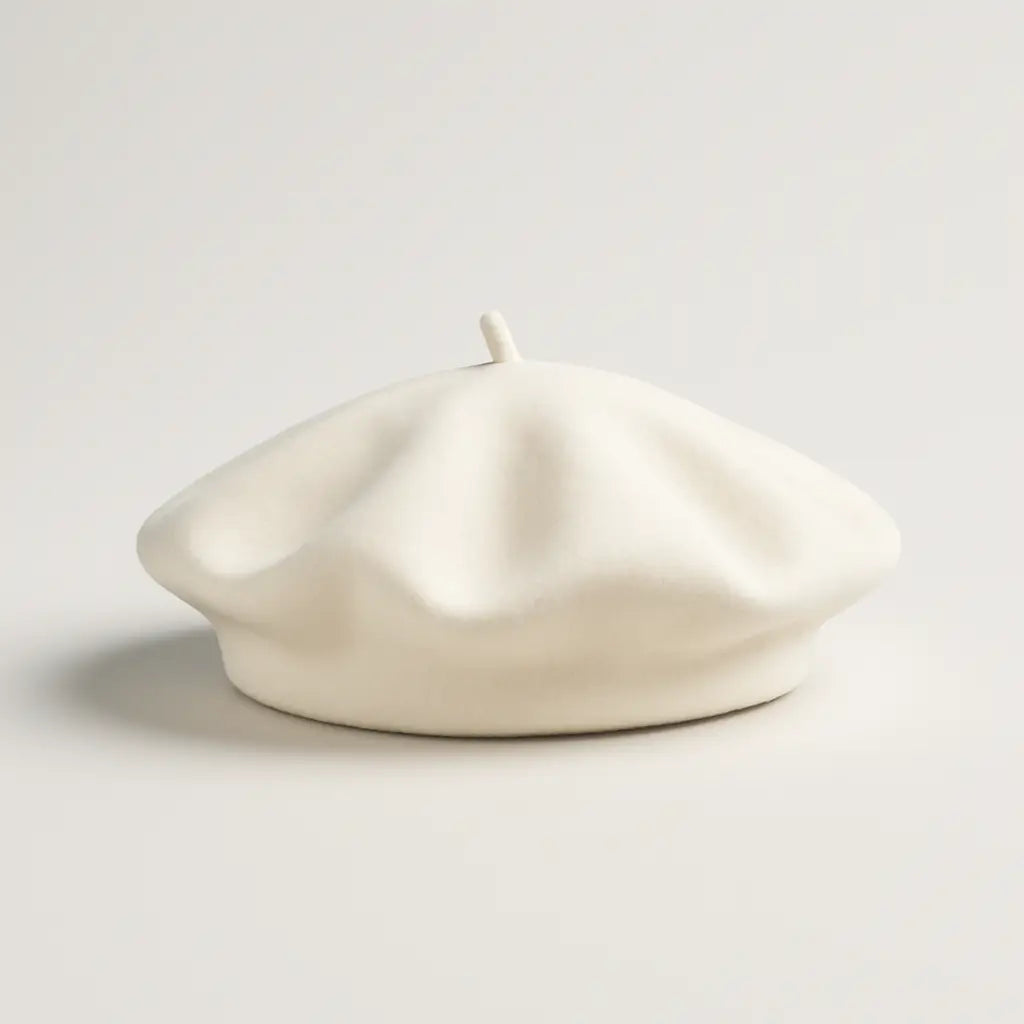
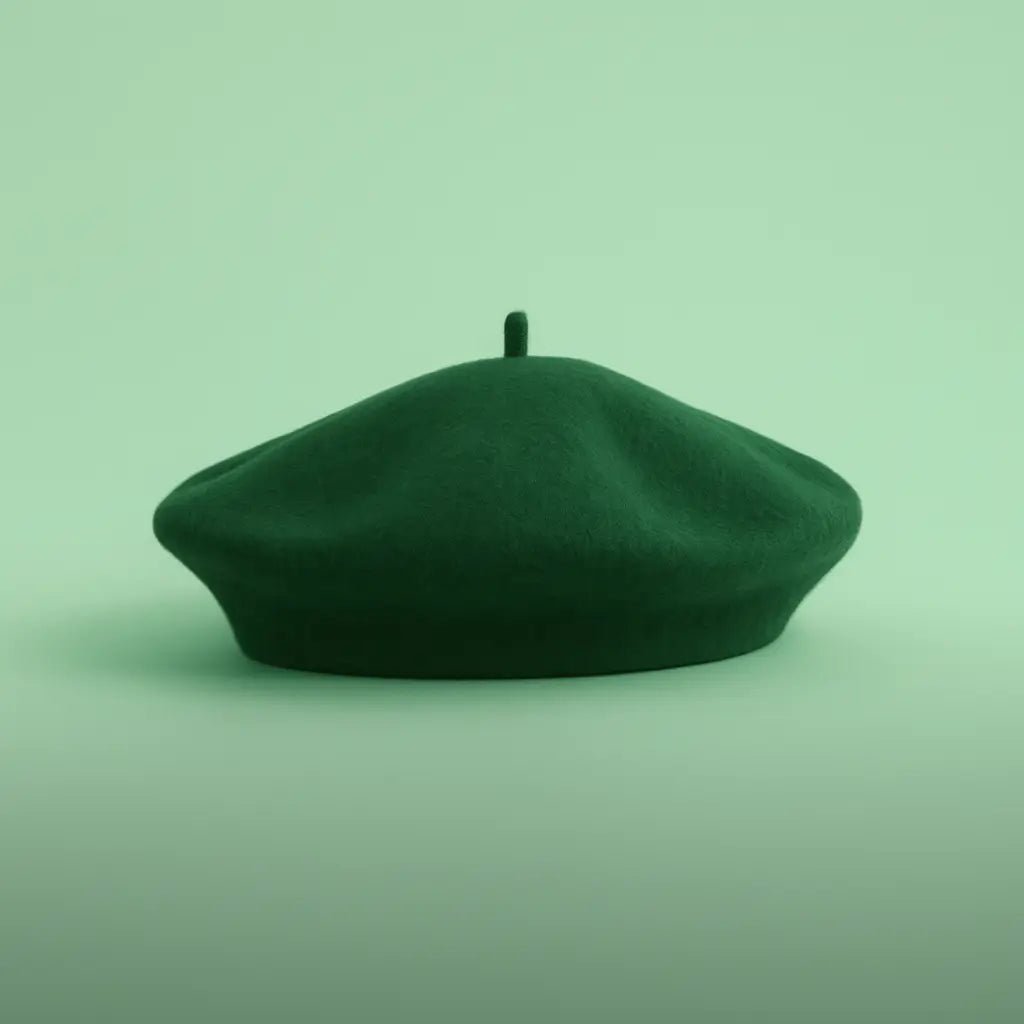
Short answer: a beret is a soft, round, brimless hat with a flat crown and a snug fitted band, traditionally made from wool or felt. It has no structure beyond that fabric and band, which is exactly why it folds flat, packs easily and shapes itself to whoever wears it.
I am Camille, and I shape and finish berets by hand in the family atelier, in the same Béarn tradition the hat comes from. So here is what a beret actually is, what it is made of, and how it differs from the caps people often mistake it for.
- A beret is a round, brimless, flat-crowned hat with a fitted band, usually wool or felt.
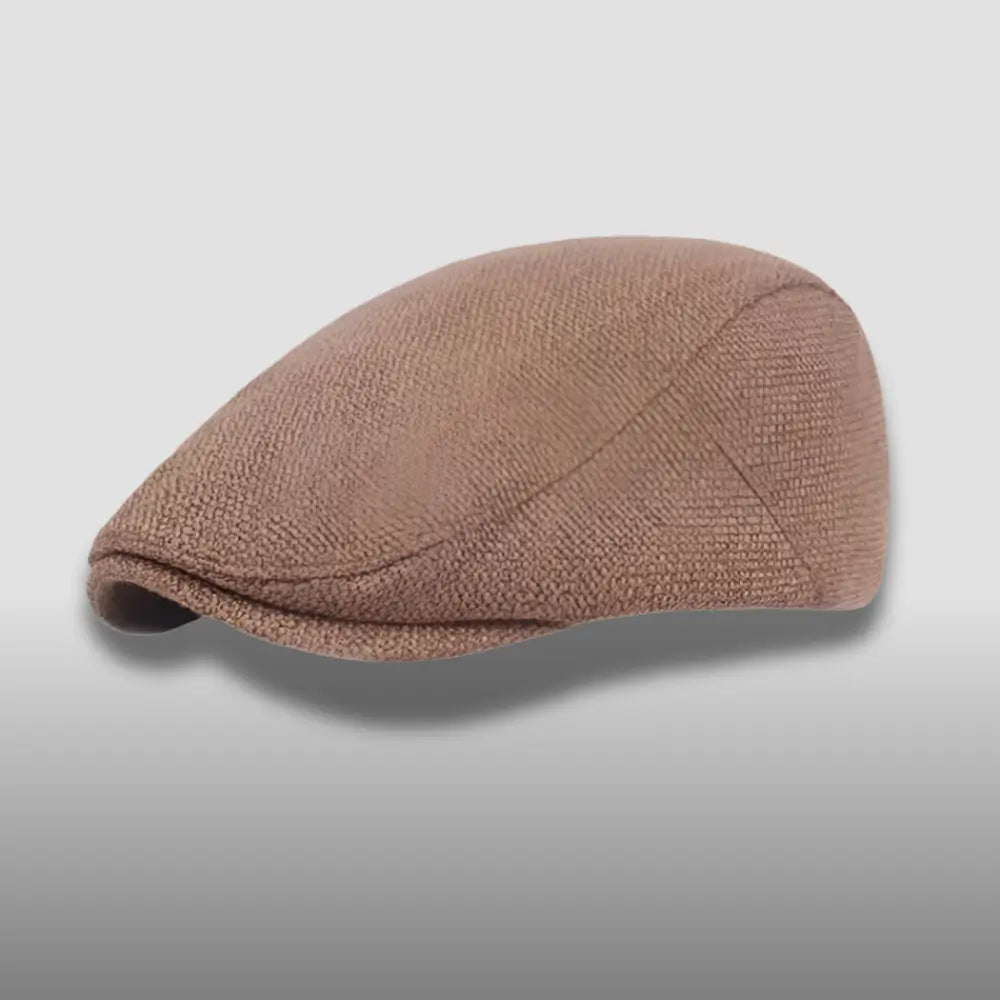
- It has no stiff structure, unlike a flat cap or a newsboy cap.
- It comes from the Béarn and Basque regions of southwest France, worn first by shepherds and farmers.
- One size fits most, since the fabric gives and moulds to the head.
- The same shape works casually or dressed up, depending on the fabric and the outfit around it.
Beret vs. other round hats
People often lump the beret in with a few similar-looking hats. Here is what actually sets it apart.
| Hat | Brim | Structure |
|---|---|---|
| Beret | None | Soft, no stiffening |
| Tam o'shanter | None | Softer, often pompom-topped |
| Flat cap | Small, stiff | Structured with a peak |
| Newsboy cap | Small, stiff | Panelled, structured |
The anatomy of a beret
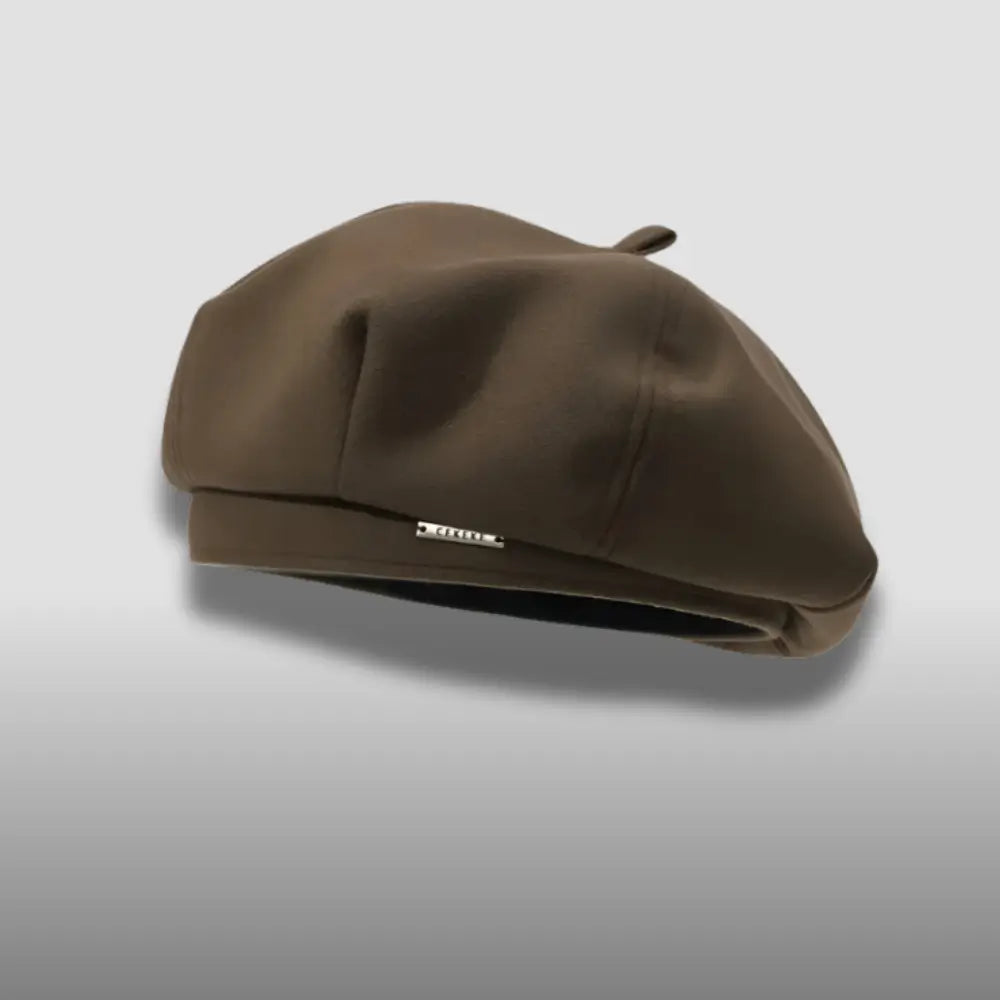
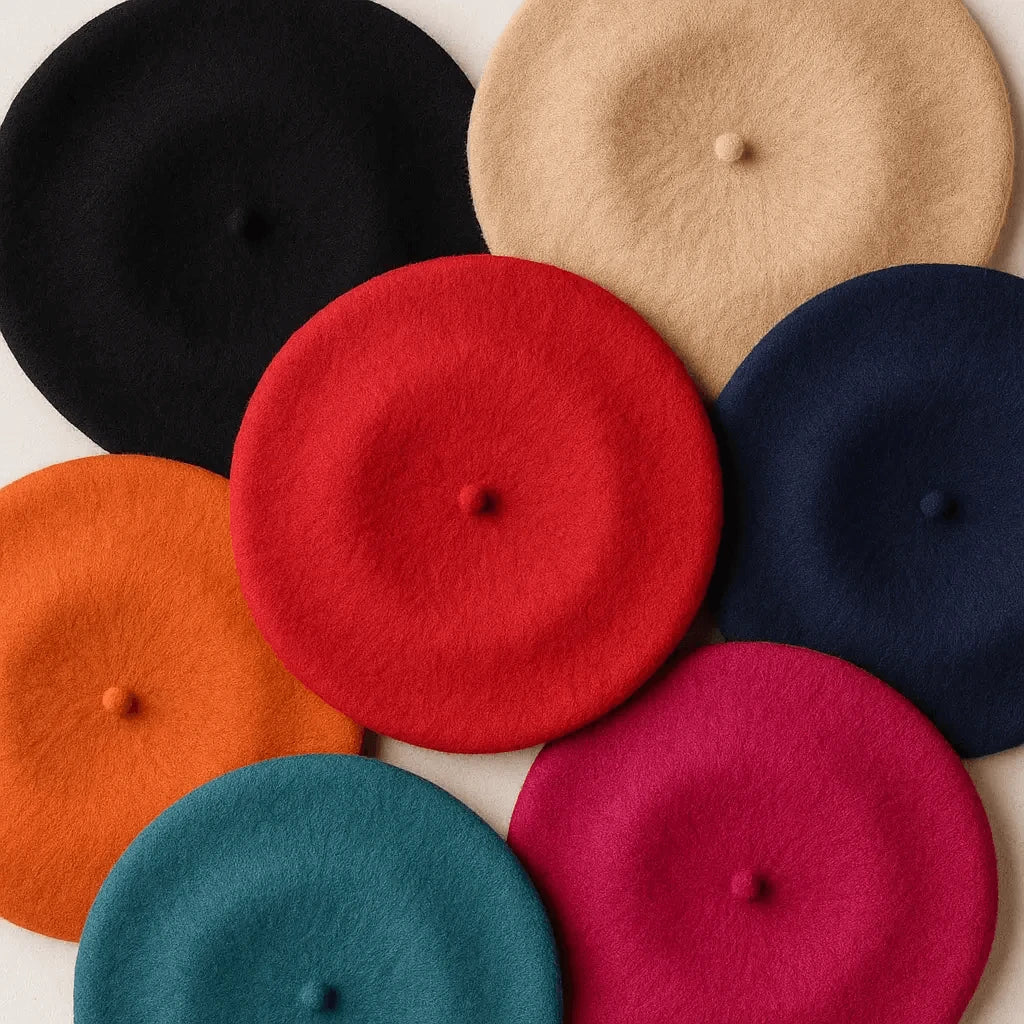
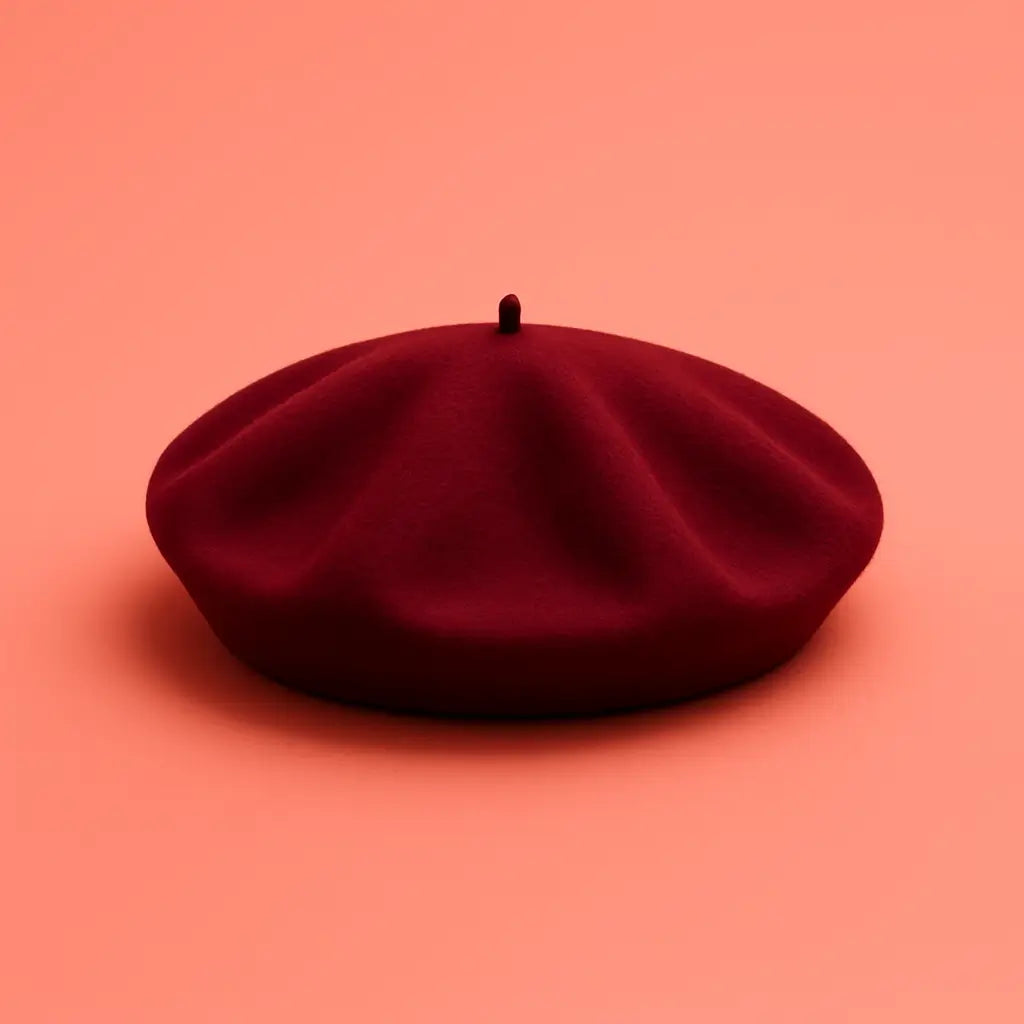
A beret is built from very few parts, which is most of its appeal. A circle of fabric, gathered and shaped into a flat, slightly domed crown, sits above a narrow fitted band that holds it in place on the head. Most berets carry a small fabric loop or knot at the centre top, a leftover of the traditional construction rather than a functional part.
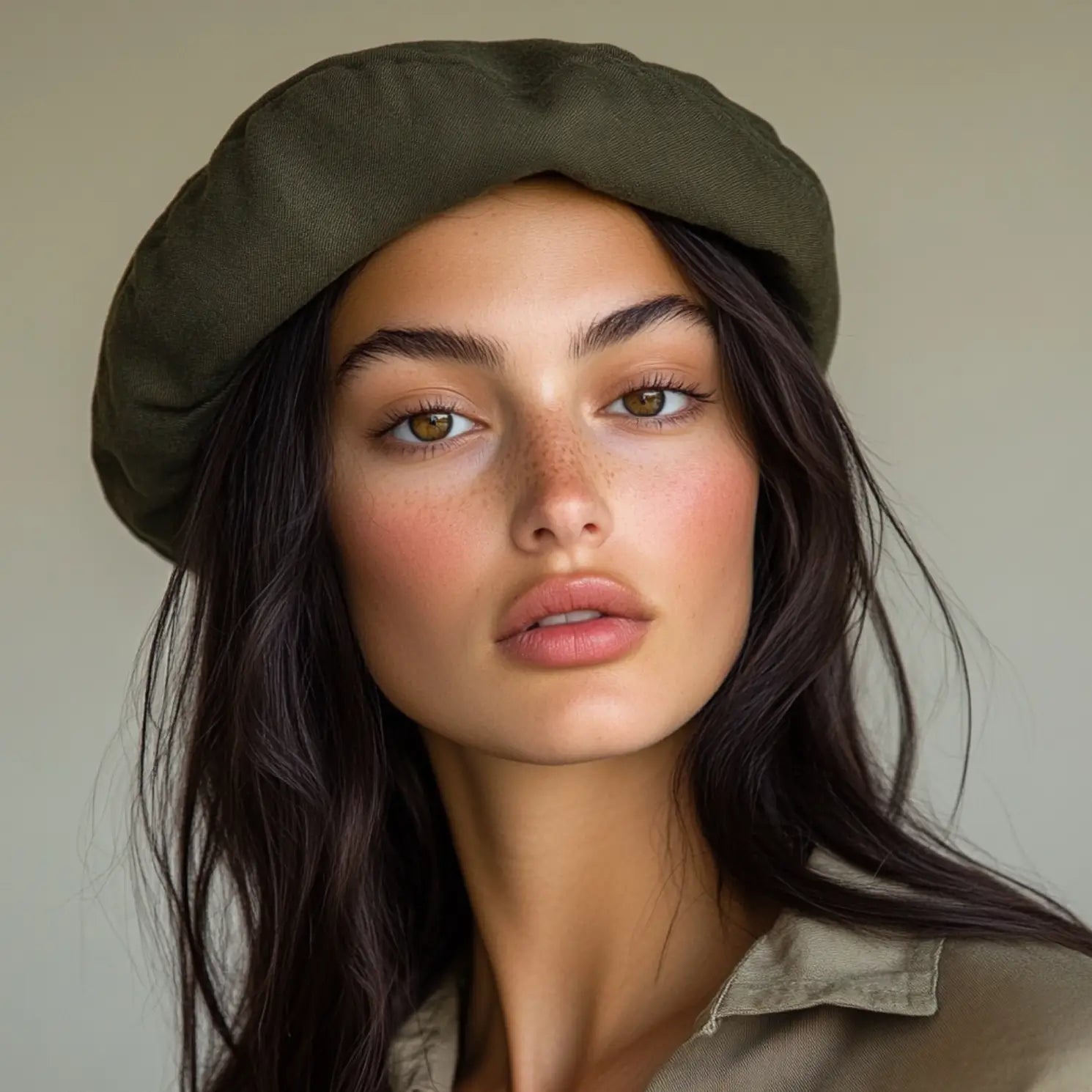
That simplicity is what makes a beret so easy to wear well. There is no peak to angle correctly and no stiff brim to fight with, so the whole hat can be tilted, pushed back or set low without ever looking wrong. If you want the exact placement that reads best, our guide on how to wear a French beret walks through it step by step.
Who a classic wool beret suits best
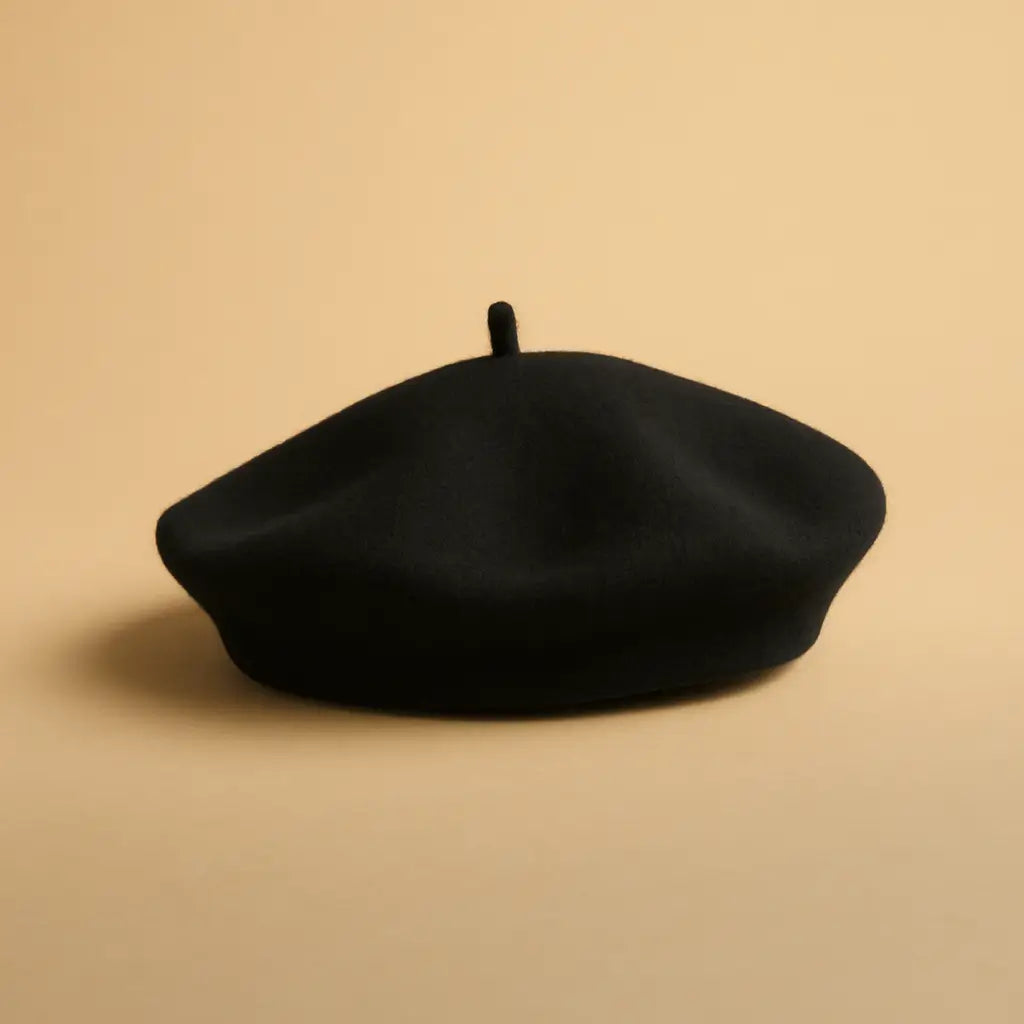
Anyone wanting the true, traditional beret shape, first-time wearers who want a reliable everyday piece, and dressers who prefer one dependable neutral over a bold statement colour.

★★★★★ 4.8 · 62 reviews
Black French Beret
A sleek matte black beret in the classic shape, the easiest starting point if you are new to wearing one.
Shop now · $39Look for the fitted band, not the crown, when you check a beret for fit. The crown is meant to sit loose and slightly domed. It is the band that should hold the hat snugly in place without pinching.
What a beret is made from
Wool is the traditional material, and for good reason. It holds its shape, resists wind and keeps real warmth in, which is exactly what shepherds in the Béarn needed centuries ago. Felted wool in particular gives a beret its slightly stiff, structured drape without any actual stiffening inside the fabric.
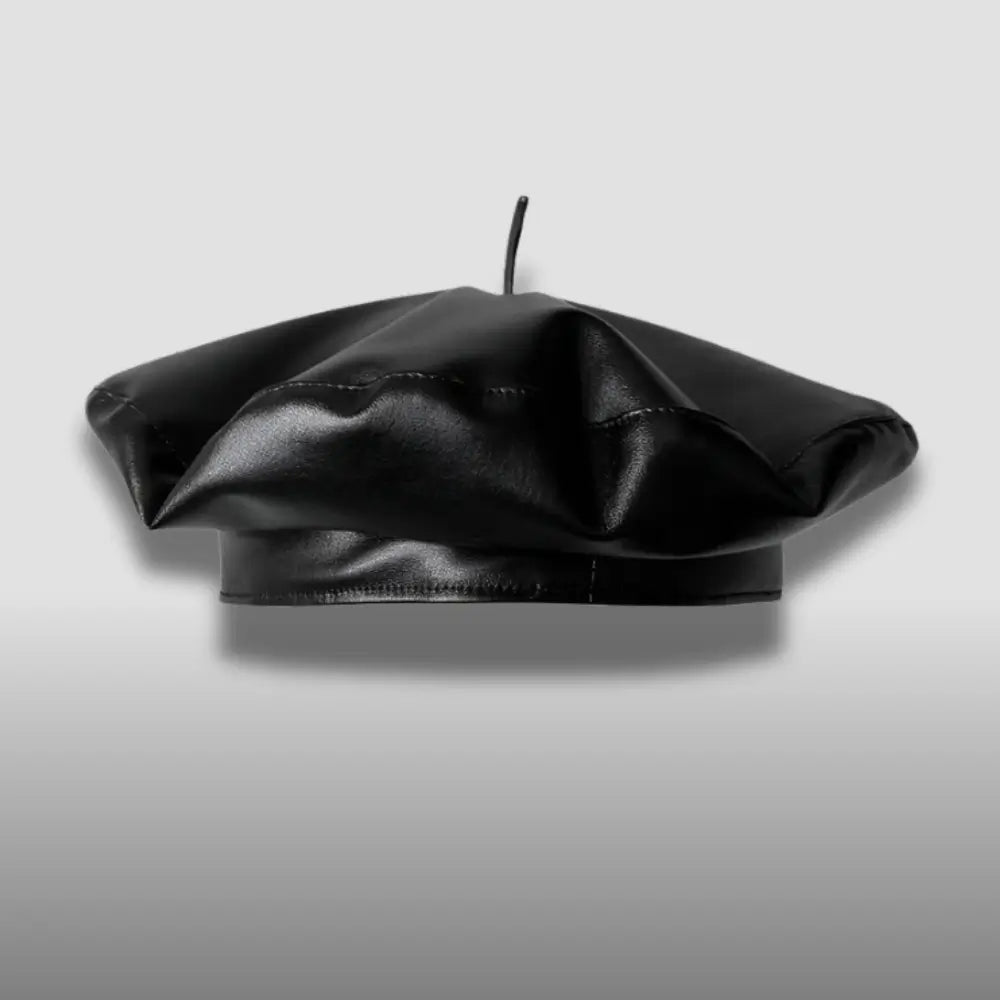
Modern berets widen that a little. Cotton and lighter wool blends suit warmer weather, velvet adds shine for evening wear, and leather gives a completely different, more structured finish. Whatever the material, the underlying shape stays the same. For a full breakdown by fabric, see what is the best fabric for a beret.
Who a lighter wool beret suits best
Anyone who wants a beret they can wear across more of the year, people layering it under a coat where bulk matters, and dressers who prefer a softer, less structured drape.

★★★★★ 4.8 · 60 reviews
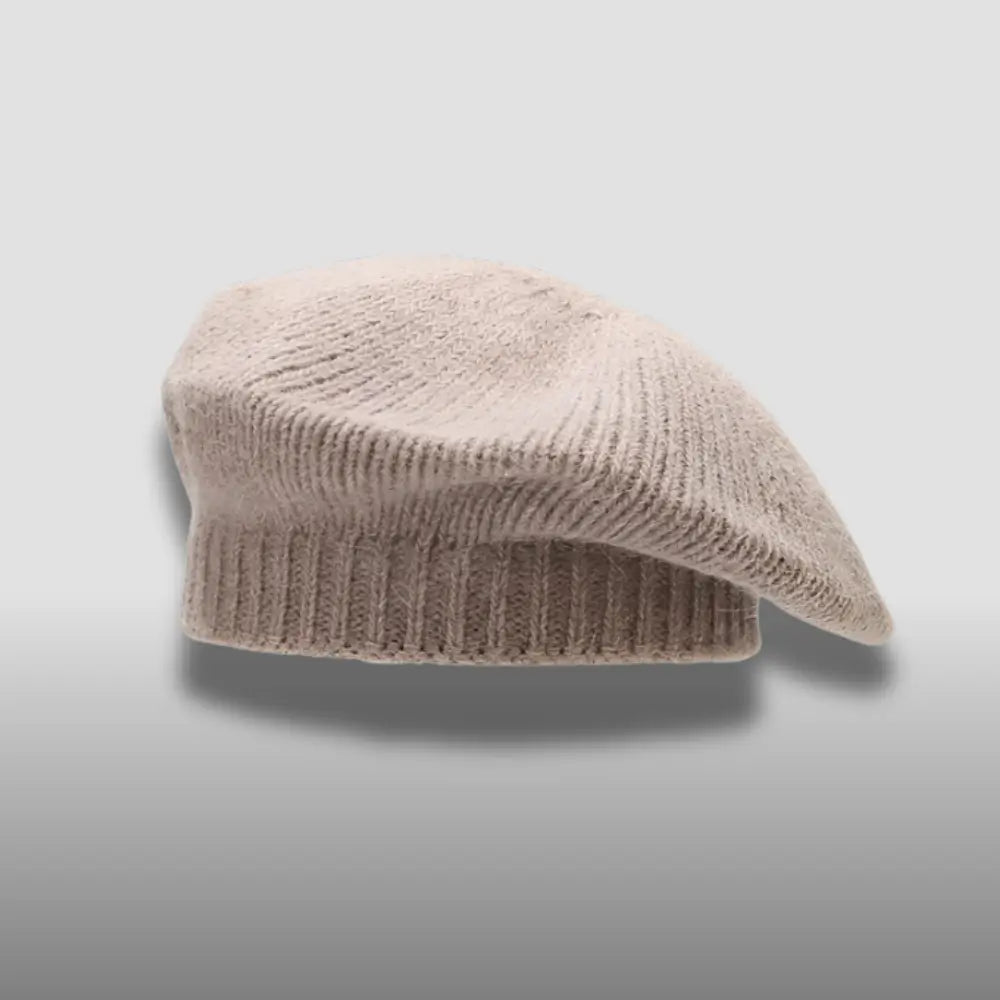
Beige Wool Beret
A lighter wool blend in a soft cream shade, comfortable from cool mornings into a mild afternoon.
Shop now · $45
Where the beret came from matters here too. It was born as work clothing, not fashion, in the Béarn and neighbouring Basque country, where shepherds and farmers needed something warm, cheap to make and easy to fold into a pocket. It kept that practicality even as it moved into cities and became a style statement.
Where the beret comes from
The beret's roots sit firmly in rural southwest France, in the same Béarn hills my own family has worked in for three generations. It crossed from countryside to city sometime in the 19th century, and by the early 20th century it had been picked up by artists, students and intellectuals in Paris, who wore it as a marker of a certain bohemian identity as much as for warmth.
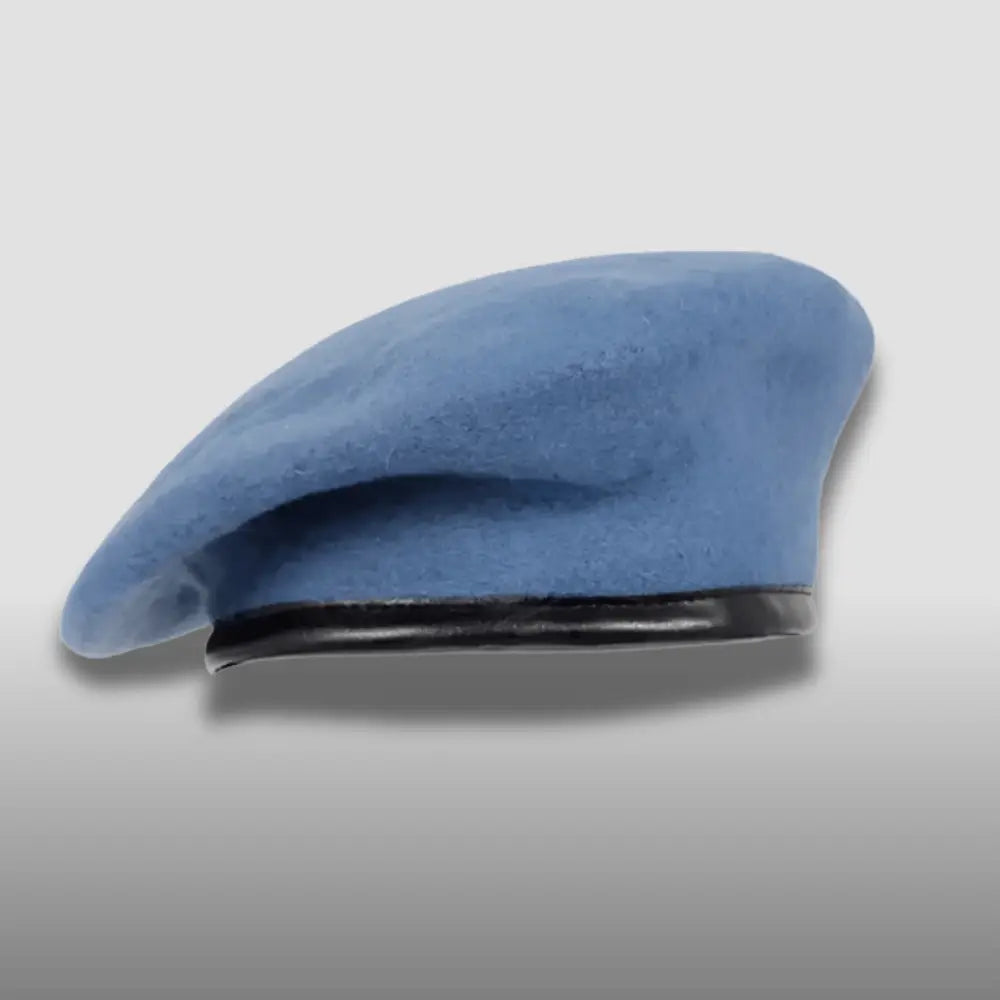
Its association with the military came later, adopted by various armies for its practicality: light, packable and quick to put on. That double history, working hat and cultural symbol at once, is part of why the beret has stayed relevant for so long instead of fading as a costume piece.
Who a classic colour beret suits best
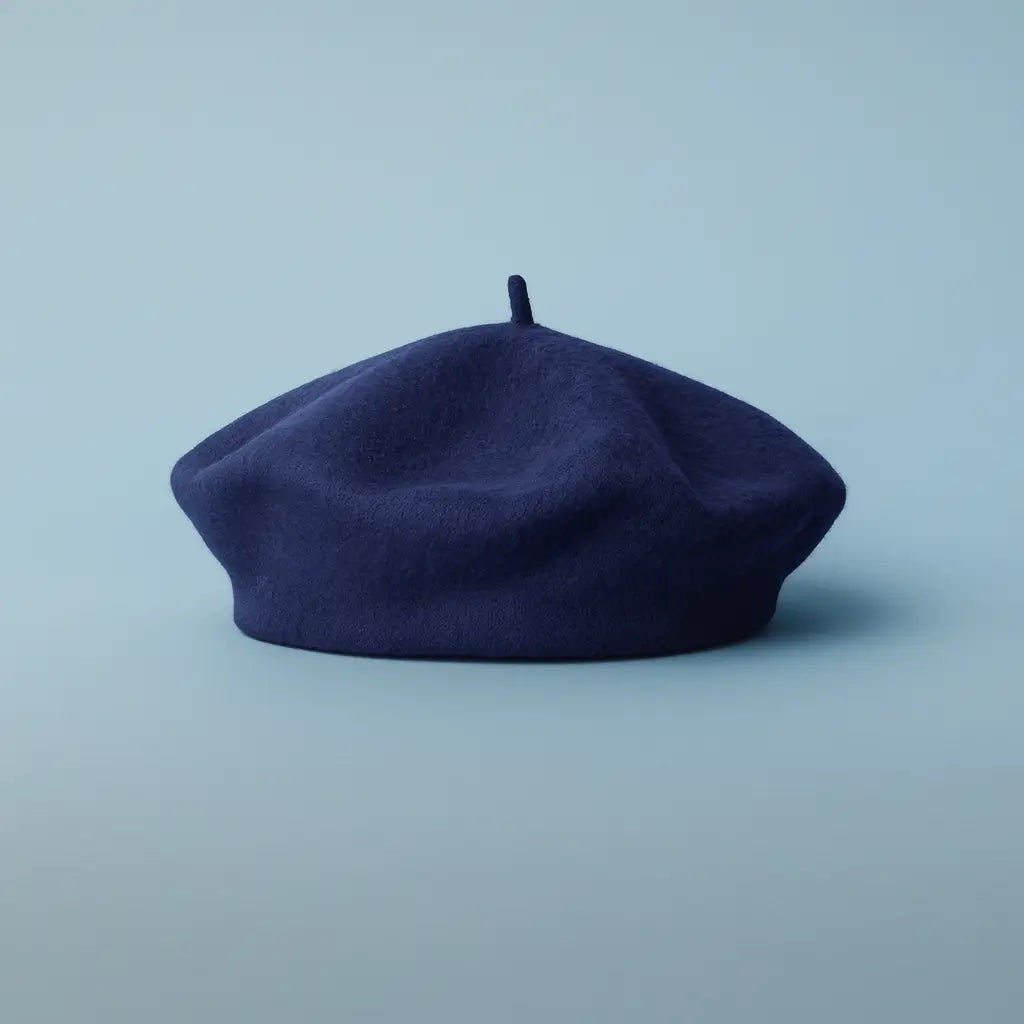
Anyone drawn to the beret's original, workwear roots, people who want a neutral that carries from casual to slightly dressed up, and dressers who like a piece with real history behind it.

★★★★★ 4.9 · 75 reviews
Navy Blue Beret
A soft, sleek navy beret in the traditional shape, equally at home over a coat or a plain shirt.
Shop now · $45How to choose your first beret
- Start with wool or felt for the true, traditional feel.
- Pick a snug band size, not a snug crown. The crown should sit loose.
- Black or navy is the easiest colour to build a first outfit around.
- Save leather and velvet for once you are comfortable with the shape.
Caring for a beret
A wool or felt beret asks for very little, which is another reason it has lasted this long as a wardrobe staple.
- Brush the fabric gently to lift dust and keep the surface looking fresh.
- Reshape the crown by hand after wear so it dries evenly rather than crushed.
- Store it flat or lightly stuffed, away from direct heat.
Never machine wash or tumble dry a wool or felt beret. The heat and agitation shrink and felt the fabric further, warping the shape in a way that will not press back out.
Frequently asked questions
A soft, round, brimless hat with a flat crown and a fitted band, traditionally made from wool or felt. It has no stiff structure, which lets it fold flat and shape itself to the head.
Both are round, brimless and soft, but a tam o'shanter is typically looser and often finished with a pompom on top, while a beret sits closer to the head with a plain crown.
Wool, usually felted for extra structure and warmth. Modern versions add cotton, velvet and leather for different weights and finishes.
The Béarn and Basque regions of southwest France and northern Spain, where it began as practical headwear for shepherds and farmers before spreading into wider fashion.
Most are sold one size, since the soft fabric moulds to the head, though a few styles offer a roomier fit for larger head sizes.
So, what is a beret? At its simplest, a circle of wool and a fitted band, shaped by centuries of practical use into one of the most versatile hats there is. Once you understand the shape, every styling choice after that is just personal taste.


Worn well, never overthought.
Camille