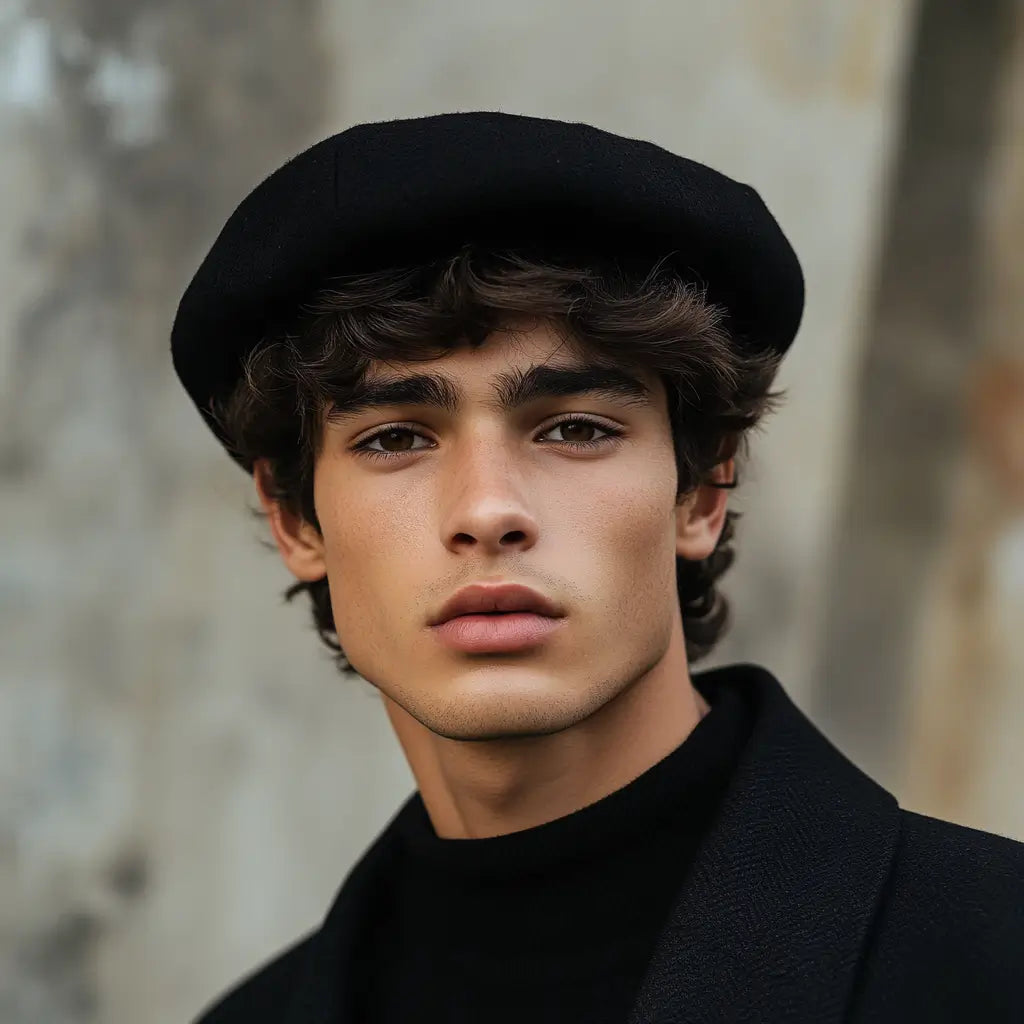
Short answer: painters started wearing berets in the 19th century because the shape was practical for a studio. Soft wool stayed comfortable through long sessions, a brimless crown could be tilted out of the way, and a dark colour hid the odd fleck of paint. Renoir wore one. So did the painters around him in Montmartre, and the habit never really left the art world.
I am Camille, and I shape berets by hand in the same wool tradition those painters wore. This is the real story behind the painter's beret: where it started, why it stuck, and how to wear one today without turning it into a costume.
- Painters began wearing berets in the 19th century, a habit tied to Pierre-Auguste Renoir and the Montmartre art scene.
- The soft, brimless wool shape stayed comfortable through long studio sessions and hid the odd fleck of paint.
- A tilted beret kept hair and fabric out of the artist's line of sight while working.
- The look became shorthand for bohemian identity, then travelled well beyond painting.
- Wearing one today is a nod to that studio tradition, not a fancy dress prop.
Where the painter's beret comes from
The beret did not start as an artist's hat. Shepherds in the Béarn and the Pyrenees, my own region, were wearing wool berets long before any painter picked one up. What changed in the 19th century was who else started reaching for it, and why.
| Era | Figure | What the beret signaled |
|---|---|---|
| 19th century | Pierre-Auguste Renoir and the Montmartre painters | Joining the new art movement in Paris |
| Early 20th century | Pablo Picasso | Bohemian identity, breaking from convention |
| 1980s New York | Jean-Michel Basquiat | A nod to that older painterly tradition, reworked for a new scene |
Why Renoir's generation reached for wool
Renoir and the painters working alongside him in Montmartre were not choosing a beret to make a statement, at least not at first. It was simply what was already worn by working people across rural France, and it happened to suit a studio just as well as a farm. Once enough artists were seen in one, the hat picked up a second meaning it never had before, and that meaning stuck.

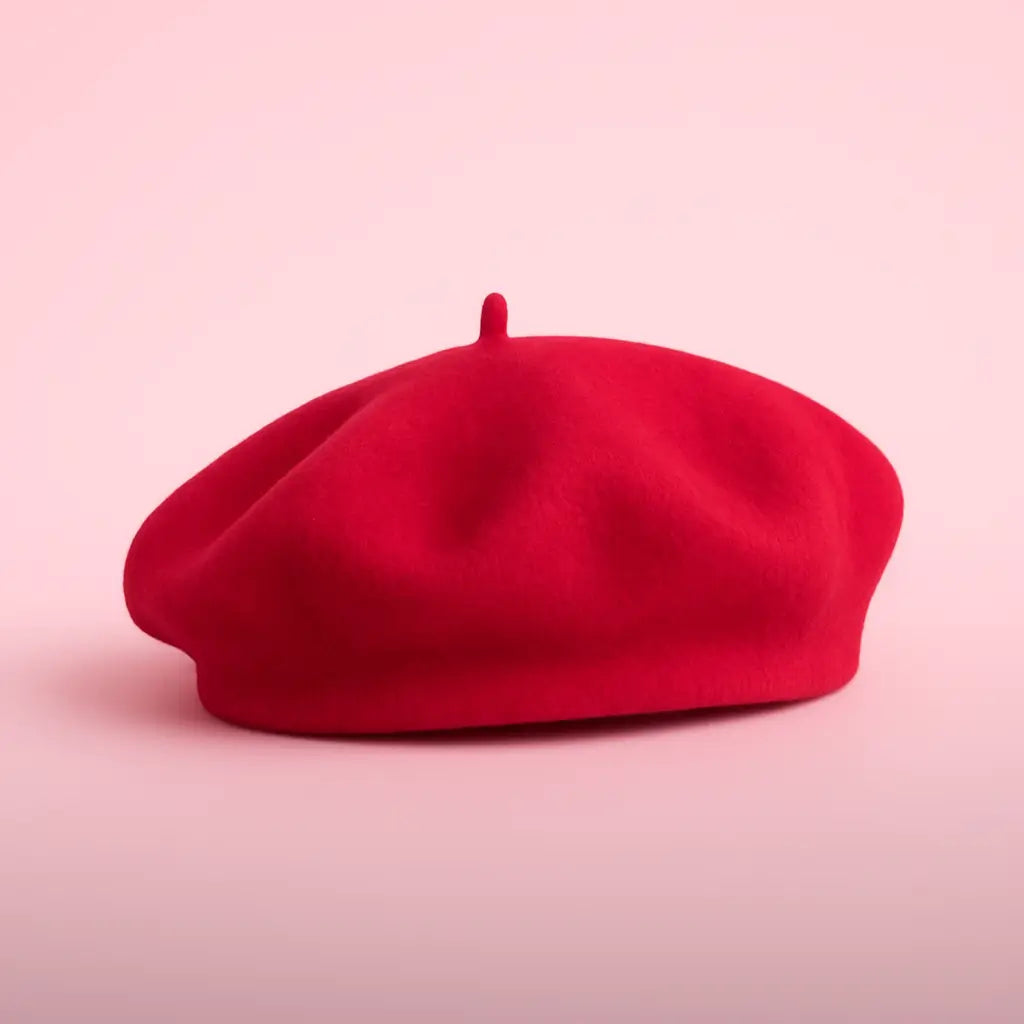
★★★★★ 4.8 · 62 reviews
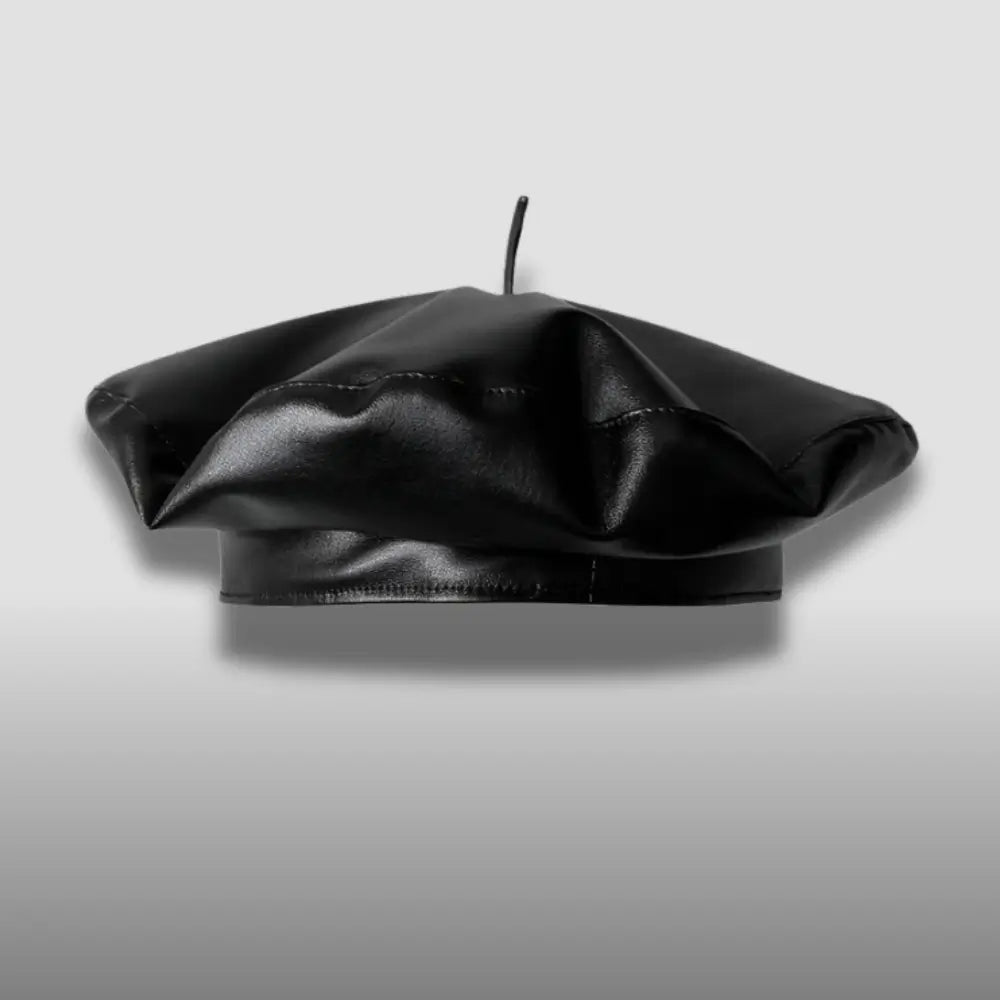
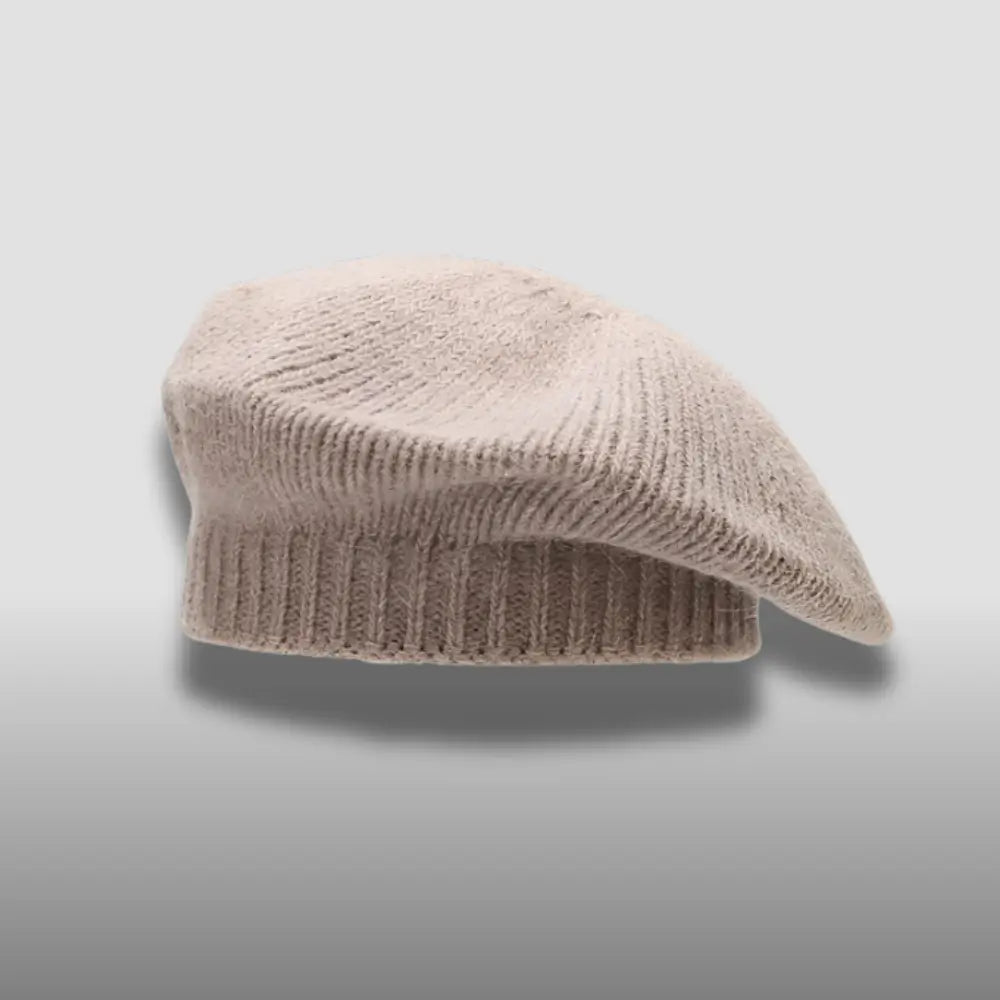
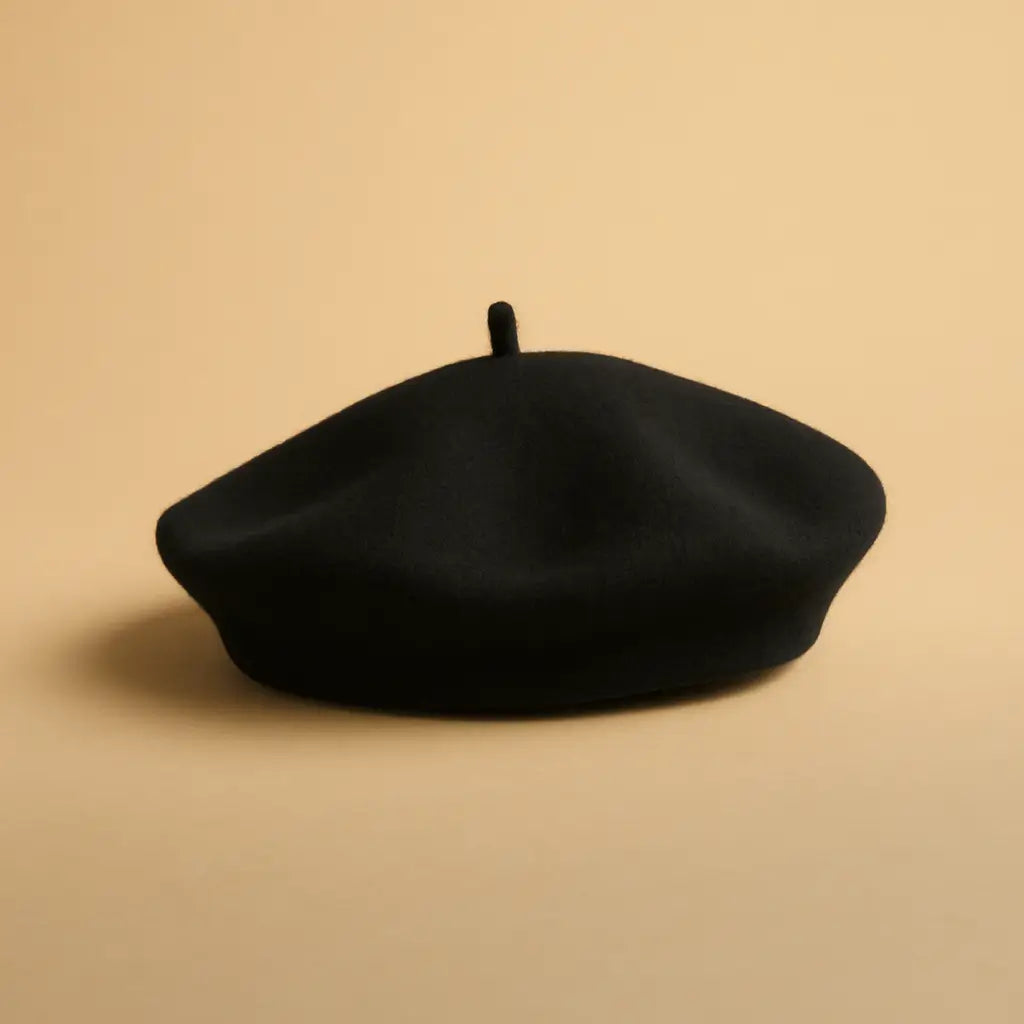
Black French Beret
Soft wool in classic black, the closest match to the beret painters wore a century ago. Sits flat, tilts easily, hides a smudge.
Shop now · $39If you want a beret that actually holds a painter's tilt, pick soft wool over stiff felt. Wool moves with your hand when you push it back and settles again on its own, while felt tends to hold whatever crease it started with.
Why the shape suited a working artist
Beyond the look, the beret earned its place in the studio for practical reasons. It has no brim to catch on an easel or block a side view of the canvas, and the loose wool crown does not pull tight across the forehead the way a structured cap does after a few hours. Painters who stood at an easel all day needed a hat that disappeared once it was on, and the beret did exactly that.
How painters actually wore it while working
Pushed back off the forehead, tilted to whichever side kept it out of the eye doing the looking, and left alone for the rest of the session. It is a working position, not a styled one, which is part of why it still reads as authentic rather than costumed.

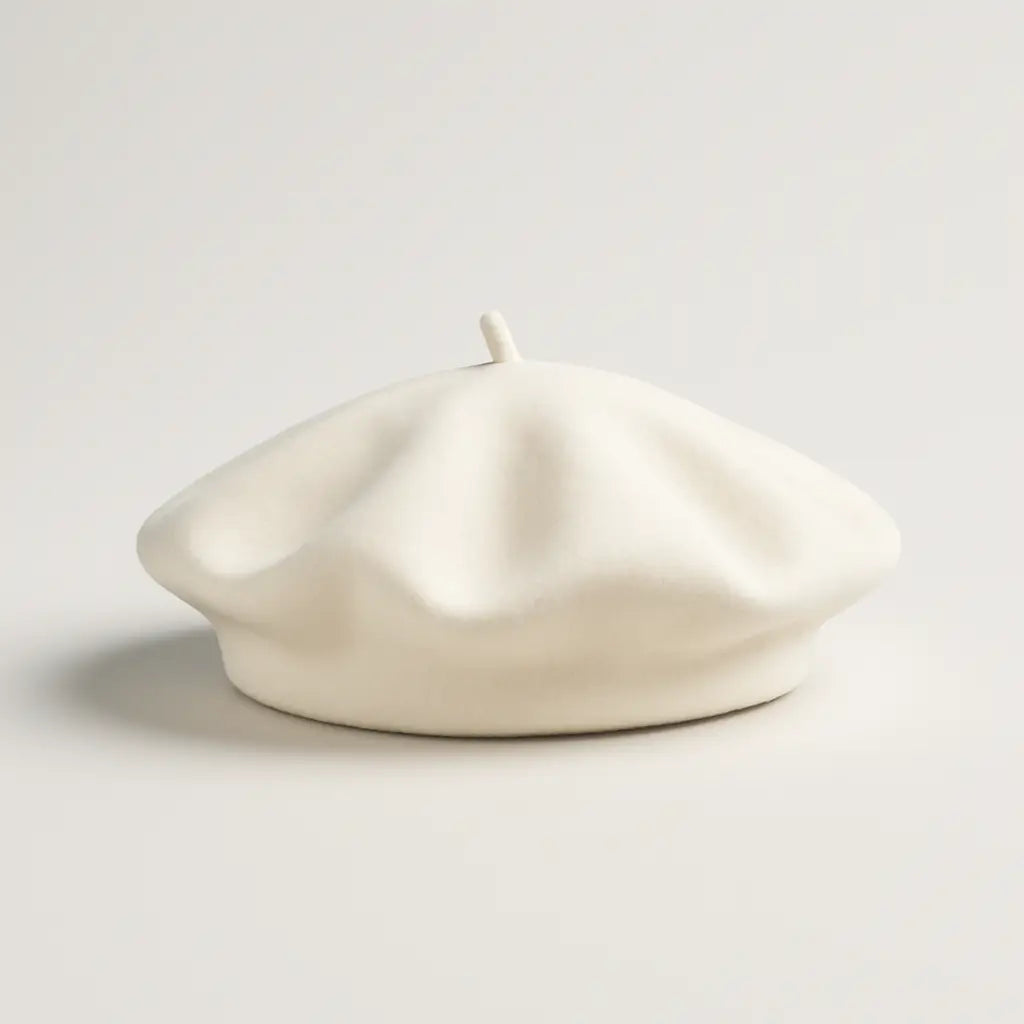
★★★★★ 4.8 · 61 reviews
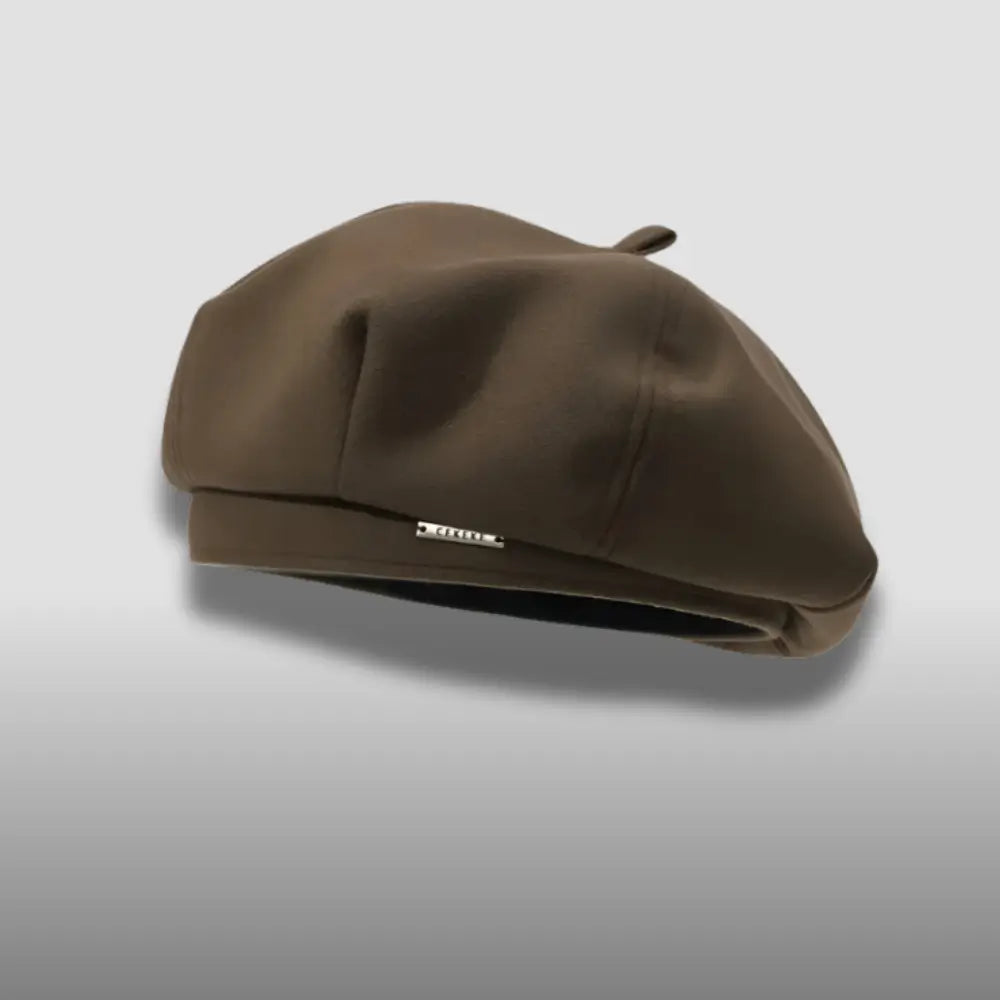
Chocolate Brown Beret
Warm wool with a soft, suede-like surface. An earthy, artisan tone that echoes the atelier rather than the runway.
Shop now · $45From Montmartre studios to today

The link between painters and berets never really broke, it just widened. Basquiat wore one in 1980s New York, decades and an ocean away from Renoir's Paris, and it still read the same way: a nod to a lineage of working artists rather than a costume piece. Film and photography kept reinforcing that image, so by the time the beret reached wider fashion, its artistic meaning was already baked in.
That is also why the beret shows up so often in art itself, painted on self-portraits and worn in photographs of studios. It has become a kind of shorthand, instantly readable even to people who could not name a single painter who wore one.
The beret as a symbol beyond the easel
Somewhere along the way, the beret stopped being only about painting and started standing in for a wider idea: creative independence, a willingness to work outside convention, a certain unbothered confidence. That is a lot of meaning for one soft wool hat to carry, but it has carried it for well over a century.
Who reaches for a painter's beret today
People who want a small, honest nod to that studio history. Not necessarily painters themselves, just anyone drawn to the idea of craft, patience, and making something with your hands, which happens to be exactly what goes into shaping one of these by hand in the first place.

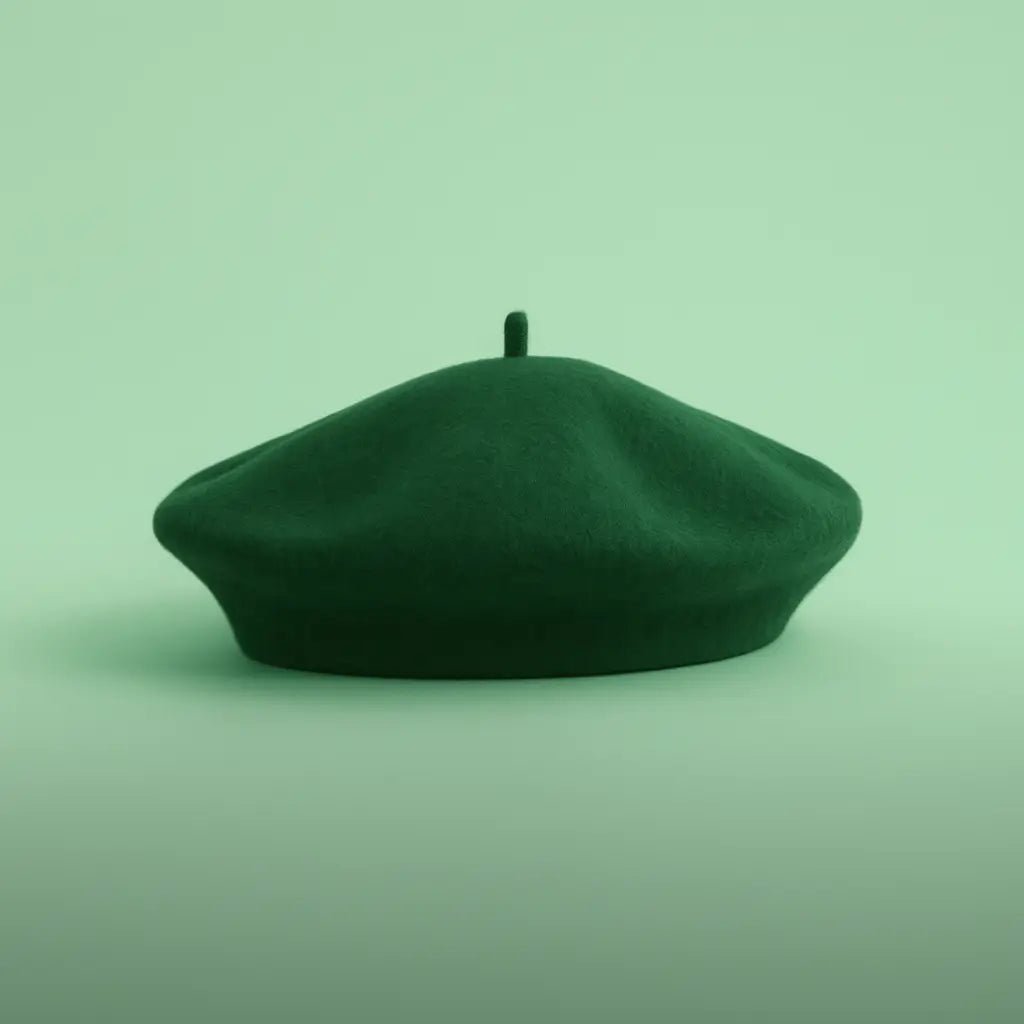
★★★★★ 4.8 · 89 reviews
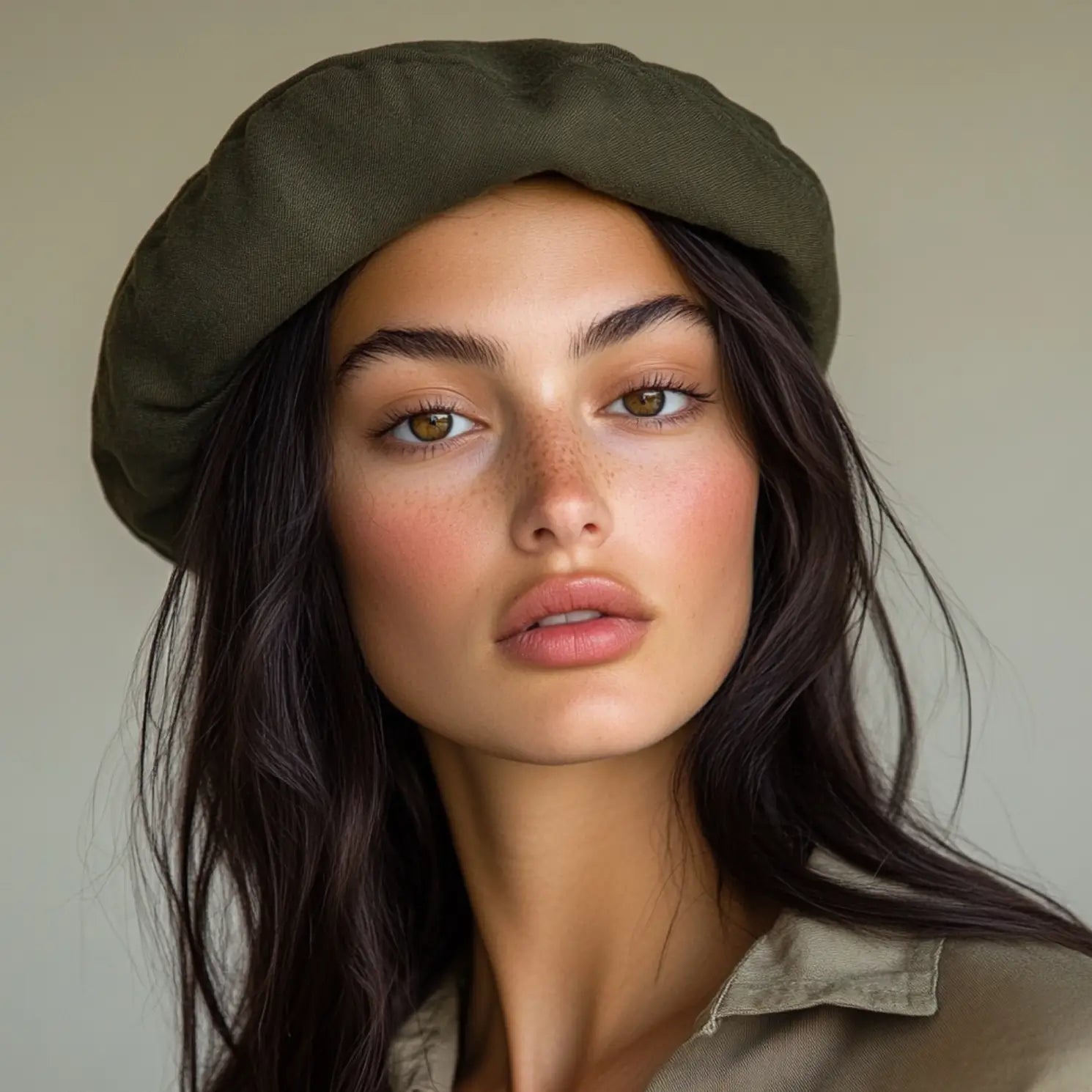
French Green Beret
Deep, characterful green with a rounded crown. A quieter alternative to black for anyone who wants a little more depth.
Shop now · $45How to choose a painter's beret
- Colour: black or a deep neutral is the most historically accurate, but any solid wool shade keeps the studio feel.
- Material: soft wool over stiff felt, so it moves and tilts naturally instead of holding a fixed crease.
- Fit: a little roomier than snug, so it can be pushed back without pinching across the forehead.
Caring for a wool beret in the studio
- Wipe stray paint off immediately with a dry cloth. Wool holds pigment fast once it dries in.
- Let it air out flat rather than balling it up in a bag between sessions.
- Reshape gently by hand if the crown gets pressed out of round.
Keep solvents away from a wool beret. Turpentine and mineral spirits strip the natural lanolin from wool and can leave a permanent mark, so if a splash lands on the beret, blot it dry rather than reaching for a cleaning fluid.
Frequently asked questions
Renoir and the painters around him in 19th century Montmartre wore wool berets because they were already common working headwear. The shape suited a studio well, soft, brimless, and comfortable for long sessions, so the association stuck.
Yes. It shows up on artists and non-artists alike as a quiet nod to that studio tradition, worn the same simple way: pushed back and tilted, nothing fussy about it.
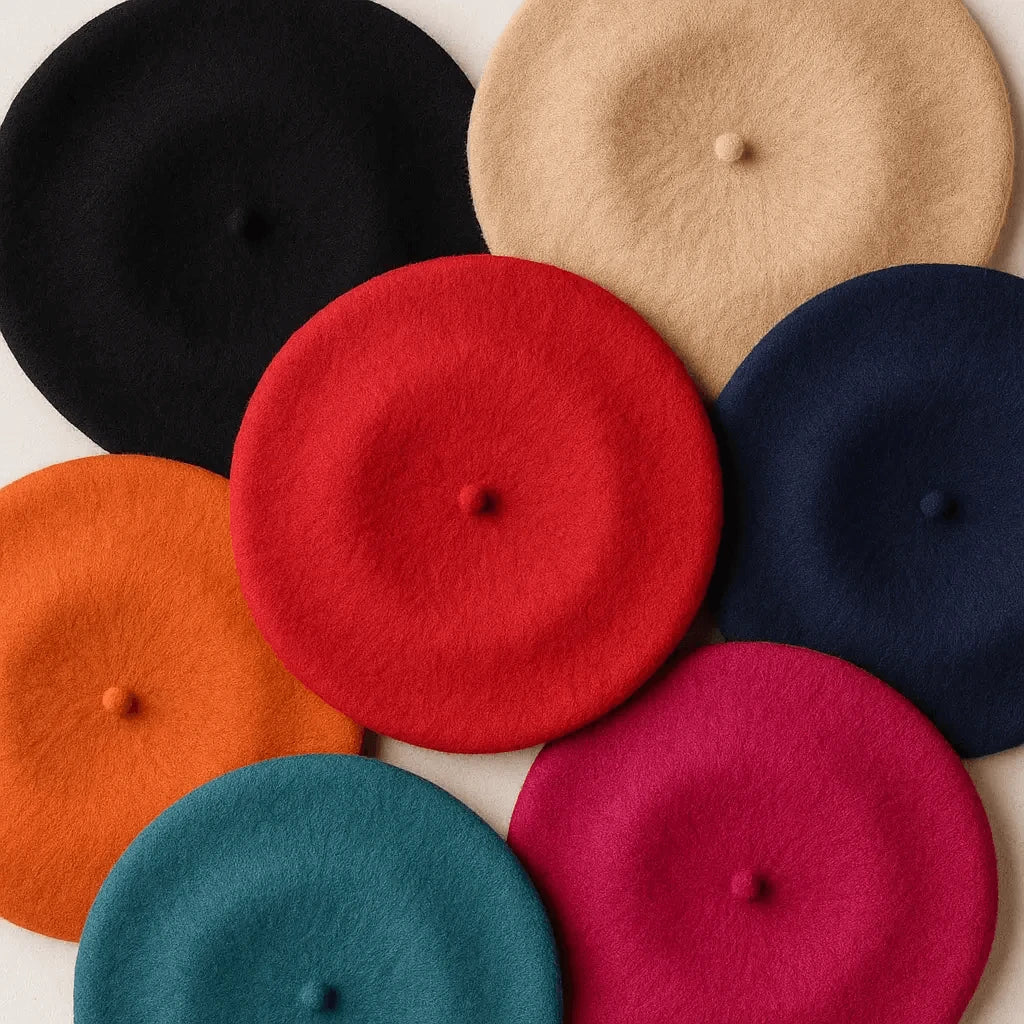
Black was the most common, mainly because it hid paint marks well and was widely available. Deep neutrals like brown and green carry the same feel.
It offers some, mostly by being dark and easy to wipe down, but it is not protective gear. Think of it as practical headwear that happens to hide a smudge well, not a shield.
Not at all. Plenty of people wear a beret as a nod to that creative, hands-on tradition without ever picking up a brush.
So, why do painters wear a beret? History gave it the association, and practicality kept it there. Wool that moves with you, a shape with nothing to catch on an easel, and a colour that forgives a stray mark, worn simply, the way Renoir and the painters after him always did.


For more on the people who made the beret famous, see who famously wore a beret, and if you want the mechanics of the tilt itself, we cover it in the correct way to wear a beret.
Worn well, never overthought.
Camille