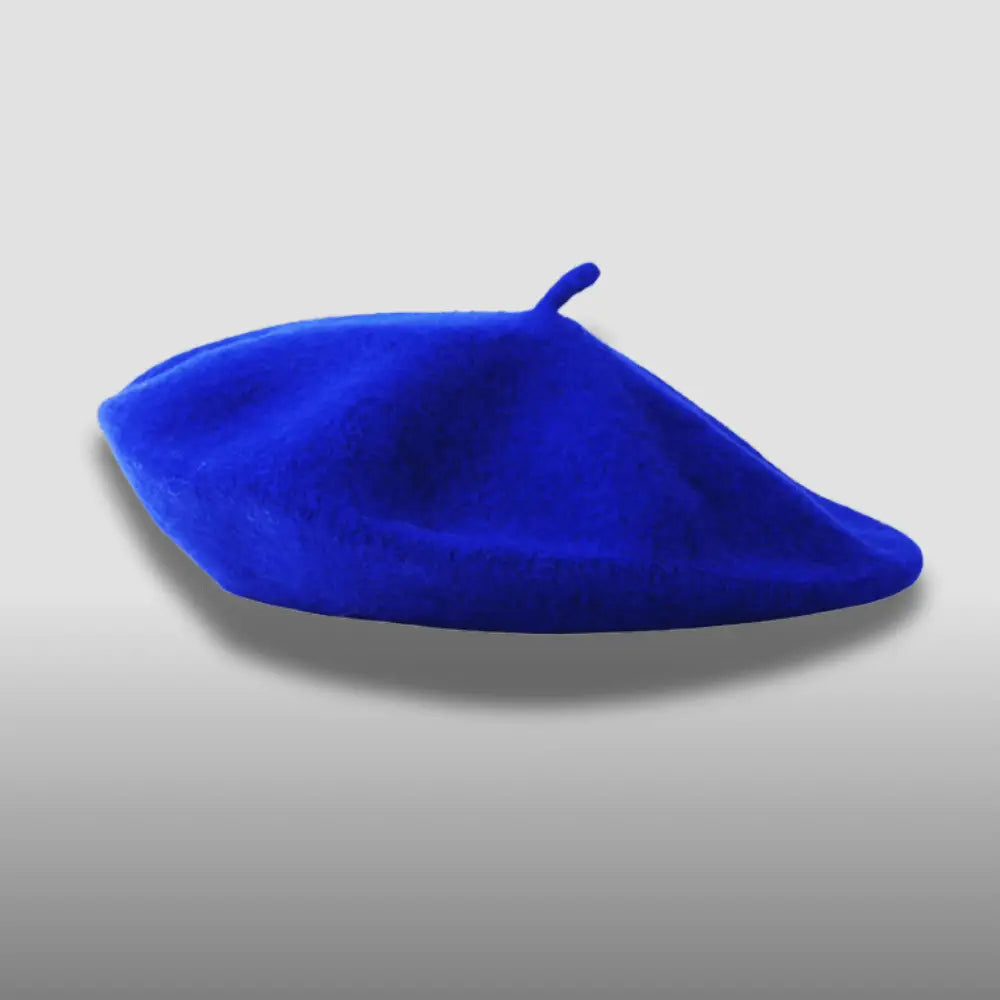
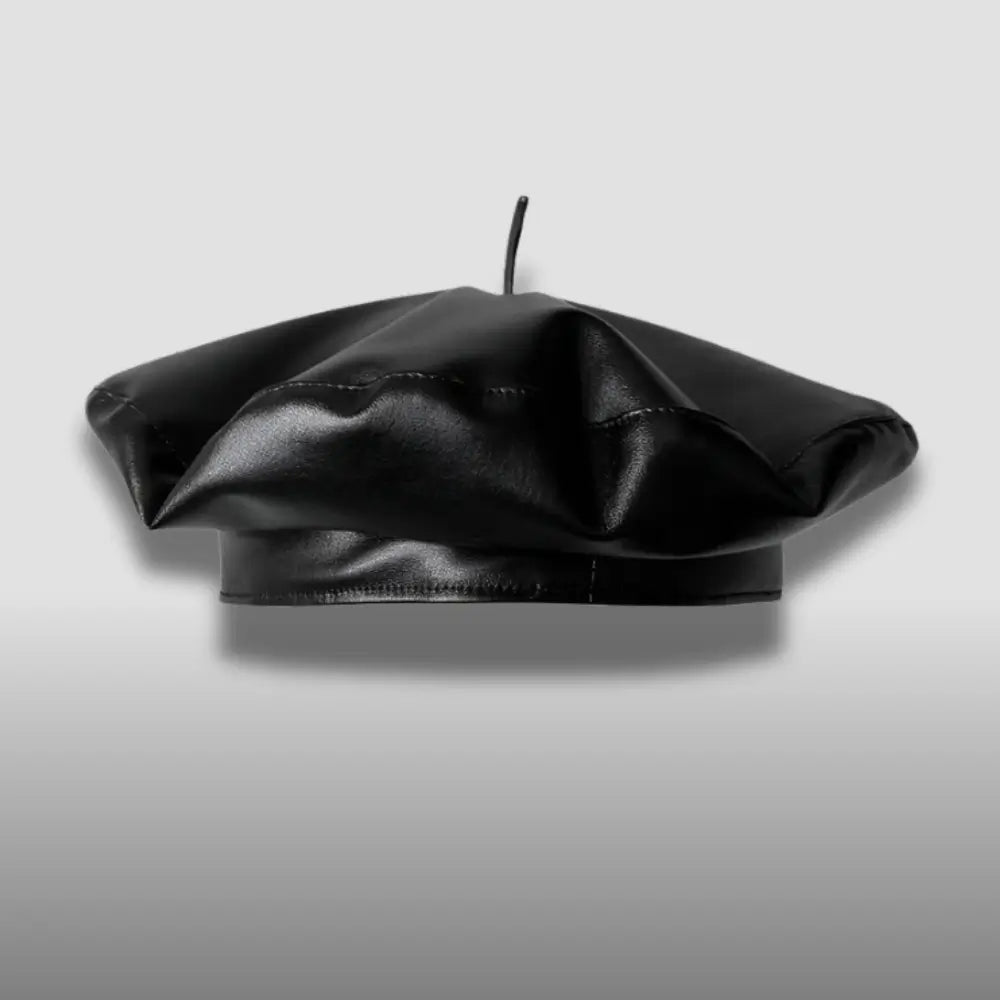
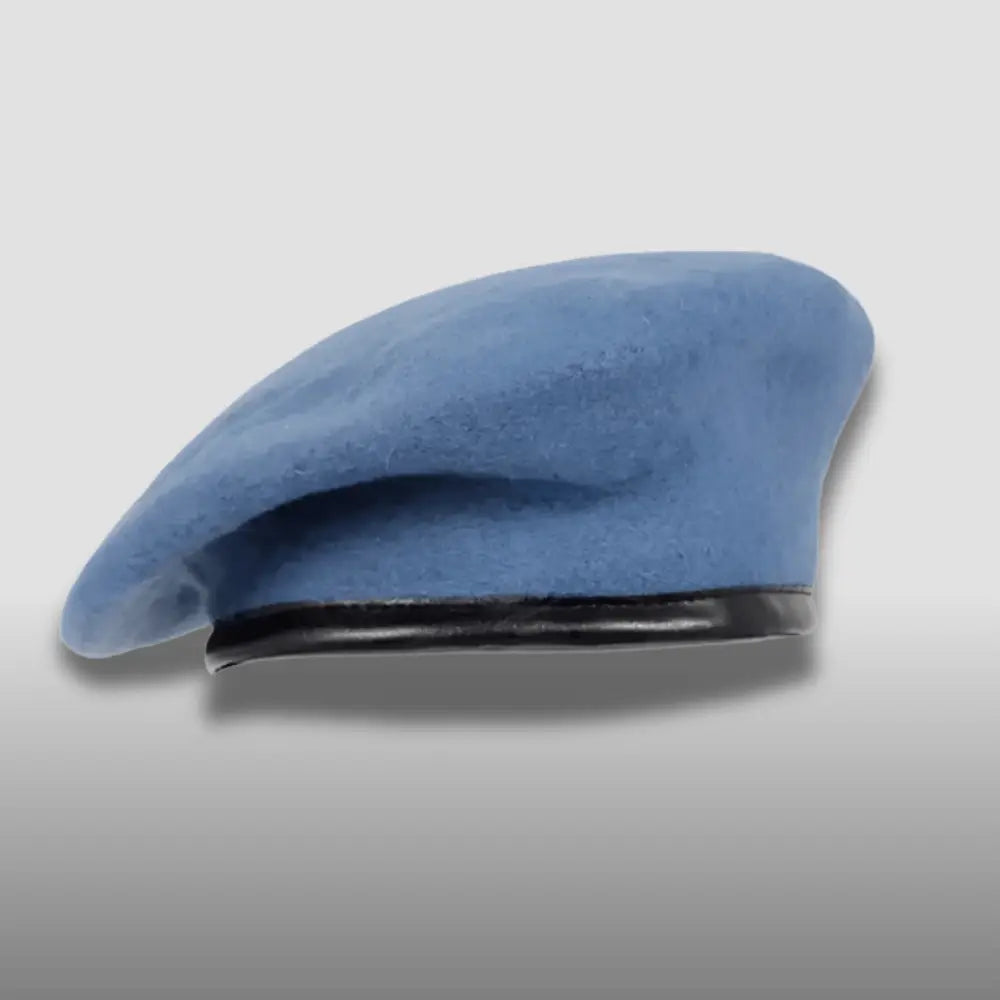
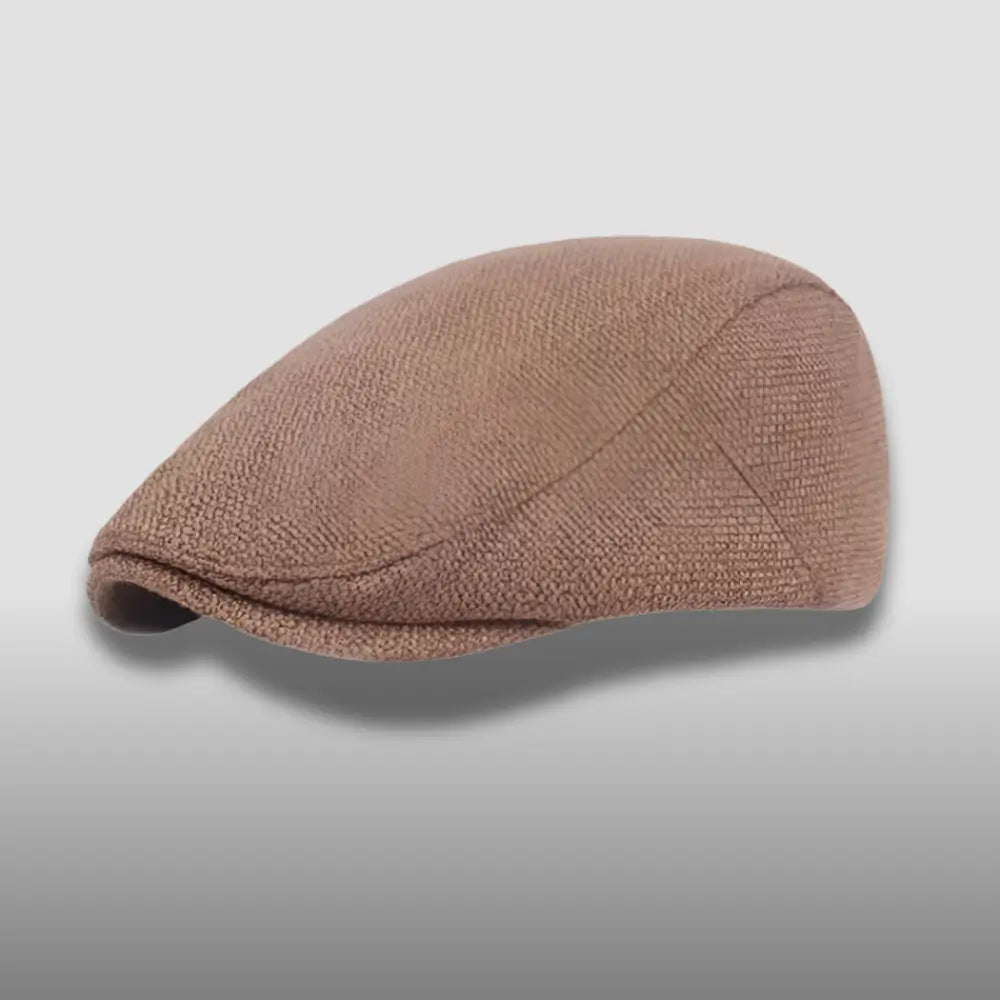
Short answer: Pablo Picasso is the most famous name tied to the beret, but he is far from the only one. Revolutionaries, jazz musicians, painters and even fictional icons like Zorro have all made the beret part of their image, and each of them read it a little differently.
I am Camille, and I have spent years shaping berets for people who wear them for very different reasons. So here is who actually made the beret famous, what each of them was really saying by wearing one, and what that history means for how you wear yours today.
- Pablo Picasso made the beret shorthand for creative identity, and it stuck for a century.
- Che Guevara's black beret turned it into a symbol of resistance.
- Jazz musicians like Miles Davis gave it a cool, understated elegance.
- Fiction carried the beret too, from Carmen Sandiego's red one to Zorro's black one.
- Every famous wearer chose a different reason. That is exactly why the beret still fits anyone's story.
Famous wearers at a glance
Short on time? Here is who made the beret famous, and what it signaled on each of them. The full context follows below.
| Who | Field | What the beret signaled |
|---|---|---|
| Pablo Picasso | Art | Creative, bohemian identity |
| Che Guevara | Politics | Resistance and revolution |
| Miles Davis | Music | Quiet, sophisticated cool |
| Jack Kerouac, Allen Ginsberg | Literature | Intellectual nonconformity |
| Carmen Sandiego, Zorro | Fiction | Mystery and flair |
The artists who made it a signature
No one is more tied to the beret than Pablo Picasso, who wore one for most of his working life. It became so associated with him that photographs of Picasso without a beret feel almost like a different person. Pierre Auguste Renoir went further still, painting his models in berets across many of his impressionist canvases, which gave the hat a second life on the canvas as well as on the head.
What both men understood, whether they said it out loud or not, is that a beret reads as considered. It suggests someone who thinks about how they present themselves, without trying too hard to prove it. That is still true today, which is why the beret sits comfortably on a painter and on anyone who simply wants to look a little more put together.
Who this artistic shade suits best
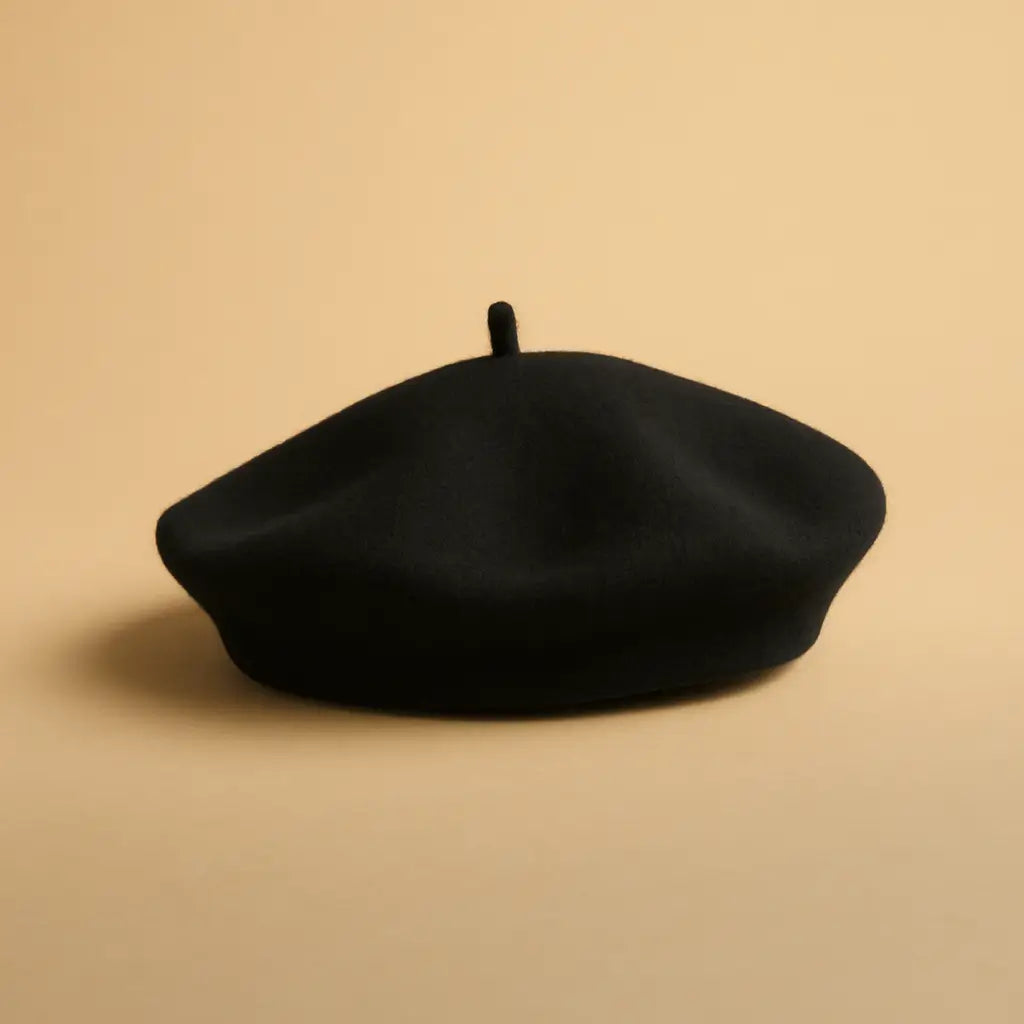
Readers who want the Picasso reference without wearing a costume. A classic black beret carries that creative, considered air on its own, no beret and smock required.

★★★★★ 4.8 · 62 reviews
Black French Beret
A sleek, matte black wool beret. The same shade Picasso wore, and still the easiest one to start with.
Shop now · $39A symbol of resistance and rebellion
Ernesto Che Guevara's black beret, worn with a single star badge, turned into one of the most reproduced images of the twentieth century. It carried none of the softness of the artist's beret. On Guevara, the beret read as defiance, and that meaning traveled with the image far beyond Cuba.
The beret had earned that association honestly. Members of the French Resistance wore black berets during the Second World War as a quiet marker of who stood against the occupation. By the time Guevara put one on, the beret already carried decades of standing for something larger than fashion.
You do not need to match a famous wearer's exact style to borrow their confidence. Pick the color that suits your own wardrobe first, then let the beret's history be a quiet detail you know about rather than a costume you are recreating.
Jazz, cool and the beret's quieter side
Miles Davis wore a beret through much of the bebop era, and it fit the music perfectly. Bebop was fast, precise and a little private, and Davis's beret matched that same understated confidence. He was not performing rebellion the way Guevara was. He was simply dressed like a man who knew exactly what he was doing.
That is the register a beret hits when it is worn without any fanfare at all. Not a statement, just a well chosen piece that happens to look considered next to a coat collar or a plain shirt.
Who this understated shade suits best
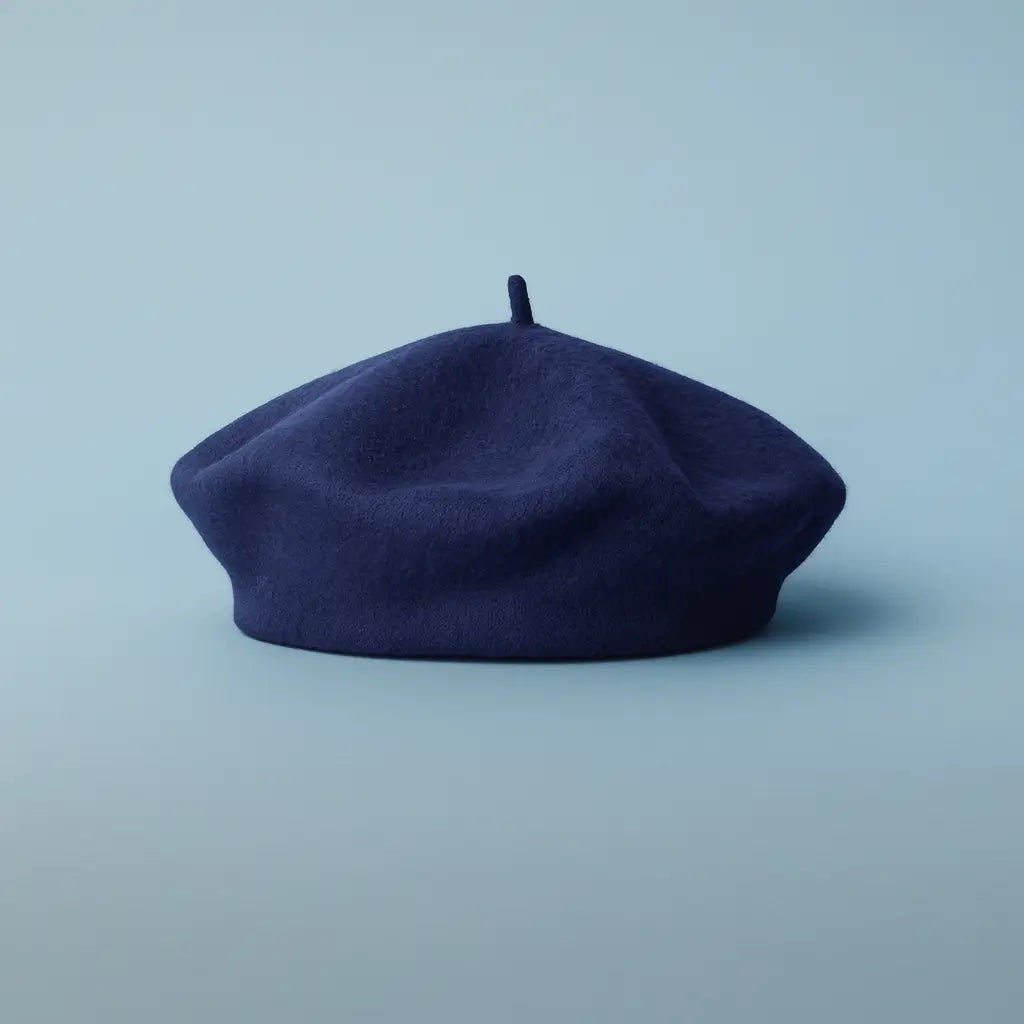
Anyone who prefers Davis's quiet confidence over Guevara's bold statement. A deep navy carries that same low key sophistication.

★★★★★ 4.9 · 75 reviews
Navy Blue Beret
A deep, soft navy wool. Quiet and sophisticated, the kind of shade Miles Davis would have reached for.
Shop now · $45
Writers, poets and the Beat Generation
Jack Kerouac and Allen Ginsberg carried the beret into a different kind of famous circle, one built on ideas rather than paint or music. For the Beat writers, the beret signaled a rejection of convention, worn alongside late nights, small cafes and a lot of arguing about literature.
That intellectual thread runs right back to the artists' cafes decades earlier, and it is still one of the beret's clearest associations. A person who reaches for a beret is, at least a little, saying they think for themselves.
Who a rich, expressive shade suits best
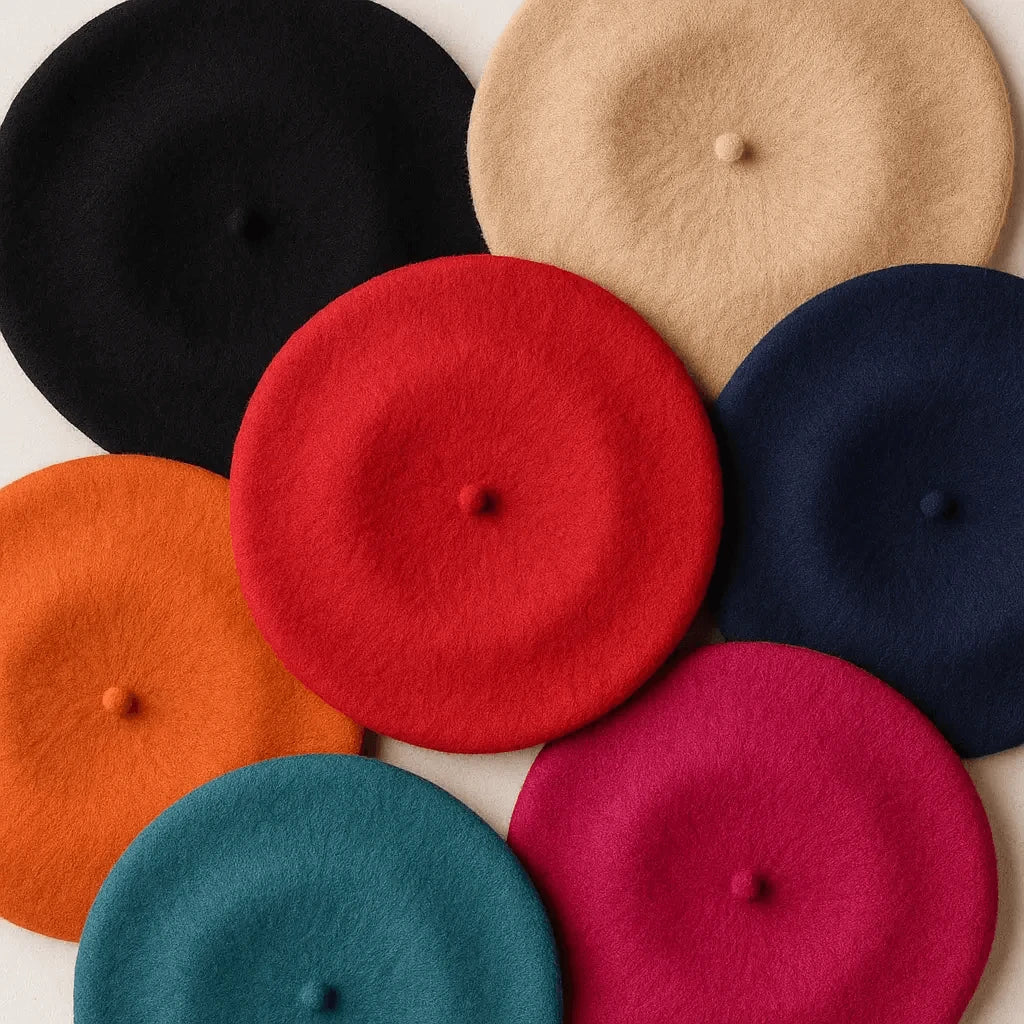
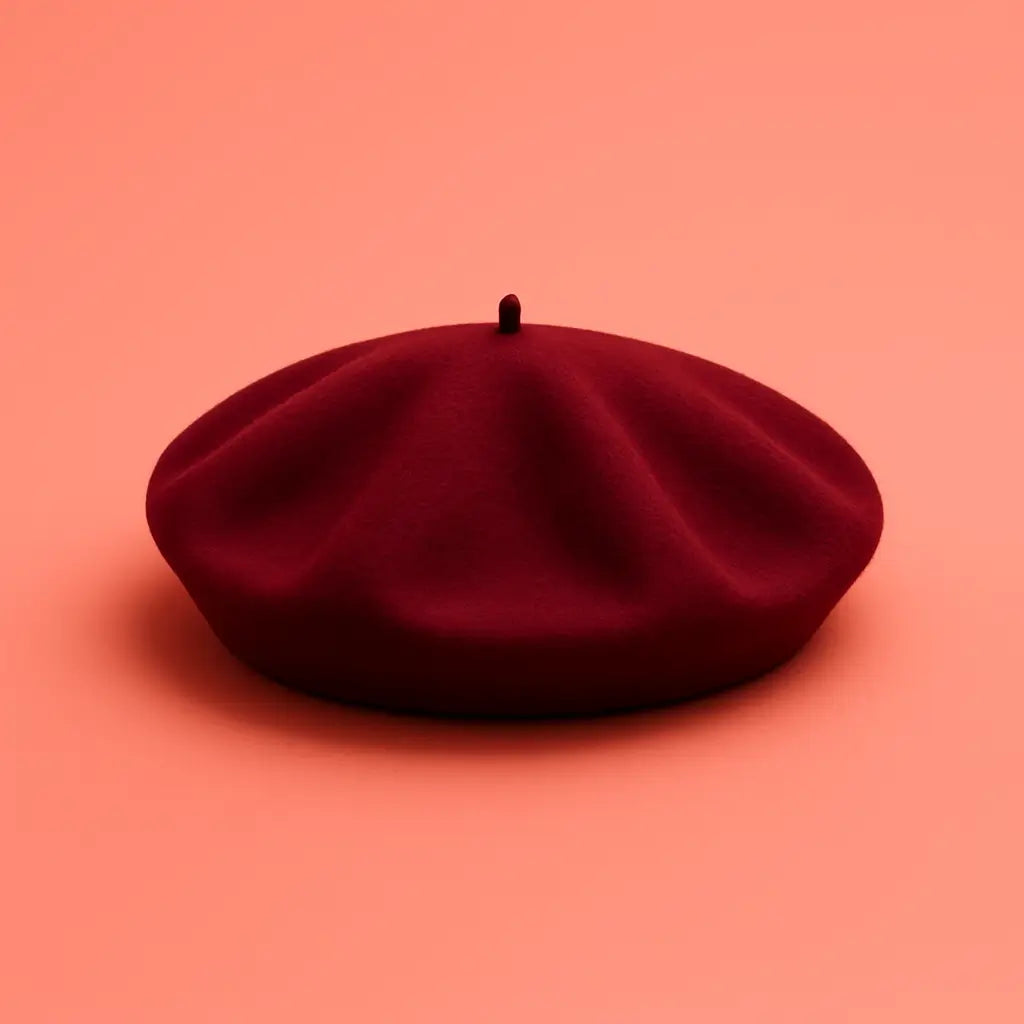
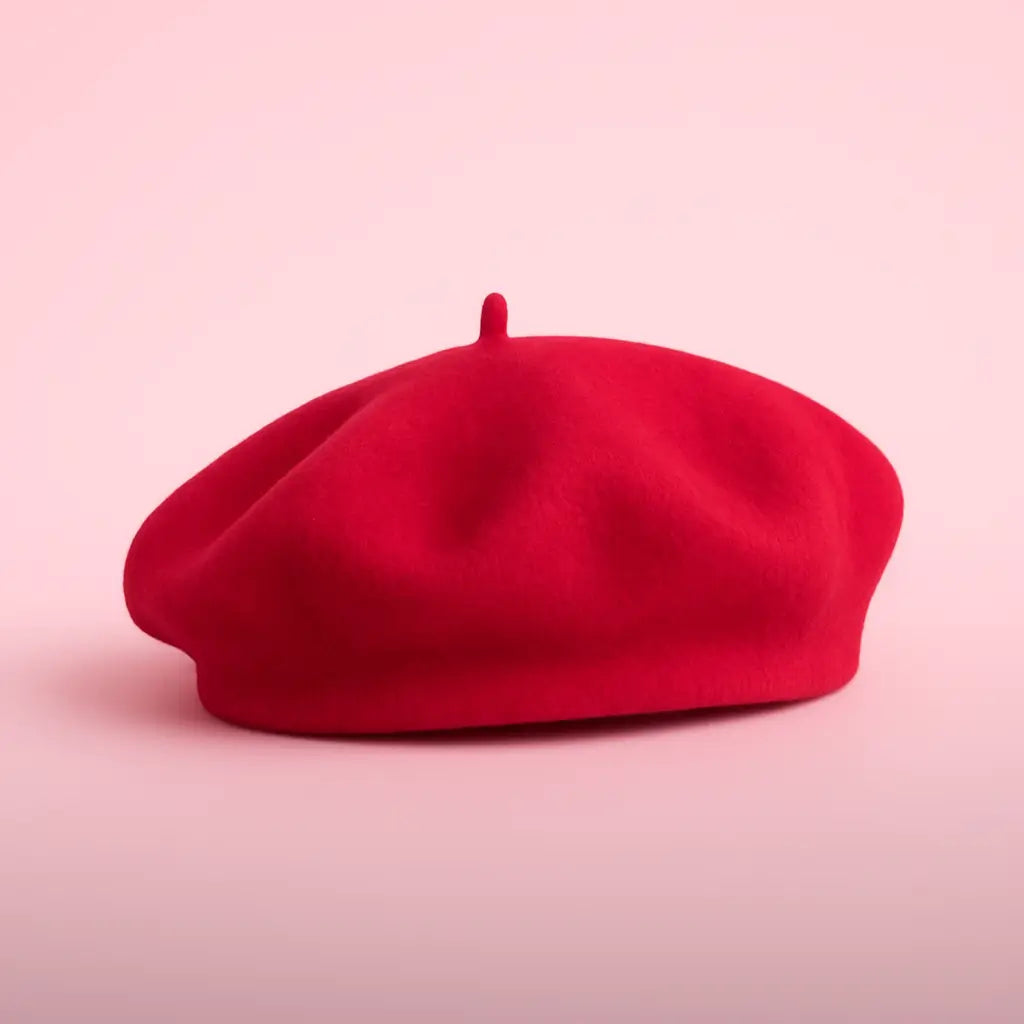
Readers drawn to the Beat era's slightly rebellious, bohemian energy. A deep wine red carries a bolder, more expressive personality than the classic black.

★★★★★ 4.9 · 85 reviews
Wine Red Beret
Deep burgundy wool with real depth. Our best-selling expressive shade, for readers who want a bolder statement.
Shop now · $45Even fiction gave the beret its heroes
Not every famous beret belonged to a real person. Carmen Sandiego's red beret became her trademark as the globe-trotting thief on screen, instantly recognizable even in silhouette. Zorro's black beret, paired with his mask, made him a lasting symbol of justice, and helped carry the beret into pop culture well beyond France.
- Carmen Sandiego: a red beret as a mark of mystery and mischief.
- Zorro: a black beret paired with a mask, a symbol of quiet heroism.
- Arthur Shelby in Peaky Blinders: flat cap styling that renewed interest in beret-adjacent headwear on screen.
If you want the deeper story behind why painters specifically leaned on the beret so heavily, we cover it in why do painters wear a beret, which picks up right where Picasso and Renoir leave off here.
What their choices mean for yours
None of these famous wearers were following a rulebook. Each one picked the beret because it fit the story they were already telling, whether that was creative, political, musical or literary.
- Want to echo the artist's confidence? Black is the classic, low-effort starting point.
- Want a bolder personality? Wine red or another rich, expressive tone leans that way.
- Want quiet sophistication? A deep navy reads understated and considered.
Do not lean so hard on one famous wearer's image that the beret stops looking like your own choice. Borrow the confidence, not the costume. A beret works best when it looks like you reached for it naturally, not like you are reenacting a photograph.
Frequently asked questions
Pablo Picasso is the name most closely tied to the beret, having worn one for most of his life and career, which cemented it as a symbol of creative identity.
Guevara's black beret, worn with a star badge, became tied to the Cuban Revolution and turned into one of the most reproduced political images of the twentieth century.
Yes, Miles Davis wore a beret through much of the bebop era, giving it a quiet, sophisticated read that matched the precision of the music.
A few. Carmen Sandiego's red beret and Zorro's black one both became iconic on screen, carrying the beret into pop culture well beyond real-life figures.
No. Every famous wearer picked the beret for their own reasons. Wearing one today is simply choosing a classic piece, not stepping into anyone else's story.
So, who famously wore a beret? Painters, revolutionaries, jazz musicians, poets, and even a cartoon thief and a masked hero. That range is the real answer. The beret has never belonged to just one kind of person, which is exactly why it still suits nearly anyone who puts one on.


Worn well, never overthought.
Camille