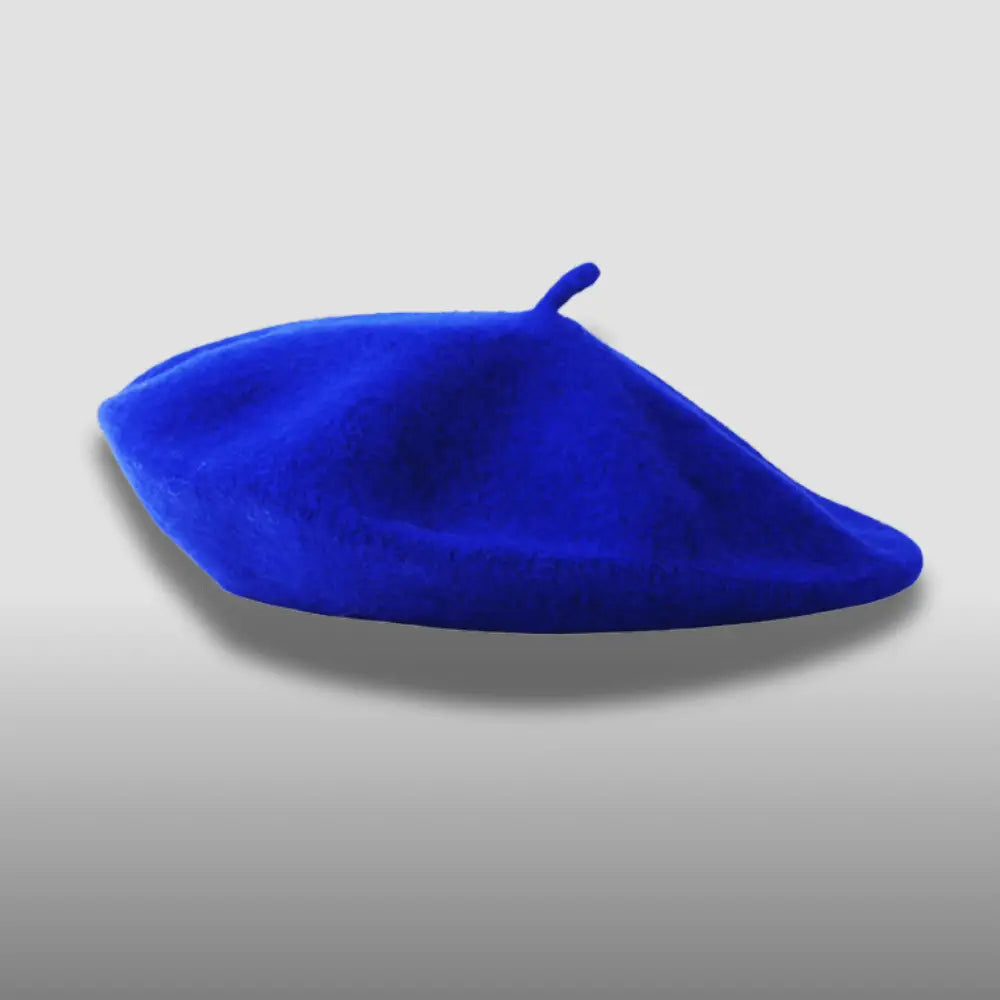
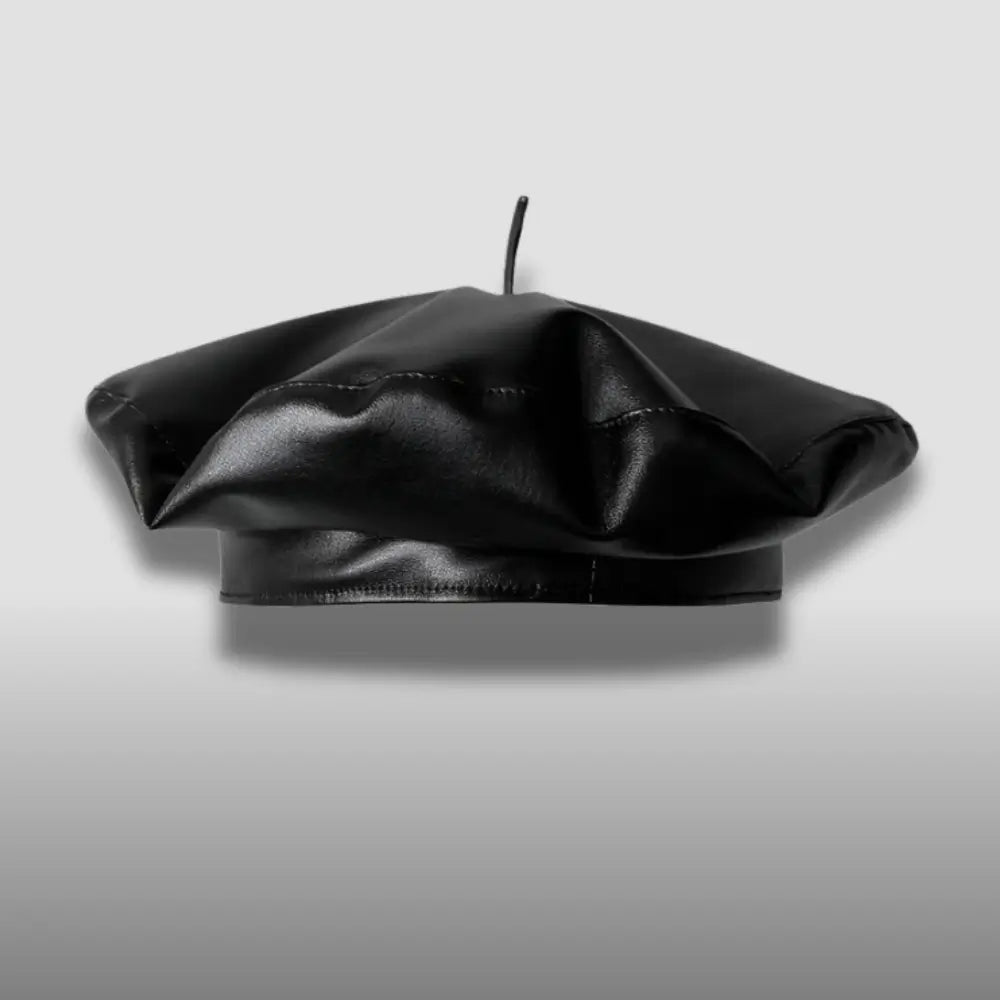
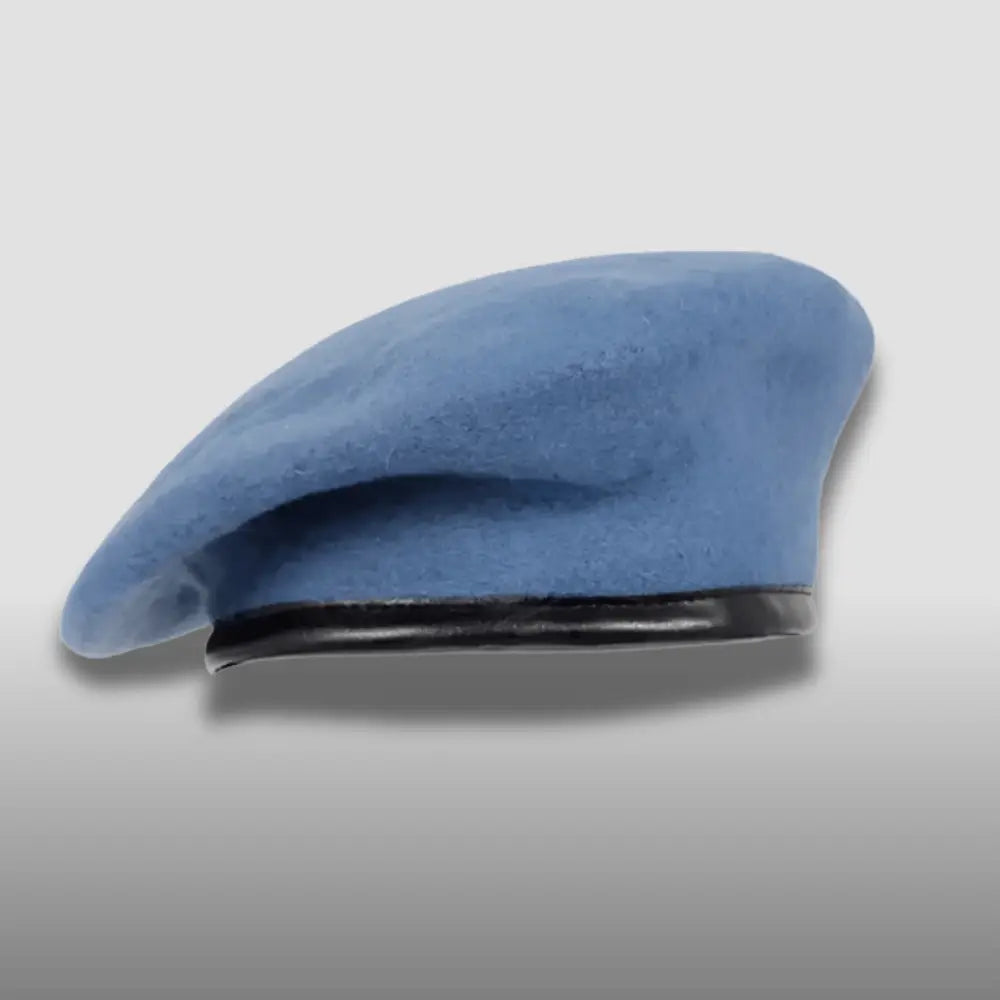
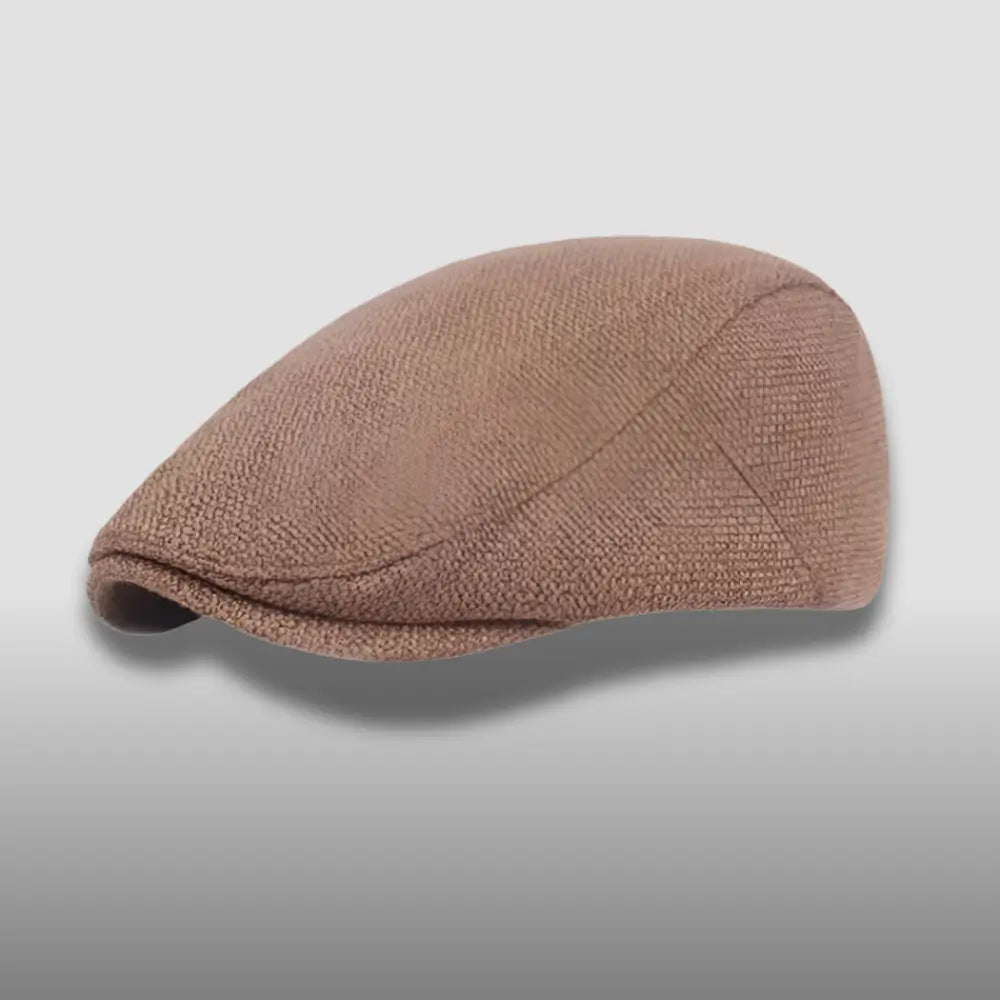
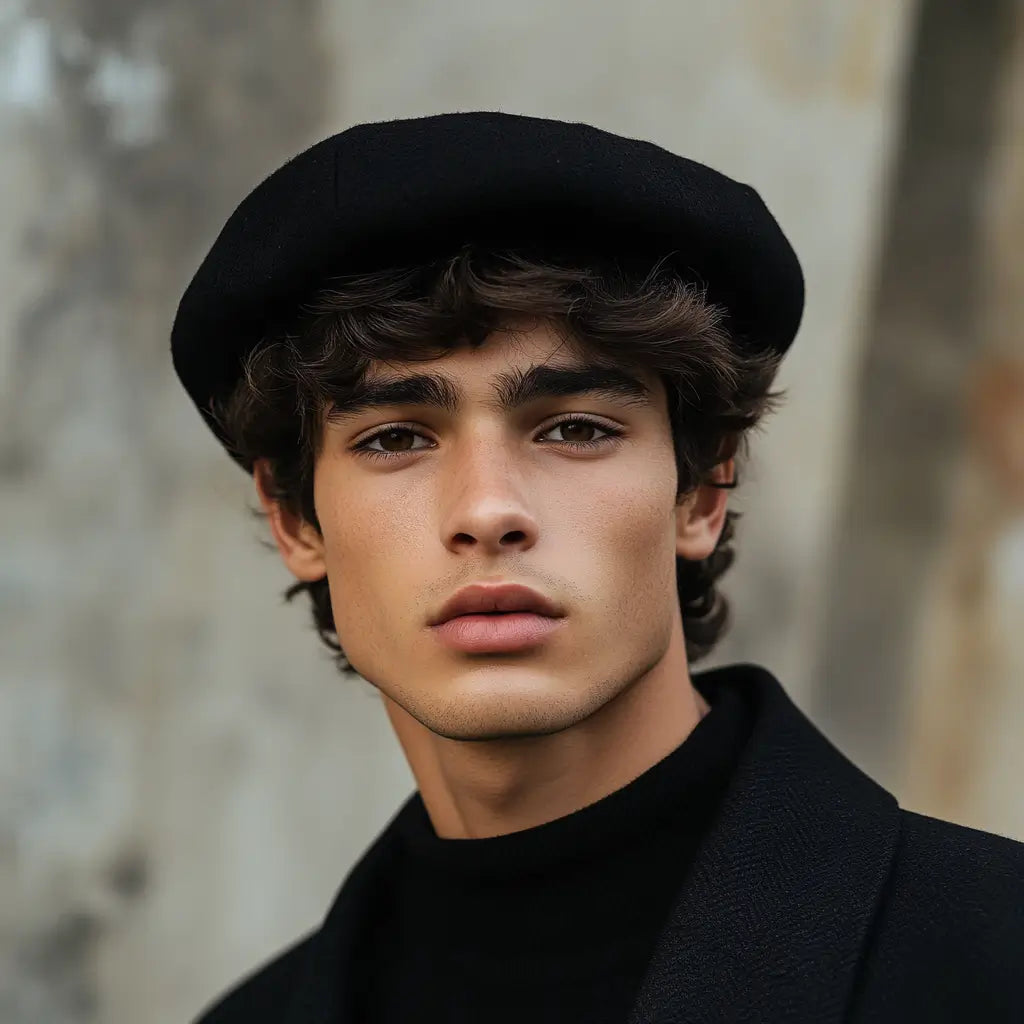
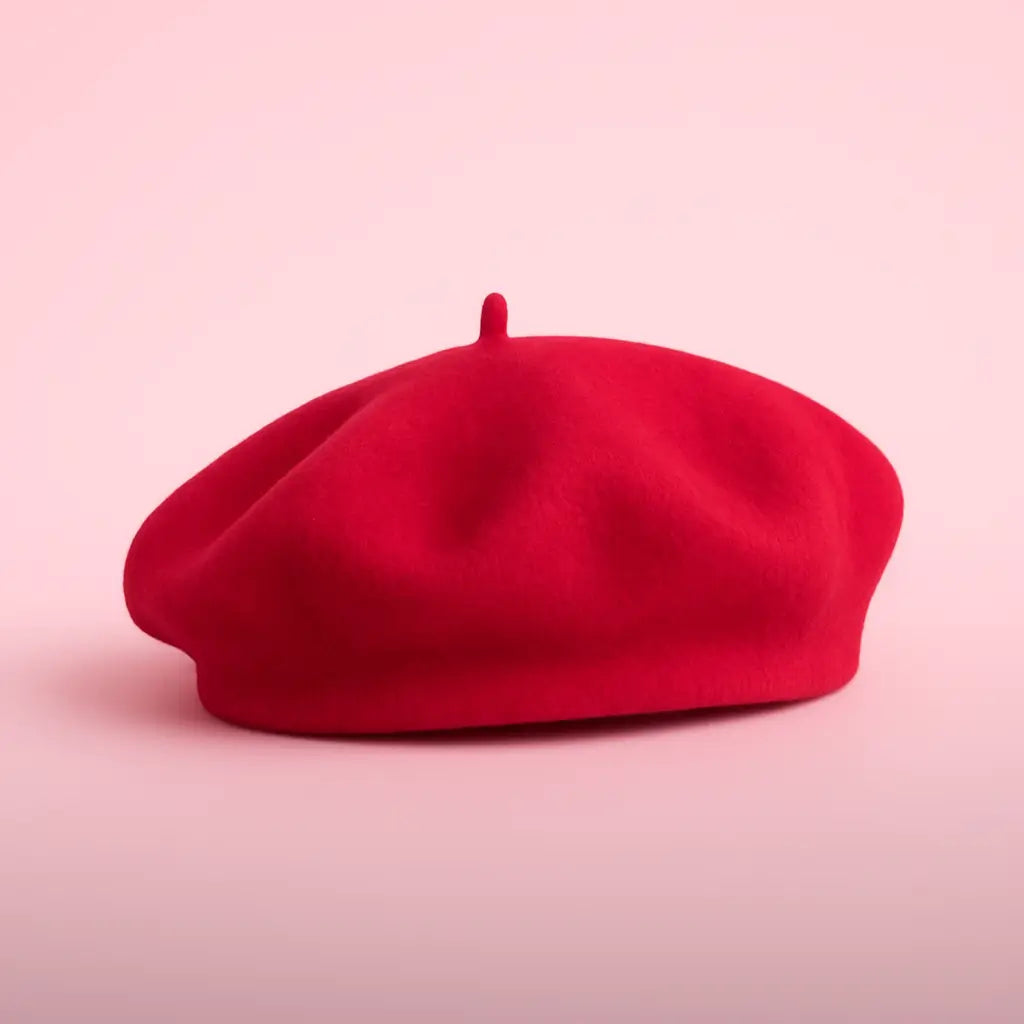
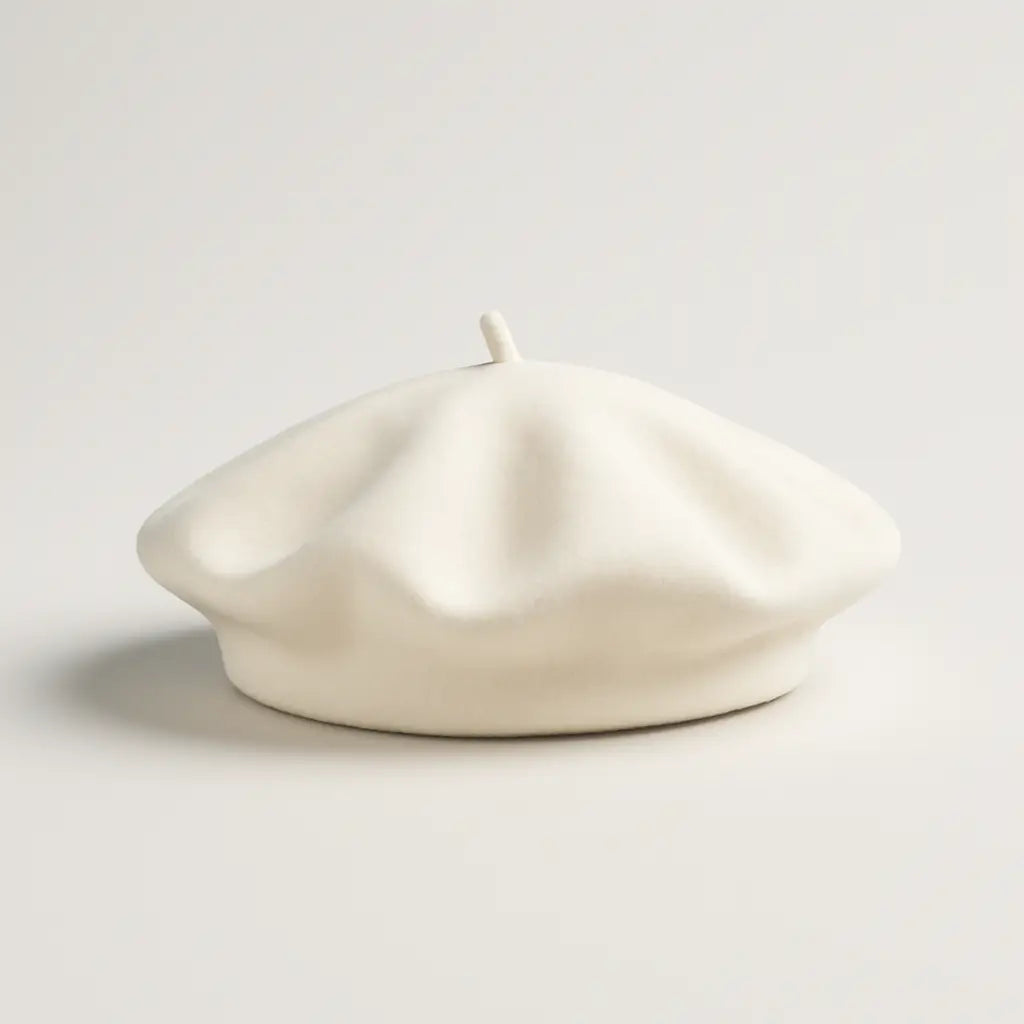
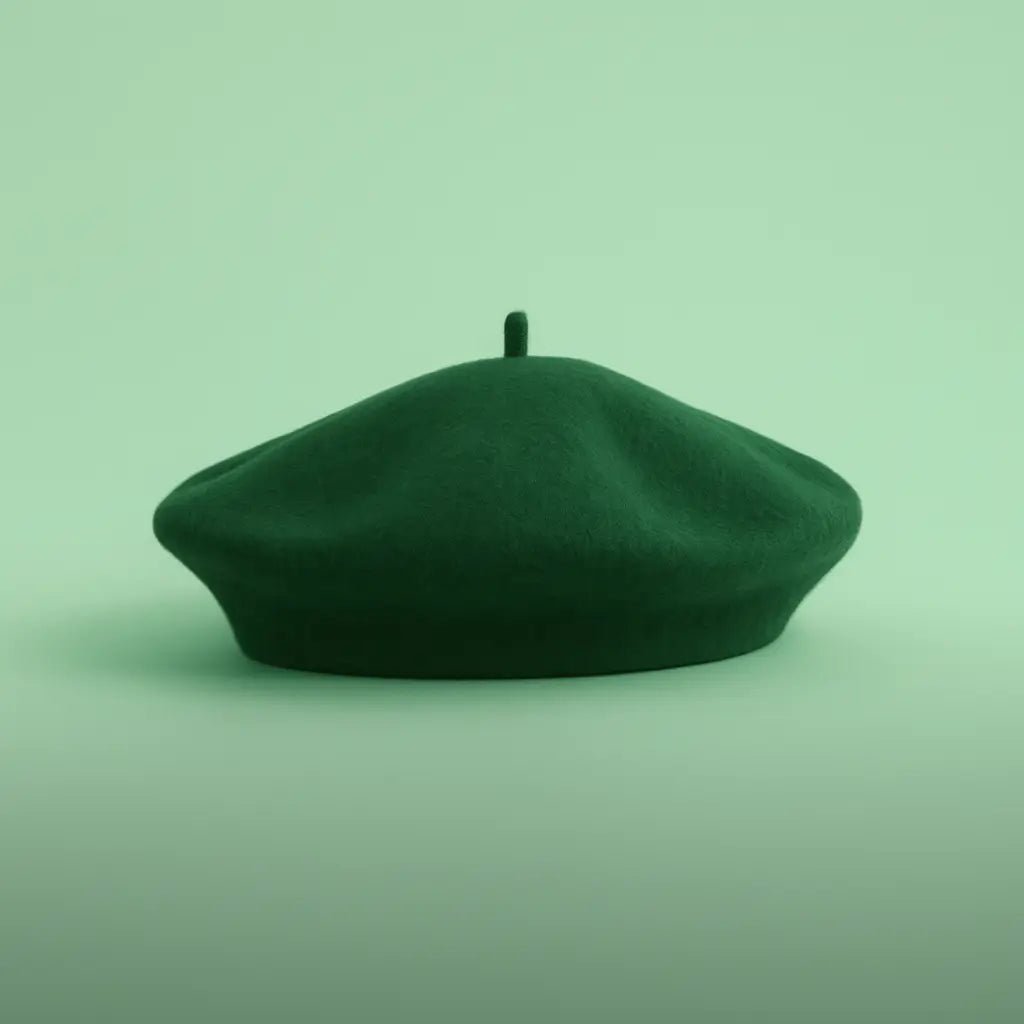
Short answer: yes, there are several types of beret, and they are easier to tell apart than they look. The main ones are the classic French beret, the roomier Basque beret, the structured military beret, and the softer crochet or bohemian styles. Most modern berets are a version of one of these, in a different fabric or colour.
I am Camille, and I shape berets by hand in the Béarn, the corner of France where the beret was born. So here is the honest tour of the main types of berets, how each one looks and sits, and who each suits best.
- The French beret is the classic: soft wool, flat round crown, neat fit.
- The Basque beret is roomier and slouchier, in earthy tones.
- The military beret is structured and sharp, often with a badge.
- Crochet and bohemian berets are light and relaxed for warm weather.
- Most modern berets are one of these in a new fabric or colour.
The main types at a glance
Short on time? This is how the four main beret types differ in shape and feel. The detail on each, with the one I would pick, comes right after.
| Type | Look | Best for |
|---|---|---|
| French | Flat, round, neat | Everyday, dressy, classic style |
| Basque | Roomier, slouchy | Relaxed, rustic, casual looks |
| Military | Structured, sharp | A crisp, uniform-inspired look |
| Crochet / boho | Light, textured | Spring, festivals, casual days |
The classic French beret
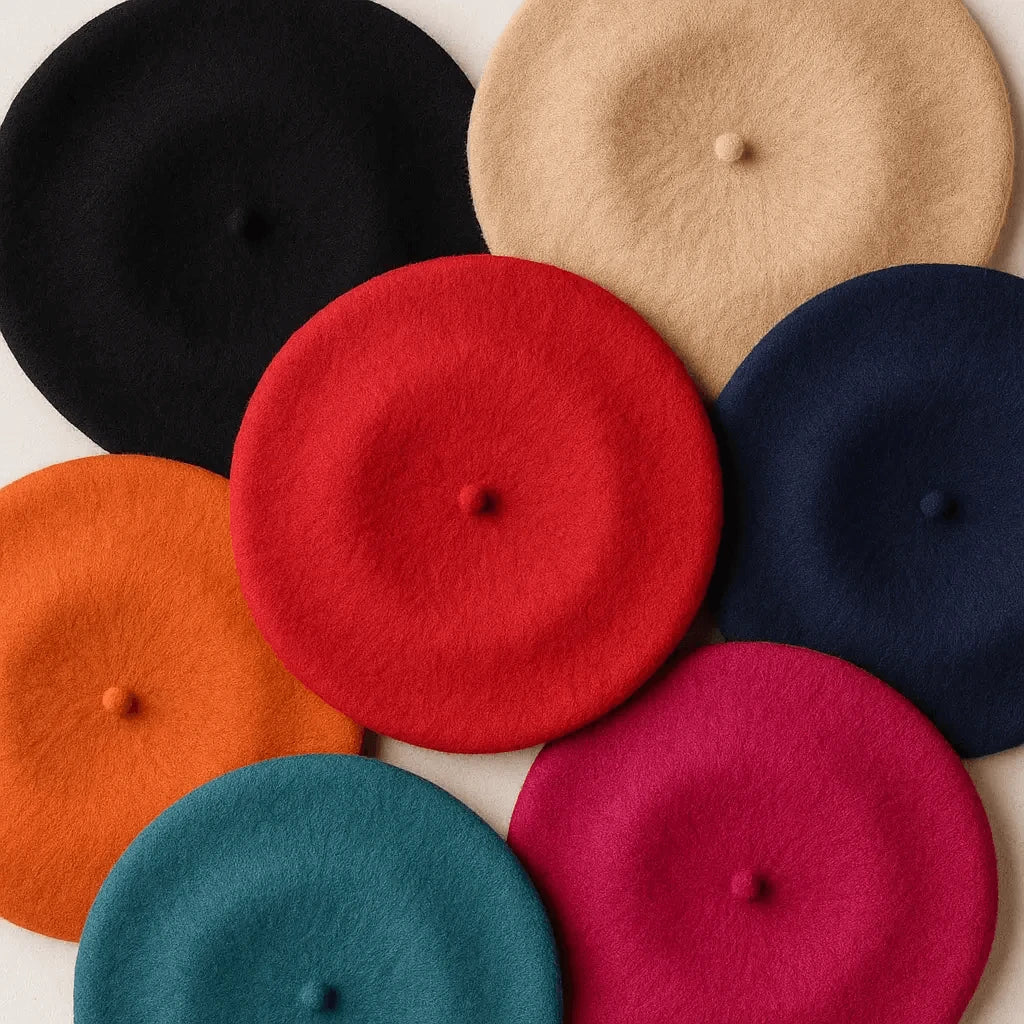
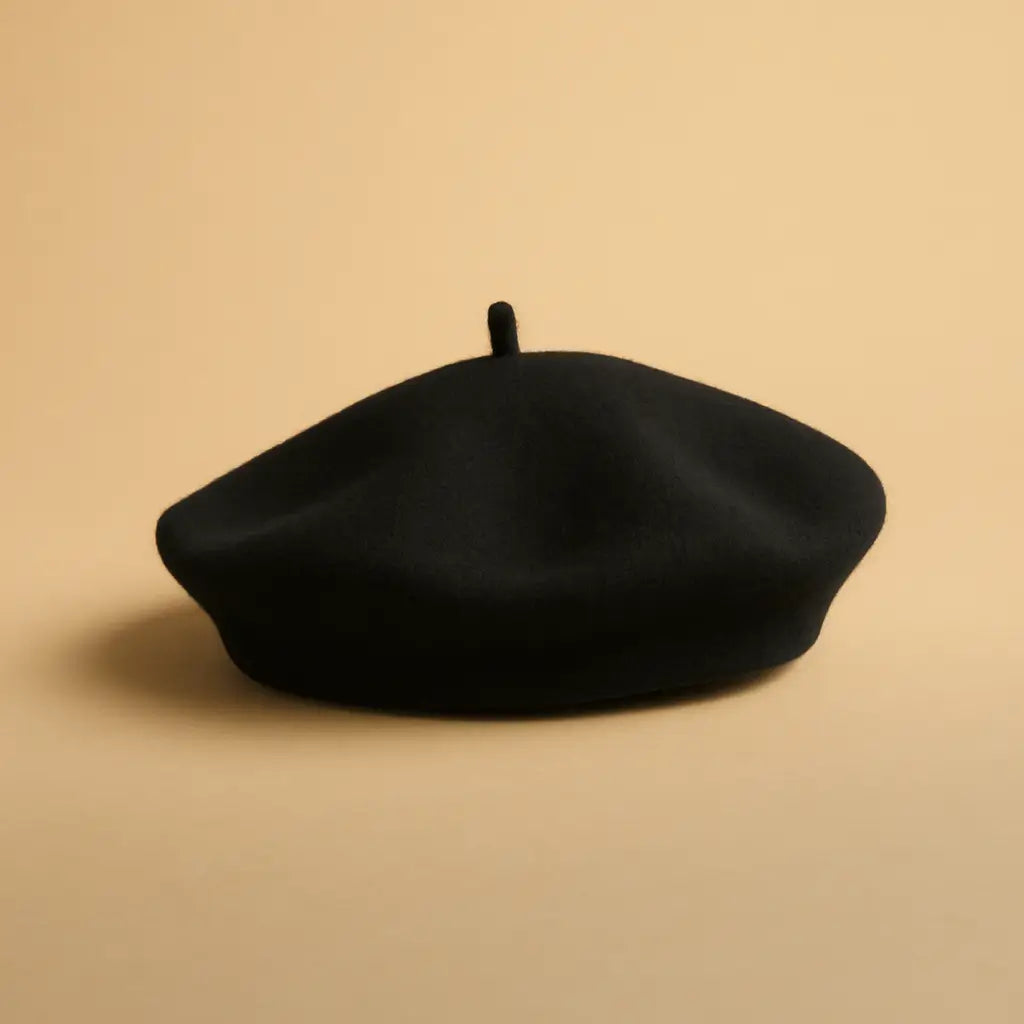
When most people picture a beret, this is the one. The French beret is made from soft wool, with a flat crown and a round shape that sits close to the head. It is the most versatile of the lot, dressing up with a coat or down with a knit, which is why it has stayed in fashion for well over a century.
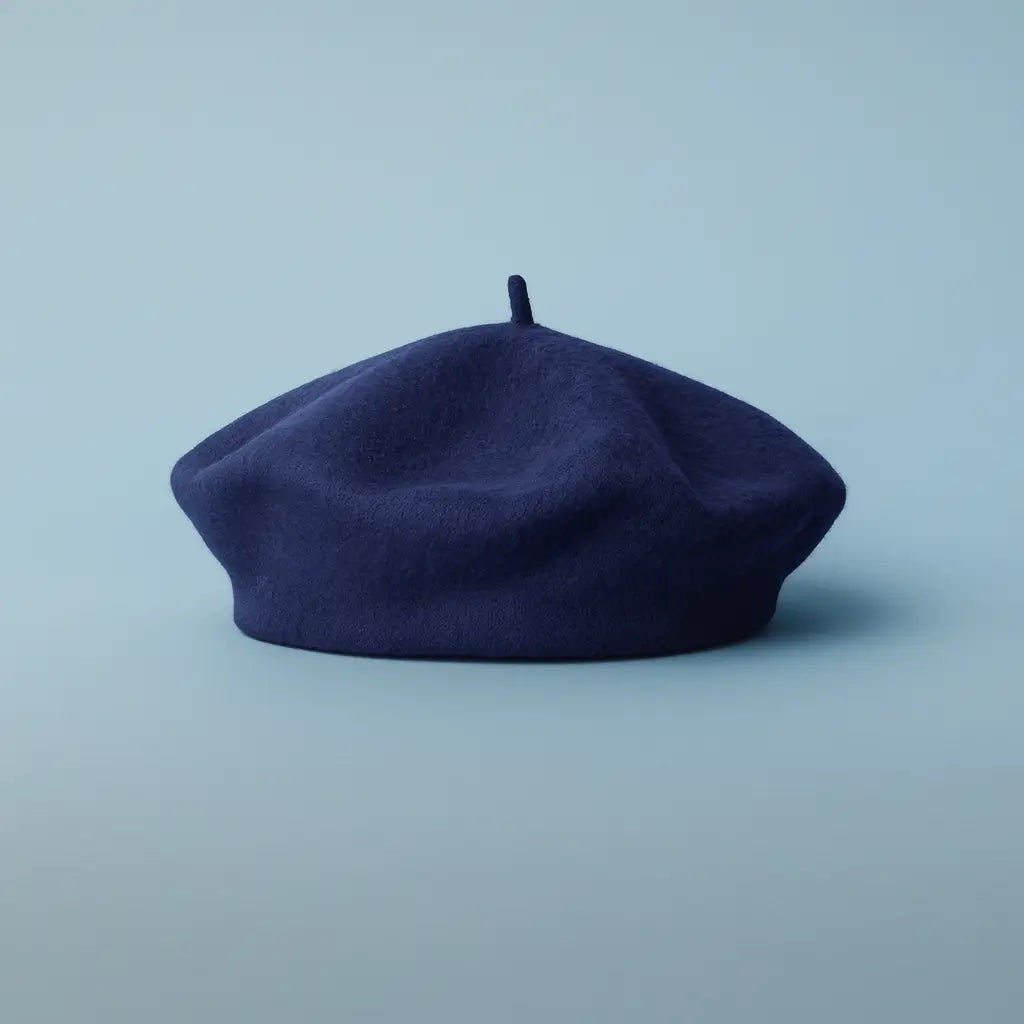
Its other strength is colour. A wool French beret holds a deep, even shade, so it comes in everything from classic black and navy to rich reds and greens. If you want to understand which fabrics give that clean, classic finish, our guide on the best fabric for a beret is a useful companion.
Who a French beret suits best
Anyone who wants one beret that does everything, first-time buyers, and dressers who like a neat, put-together look.

★★★★★ 4.8 · 62 reviews
Black French Beret
The definitive classic. Soft matte wool in black, the shape and colour every other beret is measured against.
Shop now · $39If you are buying your first beret, start with a classic French beret in black or navy. It is the most flexible shape, it goes with everything you already own, and it teaches you how you like a beret to sit before you branch out into slouchier or bolder styles.
The Basque beret
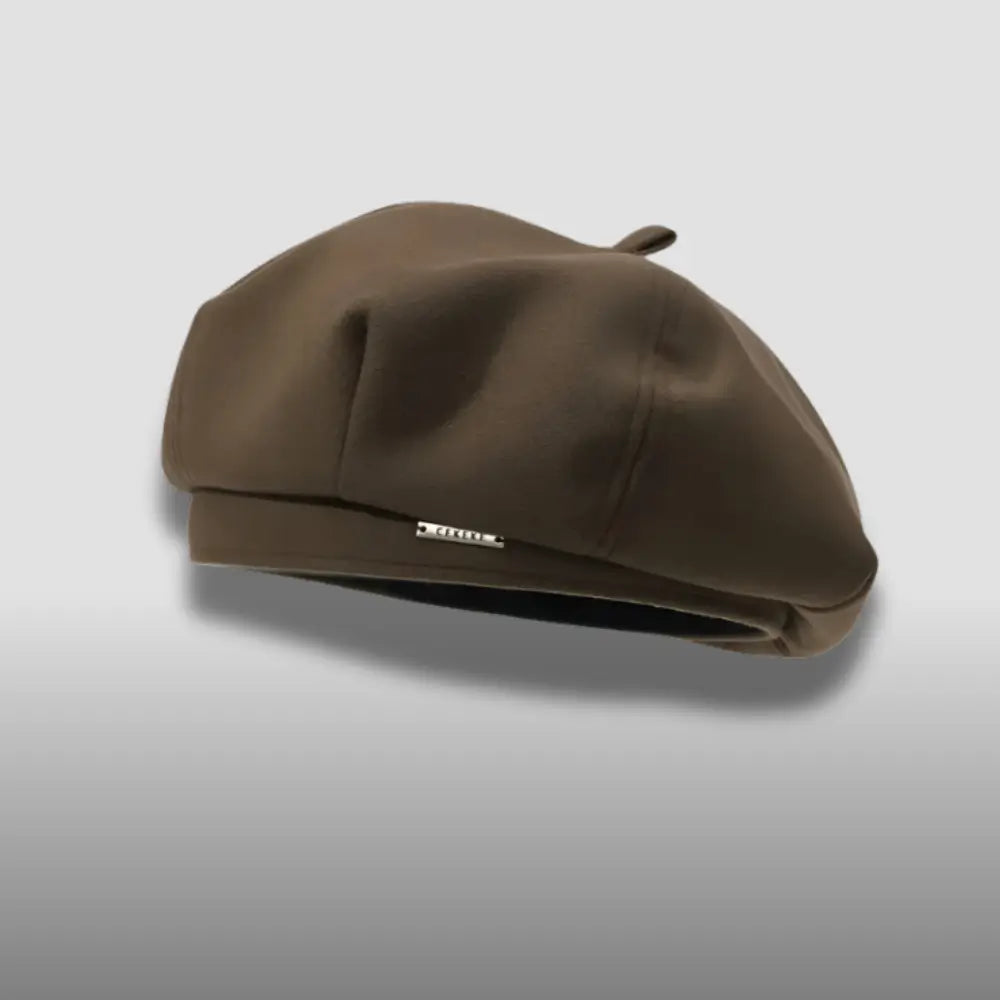
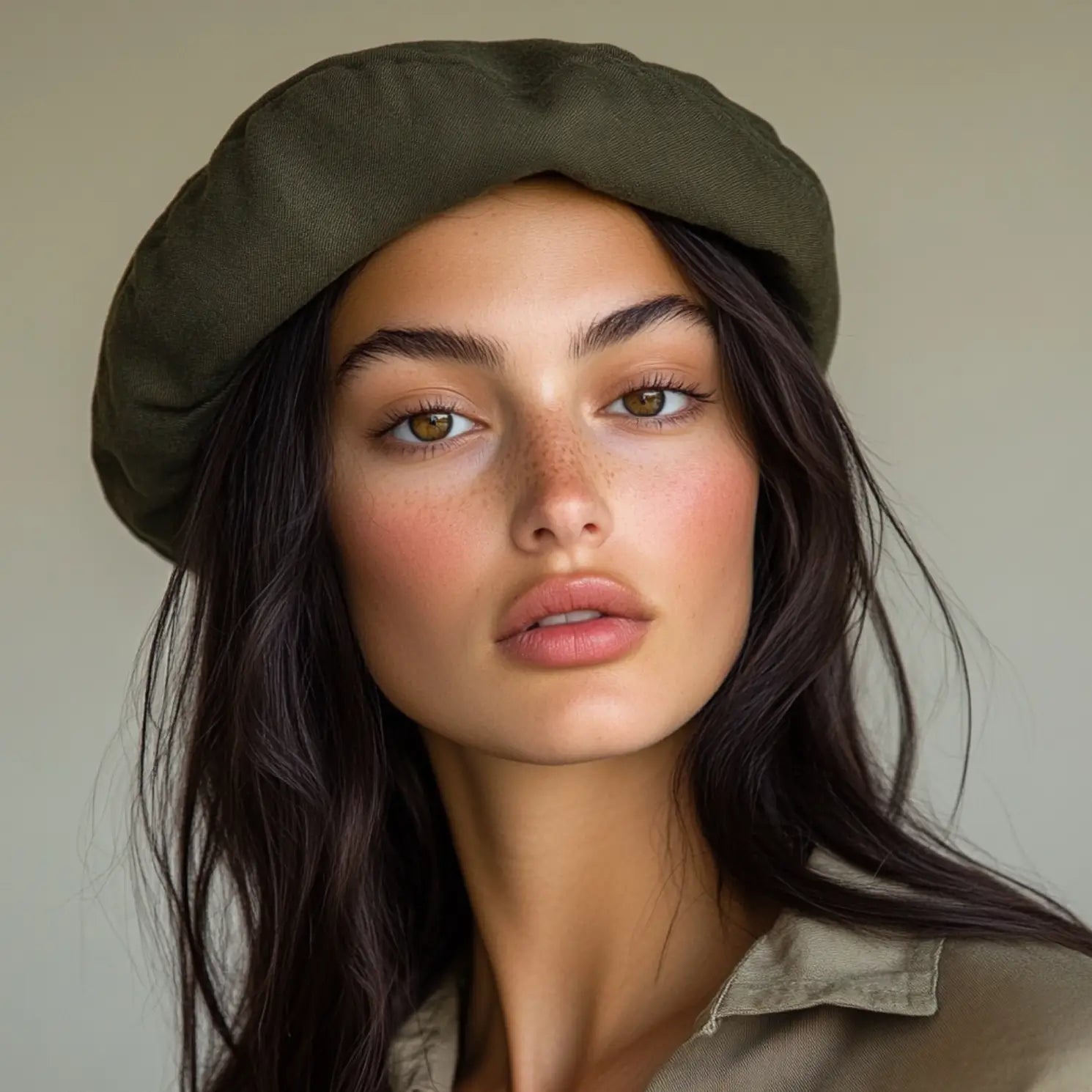
The Basque beret comes from the Basque country that straddles France and Spain, and it is the older, more rustic cousin of the French beret. It is roomier, with a softer, slouchier crown that drapes rather than sits flat. Traditionally it was the everyday hat of shepherds and farmers, made to be practical in the hills.
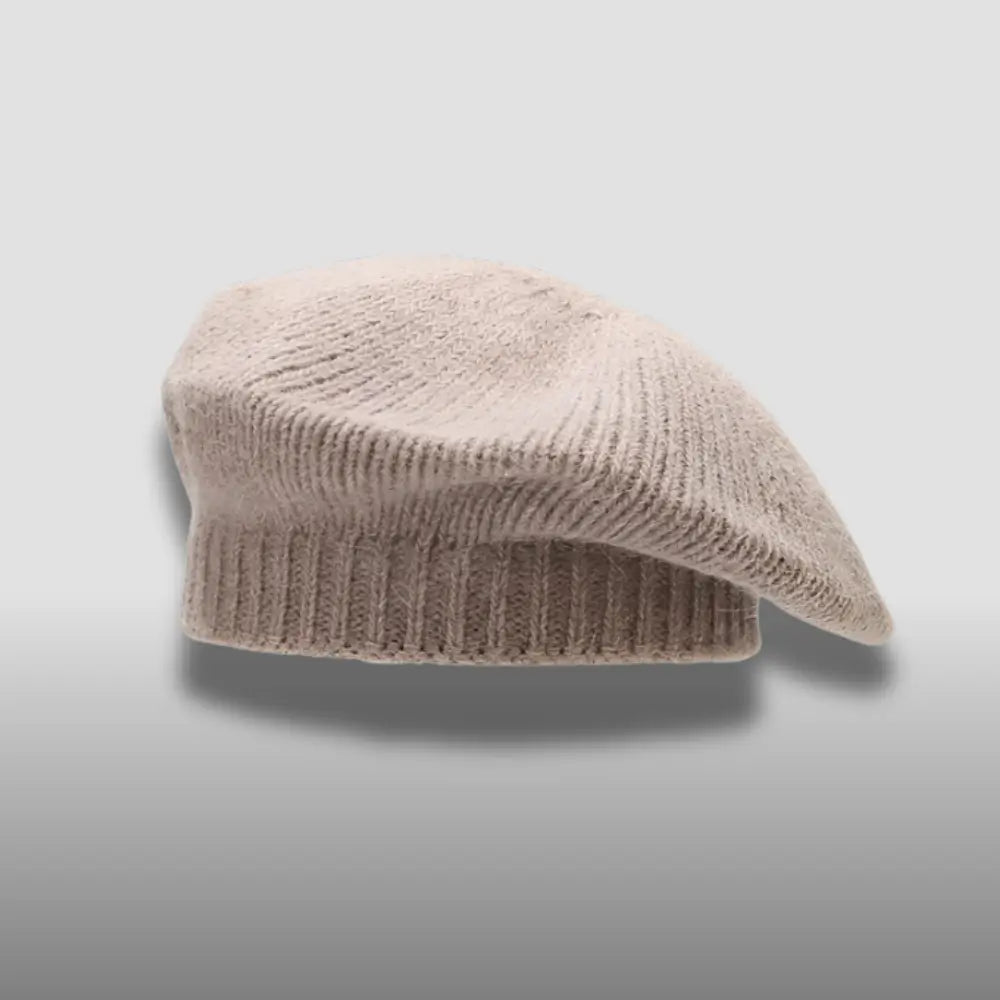
Because of that heritage, Basque berets lean toward earthy, natural colours: olive, brown, tan and beige. They feel relaxed and lived-in, and they suit a casual, outdoorsy look far more than a formal one. If you want to go deeper, our piece on what a Basque beret is covers its history in full.
Who a Basque beret suits best
Anyone who likes a softer, slouchier shape, wearers drawn to natural earthy tones, and people who want that relaxed, rustic feel.

★★★★★ 4.8 · 69 reviews
Khaki Beret
A soft tan felt in the earthy, natural tone that suits a Basque-style, relaxed look. Easy with denim and knits.
Shop now · $45The military beret
The military beret is the structured one. It holds a firm, sharp shape, sits squared to one side, and often carries a badge or pin as a nod to its uniform origins. Where the French and Basque styles are soft, this one is crisp and deliberate.
Worn in fashion rather than service, it reads confident and a little bold. It pairs well with a tailored coat or a leather jacket, and it usually comes in disciplined colours like black and army green. It is the type to choose when you want the beret itself to make the statement.

Beyond these classic shapes, most of the berets you see today are modern takes on them, made in new fabrics or bolder colours to suit current style.
Contemporary and statement berets
This is where the beret gets playful. Designers take the classic shape and remake it in leather, denim, velvet, faux fur or sequins, or simply in richer, brighter colours than tradition allows. The shape stays familiar, but the fabric and shade turn it into a statement piece.
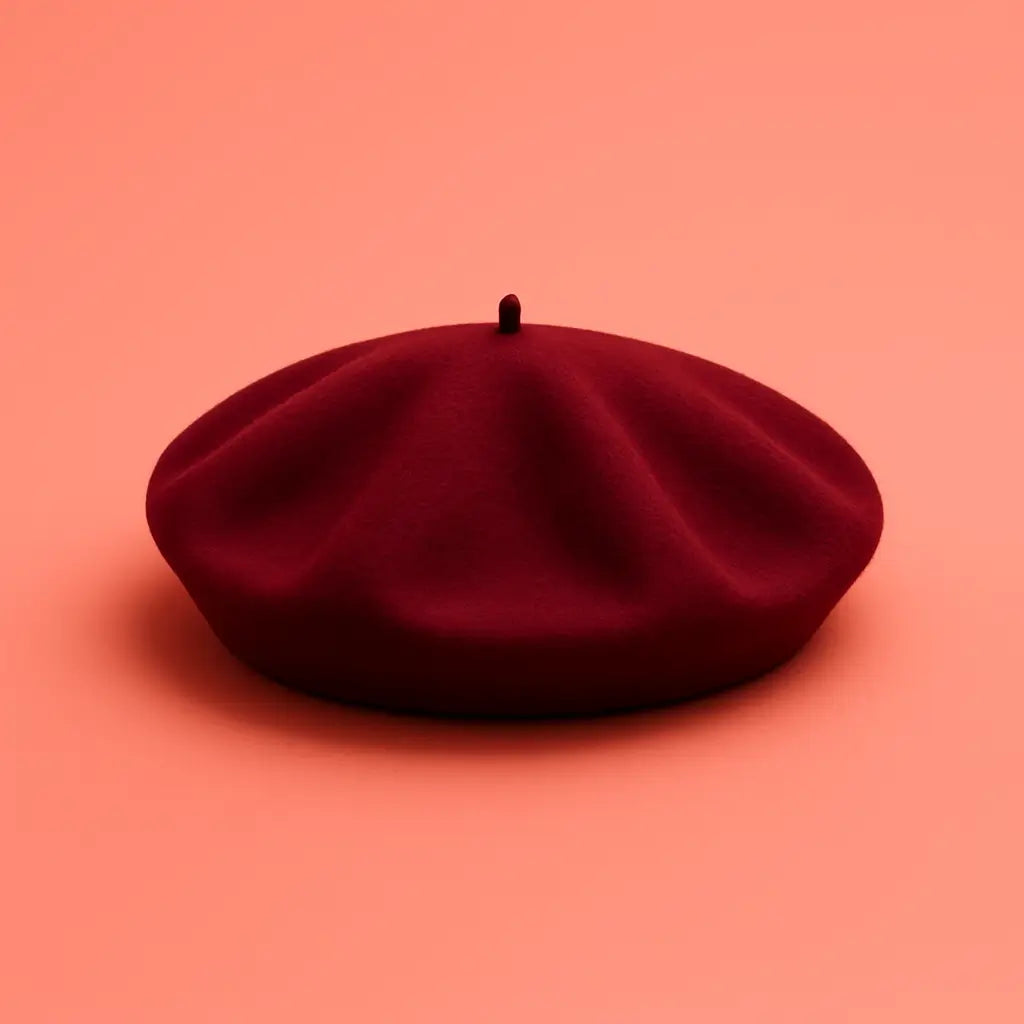
A jewel tone is the easiest way into this without going full costume. A wine, deep berry or petrol beret keeps the classic outline while giving an outfit real depth and colour.
Who a statement beret suits best
Anyone who already owns a classic and wants something with more personality, dressers who like rich colour, and shoppers who want a piece with plenty of reviews behind it.

★★★★★ 4.9 · 85 reviews
Wine Red Beret
Deep burgundy with a soft, rich surface. The classic shape in a colour that turns it into the statement.
Shop now · $45Crochet and bohemian berets
At the lightest end are the crochet and bohemian berets. Made from open crochet, knit or straw, they are airy and soft, with a relaxed drape that suits warm weather and easy outfits. They often carry a pattern or texture, which gives them their free-spirited, artistic feel.
These are the berets for spring days, festivals and casual summer looks, worn with flowy dresses, denim or a linen shirt. They trade the crisp structure of wool for comfort and a laid-back charm.
So, which type should you choose?
Pick by the look you want and the weather you wear it in. A classic French beret is the safest, most versatile start. Add a Basque style for relaxed days, a military beret when you want structure, a crochet one for warm weather, and a statement colour once you know how you like a beret to sit.
- Most versatile: a classic French beret in a neutral shade.
- Relaxed and rustic: a slouchy Basque beret in an earthy tone.
- Crisp and bold: a structured military beret.
- Warm weather: a light crochet or bohemian beret.
Do not judge a beret type only by a photo. A Basque and a French beret can look almost identical flat, but they sit very differently on the head. Check the crown depth and the fit range before you buy, so a slouchy style does not turn out far roomier than you expected.
Frequently asked questions
There are four main types: the classic French beret, the roomier Basque beret, the structured military beret, and the light crochet or bohemian styles. Most modern berets are versions of these in different fabrics and colours.
The French beret is flatter, neater and sits close to the head, while the Basque beret is roomier and slouchier with a softer crown, usually in earthy tones.
A classic French beret in black or navy. It is the most versatile shape, works with almost any outfit, and helps you learn how you like a beret to sit.
Not at all, but they are bolder. Their structured shape makes more of a statement, so they suit a confident, deliberate look better than a soft, casual one.
A crochet or bohemian beret. The open, lightweight fabric breathes far better than wool, so it stays comfortable in warm weather.
So, are there different types of berets? Yes, and each one has its own character. Start with the classic French shape, then add the type that fits how you actually dress and where you wear it.


Worn well, never overthought.
Camille