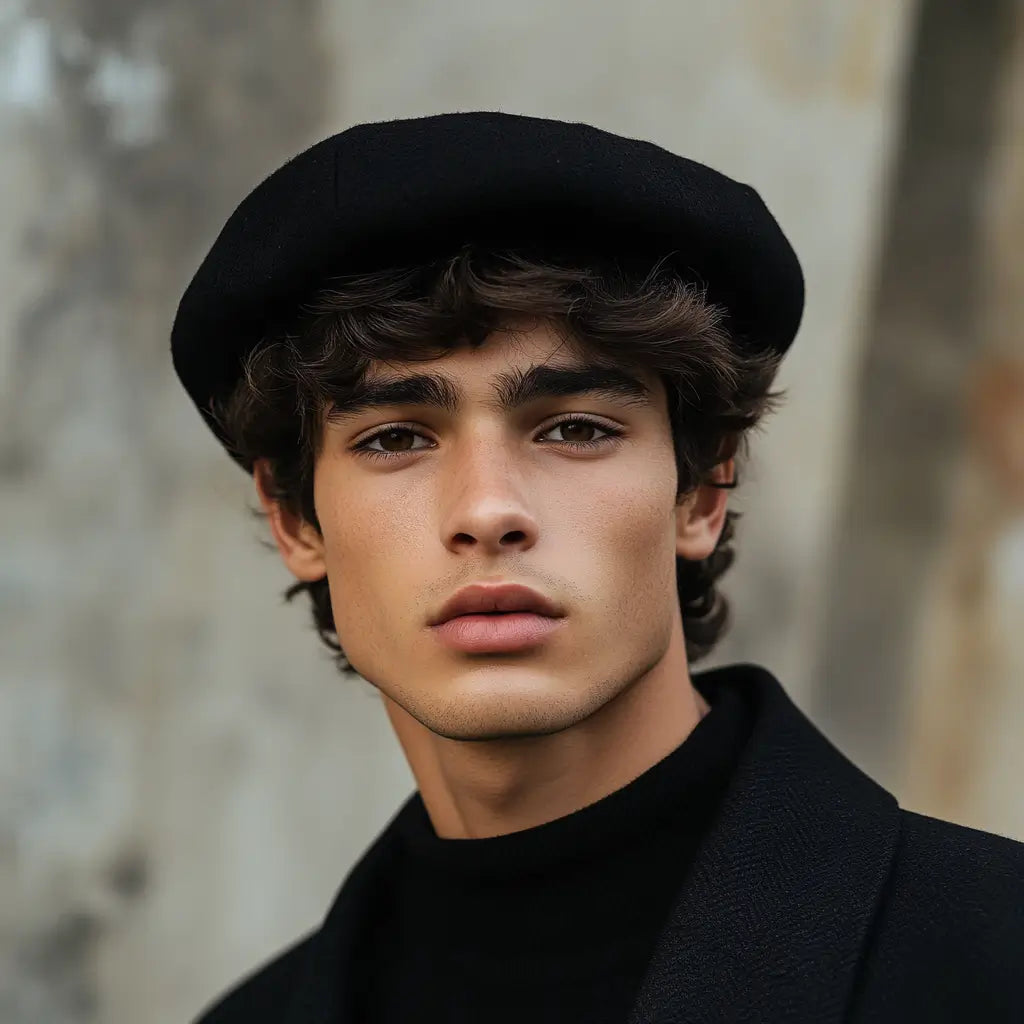
Short answer: a little, but not the way sunscreen or a wide-brimmed sun hat does. A beret sits close to the head with no brim, so it covers the crown and part of the forehead and does nothing for your face, ears or neck. Think of it as a light layer of shade for the scalp, not sun protection gear.
I am Camille, and I shape berets by hand in the Béarn, where summers get properly hot. I wear one on sunny days too, so here is the honest version: what a beret actually does in the sun, which fabrics feel coolest, and how to pair it with real protection when the UV index climbs.
- A beret shades the scalp a little, but it has no brim so your face and neck stay exposed.
- Light-coloured, breathable materials like cotton and lightweight wool felt stay cooler than dark or thick ones.
- A beret is not a substitute for sunscreen, sunglasses or shade. Pair it with those on strong-sun days.
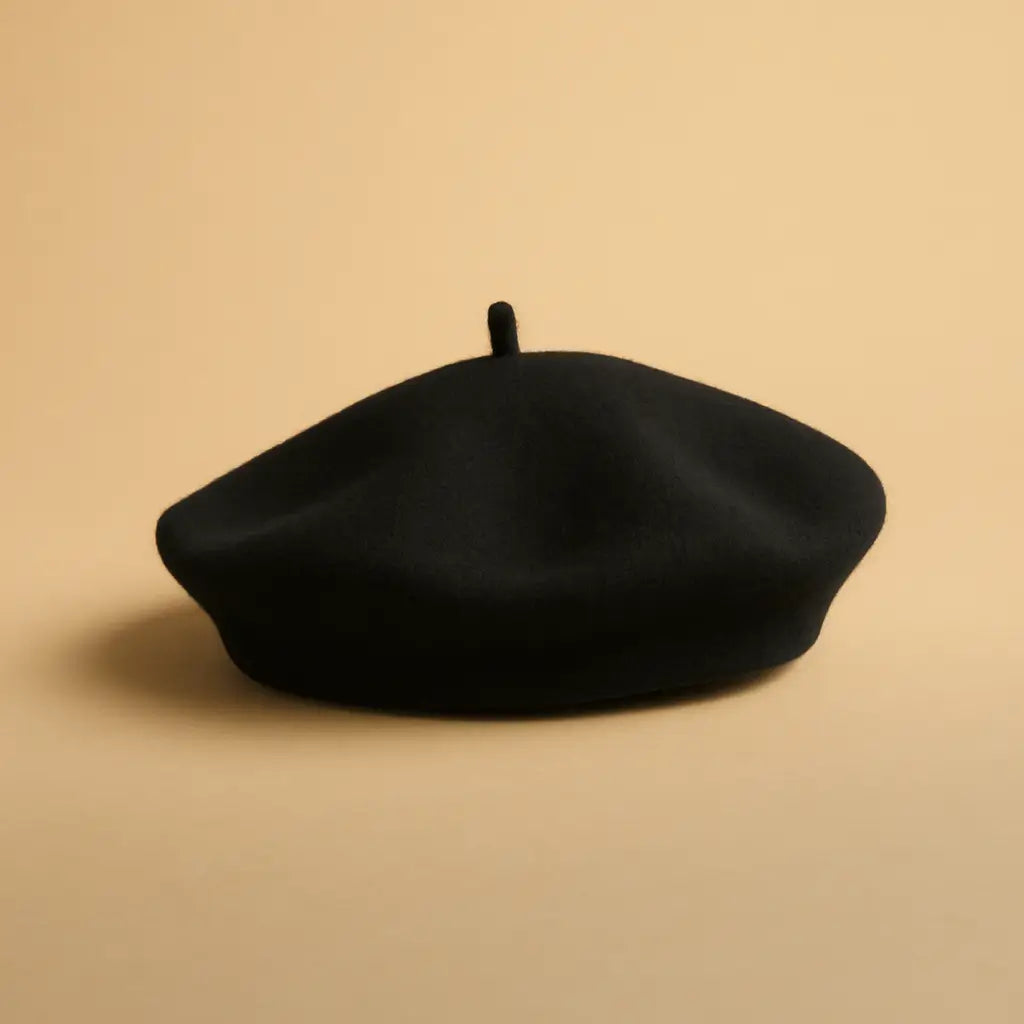
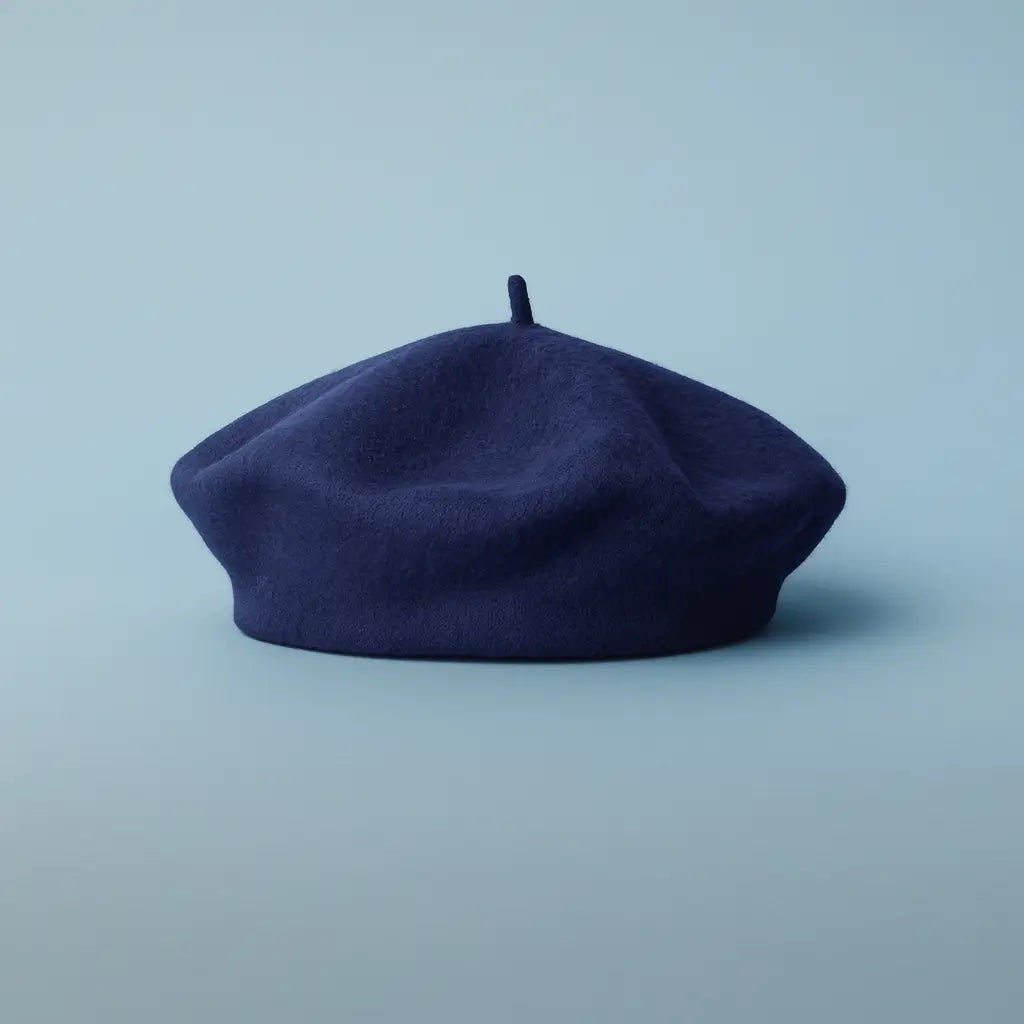
- Dark colours absorb more heat than pale ones, so save the black wool for shoulder-season sun.
- The scalp still burns under thin hair or a parting, so sunscreen on the parting line matters even with a beret on.
The short answer
Here is how a beret actually compares with real sun gear, at a glance. The detail on materials and pairing follows.
| Item | Sun coverage | Best for |
|---|---|---|
| Cotton or light wool beret | Light, scalp only | Mild sun, everyday errands |
| Wide-brimmed sun hat | Face, neck and scalp | Beach, midday, long exposure |
| Beret plus sunscreen and sunglasses | Scalp, face and eyes | Any sunny day you plan to be out for hours |
Why a beret only goes so far in the sun
A beret is a close, brimless shape by design. It sits snugly around the head and gives good coverage across the crown, but because there is no brim, it throws no shade past the hairline. Your forehead, nose, cheeks, ears and neck are left exactly as exposed as if you wore nothing at all.
Where it does help is the part of the scalp under the crown, especially along a parting or a thinning patch, which is one of the more common places people quietly get burned. A snug beret worn a little forward covers more of that line than one pushed back, so if scalp coverage is what you are after, wear it that way.
Who a light wool beret suits best
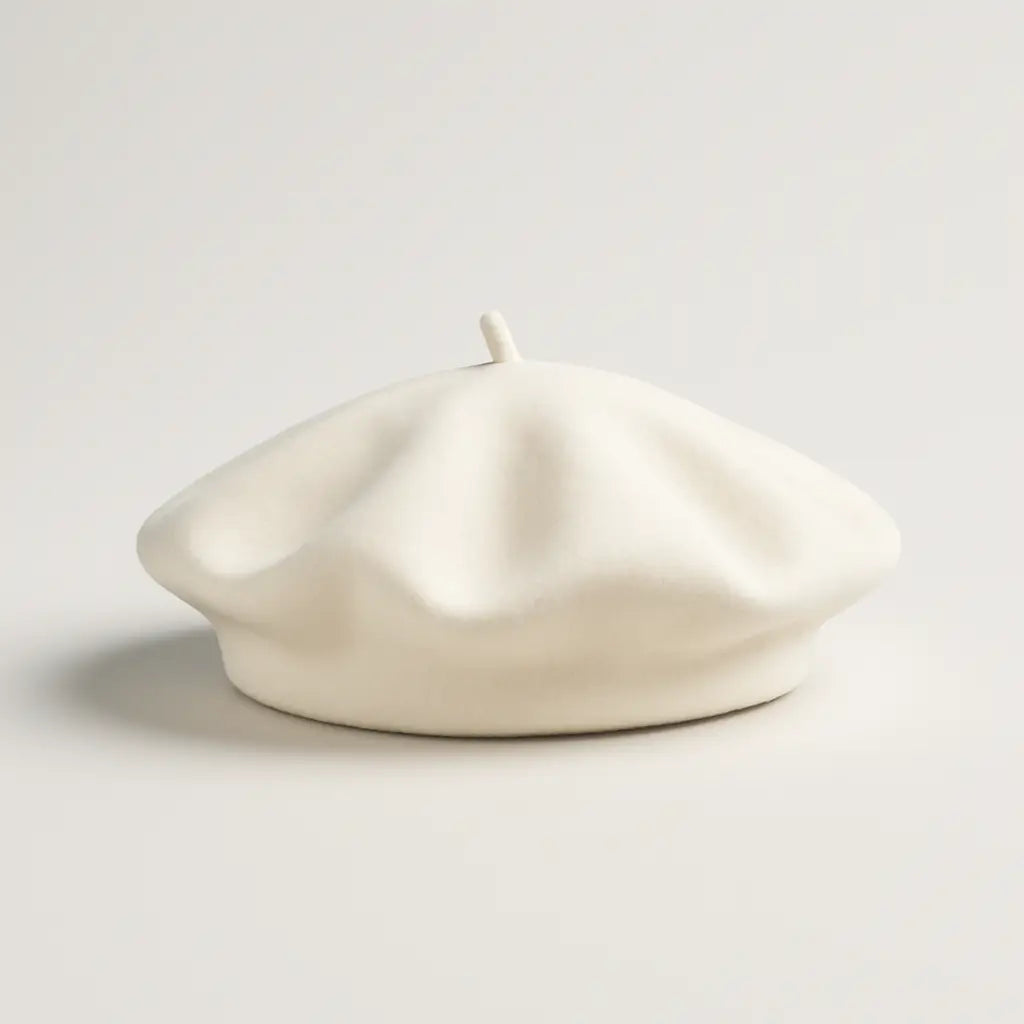
Anyone who wants a cooler, paler option for sunny days, wearers with a parting or thinning hair who want the scalp covered, and people who want a beret that still looks considered once the coat comes off.

★★★★★ 4.8 · 60 reviews
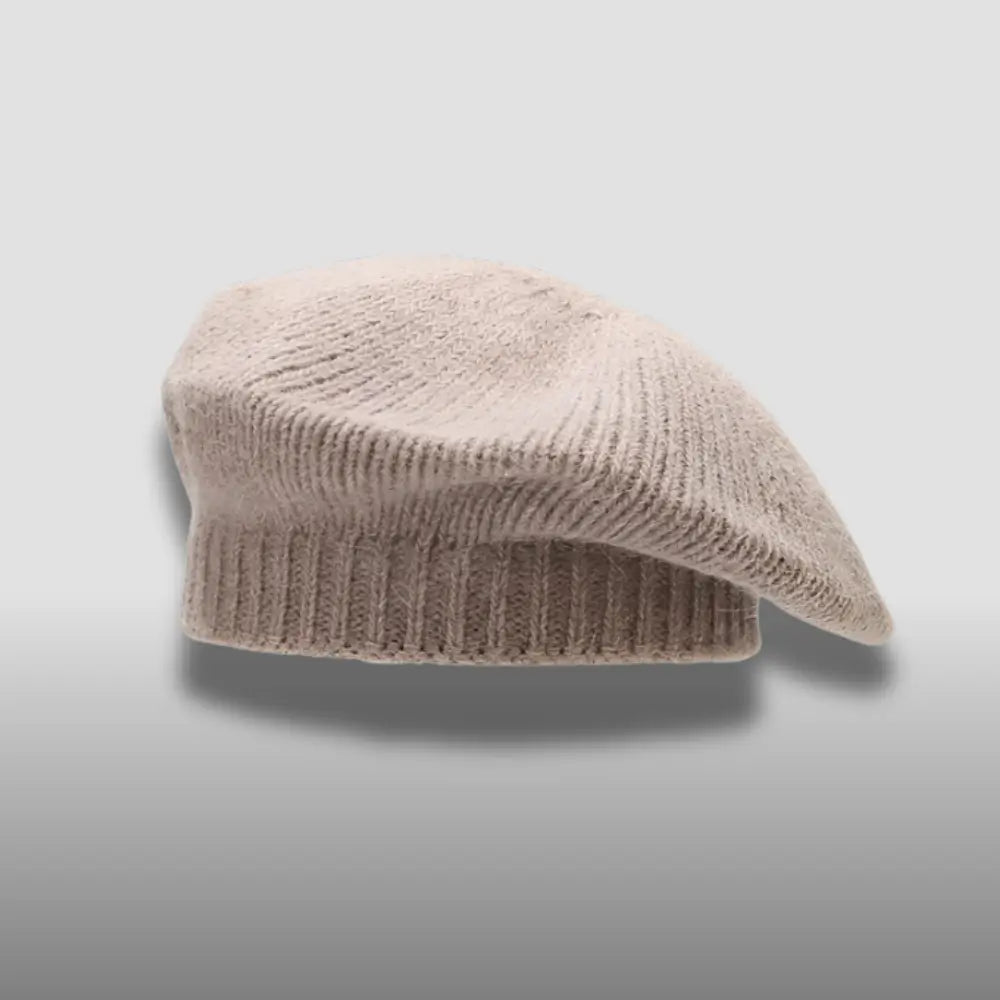
Beige Wool Beret
Soft cream wool, light enough for warm weather and pale enough to stay cooler than a dark colour in full sun.
Shop now · $45Colour matters more than most people expect. Pale shades like beige, cream and light khaki reflect more sun than black or navy, so they stay noticeably cooler against the scalp on a hot afternoon. Save the dark wool for spring and autumn sun rather than the peak of summer.
The most breathable materials for a sunny day
Not every beret behaves the same way in the heat. A thick winter wool felt traps warmth against the head, which is exactly what you want in January and exactly what you do not want in July. For sunny weather, look for a lighter weave, a thinner felt, or a cotton blend that lets air move.
Our cotton beret collection is the easiest starting point if breathability is your main concern. Cotton takes the heat differently to wool: it does not trap warmth the same way, so it feels noticeably lighter on a hot head. For a deeper look at how different fabrics behave, we cover it fully in what is the best fabric for a beret.
Who a khaki beret suits best
Wearers who want a breathable neutral for daily summer wear, anyone building a warm-weather capsule around light earth tones, and travellers who need one hat that works across a hot afternoon and a cooler evening.

★★★★★ 4.8 · 69 reviews
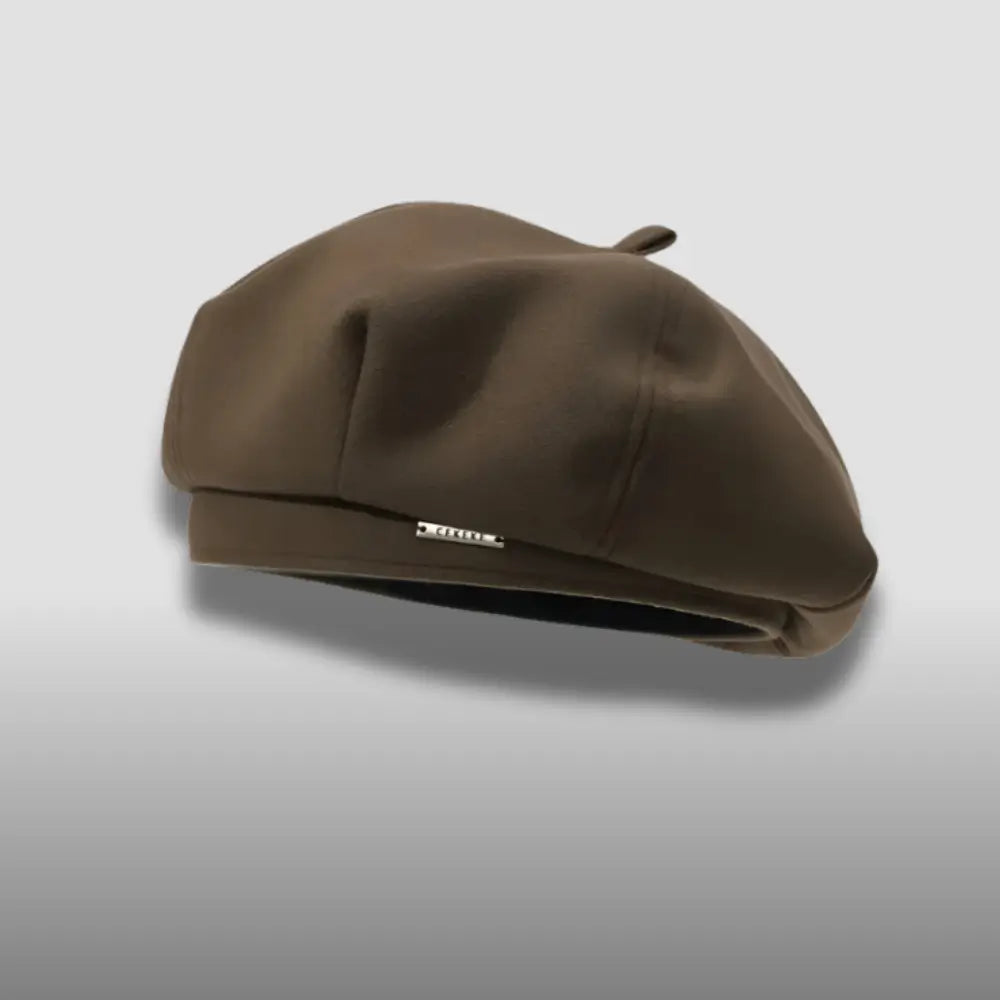
Khaki Beret
Soft tan felt, light enough for warm days and easy to wear from a sunny morning into a cooler evening.
Shop now · $45
None of this means a beret is the wrong hat for summer. It is simply the wrong tool for a full day at the beach, and the right one for a walk to the market, a café terrace or a city afternoon where you want your head covered but not swimming under a wide brim.
Pairing a beret with real sun protection
The honest advice, from someone who sells hats for a living, is not to rely on any hat alone. A beret looks good and takes the edge off scalp exposure, but the real protection for a sunny day still comes from sunscreen, sunglasses and shade.
Apply a broad-spectrum sunscreen to your face, ears and the back of your neck before you leave the house, since none of those areas are covered by a beret. Add sunglasses for your eyes, and step into shade when you can during the strongest hours of the day, roughly late morning to mid afternoon. How a beret behaves across the rest of the year is something we set out in wearing a beret in different seasons.
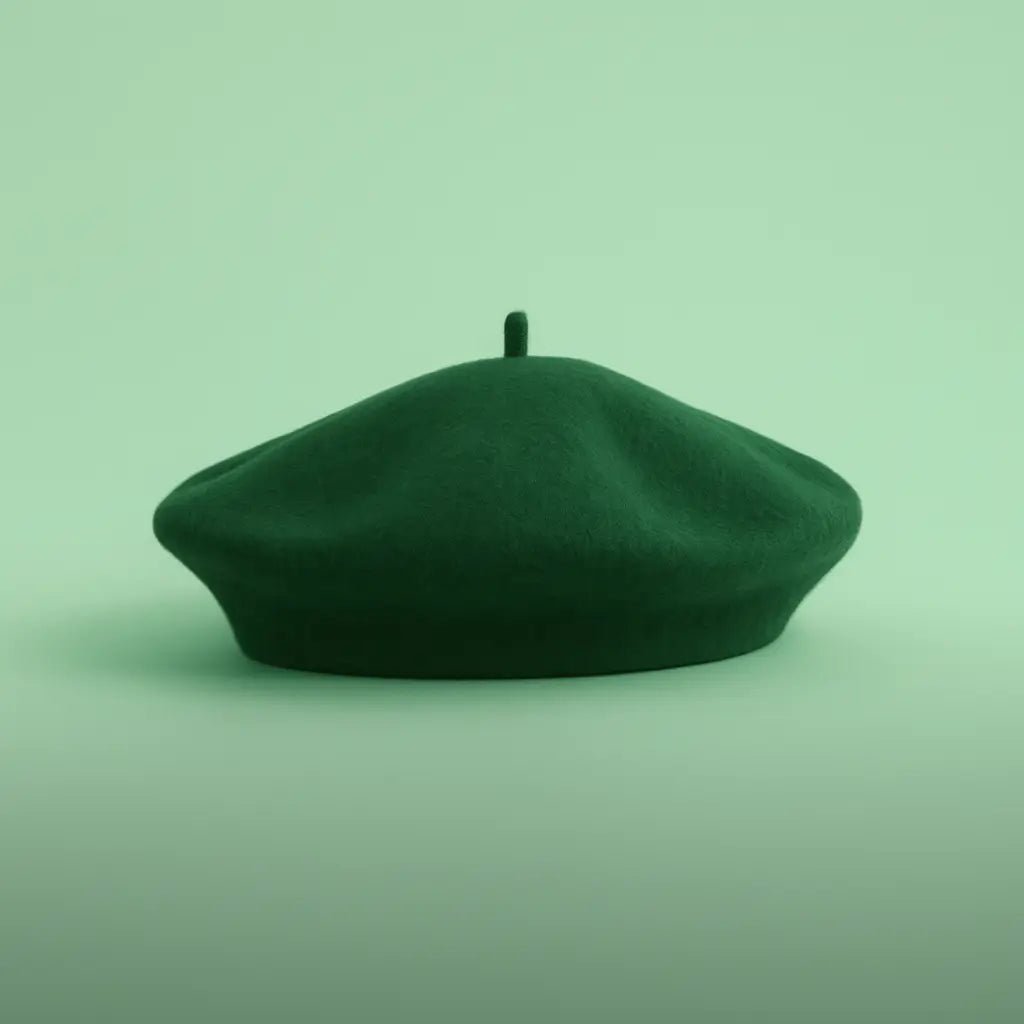
Who a French green beret suits best
Anyone who wants a classic wool colour for shoulder-season sun, wearers moving between shaded streets and open squares, and shoppers who prefer a beret that reads elegant rather than purely functional.

★★★★★ 4.8 · 89 reviews
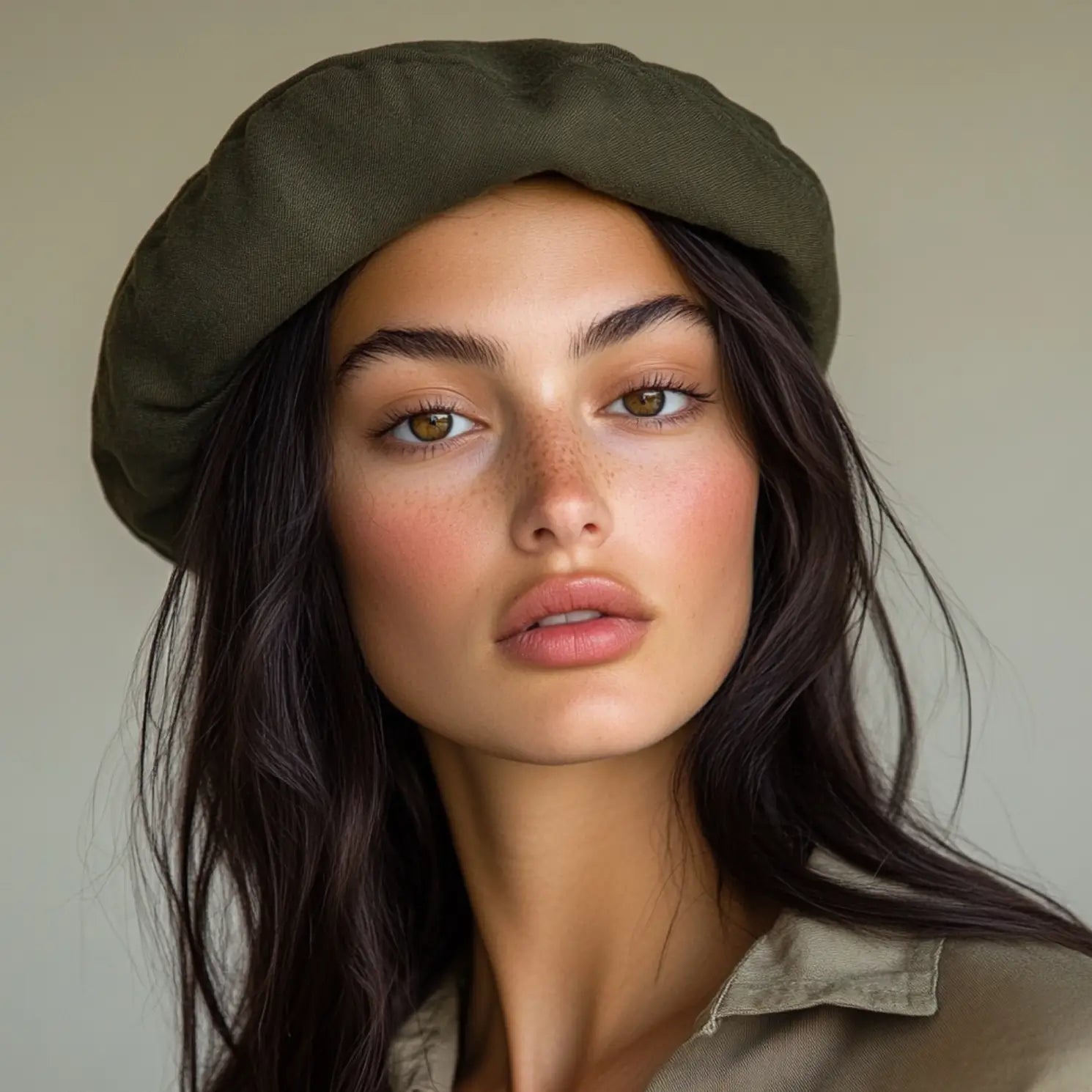
French Green Beret
Deep, soft green with a classic dome. A good pick for mild sun in spring and early autumn, worn with the crown forward for extra scalp cover.
Shop now · $45How to choose a beret for sunny weather
- Go pale over dark if the sun is your main worry. Light colours reflect more heat.
- Pick cotton or a thin felt over a heavy winter wool for warm-weather comfort.
- Wear it slightly forward to cover more of the parting and forehead line.
- Add sunscreen and sunglasses rather than expecting the beret to do that job.
Caring for a beret in summer heat
Heat and sweat are harder on a beret than most people expect, so a little upkeep keeps it looking sharp through the warm months.
- Let it air out after a hot day rather than packing it away damp.
- Brush wool gently to lift dust and keep the felt looking fresh.
- Keep it out of direct sun when you are not wearing it, since prolonged UV can fade colour over time.
Do not treat a beret as your only sun protection for a beach day, a hike or hours in open midday sun. Without a brim it leaves your face, ears and neck fully exposed, and heavy wool can also feel uncomfortably hot once the temperature climbs.
Frequently asked questions
They give the scalp light coverage, especially along a parting, but they have no brim so your face and neck get no protection at all.
Cotton and lighter wool felts breathe better than heavy winter wool. Pale colours like beige and khaki also stay cooler than black or navy in direct sun.
Yes. A beret does nothing for your face, ears or neck, so sunscreen on those areas is still essential, along with sunglasses for your eyes.
It helps for the covered area, particularly along a parting or thinning patch, but sunscreen made for the scalp is a better dedicated option for long exposure.
Heavy winter felt can feel warm in peak heat. A lighter wool or a cotton beret is the more comfortable choice for hot, sunny days.
So, do berets protect from sunlight? A little, around the scalp, and not at all for your face or neck. Choose a pale, breathable one for hot days, wear it slightly forward, and let sunscreen and sunglasses do the rest of the work.


Worn well, never overthought.
Camille