Short answer: not very well. Fully synthetic berets, usually acrylic or polyester, trap heat and moisture far more than natural fibres do. If you want a beret that breathes and stays comfortable all day, wool or cotton is the better choice.
I am Camille, and I handle every kind of beret fabric in the workshop. Synthetics have their place, they hold bright colour well and cost less, but breathability is where they fall short. Here is how the materials really compare.
- Synthetic berets breathe poorly compared with natural fibres.
- Wool breathes and regulates warmth; cotton is light and airy.
- Acrylic and polyester hold colour and cost less, but can feel sweaty.
- For all-day comfort, choose wool for cool days and cotton for warm ones.
- A wool-rich blend is a good middle ground.
The short answer
Short on time? This is how the common beret fabrics compare for breathability.
| Fabric | Breathability | Best for |
|---|---|---|
| Wool | High, regulates warmth | Autumn and winter |
| Cotton | High, light and airy | Spring and summer |
| Acrylic / polyester | Low, traps heat | Budget, bright colours |
| Wool blend | Medium to high | Everyday all-rounder |
Why synthetics struggle to breathe
Natural fibres like wool are hollow and slightly irregular, so they let air move and pull moisture away from your head. Synthetic strands are smooth and solid, so heat and sweat sit against the skin instead of escaping. On a warm day, that is the difference between comfortable and clammy.
This is why fabric is worth checking before you buy. If you want the full breakdown of how each material wears, our guide on the best fabric for a beret goes deeper.
Who should prioritise breathability
Anyone who wears a beret all day, runs warm, or lives somewhere mild. For you, a natural-fibre wool or cotton beret will always feel better.

★★★★★ 4.8 · 60 reviews
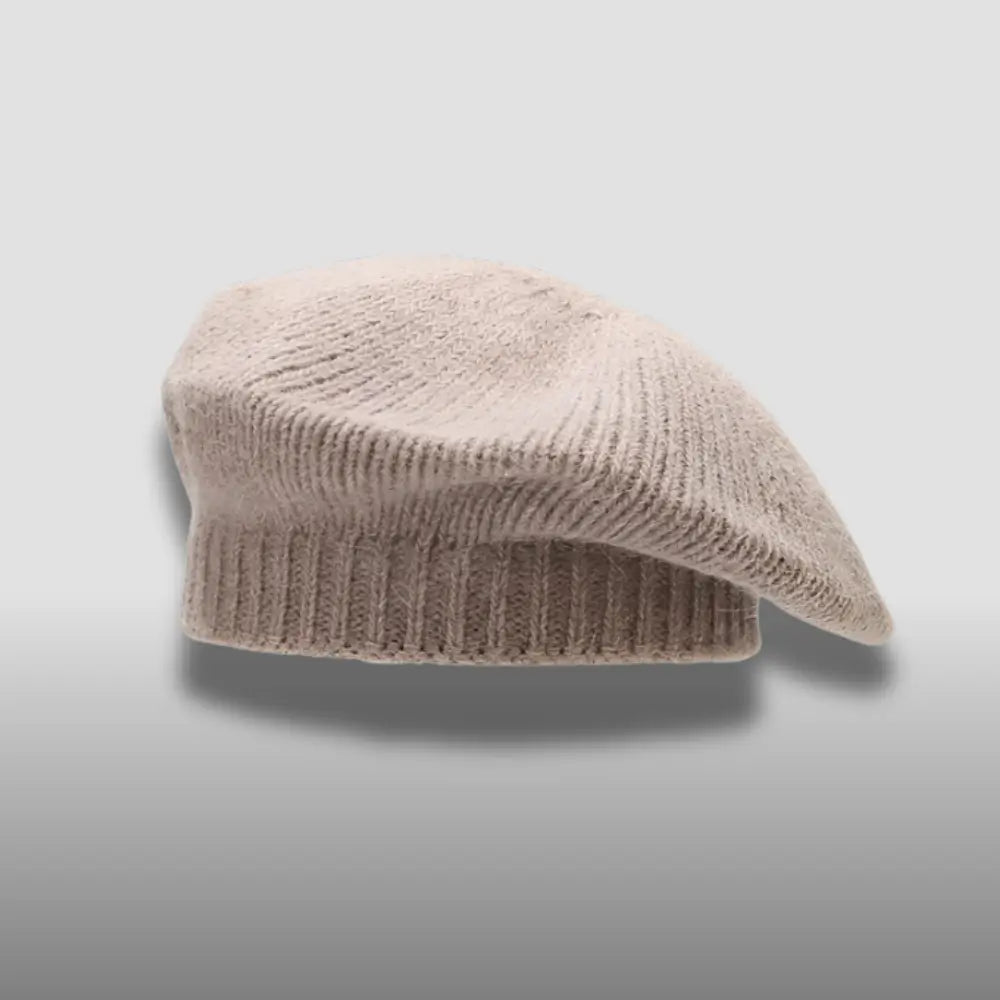
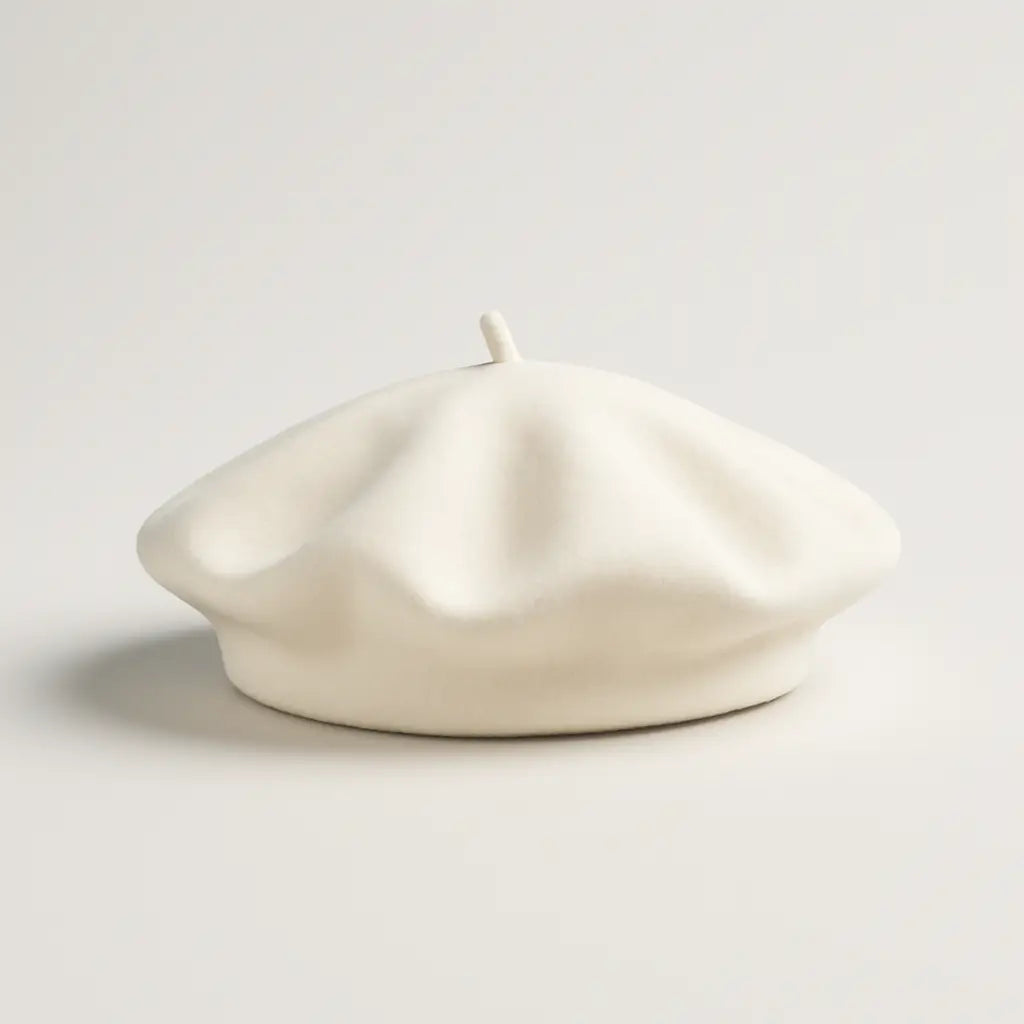
Beige Wool Beret
Soft cream wool that breathes and regulates warmth. Comfortable for long days in a way synthetics rarely are.
Shop now · $45Check the label before you buy. A beret listed as wool or cotton, or a wool-rich blend, will breathe far better than one that is mostly acrylic, even if they look alike on screen.
When a wool beret is the answer
For most of the year, wool is the most comfortable beret you can wear. It insulates in the cold, breathes in milder weather, and pulls moisture away so your head stays dry. It also holds its shape beautifully, which synthetics often do not.
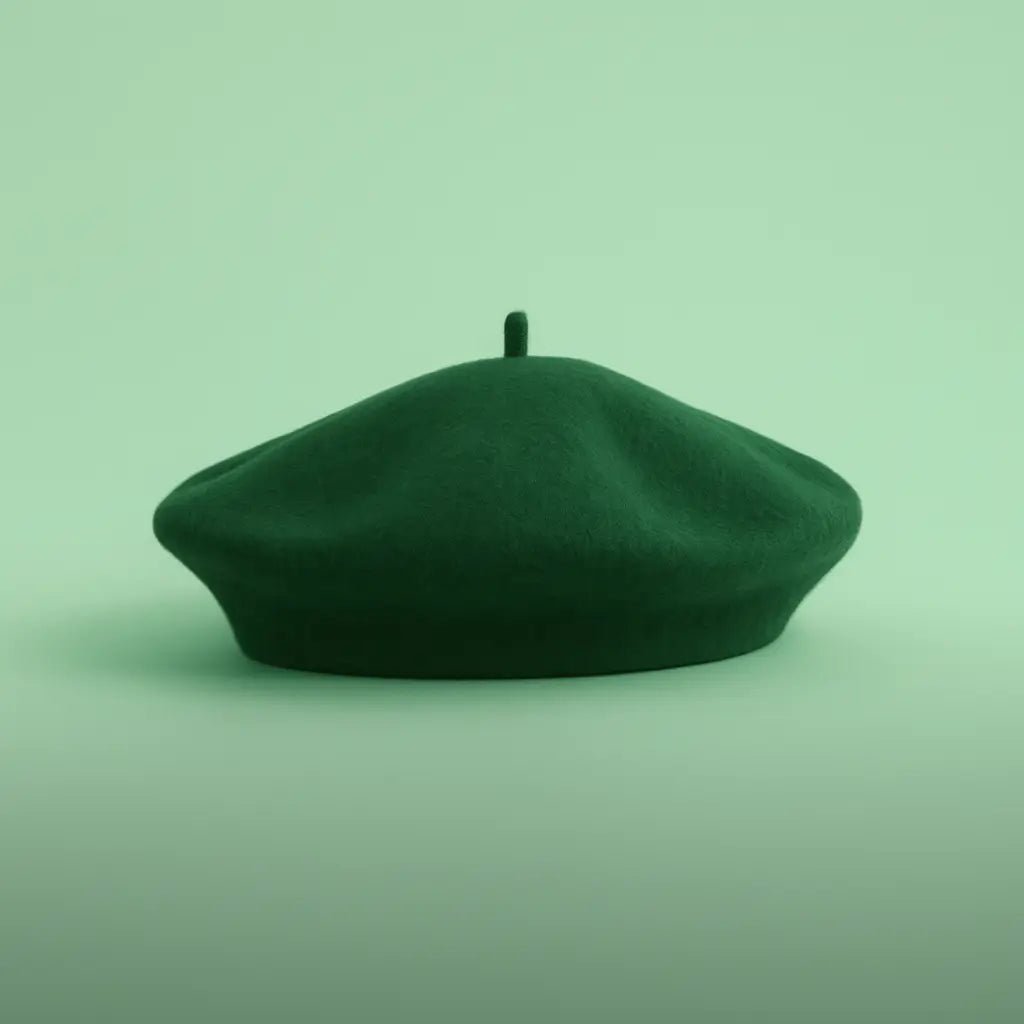
A deeper colour like green or charcoal hides everyday wear and pairs with autumn and winter layers. It is the kind of beret you reach for without thinking.

★★★★★ 4.8 · 89 reviews
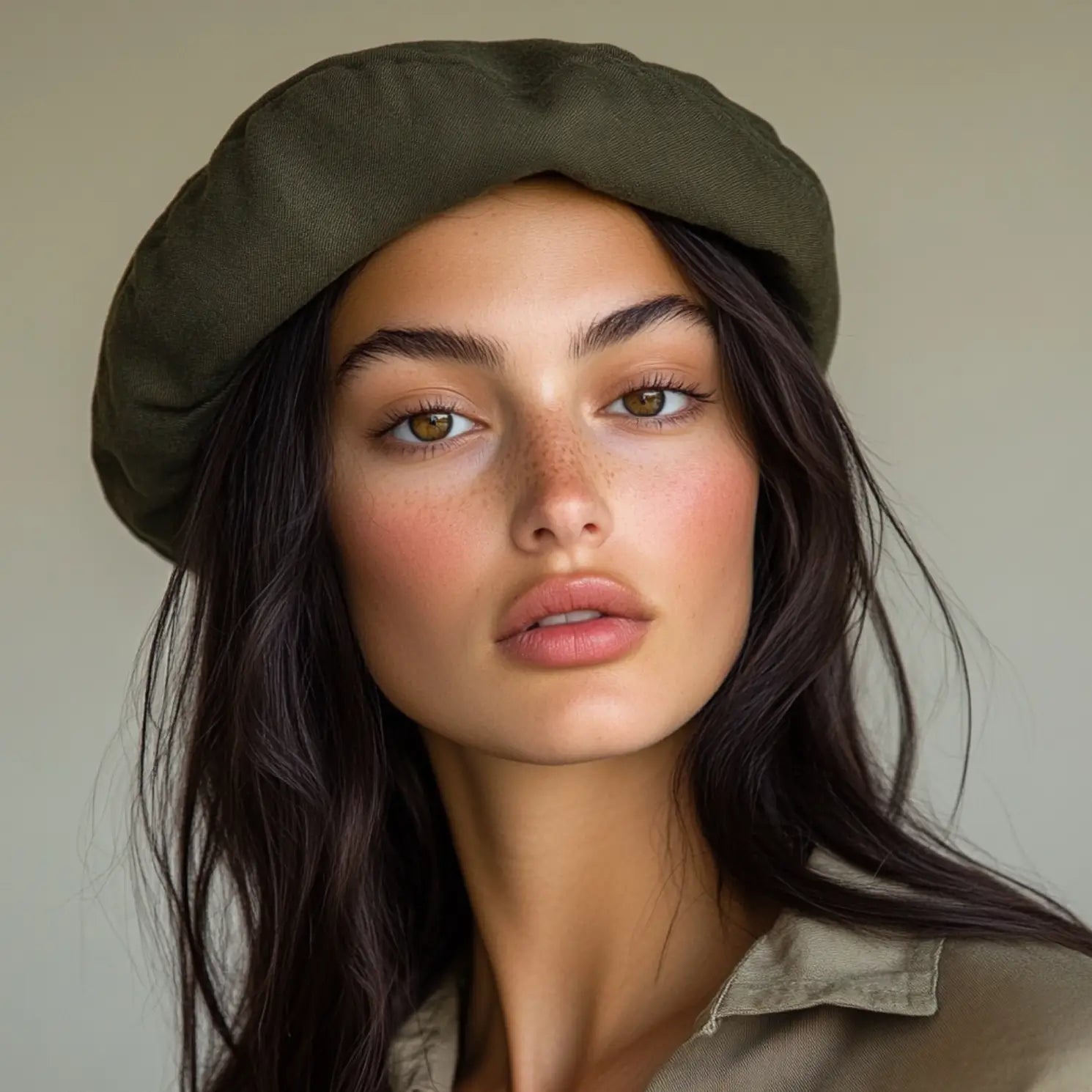
French Green Beret
Soft, breathable wool in a deep, versatile green. Warm without feeling stuffy, and easy to wear all day.
Shop now · $45
Keeping any beret fresh
Breathable or not, every beret feels better when it is clean and aired between wears. Natural fibres are the easiest to keep fresh, since they release odour and moisture rather than holding it.
A soft, neutral wool beret is the simplest to live with day to day. For the full routine, see our notes on how to clean a beret.

★★★★★ 4.8 · 69 reviews
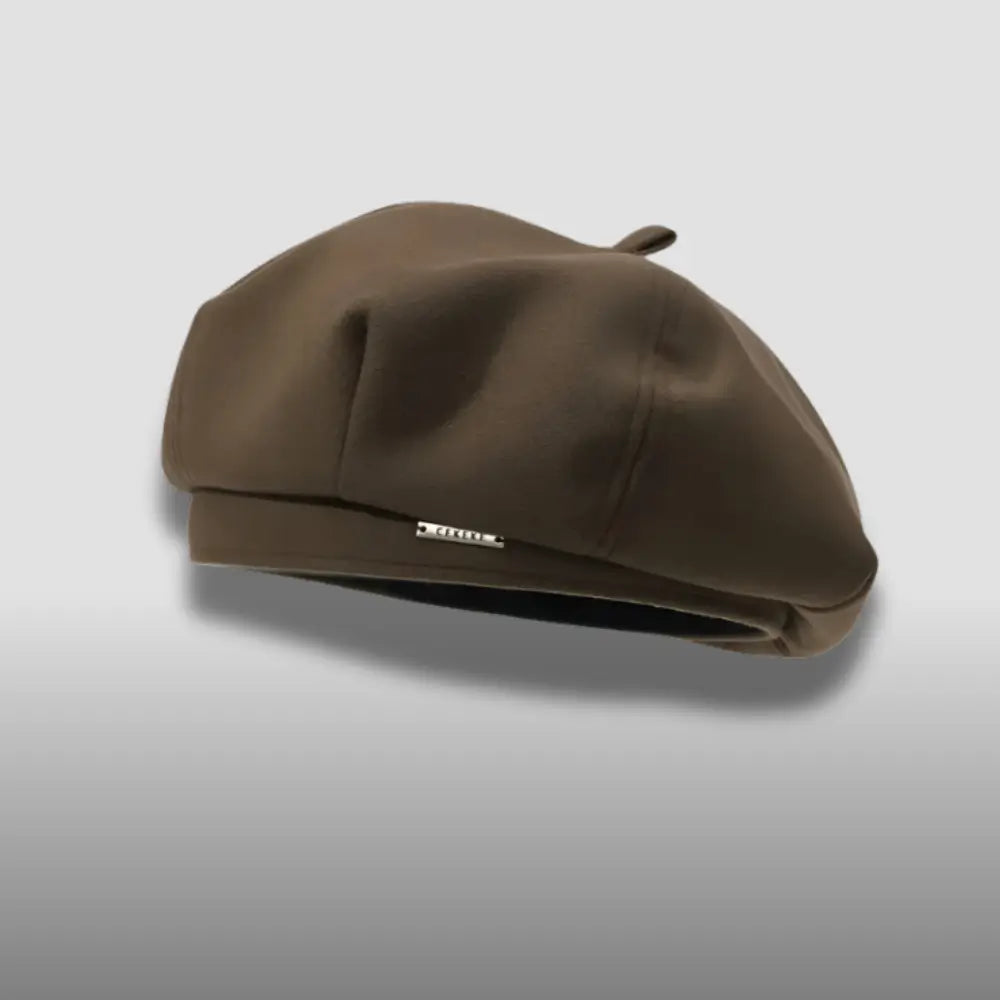
Khaki Beret
Soft tan felt that breathes and airs out easily. A practical, comfortable everyday neutral.
Shop now · $45Care basics
- Air your beret between wears rather than storing it straight away.
- Spot clean wool, hand wash cotton cold, and never wring either.
- Reshape damp and dry flat so the crown holds.
Do not tumble dry any beret, synthetic included. Heat warps synthetic fibres and shrinks wool, and the shape rarely recovers. Always air dry flat.
Frequently asked questions
Not well. Acrylic and polyester trap heat and moisture against the skin, so they feel warmer and clammier than wool or cotton.
Cotton for warm weather and wool for cooler days. Both let air move and pull moisture away, unlike most synthetics.
Yes. A wool-rich blend keeps much of wool's breathability while adding a little durability and colour-fastness.
Their smooth, solid fibres do not wick moisture, so sweat sits against your head instead of escaping through the fabric.
So, do synthetic berets breathe? Only a little. If comfort matters, reach for wool or cotton and let the fibre do the work. Your head will thank you on the warm days.


Worn well, never overthought.
Camille