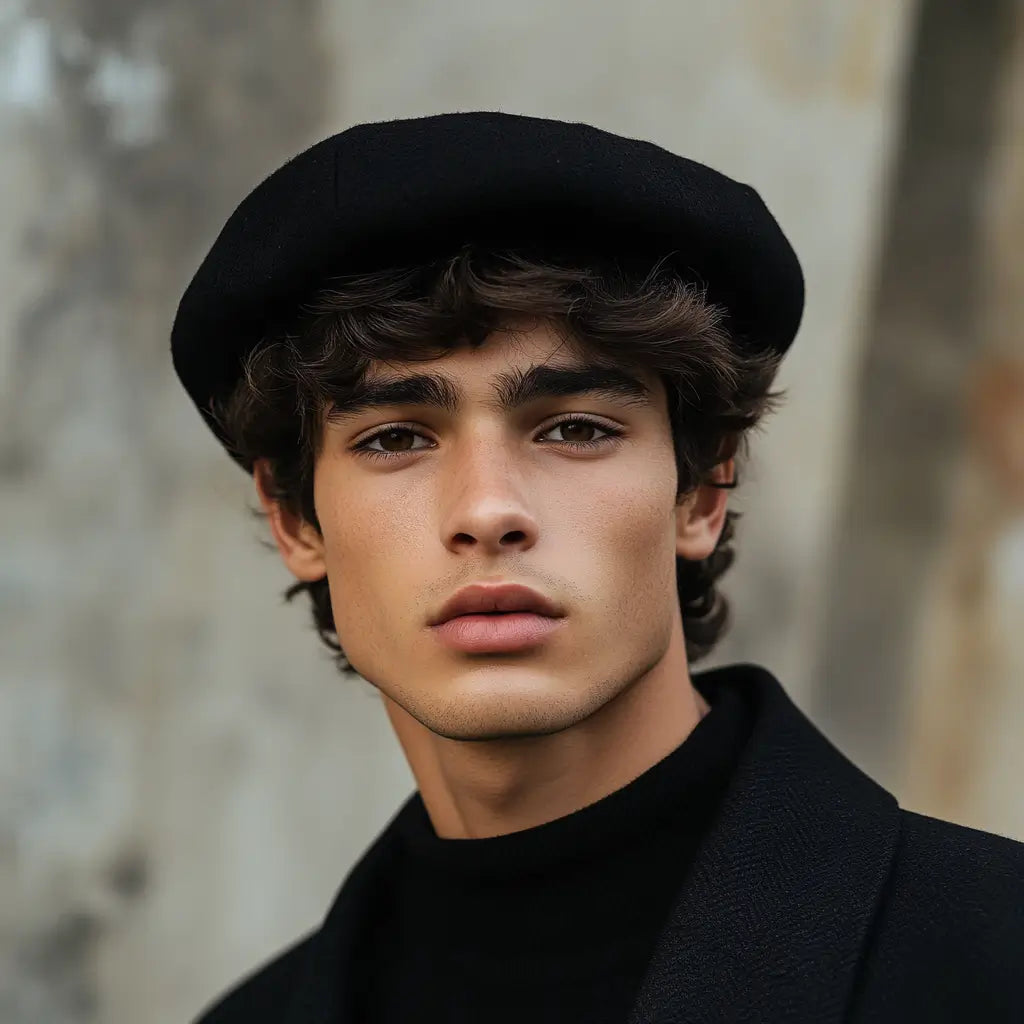
Short answer: not really. The beret is far more tied to the military, to artists, and to the Basque and Béarn country than to any religion. A few ceremonial outfits use soft, round caps that look beret-like, but the classic French beret you know is a cultural and style piece, not a religious symbol.
I am Camille, and I shape these by hand in the Béarn, where the beret was born. People often ask whether it carries a religious meaning, so here is the honest picture, plus where the beret really comes from.
- The beret is mainly cultural and military, not religious.
- Some clerical and ceremonial caps look similar but are different garments.
- The French beret traces back to the Béarn and Basque country.
- Today it reads as artistic, French and timeless, with no religious meaning.
- You can wear one anywhere, including to a service, as ordinary headwear.
The short answer
Short on time? Here is where the beret actually belongs.
| Context | The beret's role |
|---|---|
| Basque and Béarn country | Everyday traditional headwear |
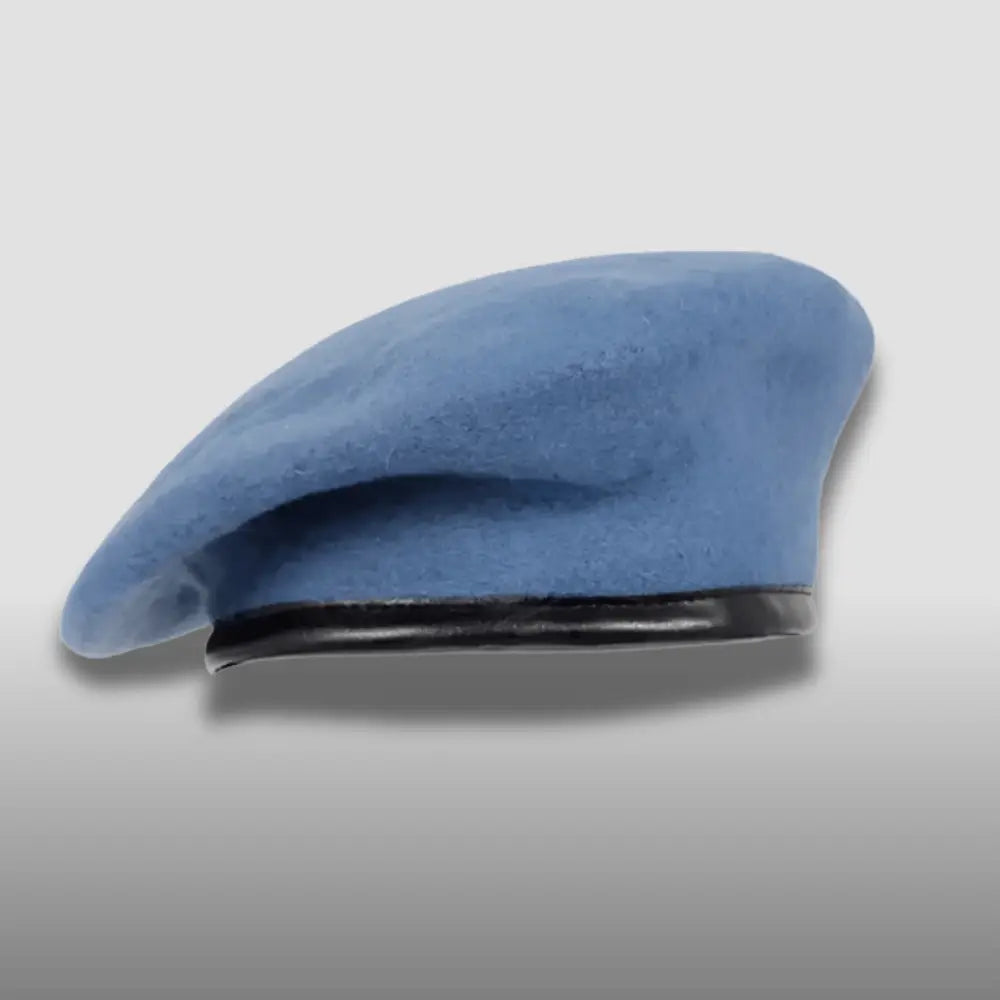
| Military | Part of many uniforms worldwide |
| Artists and writers | A symbol of creativity |
| Religion | Little direct link; some look-alike caps exist |
So, do religions use berets?
Not in any meaningful way. The round caps you might picture in religious dress, such as a skullcap or a biretta, are their own distinct garments with their own history. They are not berets, even where the shape looks related. The beret itself grew out of practical, secular life in the mountains of southwest France and northern Spain.
Where the beret does appear in formal settings, it is usually military or civic rather than religious: armies, regiments and youth groups around the world have adopted it as part of a uniform. For more on the famous figures who made it iconic, see our piece on who famously wore a beret.
Who wears a beret today
Mostly people who love its French, artistic character: men and women who want a classic, versatile hat with real heritage and no loaded meaning.

★★★★★ 4.8 · 62 reviews
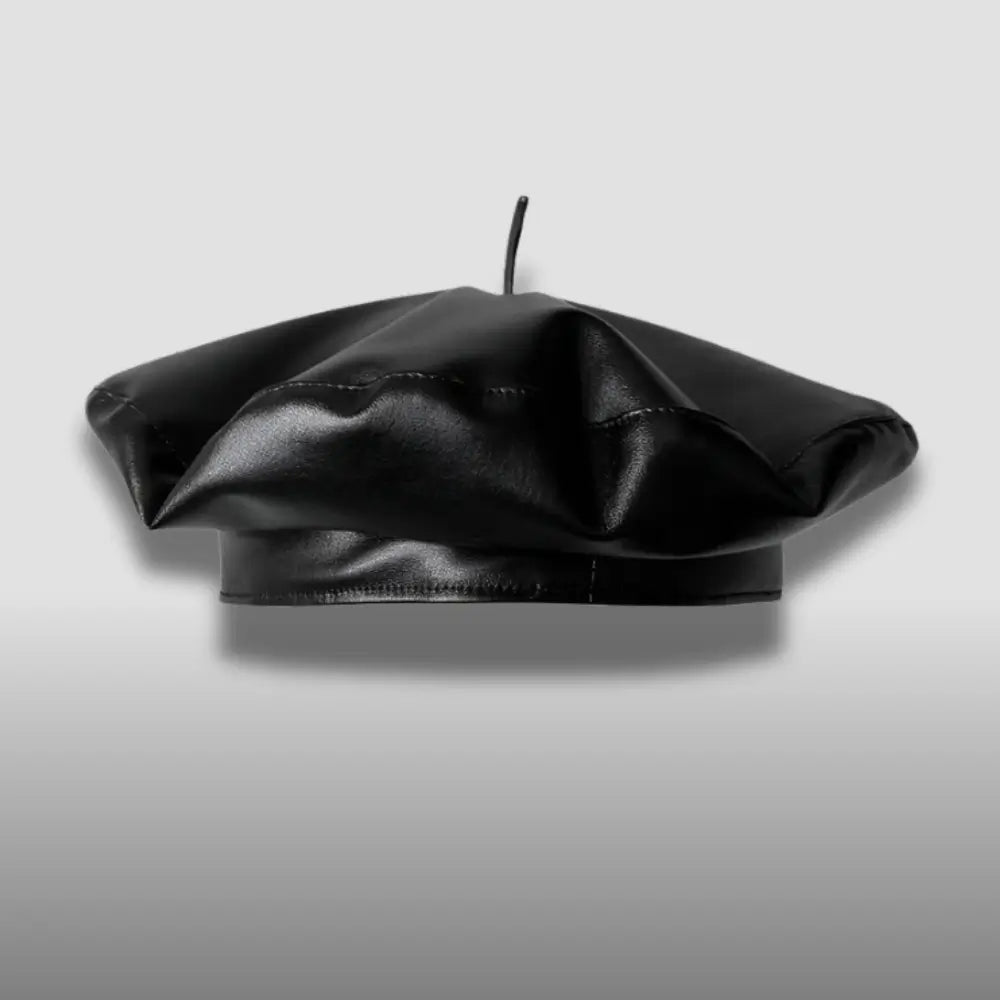
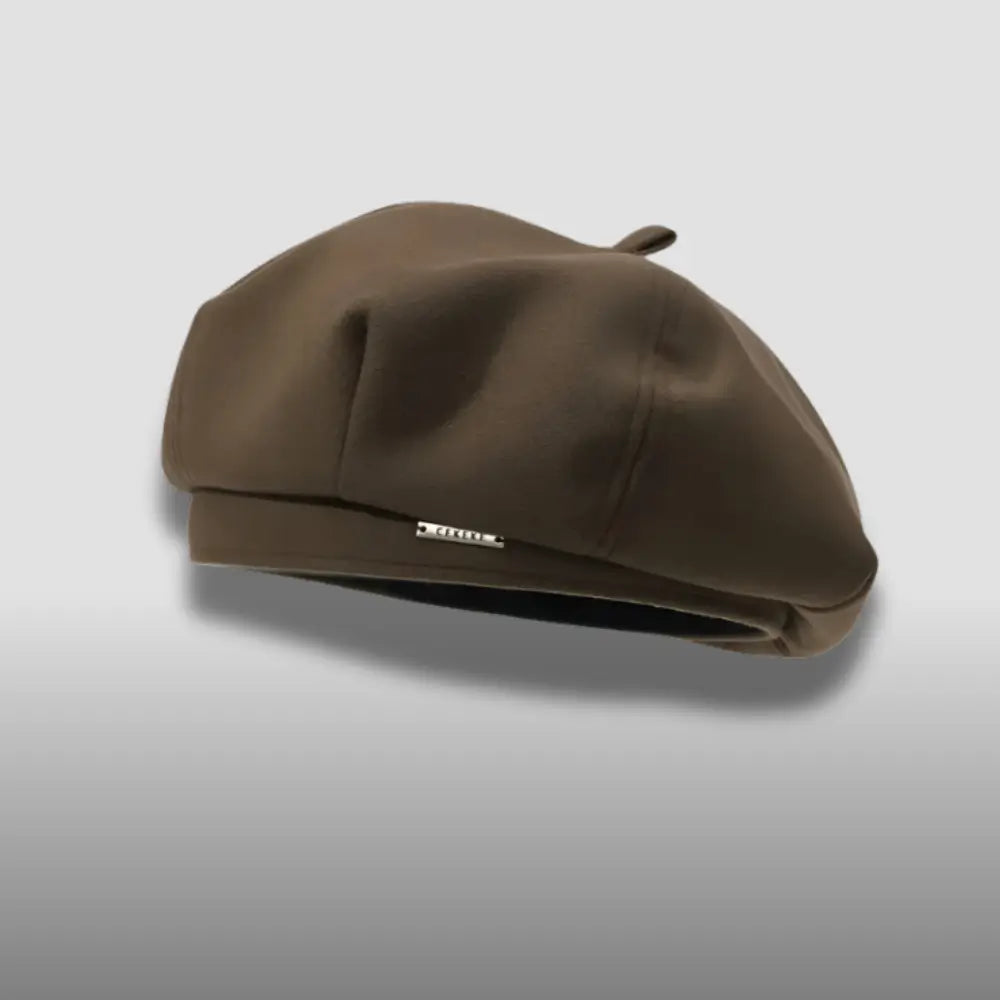
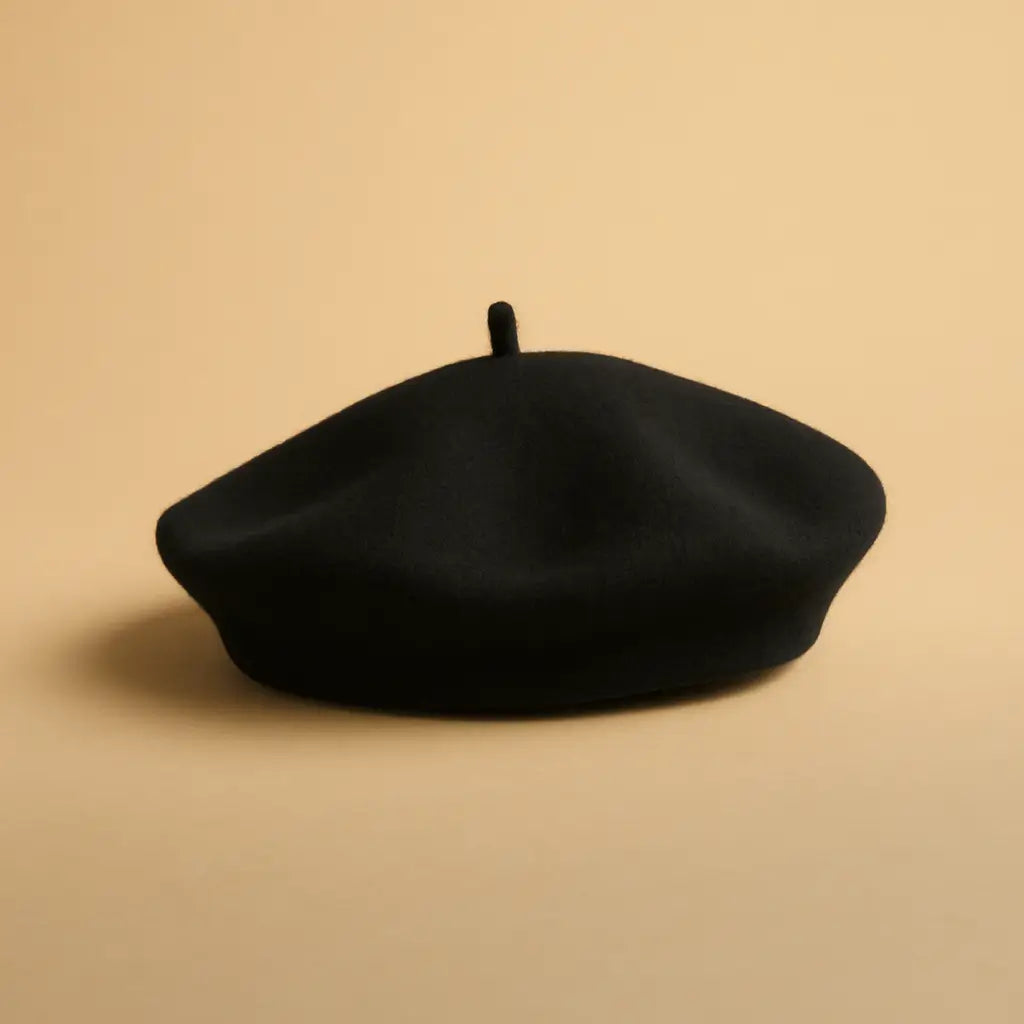
Black French Beret
Sleek matte black, our most classic beret. Neutral, timeless and appropriate almost anywhere.
Shop now · $39If you want a beret that suits any setting, choose a neutral. Black, navy or cream read calm and respectful, and they never look like a statement you did not intend.
Where the beret actually comes from
The beret began as practical headwear for shepherds in the Béarn and the Basque country, made from dense felted wool to shed rain and hold warmth. From there it spread through France and into military and artistic life, picking up the cultural meaning it carries today.
That heritage is what gives the beret its quiet authority. It is French, rural and centuries old, and we cover the full story in our guide on what culture the beret is from.

★★★★★ 4.9 · 75 reviews
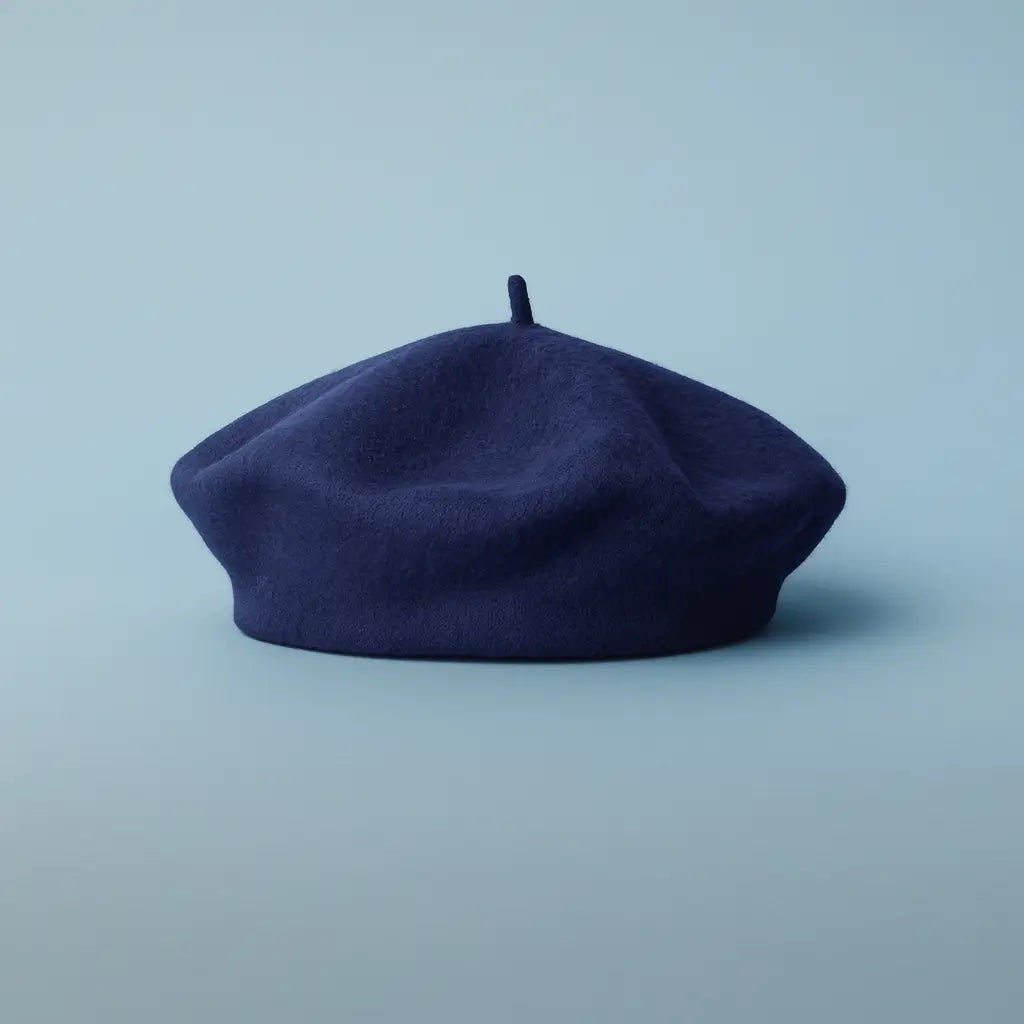
Navy Blue Beret
Soft navy felt with a clean crown. A quietly classic colour with the same Béarn heritage behind it.
Shop now · $45
Wearing a beret with respect
Because the beret carries no religious meaning, there is no rule against wearing one to a service, a ceremony or a quiet occasion. If you want to feel appropriate, a neutral colour and a simple, low placement read as considered rather than showy.
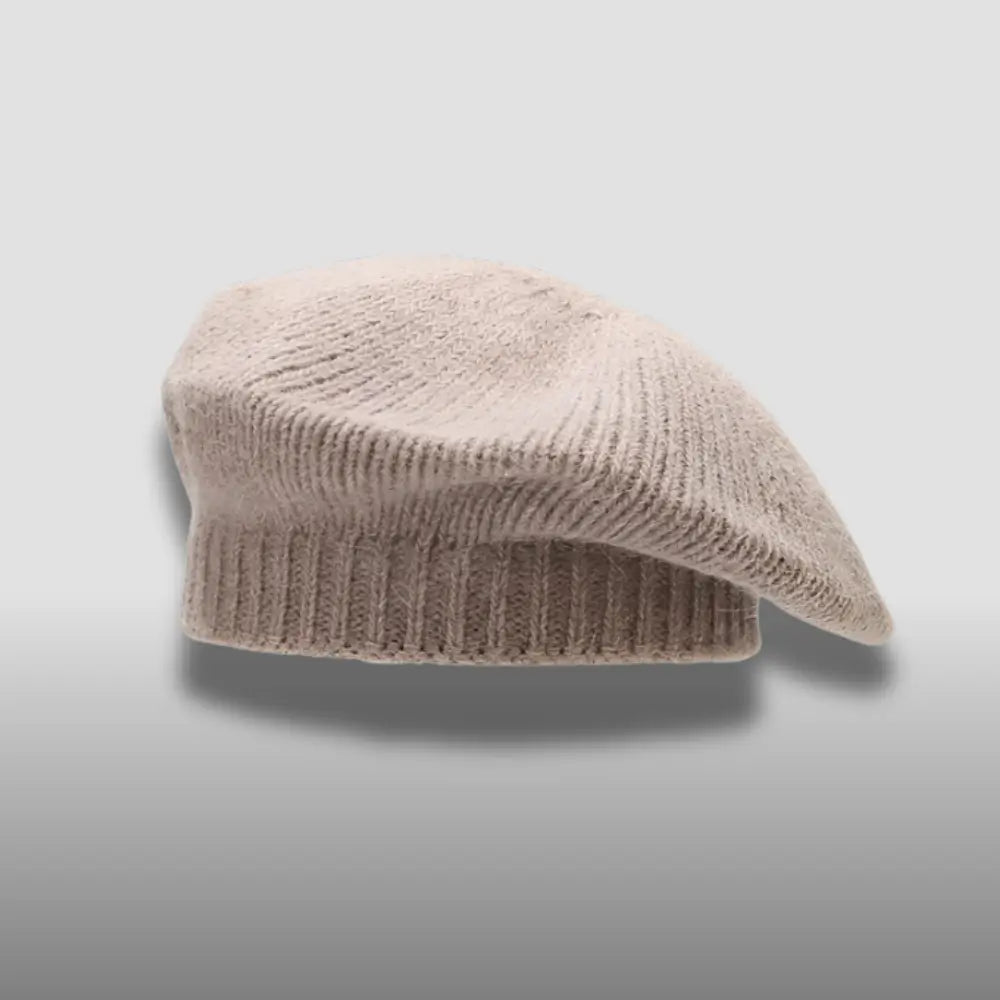
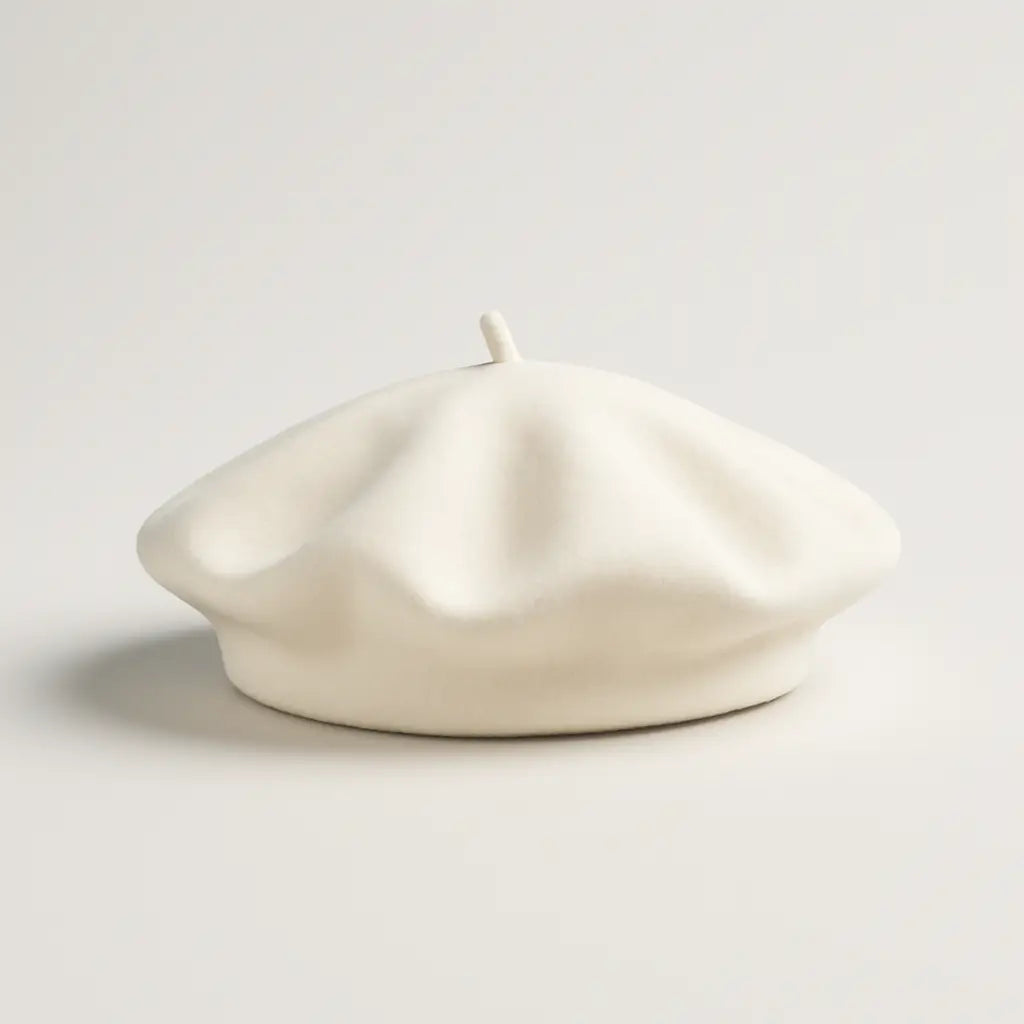
A soft cream or beige beret is the easiest choice for understated settings. It looks gentle and traditional, and it pairs with the kind of muted, layered outfit those occasions tend to call for.

★★★★★ 4.8 · 60 reviews
Beige Wool Beret
Soft cream wool with a gentle texture. Understated and traditional, easy to wear to quiet occasions.
Shop now · $45Caring for your beret
- Spot clean small marks and never wring the felt.
- Reshape the crown while slightly damp so it dries round.
- Store it flat or on a rounded surface to hold the shape.
Never machine wash or tumble dry a wool beret. The heat shrinks and stiffens the felt, and the soft, rounded shape will not come back.
Frequently asked questions
No. Its roots are practical and cultural, in the Béarn and Basque country, and later military and artistic. It carries no religious meaning.
No. Caps such as the biretta or a skullcap are separate garments with their own history, even where the rounded shape looks similar.
Yes. A neutral colour worn low and simply reads as respectful, ordinary headwear, with no statement attached.
From shepherds in southwest France and northern Spain, made from felted wool, before it spread into French, military and artistic life.
So, do religions use berets? Not really. The beret is a piece of French cultural and everyday history, which is exactly what makes it so easy to wear. Choose a colour you like and let the heritage do the rest.


Worn well, never overthought.
Camille