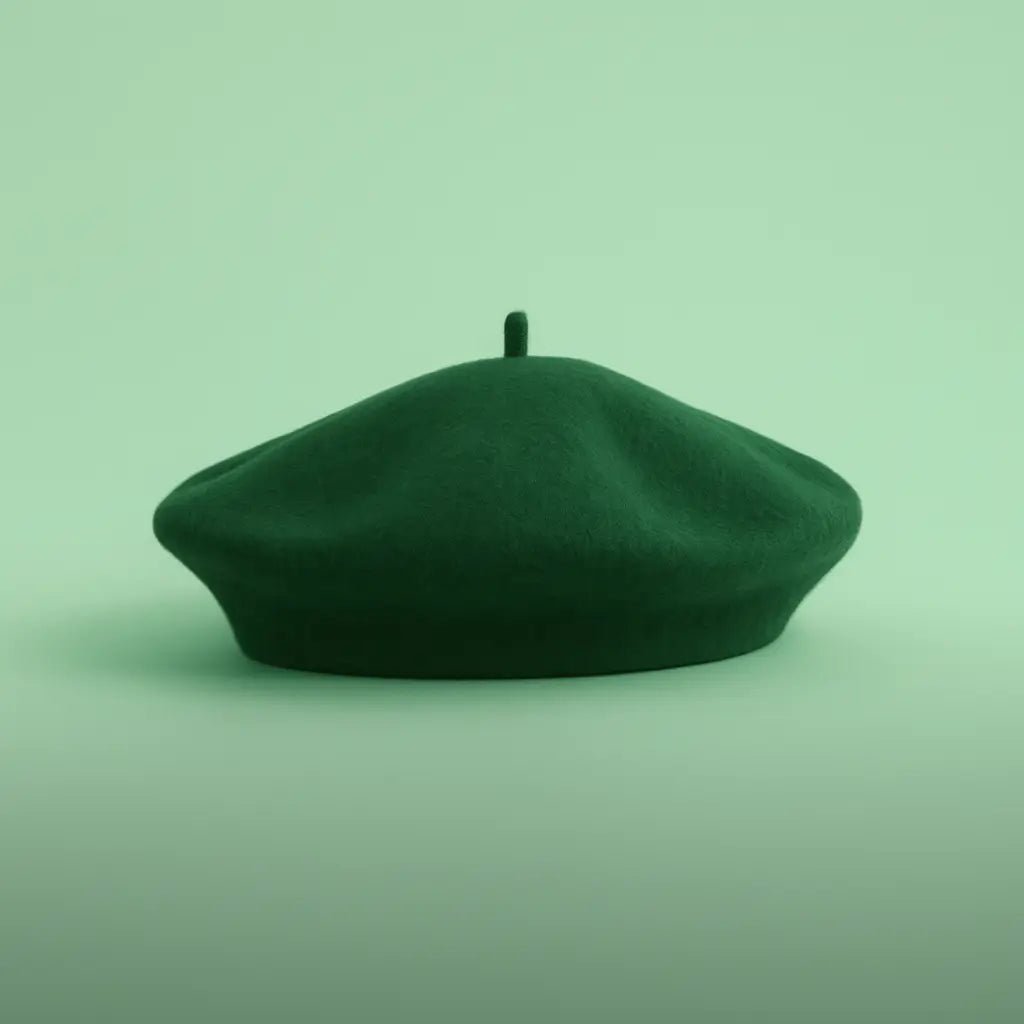
Short answer: no single country invented the beret, because it began in a region that straddles two of them. The Pyrenees mountains sit across the French-Spanish border, and shepherd communities on both sides, French Béarn, French Basque Country, and Spanish Basque Country, shaped and wore this cap for generations before any nation claimed it. What people usually mean when they ask "which country" is which one turned it into the beret we know now, and that answer is France.
I am Camille, and I have shaped berets by hand in the Béarn, the French side of that same Pyrenean tradition, for most of my life. So let me separate the two questions properly: where the hat itself was born, and how France became the country most associated with it.
- The beret's shape began in the Pyrenees, a mountain range that crosses the France-Spain border.
- Both the French Béarn and Basque Country, and the Spanish Basque Country, share the same shepherd-cap tradition.
- French Béarn towns, especially Nay and Oloron-Sainte-Marie, industrialized beret manufacturing through the 1800s.
- France is credited nationally because of what it built afterward: an industry, a military tradition, and a fashion identity.
- Spain's Basque Country still produces berets today, in a craft tradition just as old as France's.
Who gets credit for what
| Region | Contribution |
|---|---|
| Pyrenees (Béarn and Basque Country, both sides) | Where wool shepherd's caps were shaped for centuries, the true origin |
| Béarn, France (Nay, Oloron-Sainte-Marie) | Became the historic manufacturing center, industrialized the craft in the 1800s |
| Basque Country, Spain | Shares the same wool-cap heritage, still makes berets today |
| France, nationally | Turned the regional cap into a national symbol via the military and Paris fashion |
The real answer: a region, not one country
The Pyrenees do not care about the modern border running through them. Basque communities on the French side and the Spanish side, and the Béarnais just to the east of the Basque Country, all worked wool the same way and wore a similar boiled, hand-shaped cap for practical, weatherproof reasons. Nobody sat down and invented the beret on a given day. It developed slowly, the way most traditional workwear does, refined generation to generation by people who needed it to work, not to make a statement.
Why the Pyrenees specifically
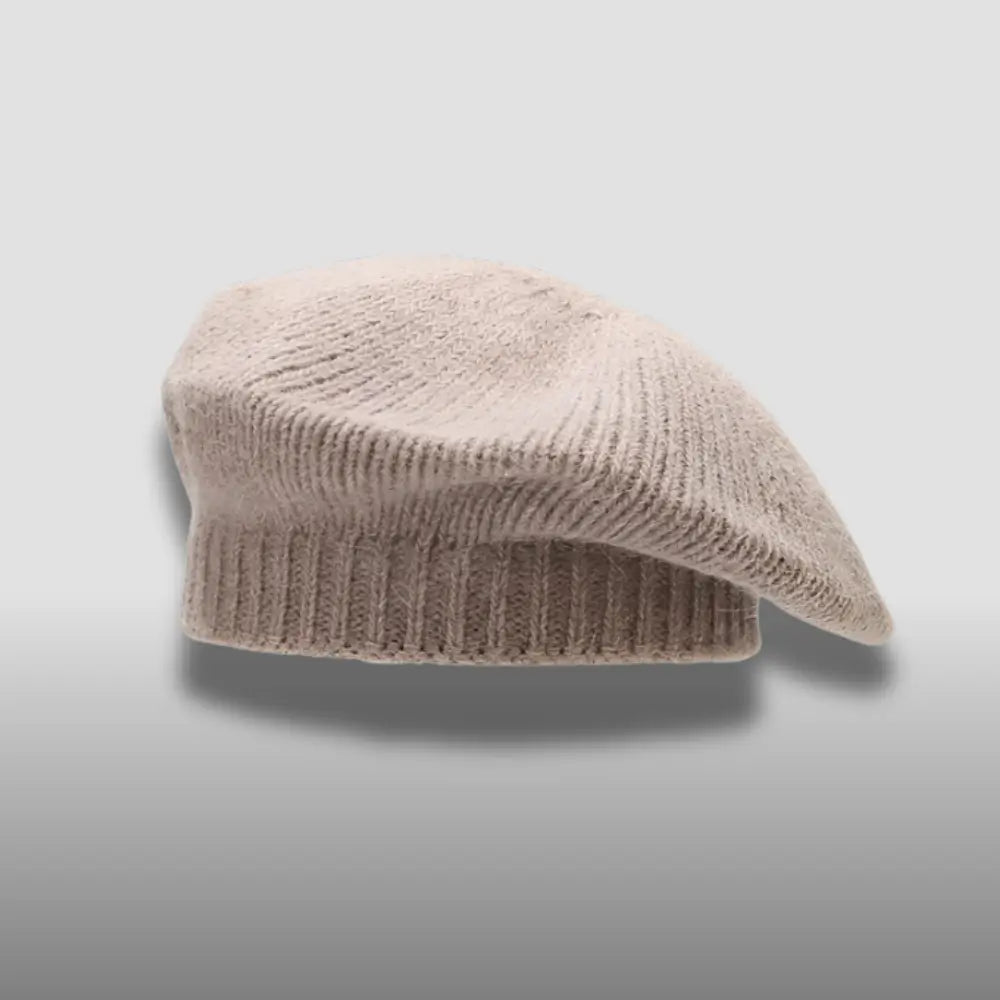
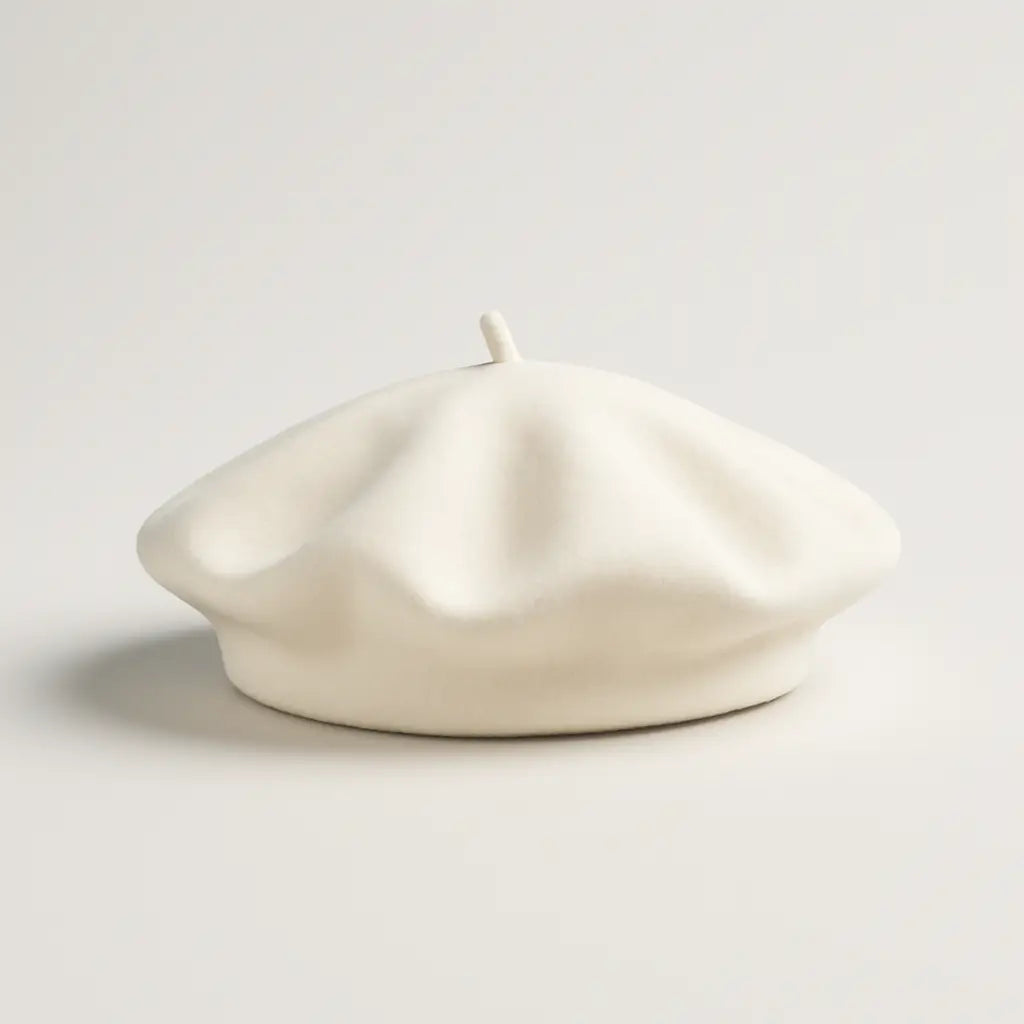
Sheep farming was the region's backbone, which meant wool was cheap, plentiful, and close at hand. A round, brimless, boiled-wool cap was the practical answer to mountain weather: warm, quick to fold into a pocket, and with no brim to catch wind or branches. Our Beige Wool Beret is shaped from that same boiled-wool method, the one shepherds on both sides of the mountains would recognize.

★★★★★ 4.8 · 60 reviews
Beige Wool Beret
Cream-toned boiled wool, shaped the same way shepherds on both sides of the Pyrenees have worked it for generations.
Shop now · $45Béarn: where the modern beret took its shape
My own region, the Béarn, is where the shepherd's cap turned into an actual industry. Through the 1800s, towns like Nay and Oloron-Sainte-Marie built wool mills specifically for berets, moving the craft from individual households into real manufacturing with export routes across France and beyond. That shift from home-shaped to factory-made is a big part of why France, and specifically this corner of it, gets remembered as the beret's home.
It is worth saying plainly: this was not France stealing credit from Spain. The Béarn simply industrialized first, at scale, while Basque wool-cap making stayed a more local, artisanal craft on both sides of the border for longer. Scale is what turned a regional item into a national export.
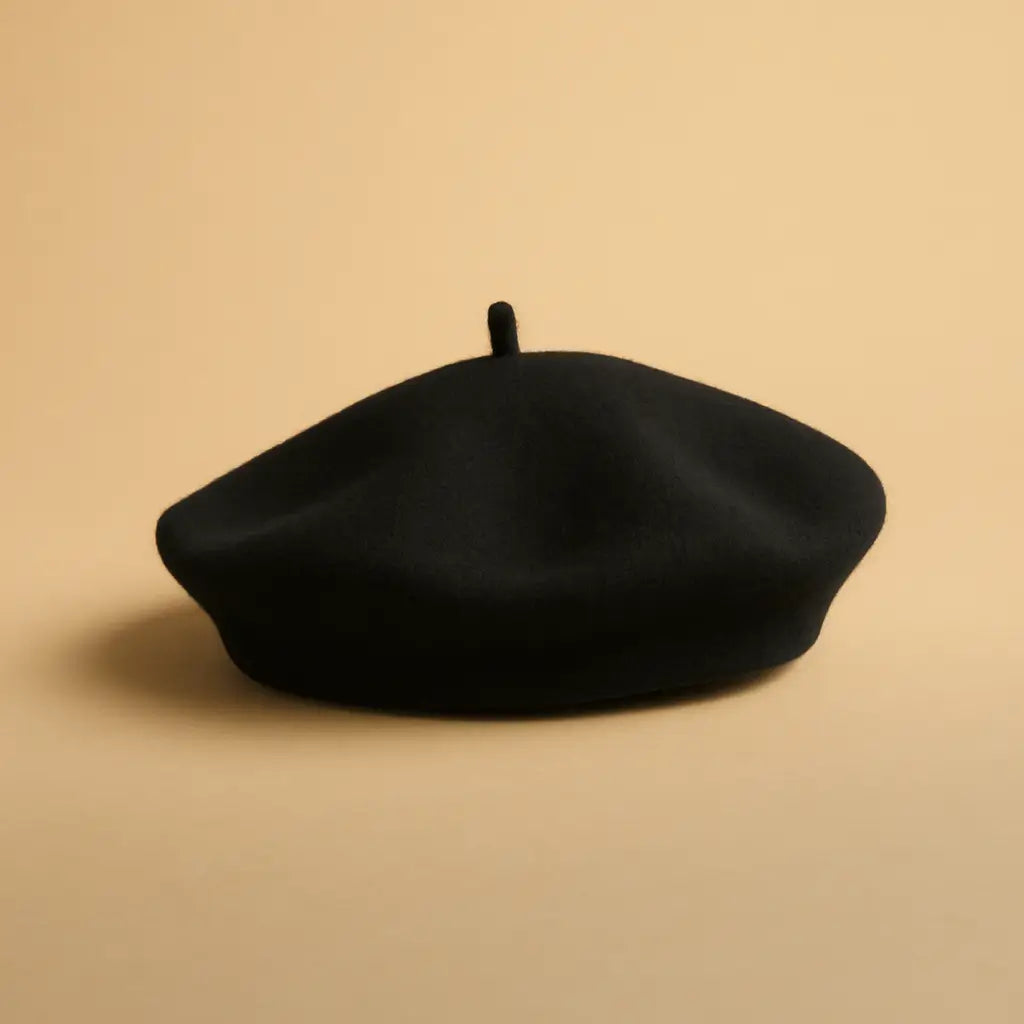
A beret made in the Béarn tradition should feel dense and hold its shape without help. If it flops flat the moment you take it off, it is closer to a printed lookalike than a properly boiled-wool beret.
What the industry left behind
A real manufacturing standard: consistent wool weight, a properly gathered headband, and a shape that holds without wire or stiffening. That standard is still what separates a well-made beret from a costume one, and it is what we hold ours to.

★★★★★ 4.8 · 61 reviews
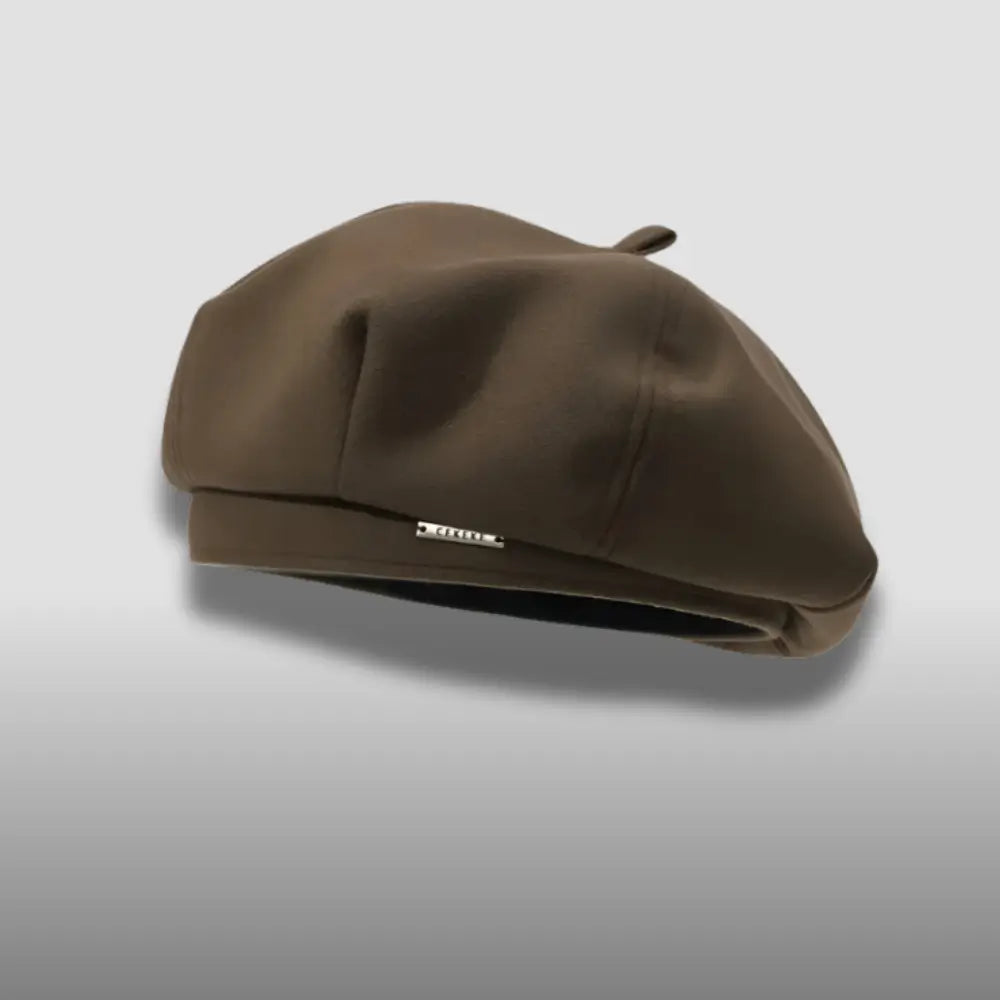
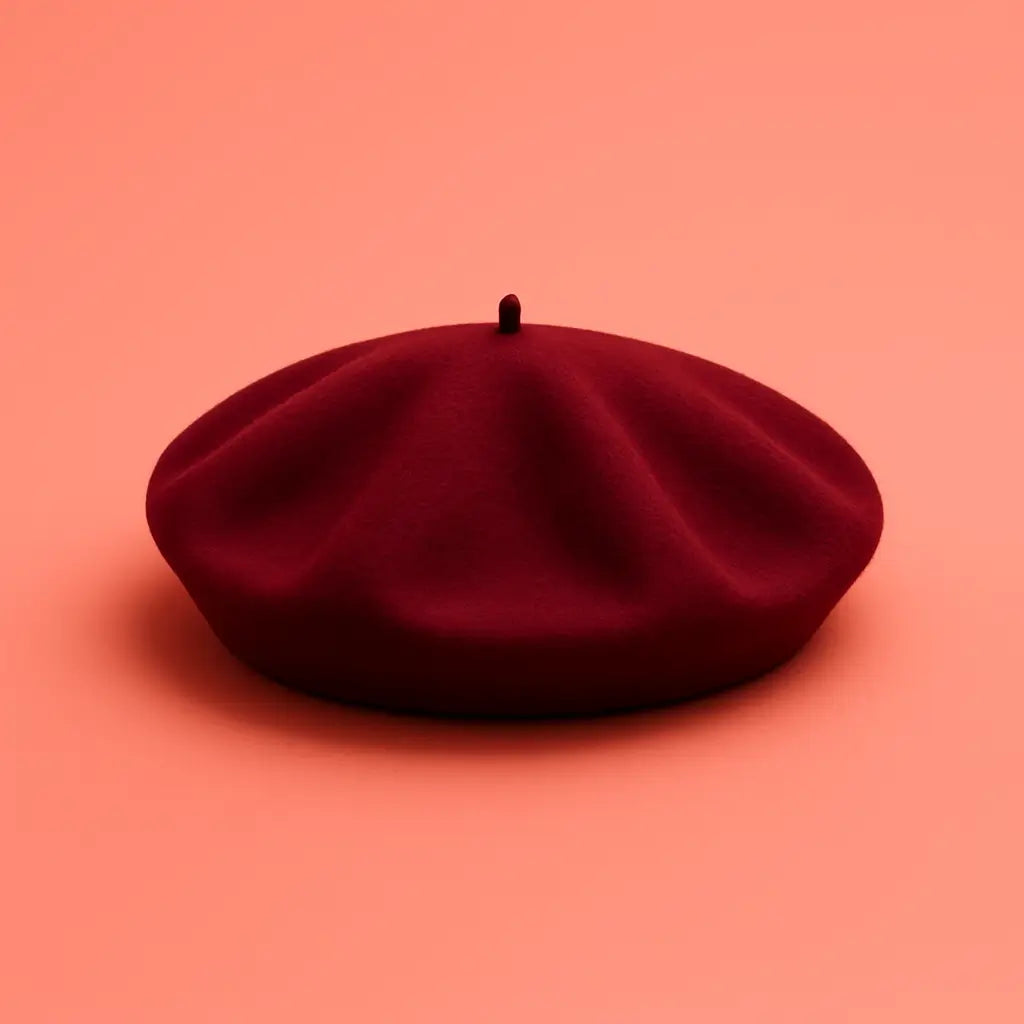
Chocolate Brown Beret
Deep, earthy brown with a smooth finish. A quiet nod to the wool-working roots this hat comes from.
Shop now · $45
How France became "the" country
Manufacturing was step one. The French military made step two official, adopting the beret for its mountain infantry in 1889, and later the beret became a quiet symbol of the French Resistance during the Second World War. Step three was Paris: painters, writers, and eventually the wider fashion world took the working cap and made it a style statement, exporting the image of the beret as inherently French to the rest of the world. For the fuller story of how that happened, see our guide on are berets French.
Spain's Basque Country never stopped making berets through any of this. It simply did not build the same military and fashion narrative around it, so the international image of the beret settled on France instead, even though the craft itself has never belonged to one country alone.
Choosing a beret with real Pyrenean roots
- Look for boiled wool: a real beret has body and holds its dome shape on its own.
- Check the headband: it should be gathered, not just a flat circle of fabric.
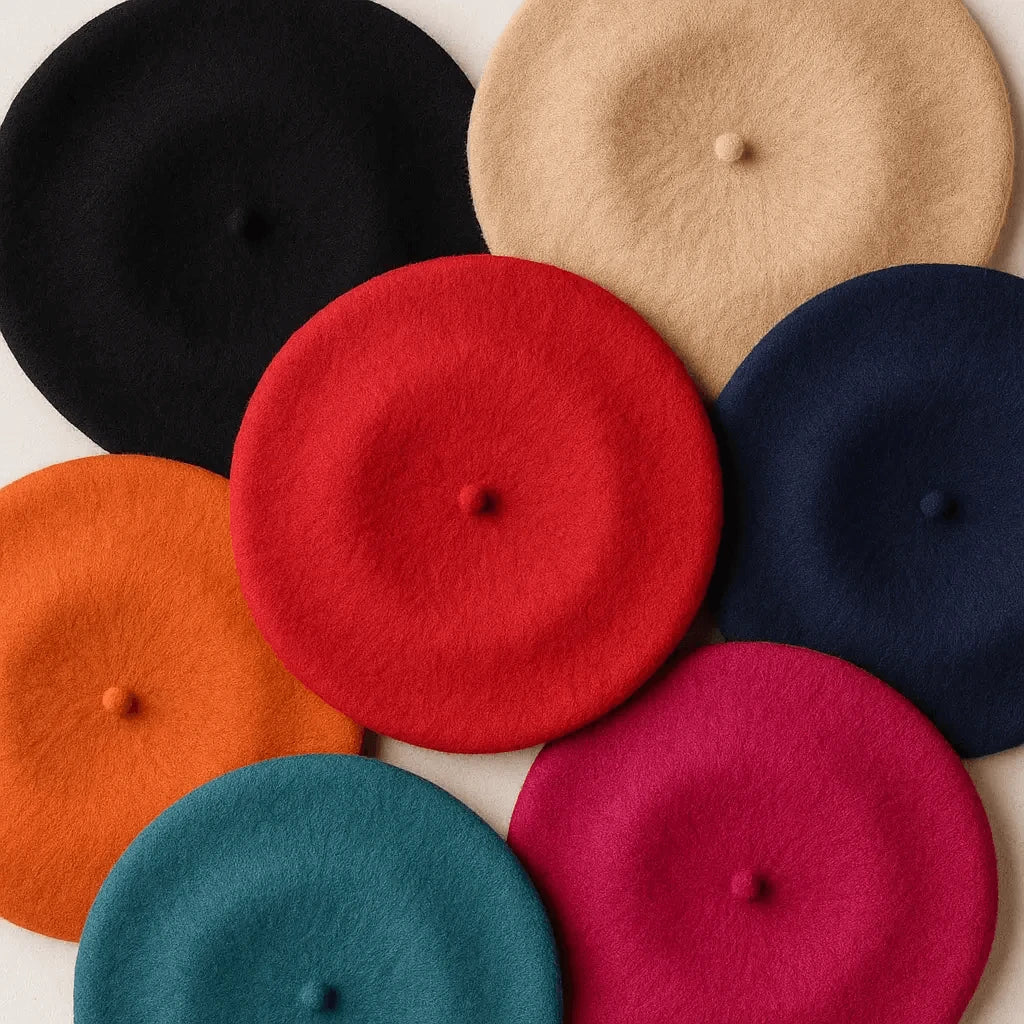
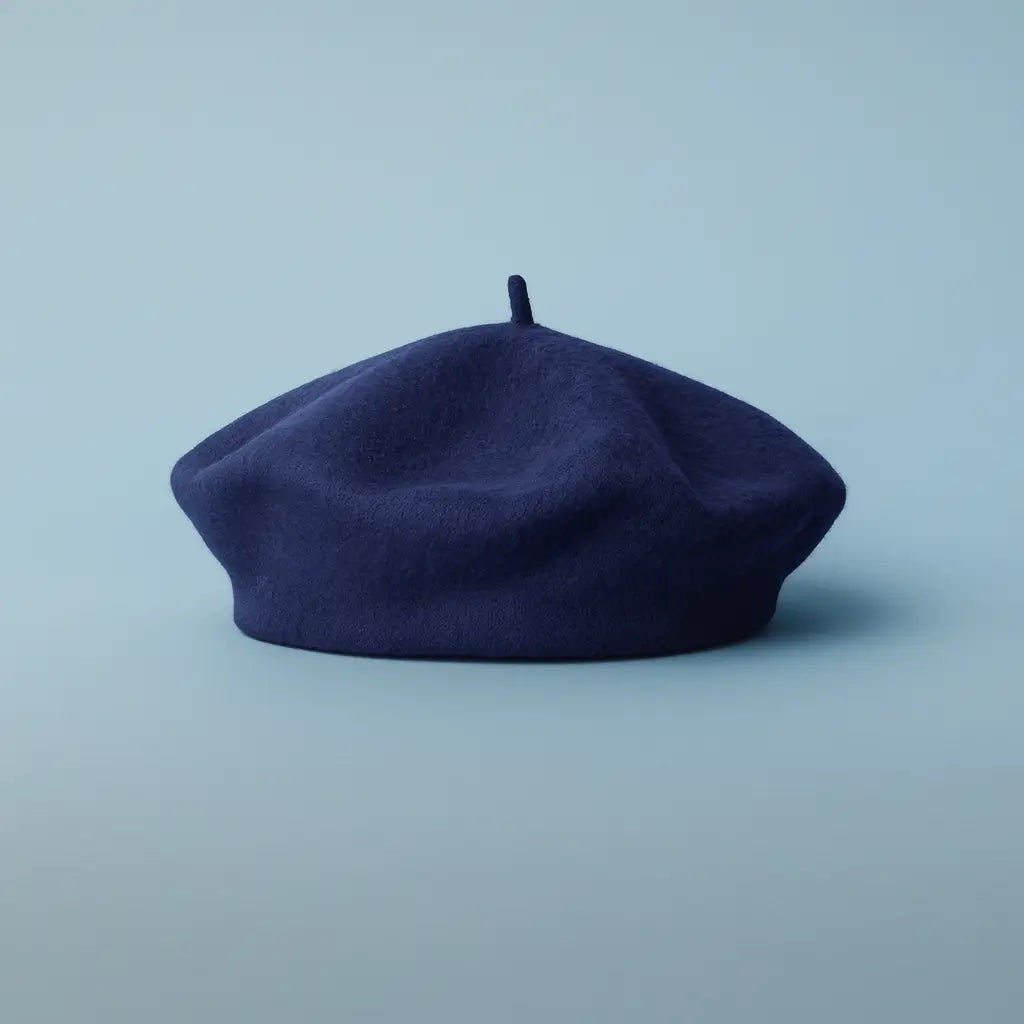
- Start classic: black, navy, or beige wool are the closest to the original shepherd's cap.
Caring for a wool beret
- Brush the wool gently to lift dust and refresh the felt.
- Avoid heat and steam, which can felt the wool tighter and shrink the fit.
- Store on a rounded surface so the crown keeps its shape between wears.
Never machine wash or tumble dry a wool beret. Heat and agitation felt the wool tighter and shrink it permanently out of shape, undoing the exact craftsmanship that makes it worth owning.
Frequently asked questions
No single country did. The beret began in the Pyrenees, a mountain range that crosses the France-Spain border, worn by shepherds on both the French and Spanish sides for generations before it became a national symbol.
Both regions share the same origin, the Basque Country and Béarn, which sit on both sides of the border. France gets the wider credit because it industrialized manufacturing and built the beret's military and fashion identity.
Nay and Oloron-Sainte-Marie, both in the Béarn region of southwest France, were historic centers of beret manufacturing through the 1800s and into the 20th century.
Yes. The Basque Country on the Spanish side of the Pyrenees has its own long-standing beret-making tradition, just as old as the French side.
France built the larger manufacturing industry, adopted the beret officially for its military in 1889, and exported the image through Paris fashion, which is why the international association settled on France.
So, what country invented the beret? No single one, really. The Pyrenees made the hat, and France made it famous. Both parts of that story matter, and both are worth knowing before you call it simply "French."


Worn well, never overthought.
Camille