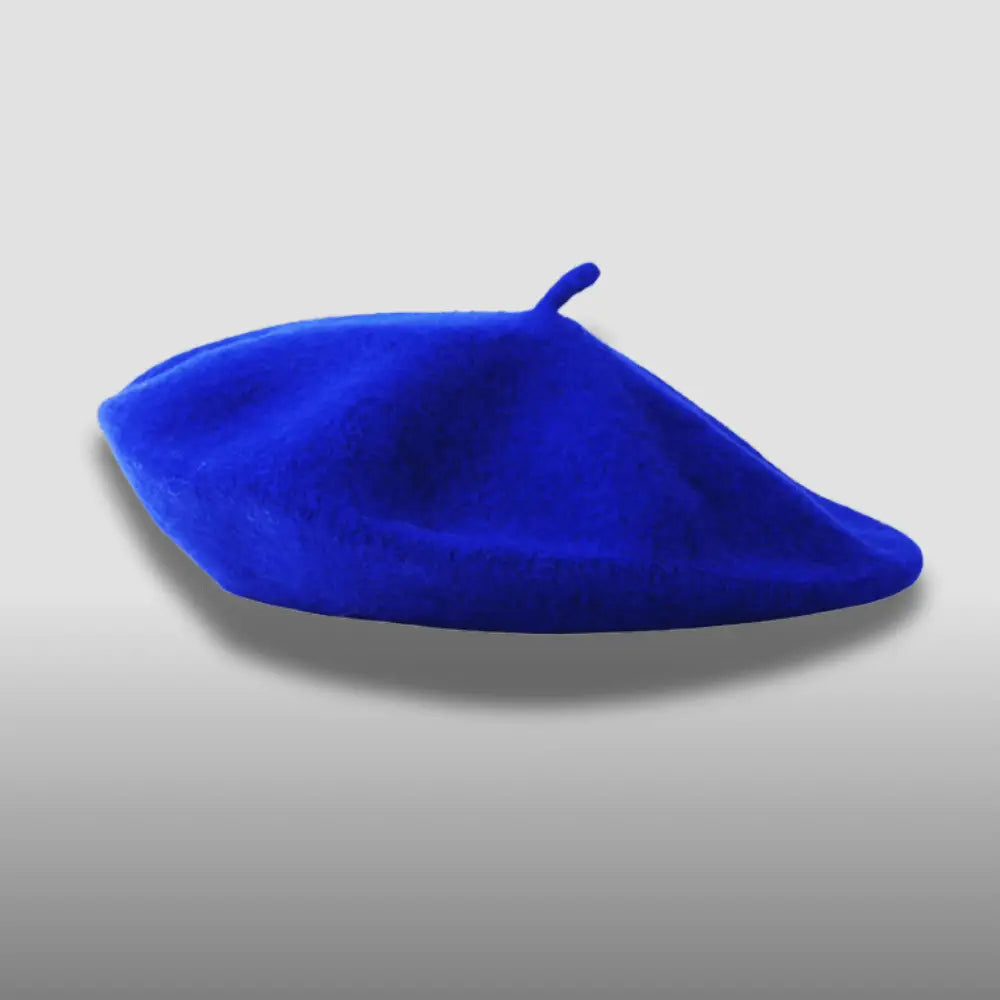
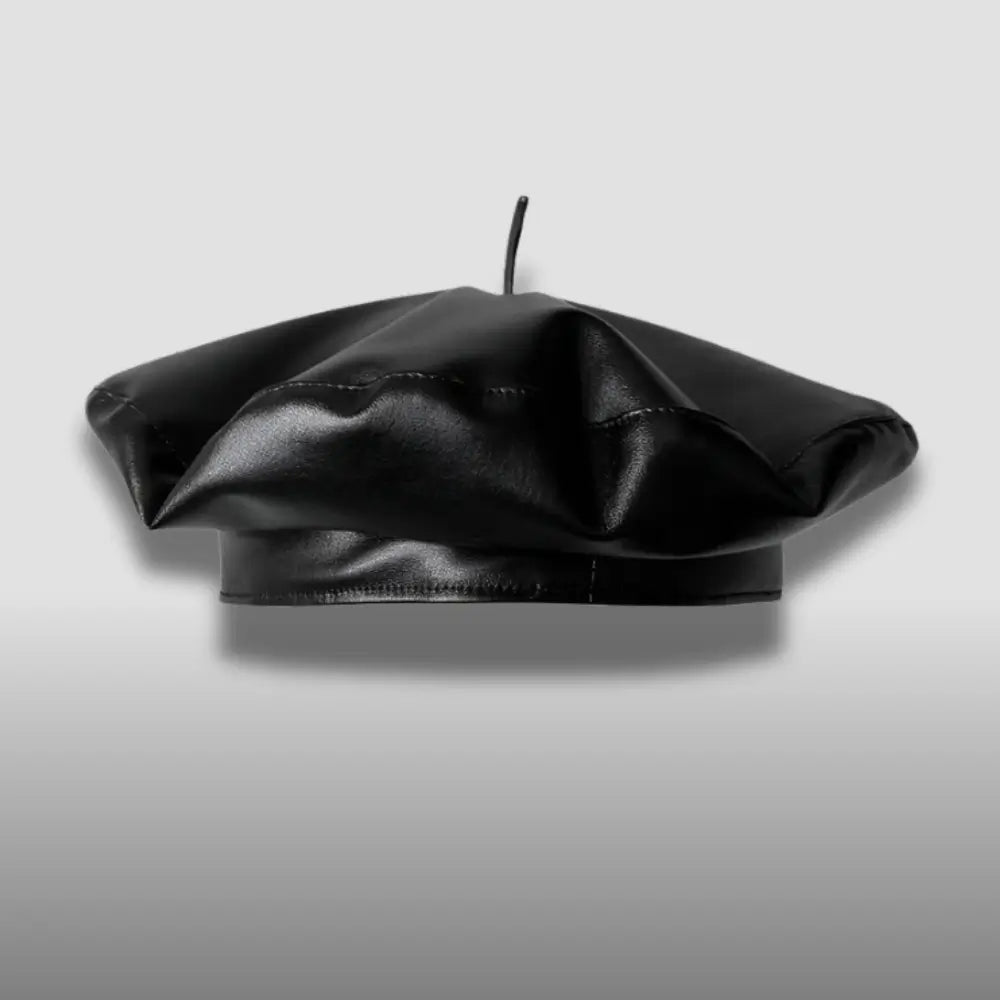
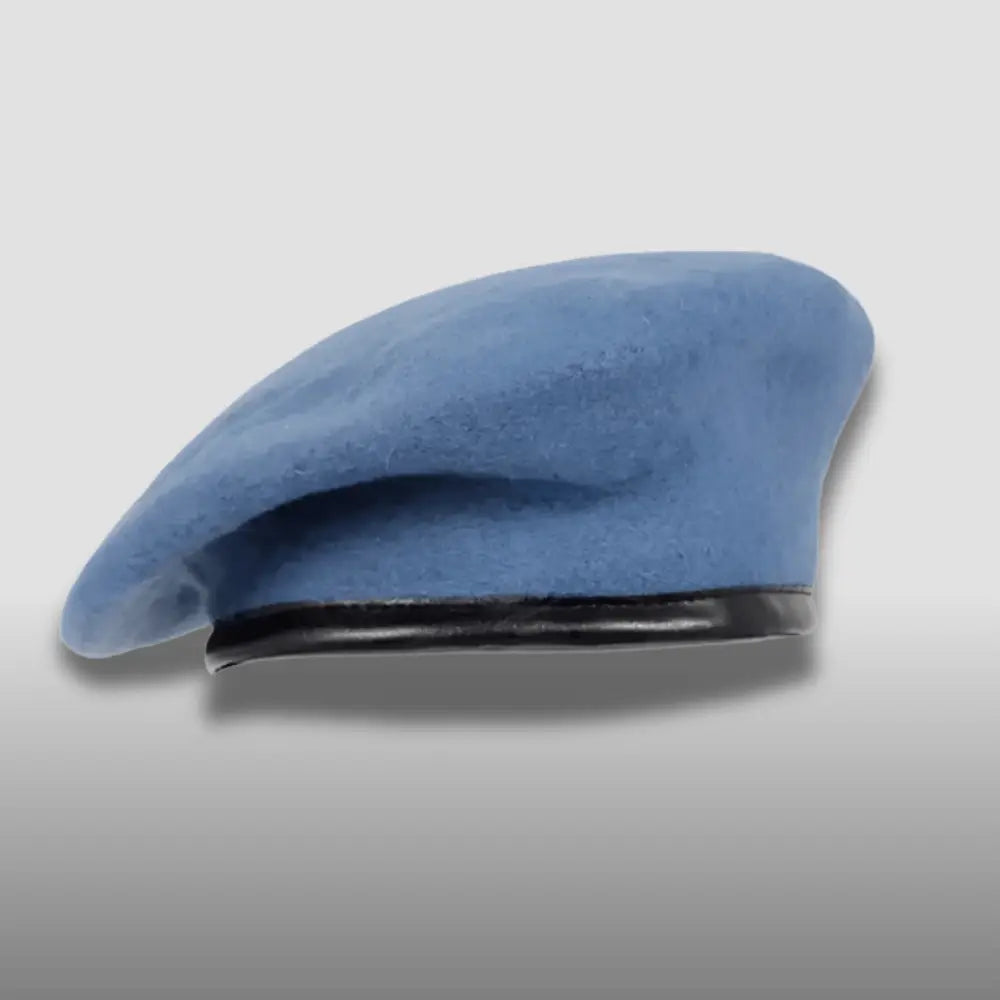
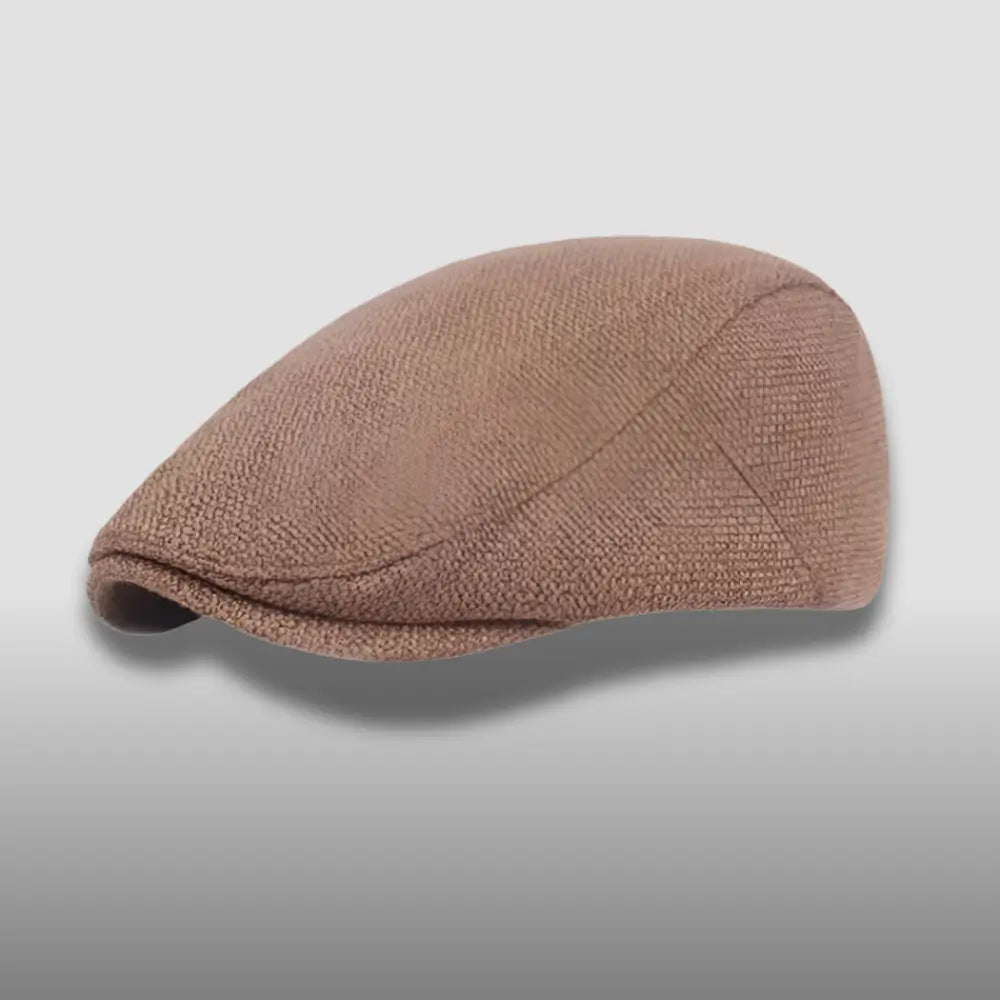
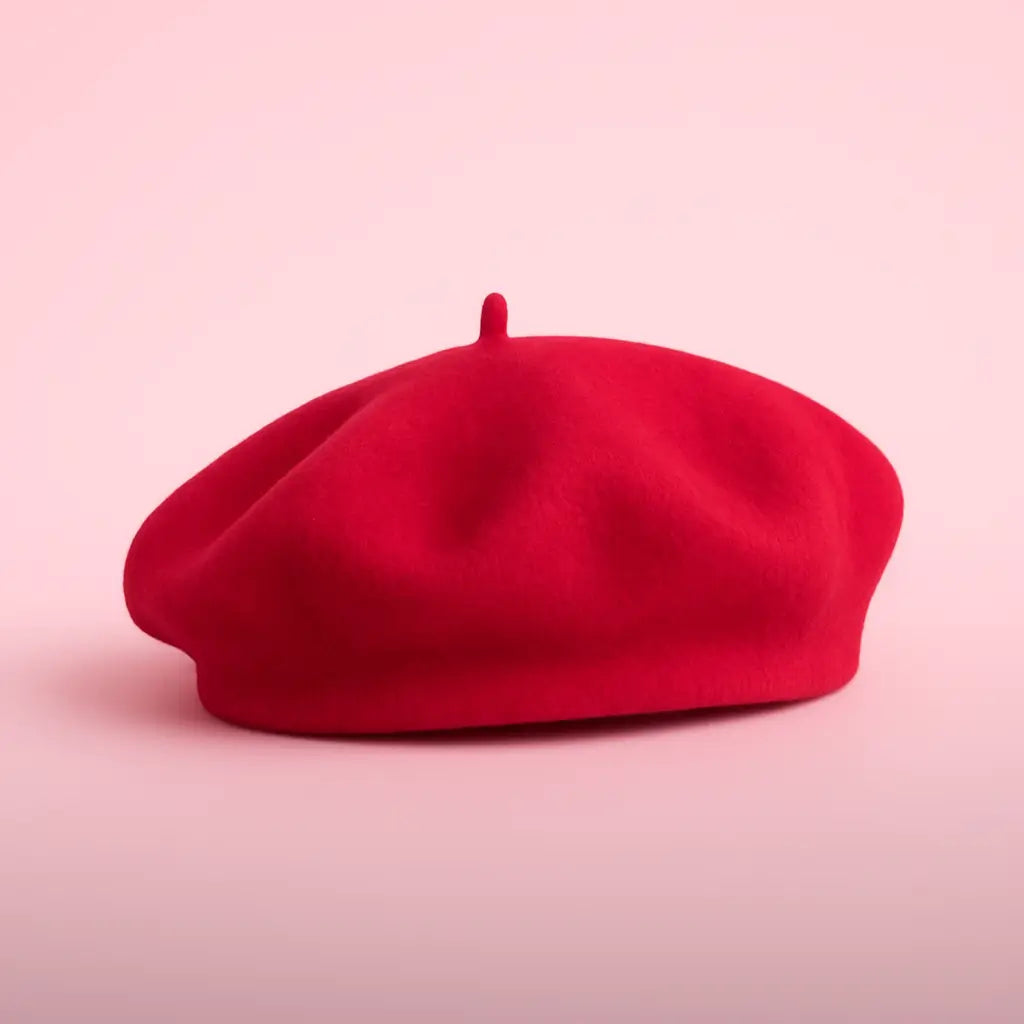
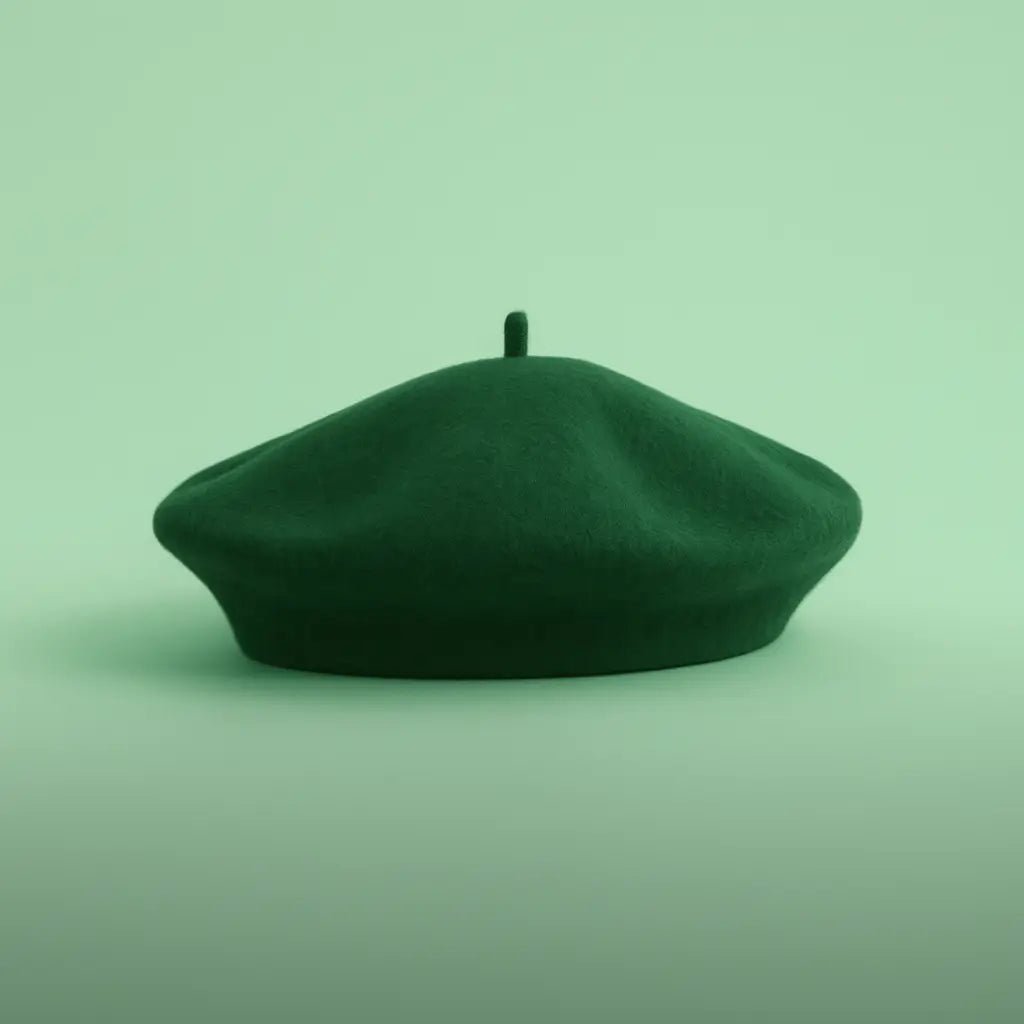
Short answer: the beret's culture is a Pyrenees one, shared by the Béarn and Basque regions where France meets Spain, long before it became a French fashion signature. France gave it a name, a runway and a century of style credit. The mountains gave it its actual birth.
I am Camille, and I shape and finish berets by hand in the Béarn tradition, the same corner of southwest France where this hat started. People often assume it belongs to one flag. The honest story is a border one, so here is how it really spread, region by region.
- The beret's clearest origin is the Pyrenees, shared by the French Béarn and Basque Country and the Spanish Basque Country.
- France built the beret's fashion identity from the 1920s onward, through Paris and its artists.
- Other cultures later gave it new meanings: military rank, political history, everyday street style.
- No single country owns the beret today. It reads as heritage craft and global fashion at once.
- A well-made wool beret, whatever its pattern, still traces back to that same Pyrenees shepherd's hat.
The beret's cultures, side by side
Short on time? This is how each region shaped the beret before it became the hat you know today. The full story of each chapter follows.
| Region or group | Its version | What it represents |
|---|---|---|
| Béarn and Basque Country (France and Spain) | The original wool boina | Shepherd's practical headwear, the true origin |
| France, especially Paris | The French Beret | Artistic identity, the fashion export |
| Military units worldwide | The regimental beret | Rank, unit pride, discipline |
| Latin America | The boina | Political history in some places, everyday wear in others |
| Global street style | The modern beret | Personal style, tied to no single culture |
Where it truly began: the Pyrenees
Long before Paris noticed it, shepherds on both sides of the Pyrenees, in the French Béarn and the Basque Country, wore a simple round wool cap to keep the weather off. It cost little to make, it packed flat in a coat pocket, and it held its shape after a soaking, which mattered more than fashion ever did to someone working a mountainside. Towns like Nay and Oloron-Sainte-Marie in the Béarn built the manufacturing that turned this local habit into a real industry.
That practical origin is why the beret still feels honest rather than costume-like. It was built to work first, and everything it represents now got layered on top of that.
Who suits the heritage version best
Anyone who wants the closest thing to the original: a soft wool beret with no frills, worn the way a shepherd would have worn it, just better finished.

★★★★★ 4.8 · 60 reviews
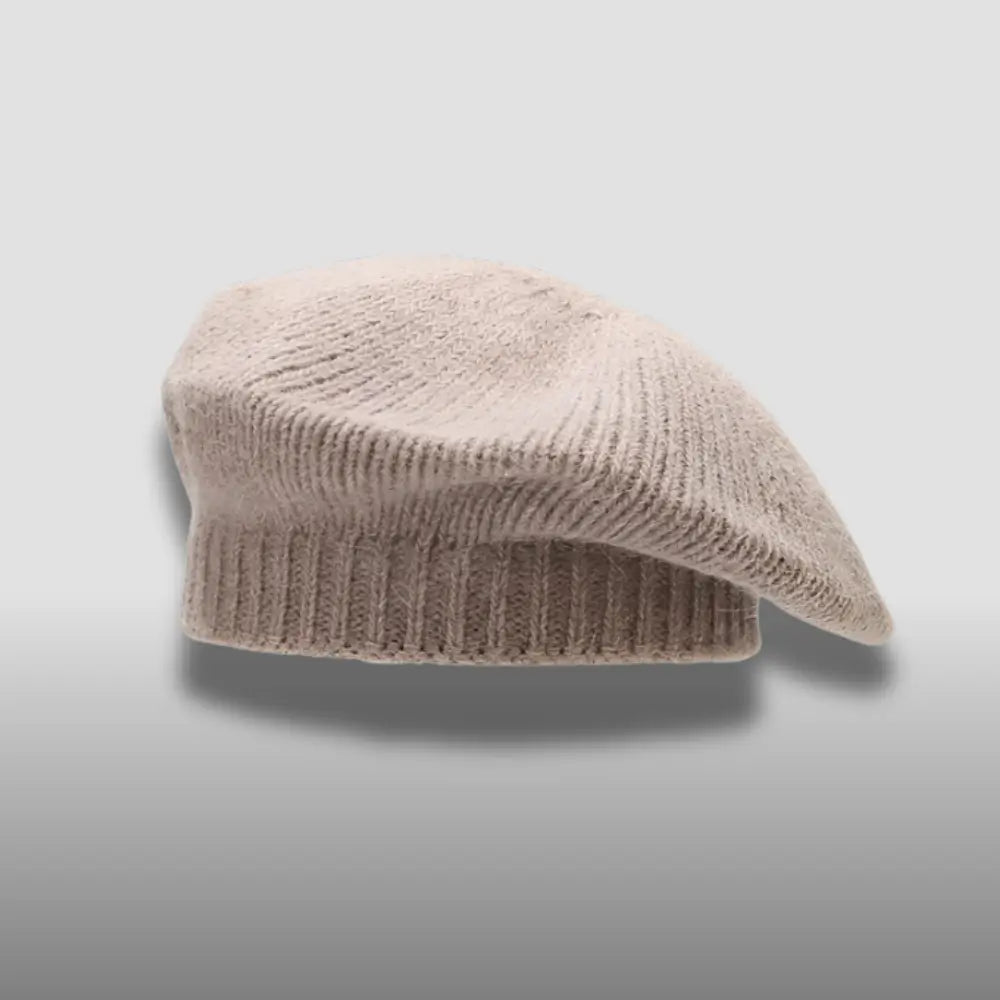
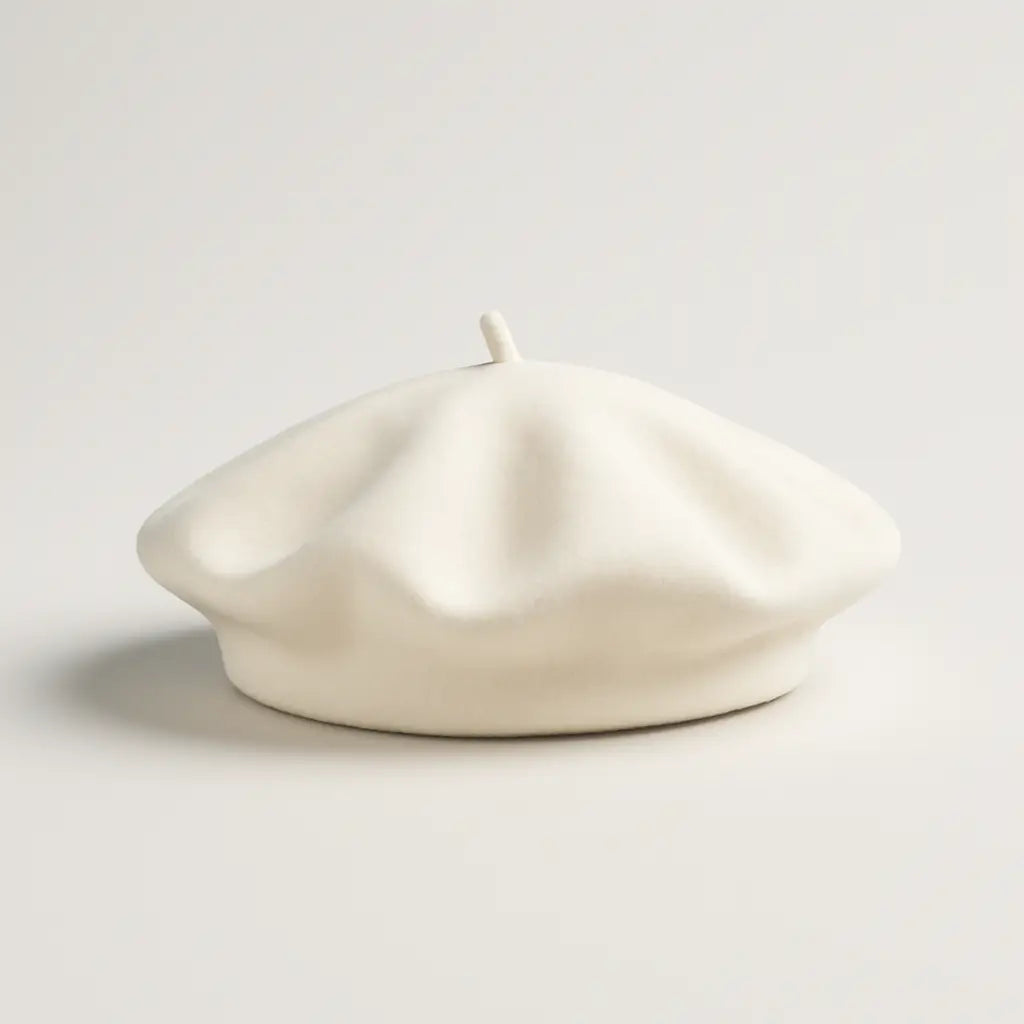
Beige Wool Beret
Soft cream wool with the same simple construction the original Pyrenees shepherds relied on. Heritage without the costume.
Shop now · $45If heritage is what draws you to a beret, look for one hundred percent wool and simple stitching over anything with a stiff lining. The plainer the construction, the closer it sits to the original Béarn and Basque design.
How France turned it into a fashion signature
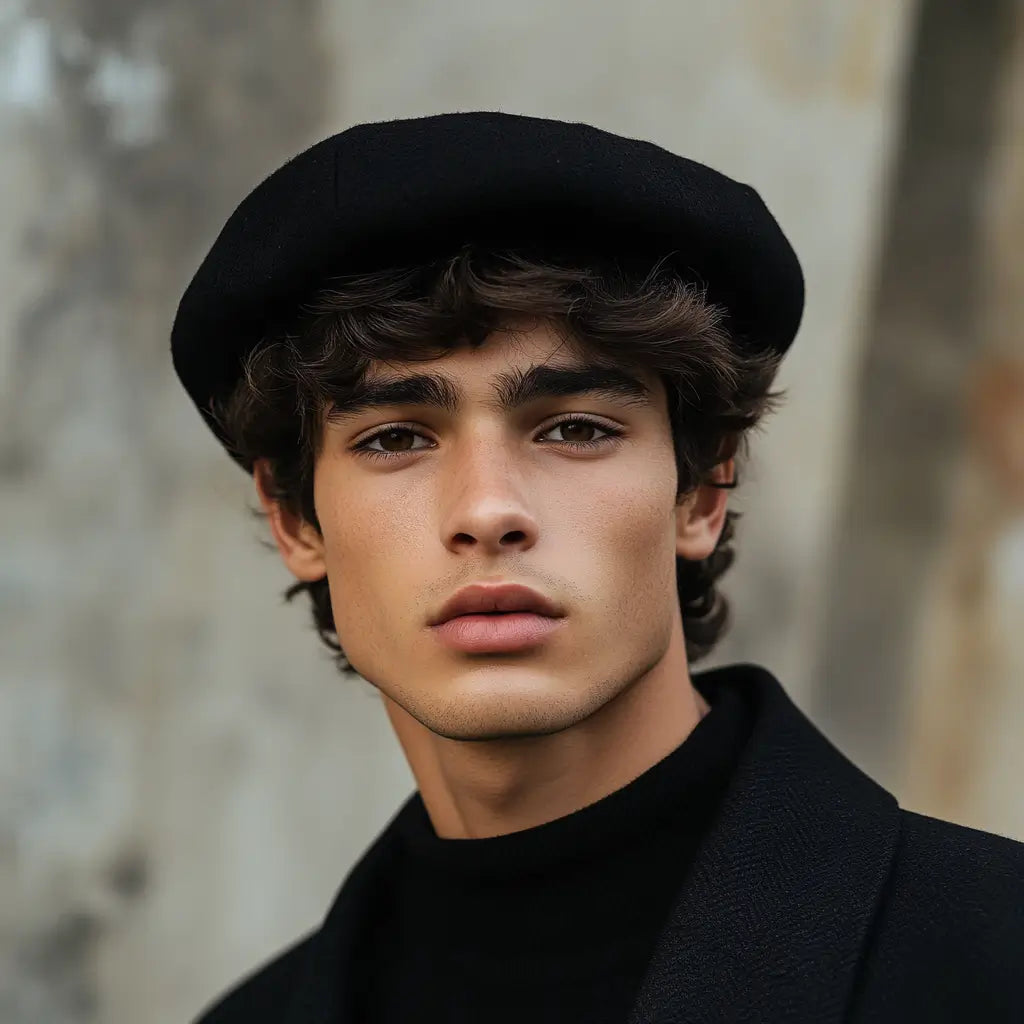
The beret stayed a rural, working hat until the early 20th century, when Paris picked it up and never let go. Painters, writers and eventually film stars wore it as shorthand for a certain kind of French ease, and by the interwar years the beret had shifted from farm tool to cultural export. That is the version most people picture first: dark, slightly tilted, worn with total confidence and no explanation needed. Our piece on are berets French goes further into that specific timeline.
This is also the version we make the most of, because it is the one people actually reach for day to day. It photographs well, it pairs with almost anything already in a closet, and it still reads as intentional a century later.
Who suits the French classic best
Anyone who wants the version most people recognize on sight: simple, confident and easy to wear with whatever else you already own.

★★★★★ 4.8 · 62 reviews
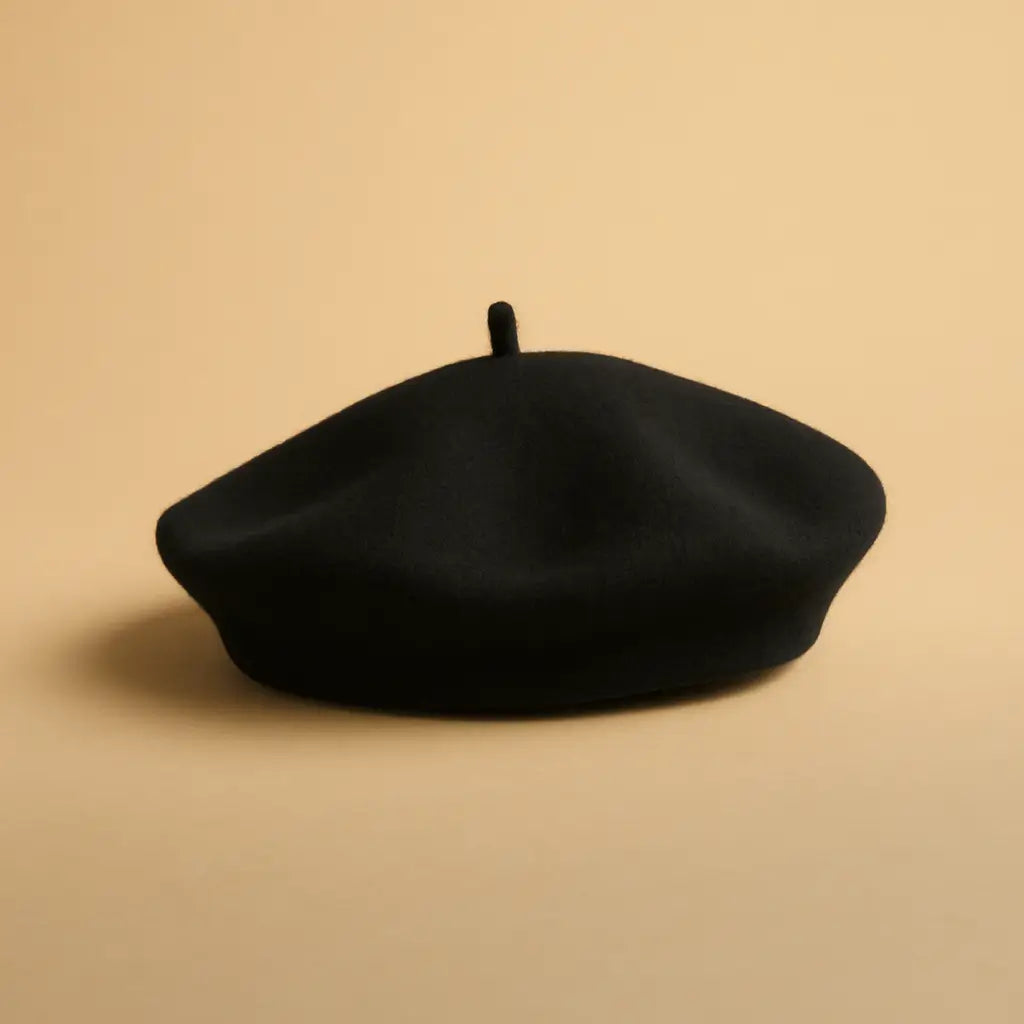
Black French Beret
The enduring shape Paris made famous. Matte black wool that goes with everything you already own.
Shop now · $39Other cultures, other meanings
Once the beret left France, other cultures added their own weight to it. Military units around the world adopted it for rank and unit pride, its colour often signalling exactly which regiment a soldier belonged to. In parts of Latin America the boina carried real political history, most visibly through public figures who wore it as a symbol of resistance. Elsewhere it simply travelled as street style, adopted for how it looks rather than what it once meant. Our piece on who famously wore a beret covers several of the individual figures behind these different chapters.
None of these later meanings replace the original. They sit on top of it, which is part of why the beret still feels so layered today, hundreds of years after those first shepherds put one on.
Who suits the modern global take
Anyone drawn to the beret's later chapters: a slightly tougher material, worn with plain confidence rather than costume, no single culture's rulebook attached.

★★★★★ 4.8 · 61 reviews
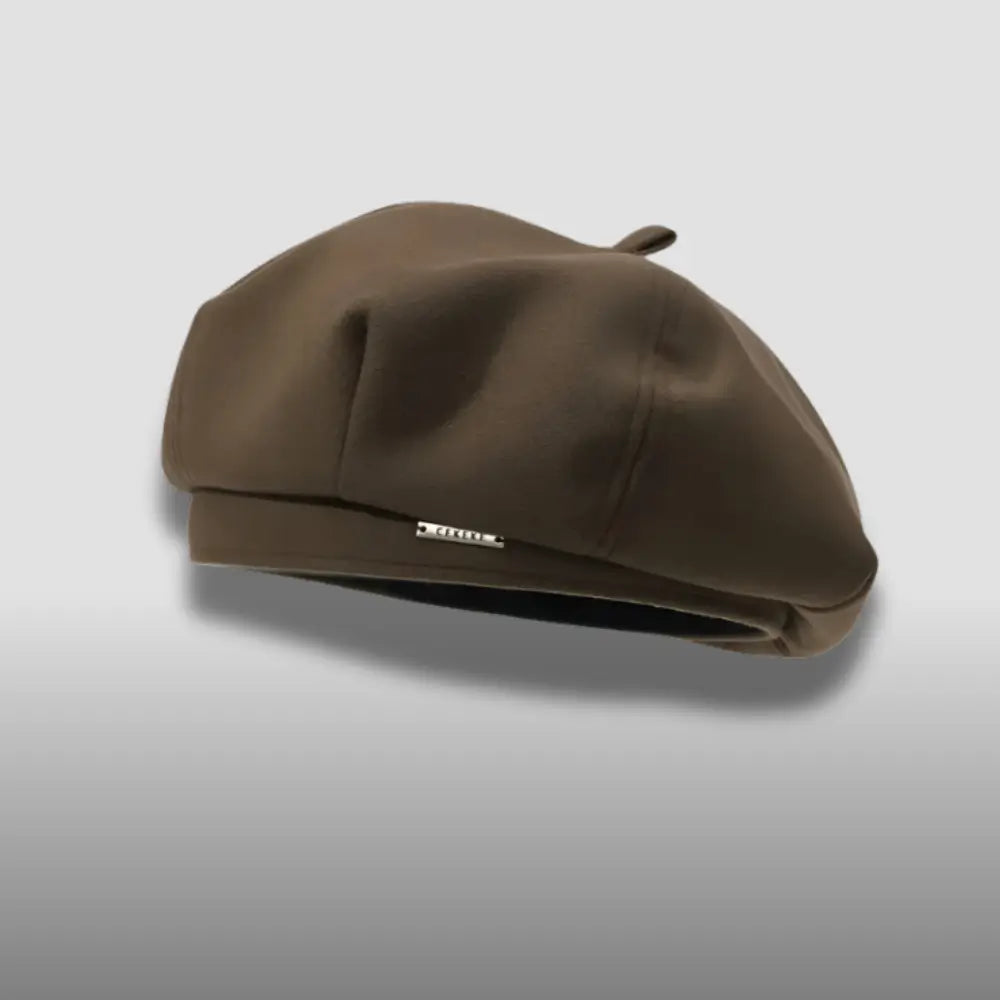
Chocolate Brown Beret
A richer, suede-like finish for the beret's later, tougher chapters. Works equally well with denim or tailoring.
Shop now · $45Wherever a beret ends up, from a shepherd's shoulder to a Parisian café table to a soldier's collar, the shape barely changes. What changes is what people ask it to mean, and that flexibility might be the beret's most French quality of all.

That same flexibility is why choosing your own beret rarely has a wrong answer. What matters more than picking the historically correct version is picking the one you will actually reach for on a grey morning.
How to choose your own beret
- Want the closest thing to the original: a plain wool beret in a neutral shade, minimal stitching.
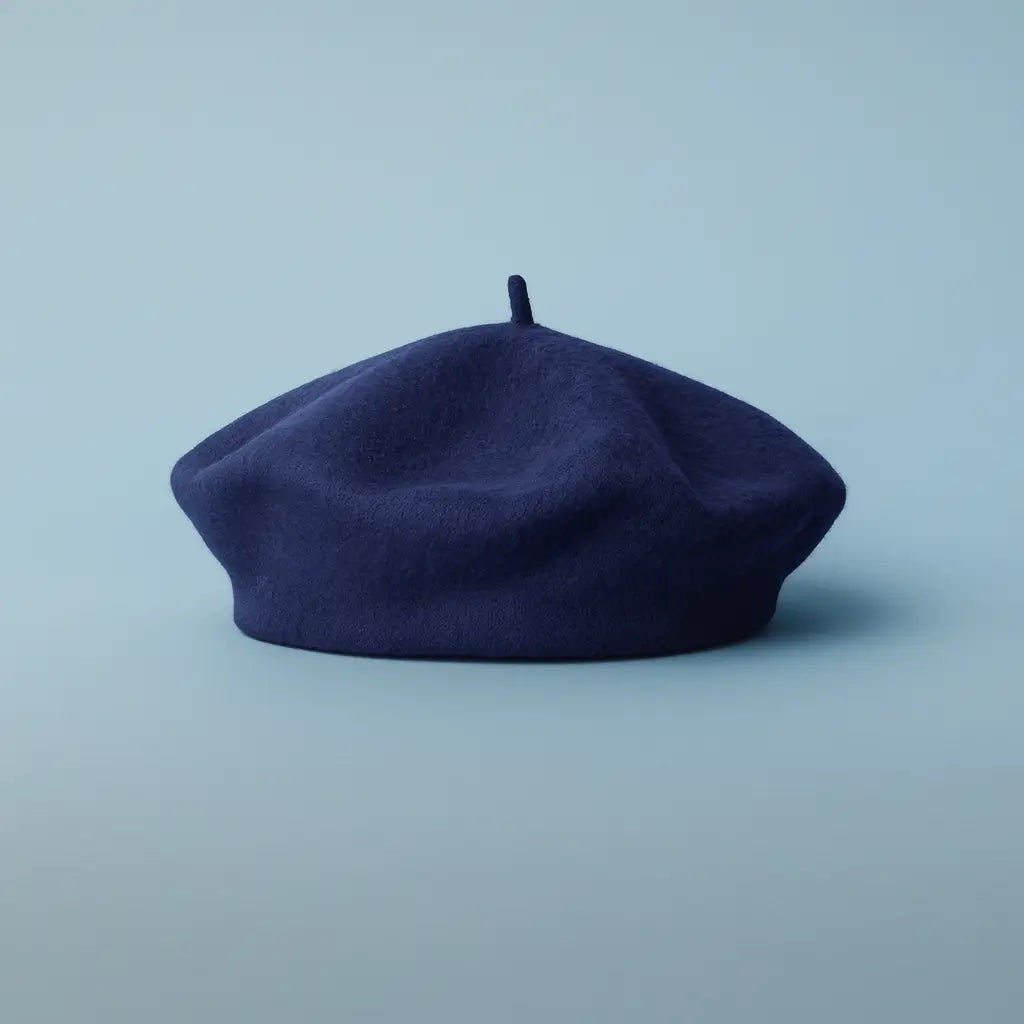
- Want the classic fashion version: a matte black or navy beret worn slightly tilted.
- Want the tougher, later chapter: a leather or suede-finish beret for a harder-edged look.
- Want to honour the craft: choose real wool over synthetic, and a maker who still hand-shapes the crown.
Caring for a heritage wool beret
- Brush wool berets gently to lift dust and keep the shape crisp.
- Let a damp beret air dry flat, away from direct heat.
- Store it on a rounded surface so the crown holds rather than flattens.
Do not machine wash or tumble dry a wool beret. Heat and agitation shrink and felt the fibres, and a beret that has shrunk this way will not stretch back to size.
Frequently asked questions
The Pyrenees, specifically the Béarn and Basque regions that straddle the France-Spain border. Shepherds there wore a simple wool cap for generations before it became a French fashion export.
Both claims have truth in them. The manufacturing and much of the early craft trace to the French Béarn, while the Basque Country shares the same mountain tradition. Fashion history then credited France, mainly through Paris.
Militaries adopted the beret because it packs flat, holds its shape and its colour can mark rank or regiment at a glance. That use spread widely through the 20th century, independent of the beret's French fashion identity.
In some countries yes, mainly through its association with certain historical revolutionary figures. Elsewhere in the region it is simply everyday headwear, so the meaning depends heavily on context.
Yes. The beret has never been a closed tradition, and its own history is already a shared one between France and Spain. Wearing it well is more about fit and confidence than nationality.
So, what culture is the beret from? A shared one, born in the Pyrenees and shaped everywhere it has travelled since. Wear it in whichever chapter speaks to you and it will still carry the whole story.


Worn well, never overthought.
Camille