Short answer: the beret is the most popular hat in France, and it is the only one on this page that is genuinely French. It was born in the Pyrenees, it is still made in the Béarn, and it is the hat the rest of the world pictures the moment it pictures France.
I am Camille, and I shape and finish berets by hand in the region where they were first made. So here is the honest version rather than the postcard one: which hats are actually French, which ones only look French, and what people in France really put on their heads between November and March.
- The beret is France's signature hat and the only one with French origins.
- Day to day, most people in France reach for a knit bonnet in winter and a cap the rest of the year.
- The canotier is French but mostly ceremonial now. The Panama comes from Ecuador.
- Black is the beret worn most in France, with navy and beige close behind.
- A proper wool beret is felted, not knitted, which is why it keeps that flat shape.
The most popular hats in France, side by side
Popular can mean two things: the hat people wear most often, and the hat a country is known for. In France those are not the same answer, so this table separates them before we get into the detail.
| Hat | Where it comes from | Where you see it in France | How French it really is |
|---|---|---|---|
| Beret | Béarn and the Basque Pyrenees | Autumn to spring, city and countryside | The French hat |
| Bonnet (knit beanie) | Northern Europe | Deep winter, worn by nearly everyone | Worn in France, not from France |
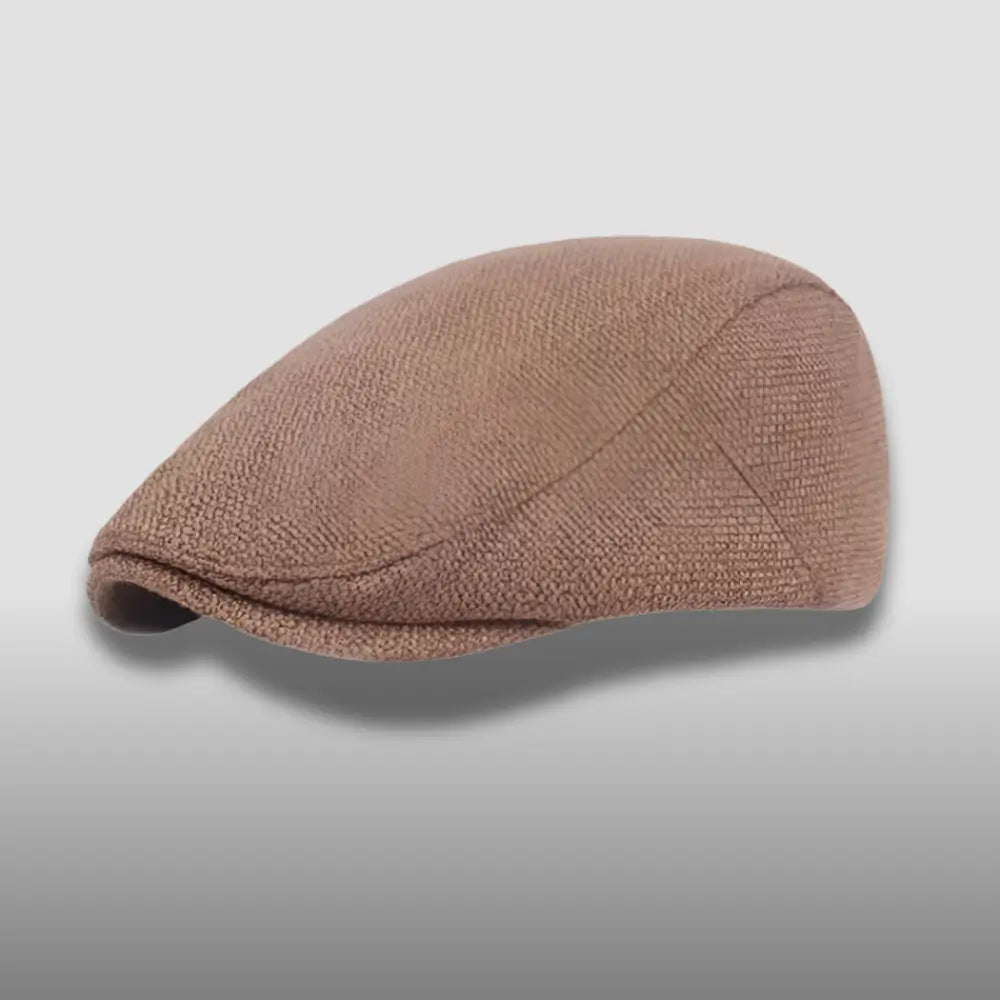
| Casquette (flat cap) | Britain and Ireland | Year round, often older men | Adopted, not French |
| Canotier (boater) | French river and rowing clubs, 1880s | Summer weddings and garden parties | French, but formal and rare |
| Panama | Ecuador | Summer in the south | Not French at all |
Why the beret is France's most popular hat
No other hat carries the country the way this one does. The beret came out of the shepherds' valleys of the Béarn and the Basque country, where wool was knitted into a wide disc, then washed and pounded until the fibres locked together into dense felt. Towns like Nay and Oloron-Sainte-Marie turned that craft into an industry in the nineteenth century, and the flat wool cap went from working headwear to national symbol.
What keeps it popular is that it is genuinely easy to wear. It packs flat, it survives being stuffed in a coat pocket, it suits men and women equally, and it works over almost any hair. If you want the plain definition of the hat before the styling, our guide on what a beret is covers the shape, the wool and the little stalk on top.
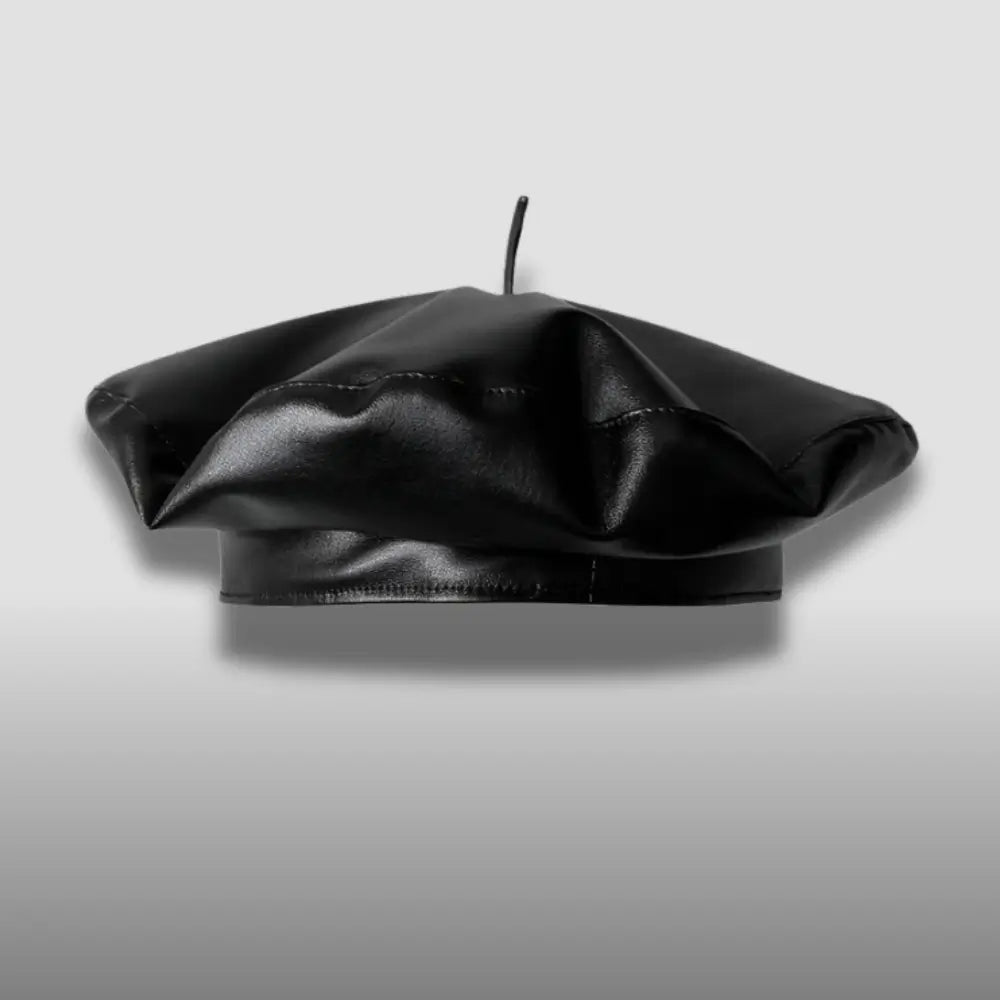
Who a black beret suits best
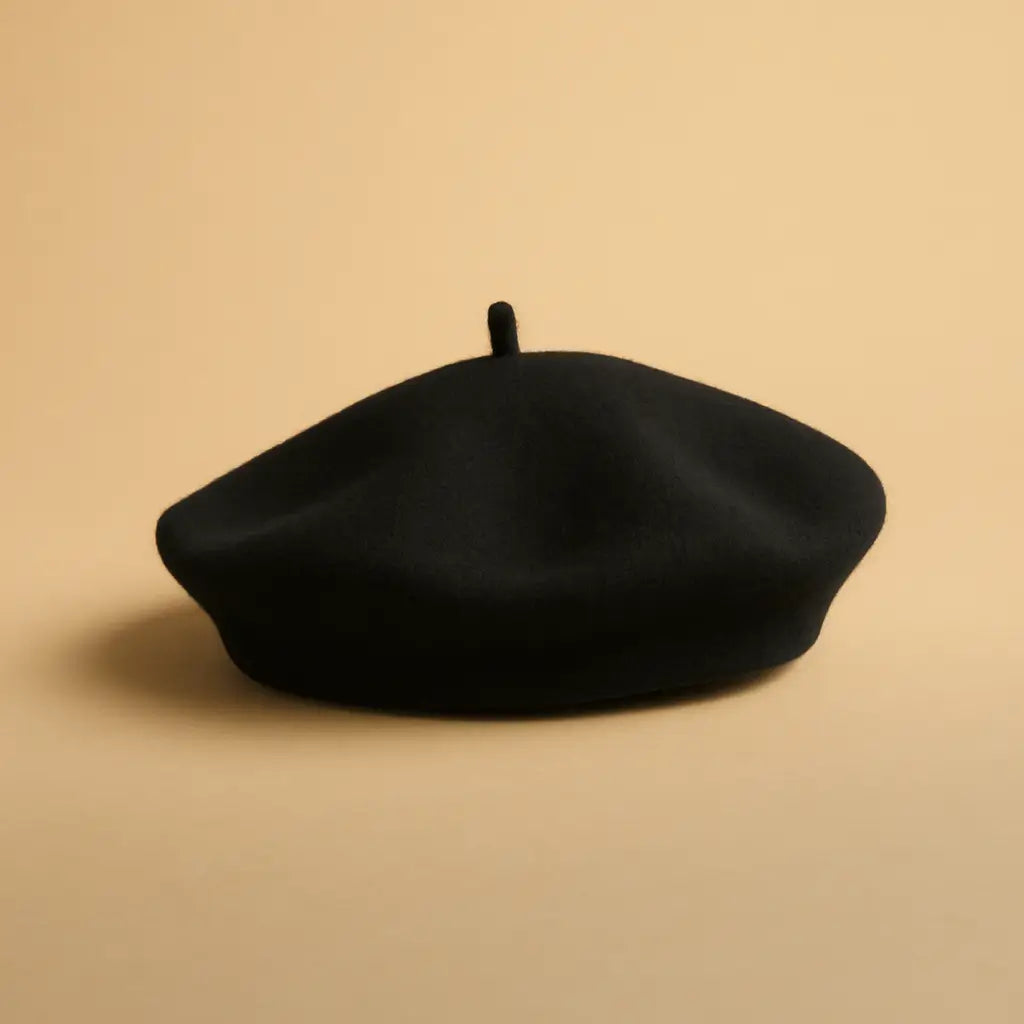
Anyone buying their first French hat, people who want one piece that goes with a whole wardrobe, and wearers who would rather look quietly put together than obviously styled.

★★★★★ 4.8 · 62 reviews
Black French Beret
Soft matte wool in the classic French cut. The most worn colour in France, and the one that goes with everything you already own.
Shop now · $39What people in France actually wear day to day
This is where the postcard and real life separate a little. Walk through Paris in January and you will see far more knit bonnets than berets, because a beanie is cheap, warm and asks nothing of you. The beret is the hat people choose when they want the outfit to look considered.
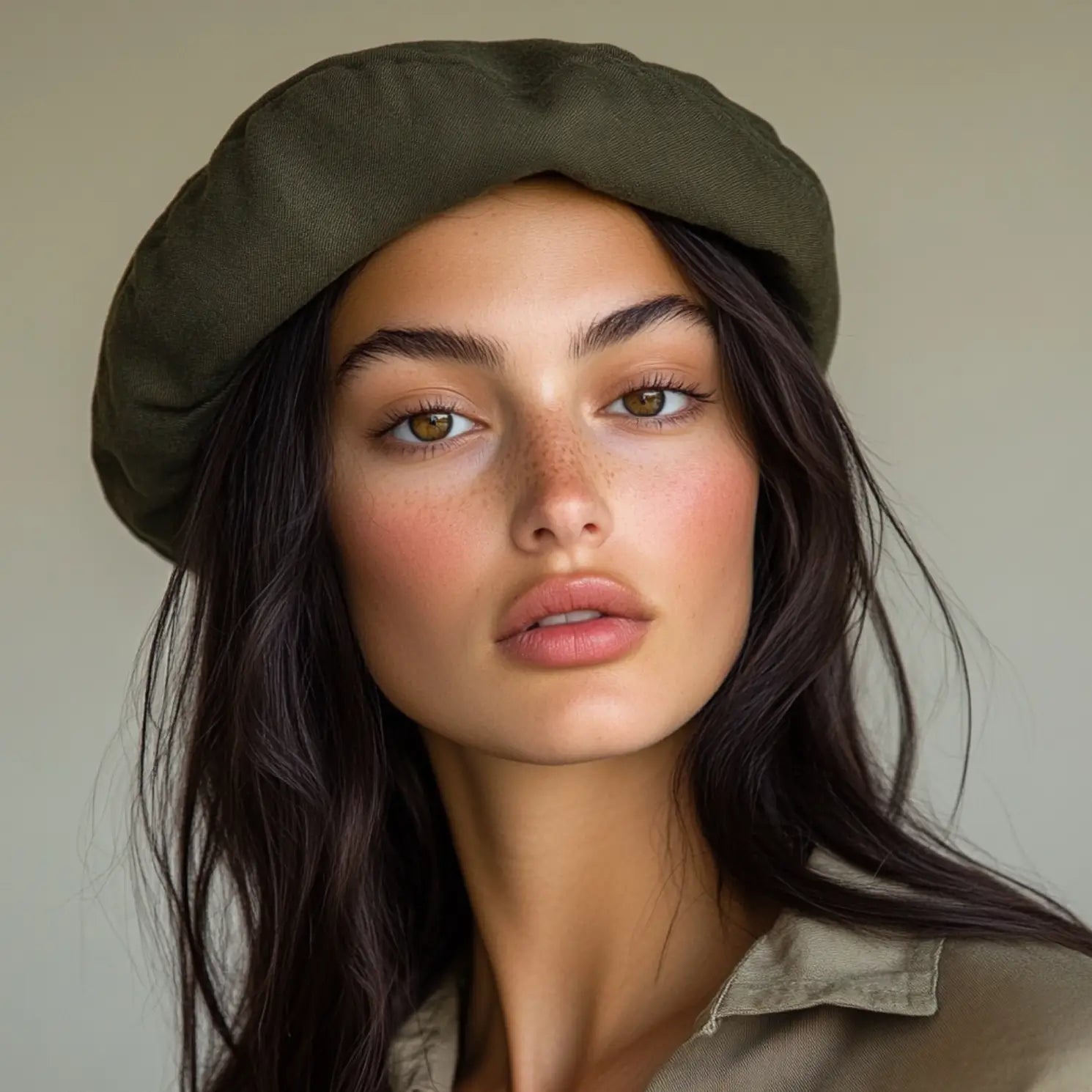
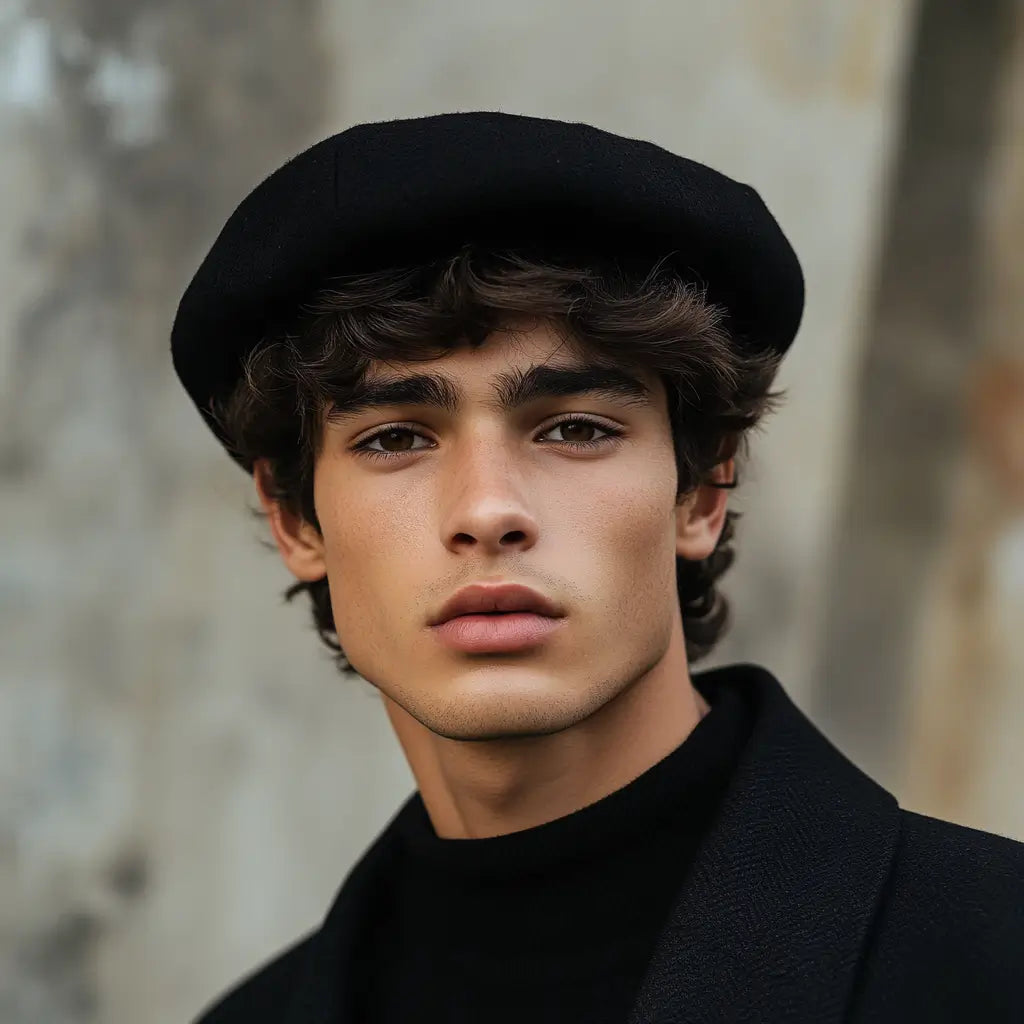
If you want to look French rather than costumed, wear the beret the way locals do: pushed back off the forehead and tilted slightly to one side, with the band sitting straight. Pulled low and level it reads like uniform. Set back an inch, it reads like style.
The beret's real home is the southwest, where it never went away, and the winter months everywhere else. It also has a steady second life in fashion, which is why you see it on students in the Marais and on farmers in the Pyrenees in the same week.

French men lean on the flat cap and the beret in roughly equal measure, and the split is more regional than generational. We go through the whole men's side of it in what hat French men wear, including where the casquette fits.
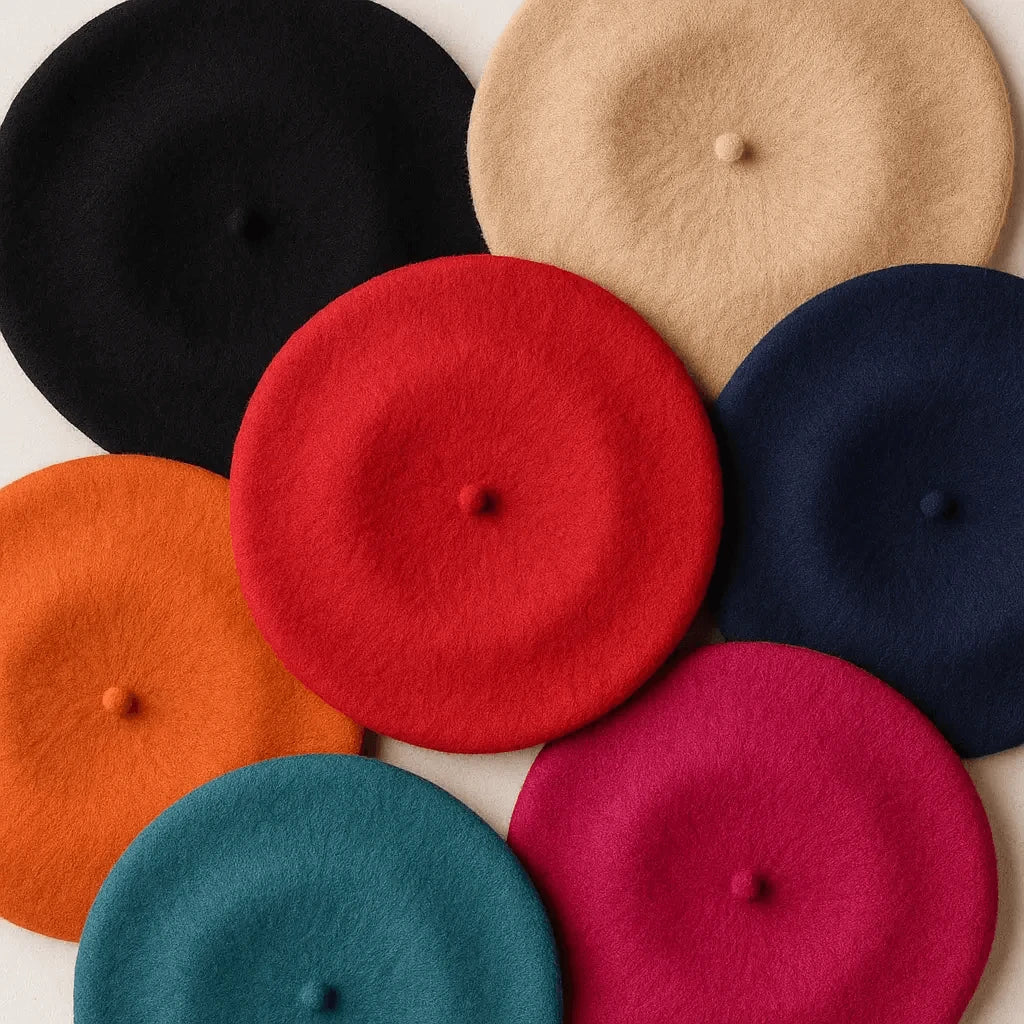
The beret colours you actually see in France
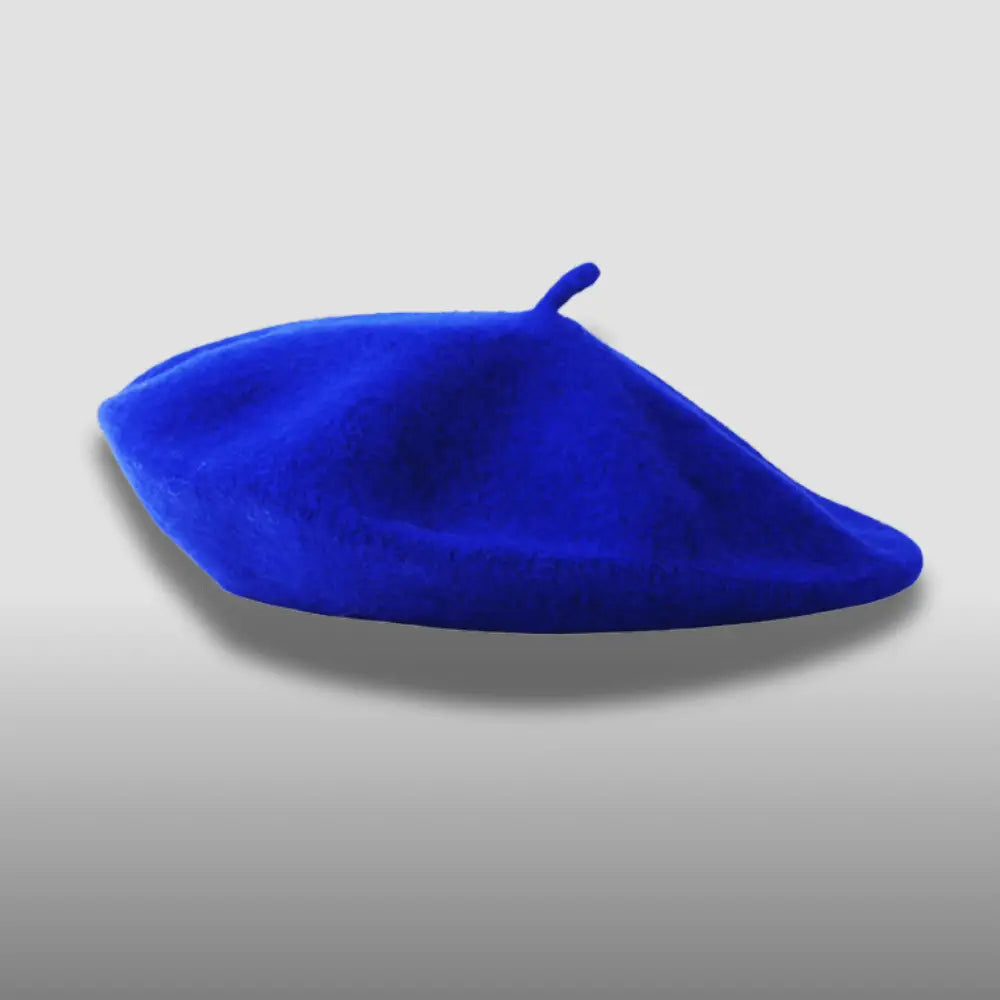
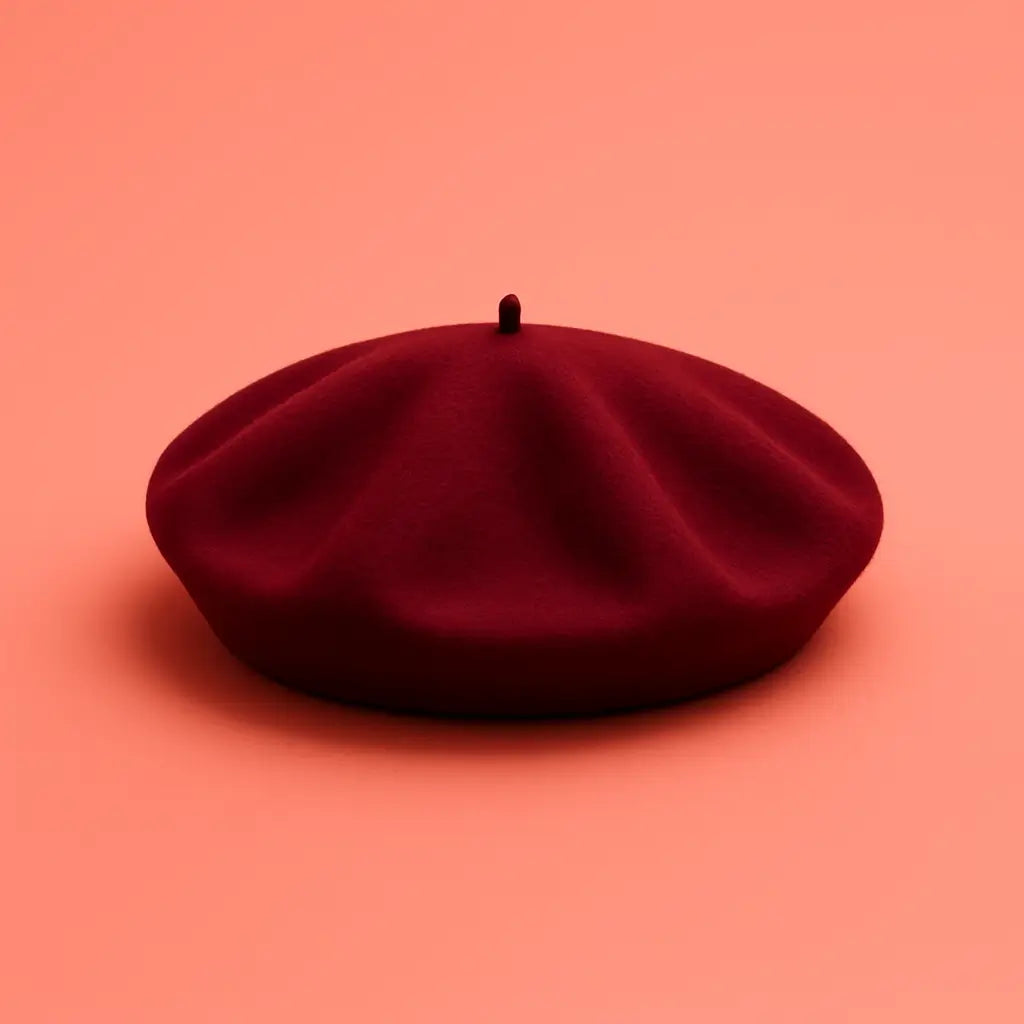
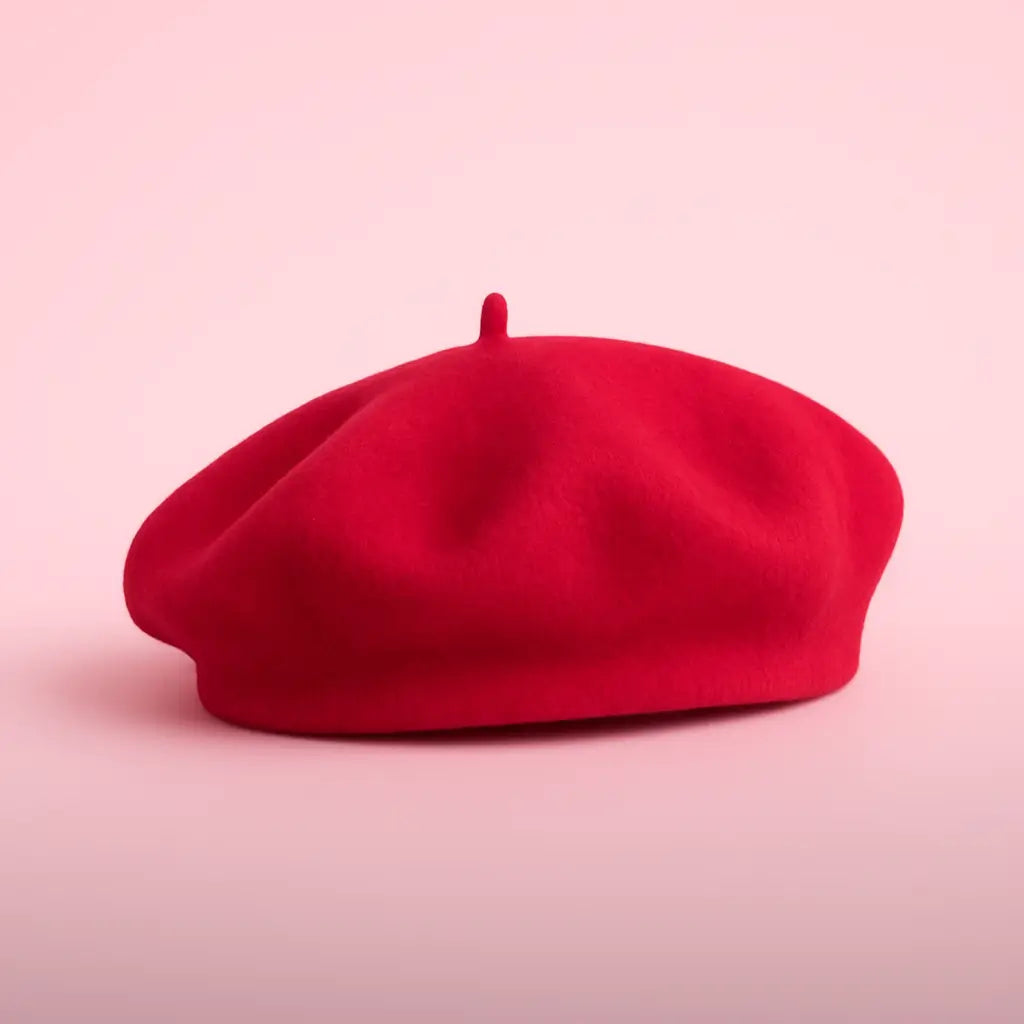
Colour is where the beret quietly gives itself away. In France you mostly see black, navy and the greyed neutrals, worn as part of an outfit rather than as a bright accessory. The vivid reds and pinks are far more common abroad than they are on a French street.
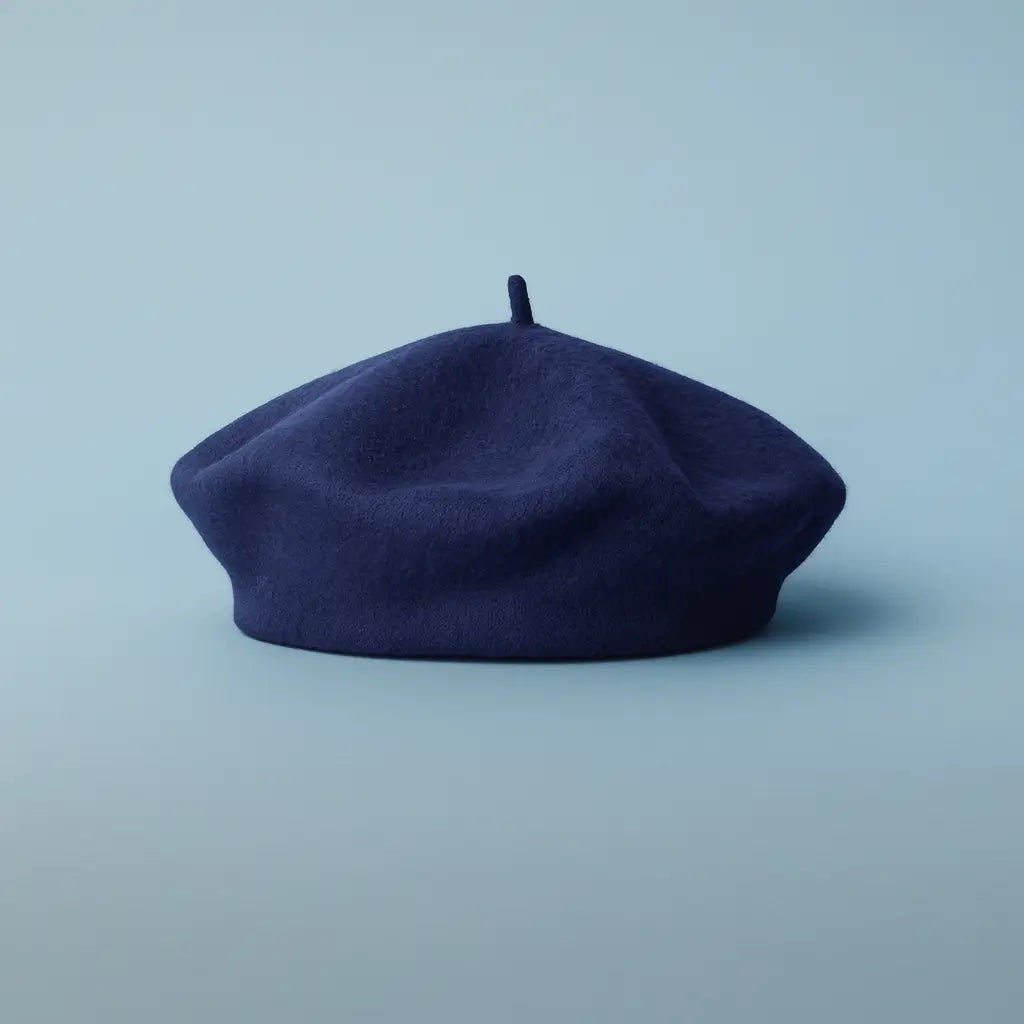
Navy is the one I would call the local favourite after black. It is softer against most skin tones than pure black, it sits well with denim and camel and grey, and it looks less severe in daylight. It is the shade my grandfather wore and the one most customers come back for second.
Who a navy beret suits best
People who find black a little hard against their face, anyone building a neutral wardrobe, and wearers who want the classic French look with a bit more warmth in it.

★★★★★ 4.9 · 75 reviews
Navy Blue Beret
Deep navy wool with a soft felt surface. Warmer against the face than black and the shade most French wearers choose second.
Shop now · $45France's summer hats: the canotier and the Panama
Once the weather turns, the wool goes away and two straw hats take over. The canotier, or boater, is the French one. It came out of the river and rowing clubs of the 1880s, with a stiff flat crown, a straight brim and a grosgrain ribbon, and it survived into the twentieth century as a summer town hat. Today you mostly meet it at weddings, garden parties and period events rather than on the street.
The Panama is the other summer staple, and it is worth being clear about it: despite the name and the French holiday association, it is woven from toquilla straw in Ecuador. France adopted it for the coast and the south, nothing more. Neither hat is a beret, and neither is built the same way. If you want to see how the beret compares with its closest wool relative instead, we set the two out properly in the difference between a tam and a beret.
How to choose your first French hat
If the goal is a hat that reads French rather than one that simply keeps your head warm, the choice narrows quickly. A few things worth deciding before you buy.
- Start with the colour you already wear. Black for a dark wardrobe, navy for denim and camel, beige or cream for softer neutrals.
- Choose wool over acrylic. Felted wool holds the flat crown. Acrylic goes limp within a season.
- Check the band. A proper beret has a firm inner band so it grips without gripping too hard.
- Buy one size sensibly. Most classic berets cover roughly 56 to 58 cm, and the felt gives a little with wear.
- Keep it plain first. Pins, badges and brooches are easy to add later. A busy beret is hard to dress down.
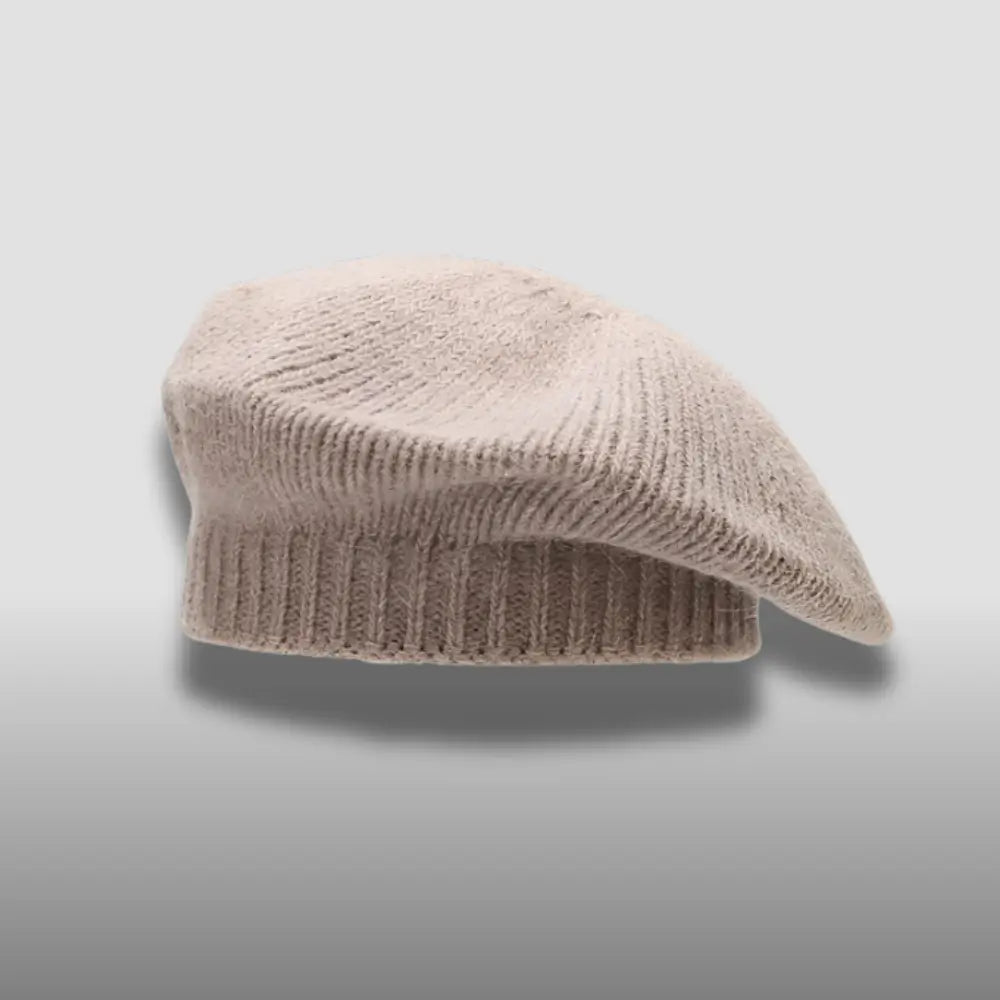
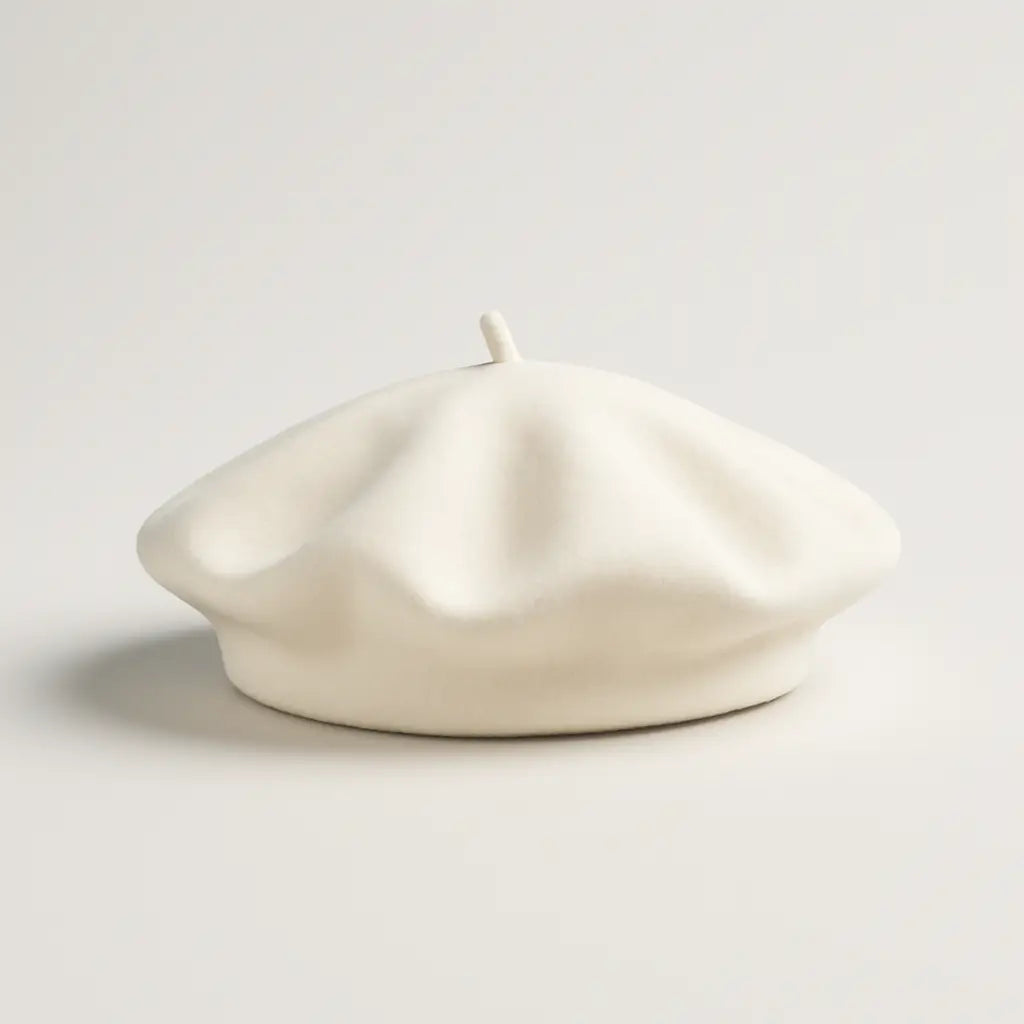
Who a beige wool beret suits best
Anyone whose wardrobe runs to camel, cream and soft grey, wearers who want something gentler than black in daylight, and people who like a hat that reads as heritage rather than fashion.

★★★★★ 4.8 · 60 reviews
Beige Wool Beret
Cream wool with a lightly textured surface. The softest of the classic neutrals and the easiest one to wear in daylight.
Shop now · $45Caring for a French wool beret
Felted wool is tougher than it looks, but it dislikes exactly three things: heat, agitation and being stored flat under something heavy. Keep those in mind and a good beret lasts decades.
- Brush it with a soft clothes brush after wear to lift dust and stop the surface dulling.
- Spot clean with cool water and a drop of wool wash rather than washing the whole hat.
- Reshape it damp over a plate or a bowl so the crown dries flat and round.
- Store it flat in a drawer or on a shelf, never crushed under other hats.
The one mistake I see most often is people treating a beret like a jumper and putting it through the machine. Felt does not behave like knitwear, and the damage is not reversible.
Never machine wash, tumble dry or iron a felted wool beret. Hot water and agitation felt the wool further, and the hat comes out two sizes smaller with a hard, shrunken crown. That shrinkage cannot be undone.
Frequently asked questions
The beret. It is France's signature hat and the only widely worn one with French origins, coming from the Béarn and the Basque Pyrenees.
Yes, though not every day and not everywhere. It is most common in the southwest, in the colder months, and among people dressing with intention rather than just for warmth.
No. Panama hats are woven from toquilla straw in Ecuador. France adopted them as a summer hat, especially in the south, but they are not French in origin.
The canotier is the French straw boater, with a stiff flat crown, a straight brim and a ribbon band. It came from the rowing clubs of the 1880s and is now mostly worn at weddings and summer events.
Black, followed by navy and the greyed neutrals. Bright colours are far more common abroad than they are on a French street.
Most classic French berets are made to cover roughly 56 to 58 cm and give a little with wear. If you sit well above that range, look for a style cut deliberately larger.
So, what is the most popular hat in France? The beret, and it is not close. The bonnet may be worn more often on a cold Tuesday, but only one French hat is recognised on sight anywhere in the world, and it still comes from the same corner of the Pyrenees it always did.


Worn well, never overthought.
Camille