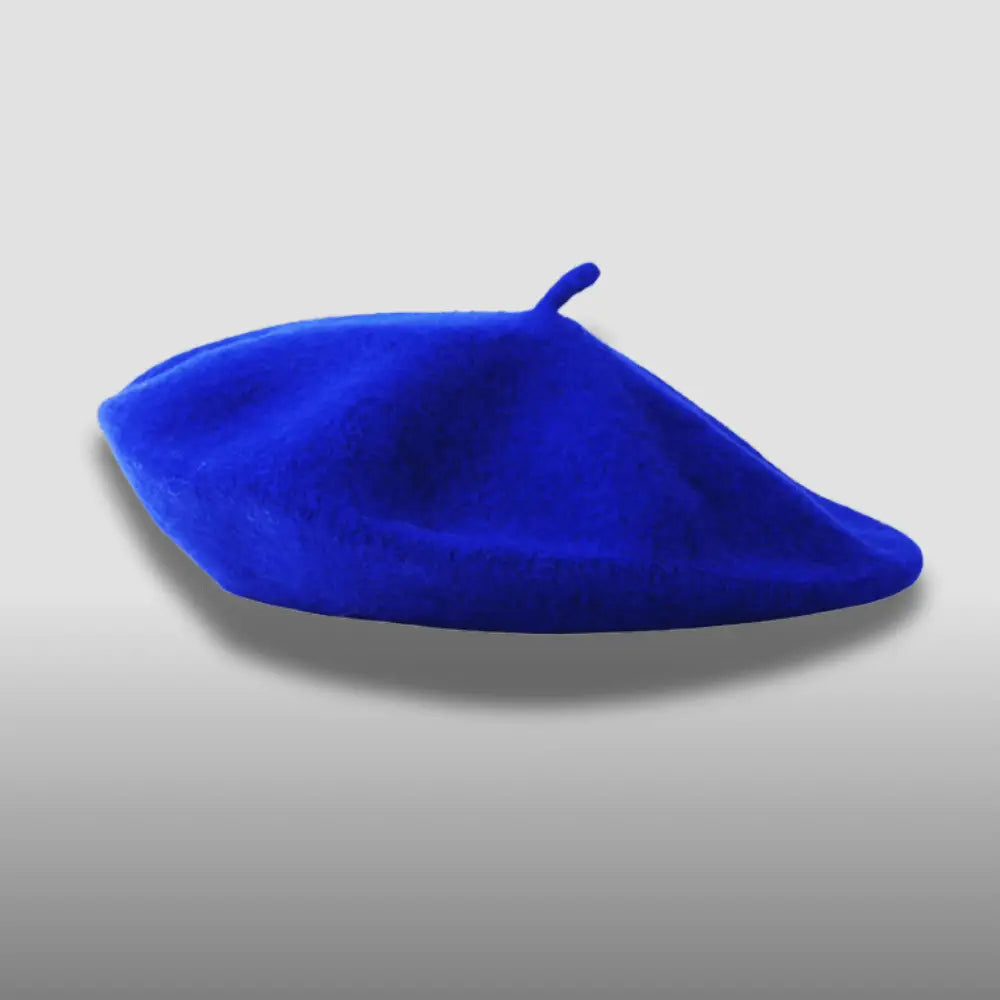
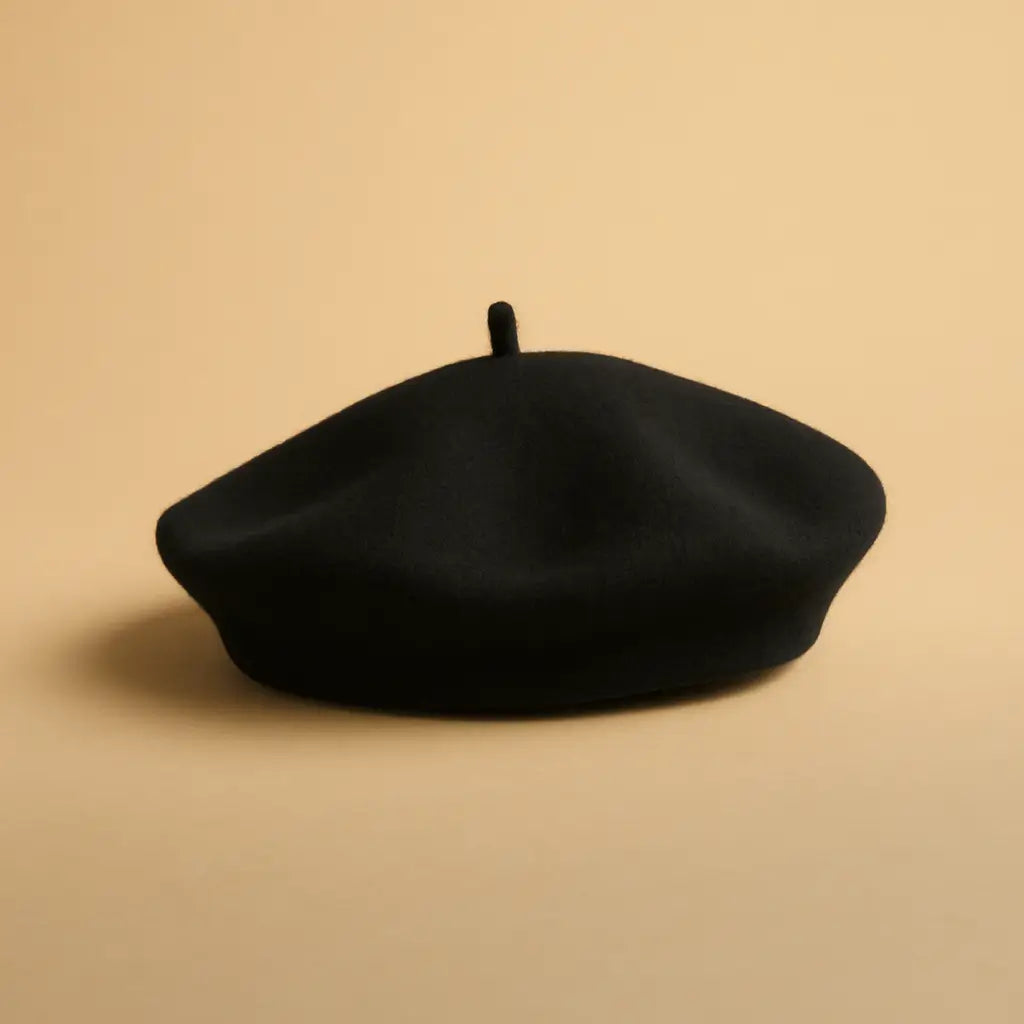
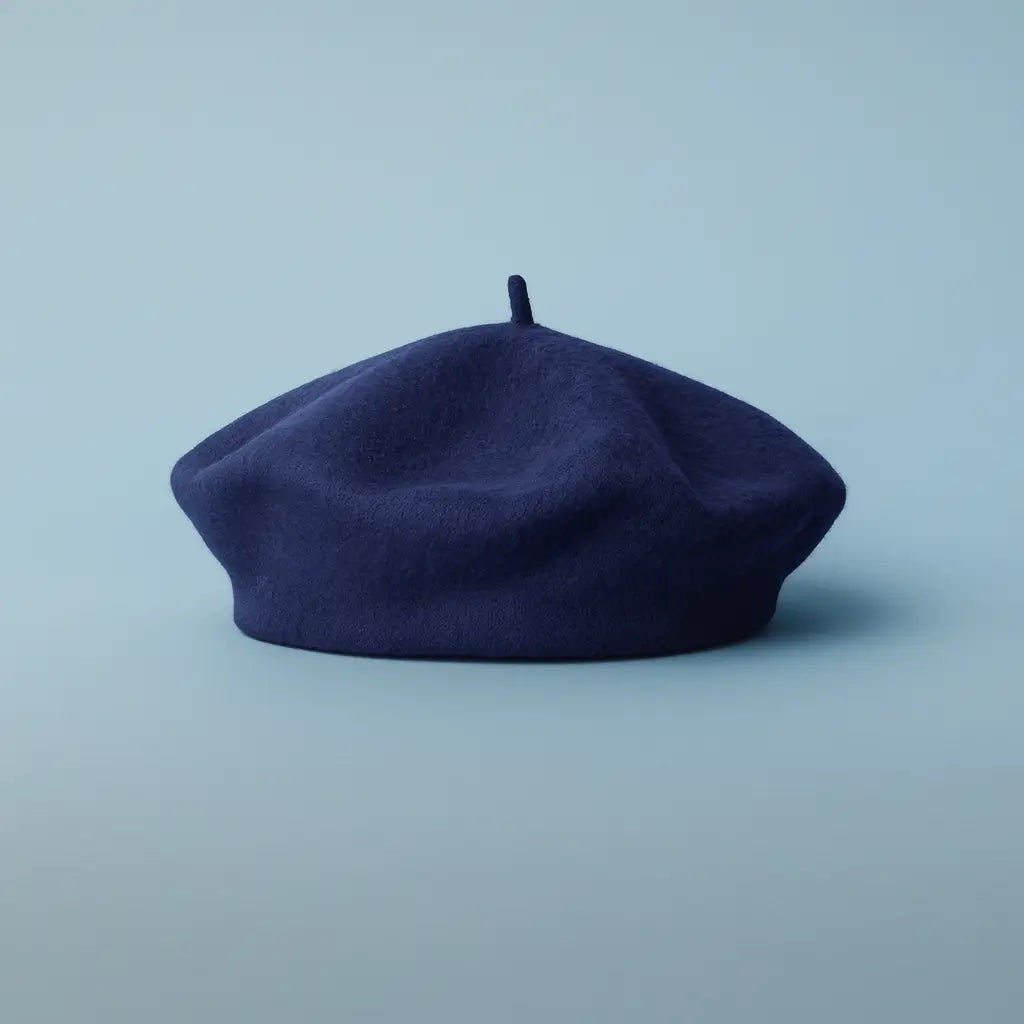
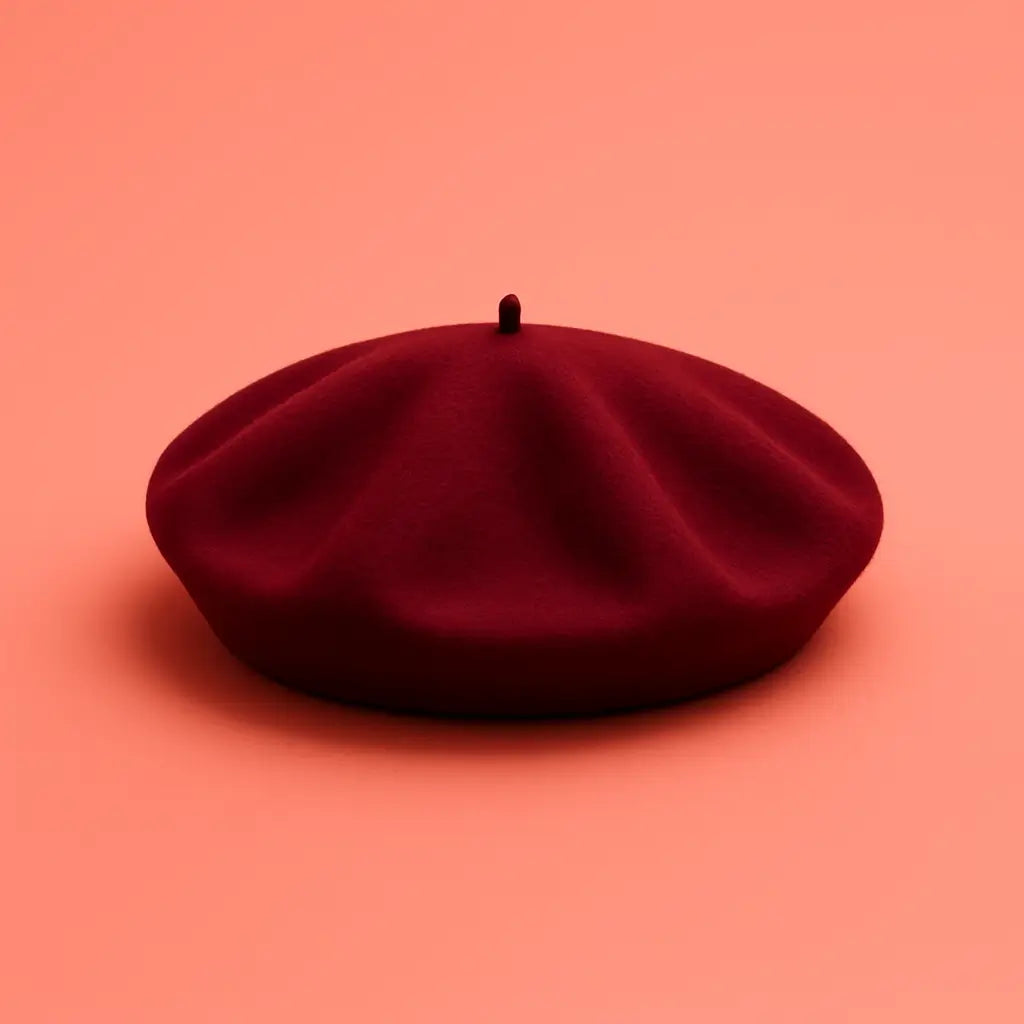
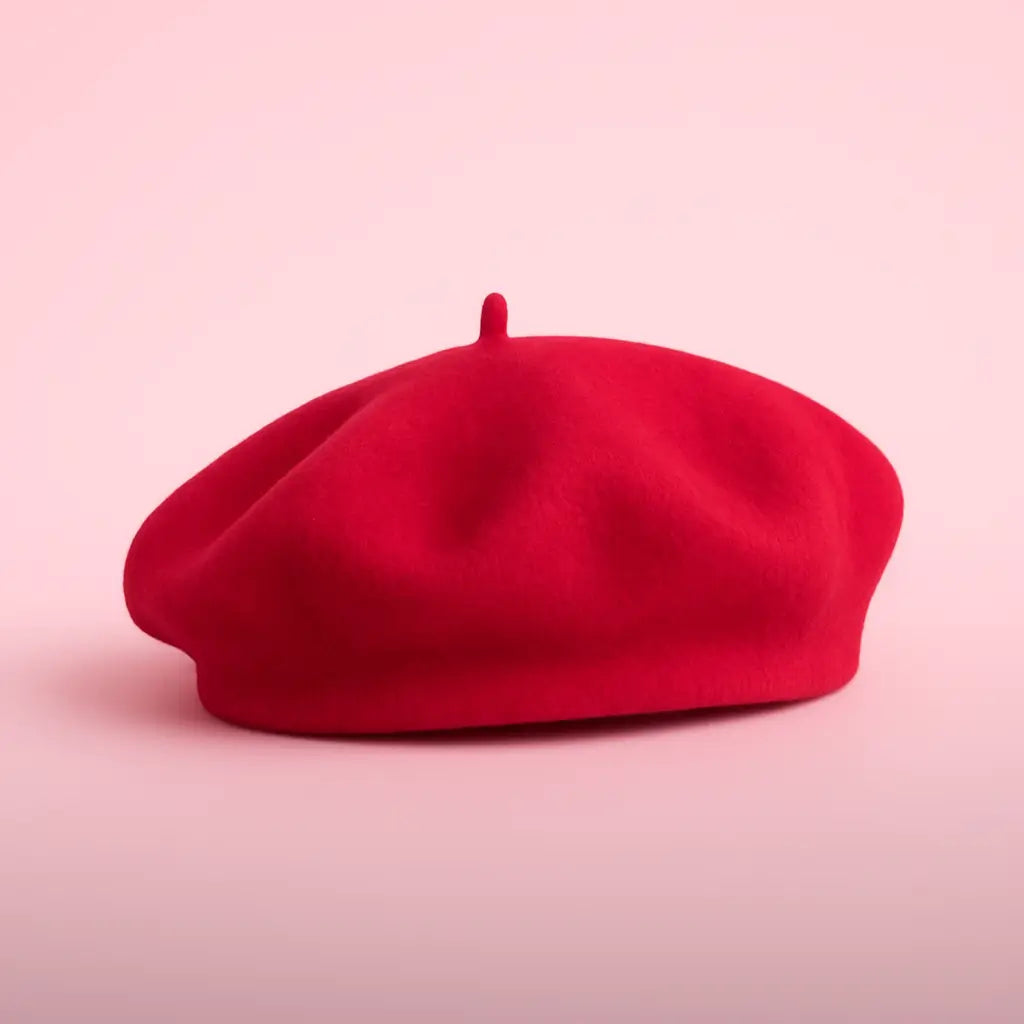
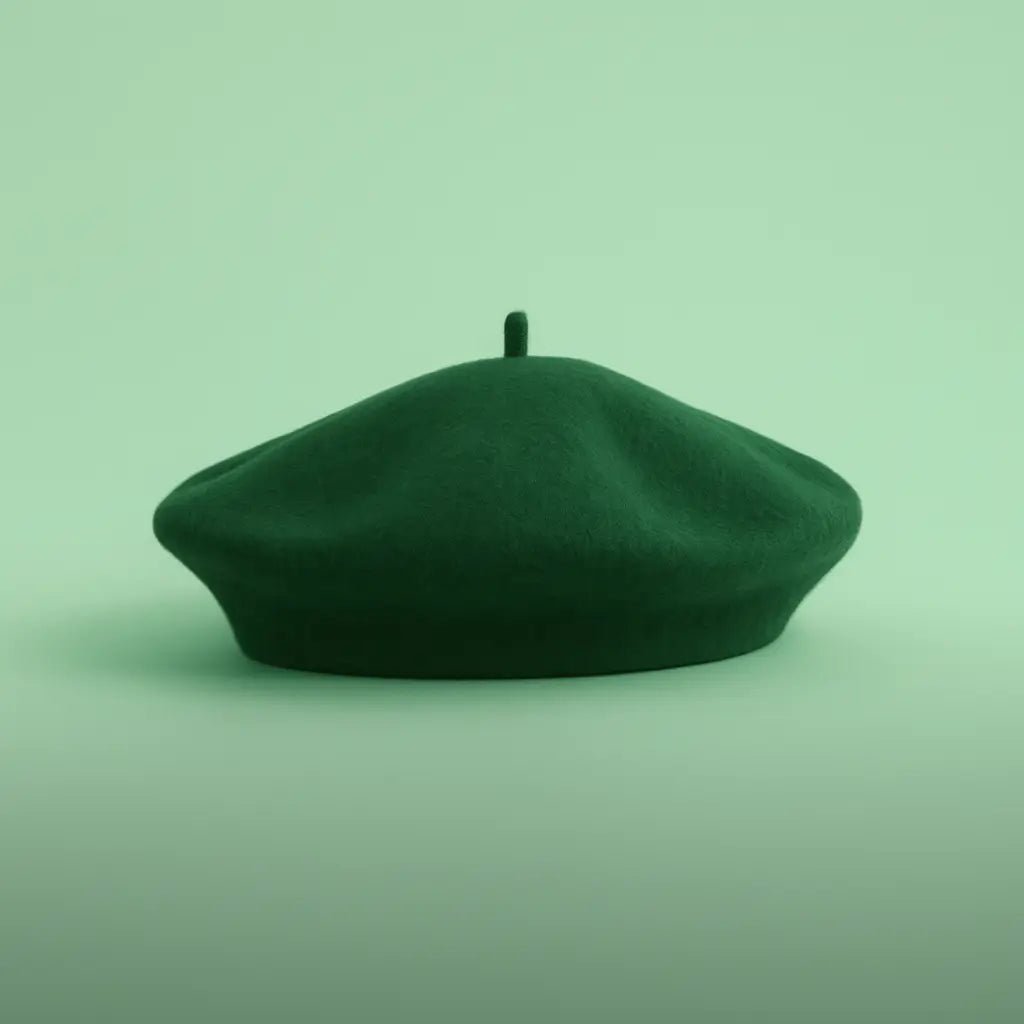
Honest answer: nothing quite replaces a beret's soft, round drape. A fedora has a brim and a crown, a beanie is elastic and shapeless, a cloche is stiff and close-fitted. None of them move or sit the way a beret does. What people usually mean by "alternative" is a different beret material for a different job, and that is where real choices open up.
I am Camille, and I have shaped berets by hand for most of my life. When someone tells me they want an "alternative to a beret," what they are almost always chasing is more warmth, more weather resistance, or a different finish, not a different shape. Here is how the three real materials compare, and which one answers what you are actually after.
- No other hat replicates a beret's round, folded drape. The shape is not really replaceable.
- The real question behind "alternative" is usually material, not silhouette.
- Wool felt is the classic, breathable everyday choice.
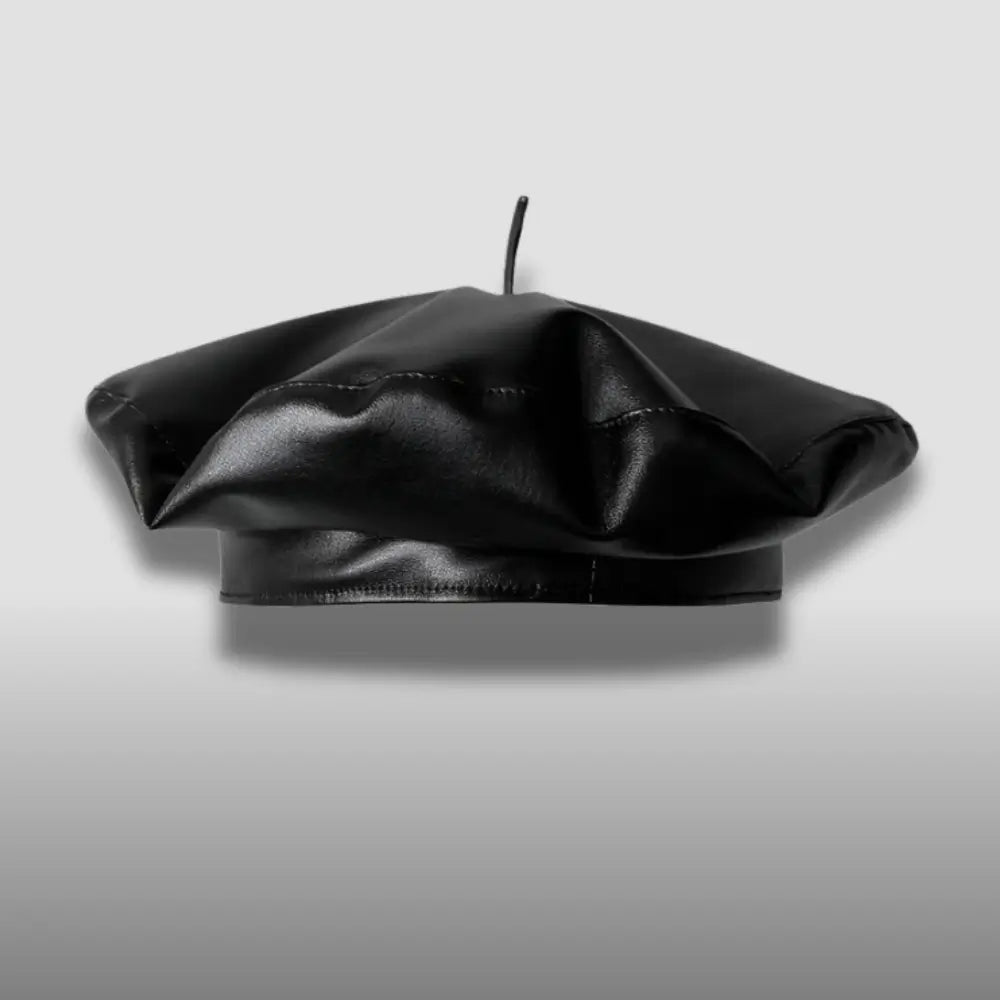
- Leather resists wind and light rain and holds its shape in bad weather.
- Knit wool trades structure for stretch and extra warmth on cold days.
The three real material options
If a plain wool beret is not doing what you need, one of these three usually will. Each keeps the beret shape, so the change is in how it wears, not how it looks on your head.
| Material | What it offers | Best for |
|---|---|---|
| Wool felt | Classic drape, breathable, holds a soft fold | Everyday wear, most climates |
| Leather | Structured, wind resistant, sheds light rain | Damp or windy days, a sharper look |
| Knit wool | Stretch fit, denser warmth, no shaping needed | Cold snaps, casual everyday wear |
Wool felt: the classic beret material
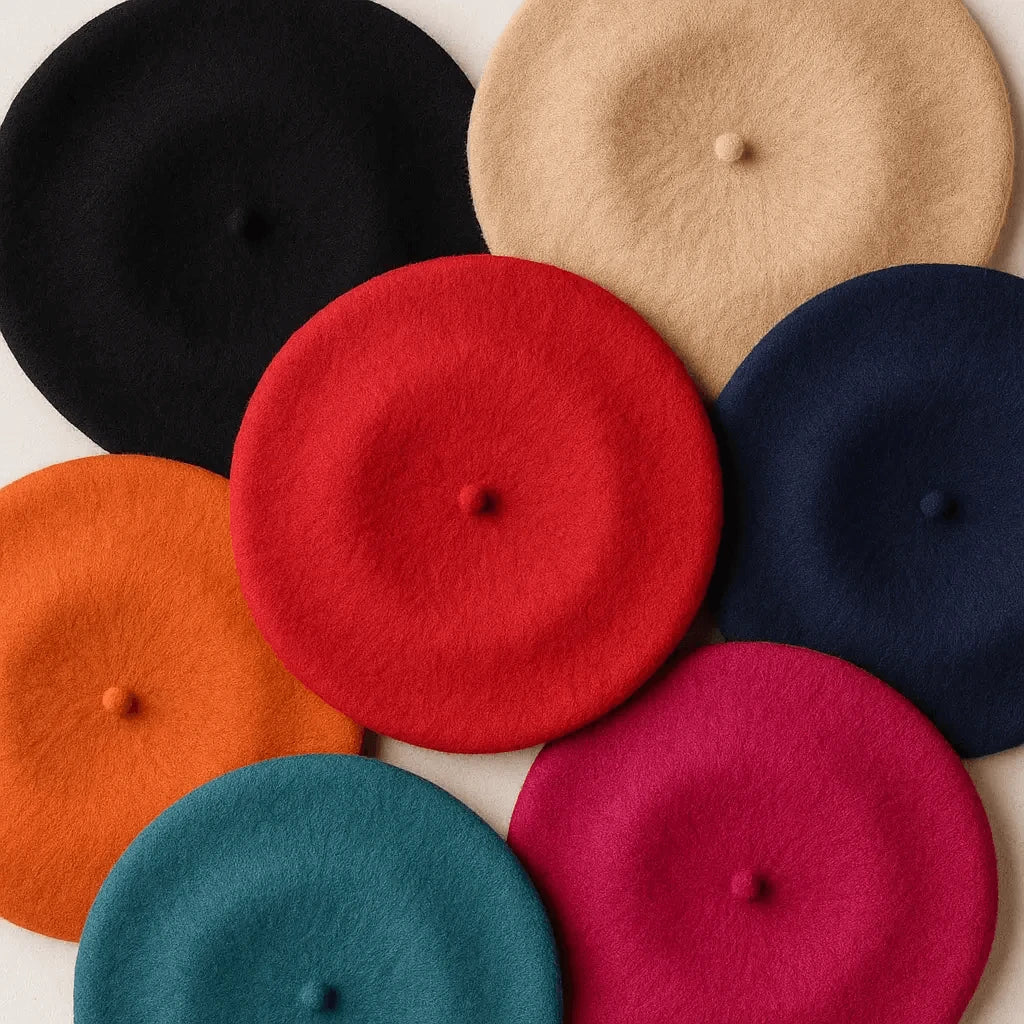
Wool felt is what most people picture when they hear the word beret, and for good reason. It holds a soft, rounded fold without stiffening, breathes well enough for indoor wear, and softens with age instead of wearing out. If you have never owned a beret before, this is the material to start with. Our full fabric guide goes deeper into how wool compares with cotton and crochet, if you want the complete picture before you choose.
Who wool felt suits best
Anyone who wants the traditional look, first time beret buyers, and anyone dressing for indoor days or mild weather where structure matters less than comfort.

★★★★★ 4.8 · 60 reviews
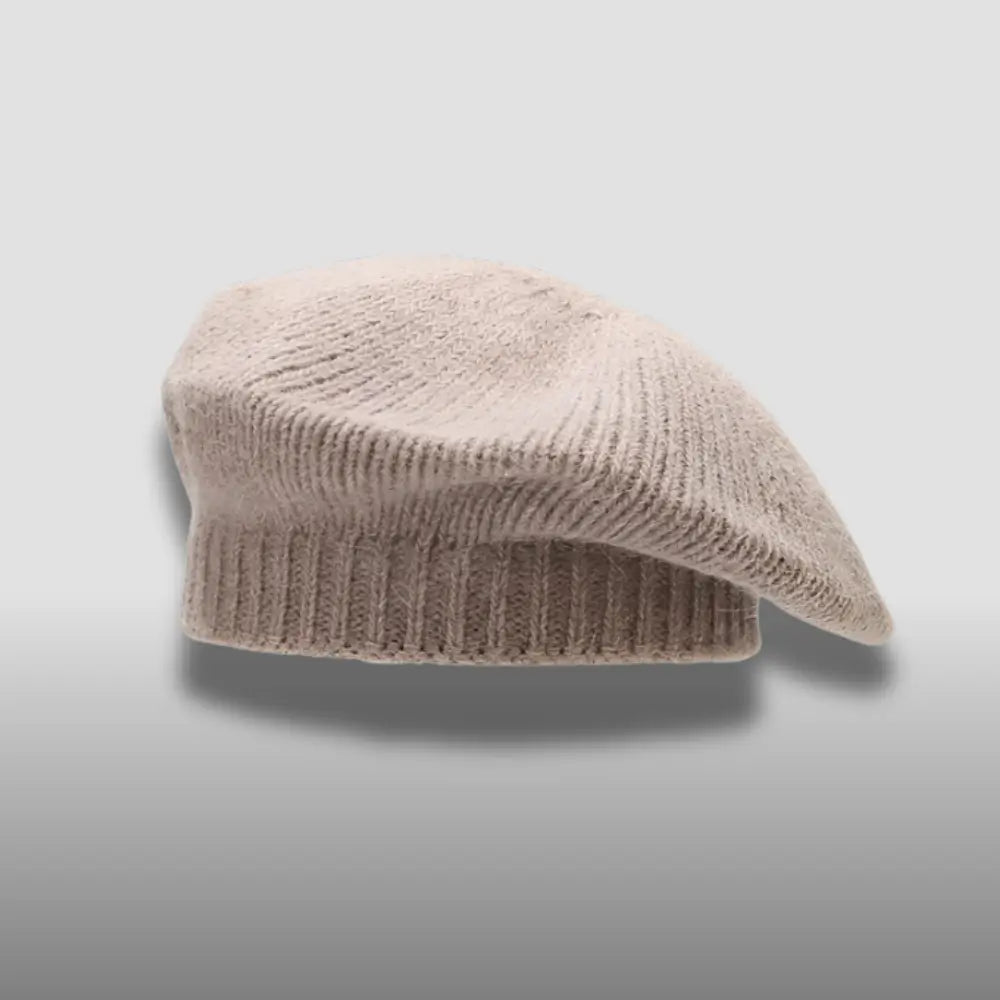
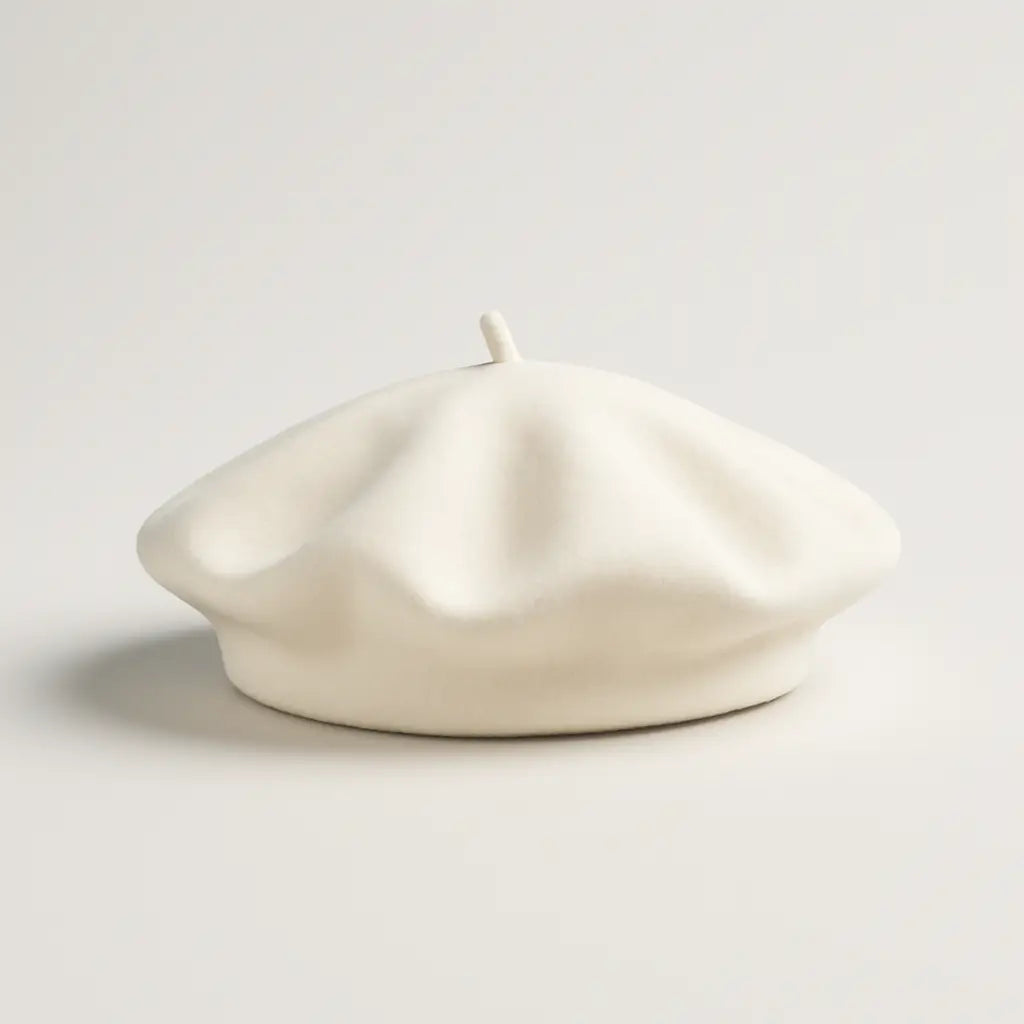
Beige Wool Beret
Soft cream wool with a gentle textured surface. The easiest first beret, and a neutral that works with almost everything.
Shop now · $45Leather: a structured, weatherproof option
Leather changes what a beret can do. It holds its fold on a windy day instead of losing shape, sheds light rain that would soak straight through felt, and picks up a sharper edge next to a moto jacket or tailored coat. It is the material to reach for when the forecast is against you or you want the beret to read a little tougher.
Pick your material by where the beret spends most of its time, not by how it looks in a photo. A beret that lives mostly outdoors in changeable weather earns its keep faster in leather. One worn mostly indoors or on mild days is happiest in wool felt.
Who a leather beret suits best
Commuters walking through real weather, anyone who wants a sturdier everyday hat, and dressers building a slightly edgier version of the classic silhouette.

★★★★★ 4.9 · 17 reviews
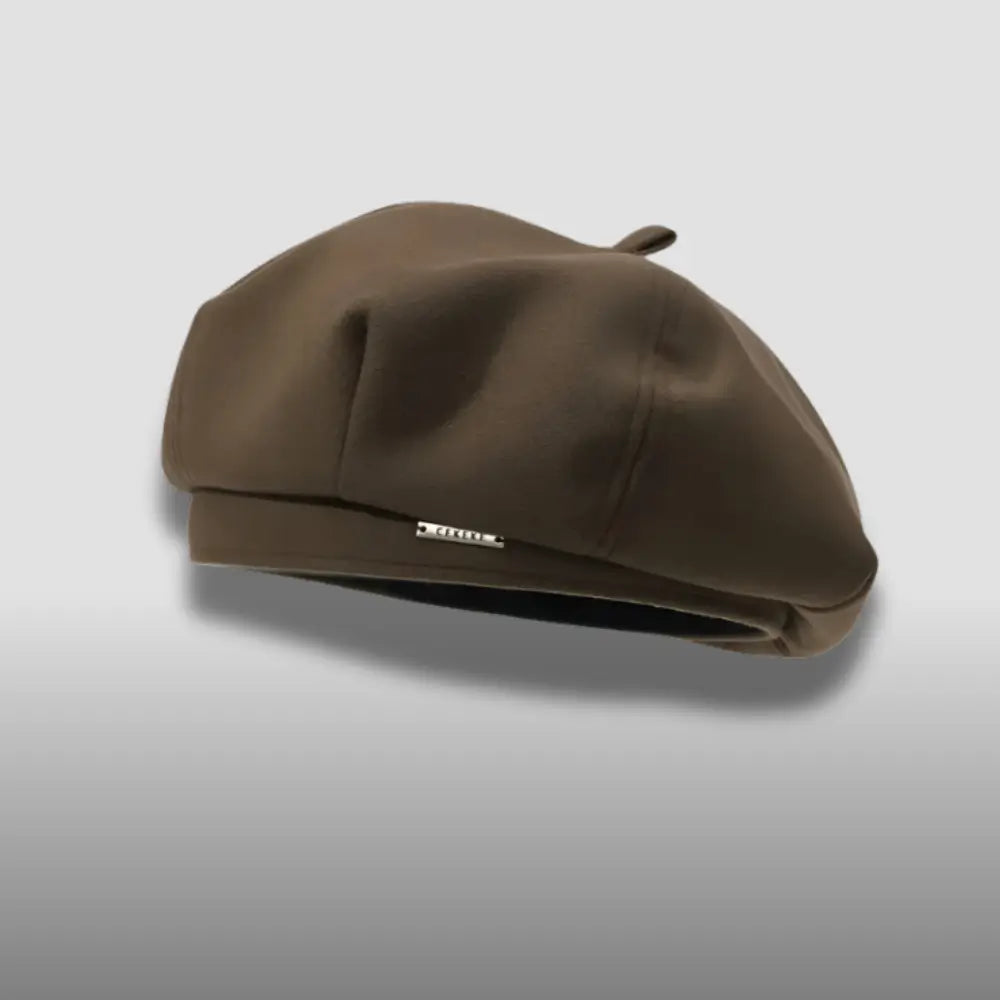
Brown French Leather Beret
Sleek matte leather with a soft wrinkled texture. Holds its fold in wind and rain, with none of felt's fragility.
Shop now · $59Knit wool: warmth with stretch
A knit wool beret gives up a little structure for a lot of stretch. It pulls on like a beanie, sits snug at the band, and traps more warmth than felt on the coldest days. For anyone who finds a traditional beret's fit fussy to adjust, this is the easiest one to just put on and go. Our guide to beret types covers this alongside the crochet and cotton versions if you want to compare every option side by side.

Who knit wool suits best
Anyone who wants beanie-level ease with a beret's silhouette, cold-climate wearers, and anyone layering under a hood who needs a hat that stretches rather than a fixed size.

★★★★★ 4.8 · 27 reviews
Knit Wool Beret
Stretch knit wool that pulls on like a beanie. Dense, warm, and the easiest fit in the whole range.
Shop now · $55How to choose between them
- Want the classic look first: start with wool felt.
- Live somewhere wet or windy: leather holds its shape and sheds water.
- Want a snug, low-effort fit: knit wool stretches on without adjusting.
- Dressing up an outfit: wool felt or leather, depending on how sharp you want the edge.
Caring for whichever you choose
- Wool felt: brush gently, air dry flat, never machine wash.
- Leather: wipe with a dry cloth, keep away from direct heat sources.
- Knit wool: hand wash cold if needed, reshape while damp, dry flat.
Do not treat leather berets with wool care products or wool berets with leather conditioner. Each material needs its own care, and cross-treating one with the wrong product can stiffen or discolor it permanently.
Frequently asked questions
Not in shape. No other hat drapes and folds the same way. The real alternatives are material choices within the beret itself: wool felt, leather, or knit wool.
Knit wool, thanks to its denser stretch weave. Wool felt comes second, and leather is the least insulating on its own, though it blocks wind well.
Leather, with proper care. It resists the wear and pilling that felt and knit eventually show, though all three last for years when stored and cleaned correctly.
Yes, though it traps a little more heat than felt. For hot climates, a lighter cotton beret is worth considering alongside these three.
It needs less shaping, not more. The stretch fabric settles into place on its own, which is exactly why it suits anyone who finds pinning and adjusting felt fussy.
So if you came looking for a true alternative to a beret, the honest answer stays the same: nothing else moves quite like one. What changes is the material underneath it, and now you know which one answers what you actually need.


Worn well, never overthought.
Camille