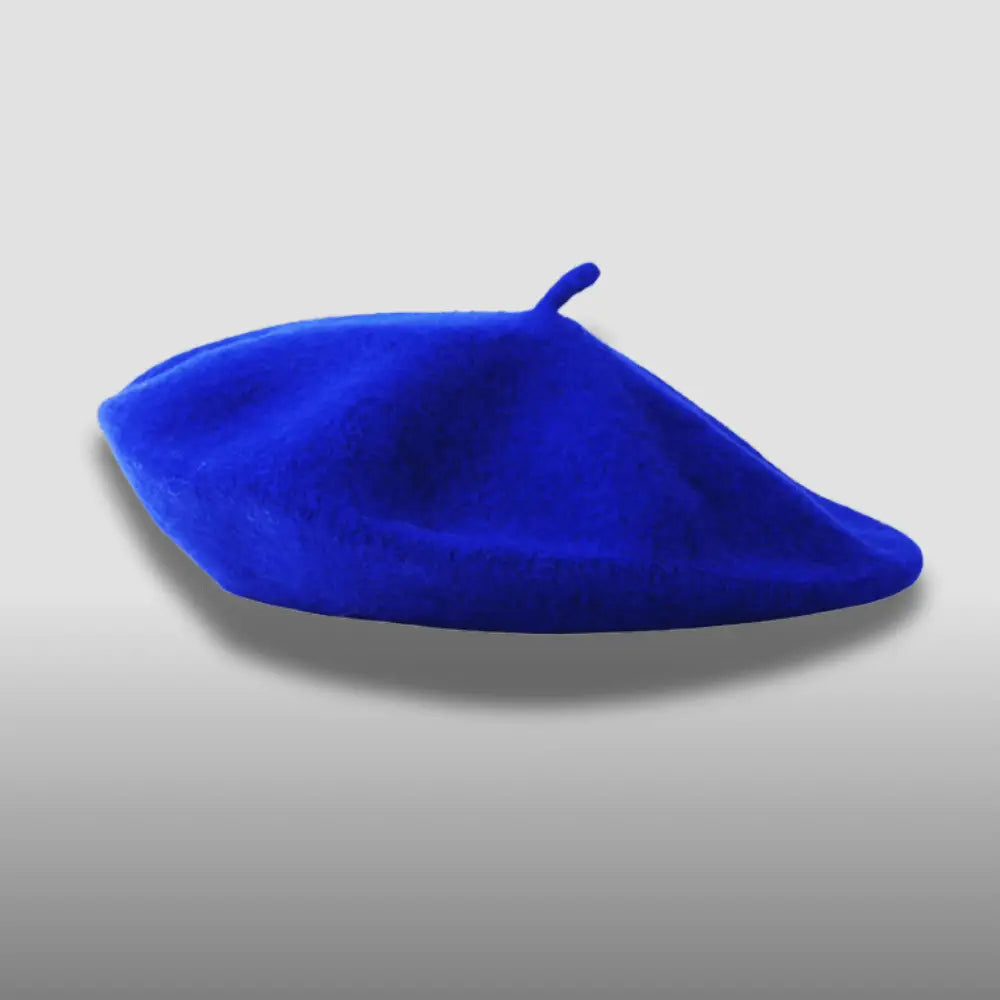
Short answer: the French beret as we know it took shape in the Pyrenees in the early 1800s, worn first by shepherds in the Béarn and the Basque Country, decades before Paris ever claimed it. The path from mountain workwear to global icon took over a century, and it runs through the French army, the cafés of Montparnasse, and eventually the whole world's wardrobe.
I am Camille, and my family has shaped berets by hand in the Béarn for three generations. So this is not a timeline pulled from a textbook. It is the history I grew up hearing in the atelier, the same one that still shapes how a beret is made today.
- The beret began as shepherd's headwear in the Pyrenees in the early 1800s.
- The French army made it official issue in the late 1800s, which spread it nationwide.
- Painters and writers in Paris turned it into an artistic symbol in the early 1900s.
- The Beat generation of the 1950s and 60s gave it a rebellious, countercultural edge.
- Today it is a fashion staple with no single decade or figure to claim it.
The short timeline
Short on time? Here is how the beret moved from mountain wear to global fashion, era by era. The full story, including how each stage shaped the beret you can buy today, follows below.
| Era | What happened | The beret's role |
|---|---|---|
| Early 1800s | Pyrenees shepherds wear wool berets against wind and rain | Practical, local workwear |
| Late 1800s | The French army adopts it for its Alpine troops | Official military headgear |
| Early 1900s | Painters and writers in Paris take it up | Symbol of art and intellect |
| 1950s to 60s | Beat writers and jazz musicians wear it | Sign of counterculture |
| Today | Worn worldwide, in every colour and material | Timeless wardrobe staple |
The shepherd origins in the Pyrenees
Long before anyone called it French, the beret was a working hat. Shepherds in the Béarn and the Basque Country, on both the French and Spanish sides of the Pyrenees, shaped rounds of local wool into a flat cap that shed rain and blocked wind on exposed mountain paths. There was nothing fashionable about it. It was cheap, warm, and easy to make with what the region already had.
What made it last was the construction. A single piece of felted wool, worked and steamed into shape, has no seams to fail and no brim to catch the wind. That same logic is why a well-made wool beret still holds up today, over two centuries later. If you want the full picture of how the material itself shaped the hat, our guide on are berets French goes deeper into the region's claim to it.
Who first wore it
Farmers and shepherds working outdoors in a demanding climate, long before it meant anything about style. The beret earned its place through pure usefulness first.

★★★★★ 4.8 · 60 reviews
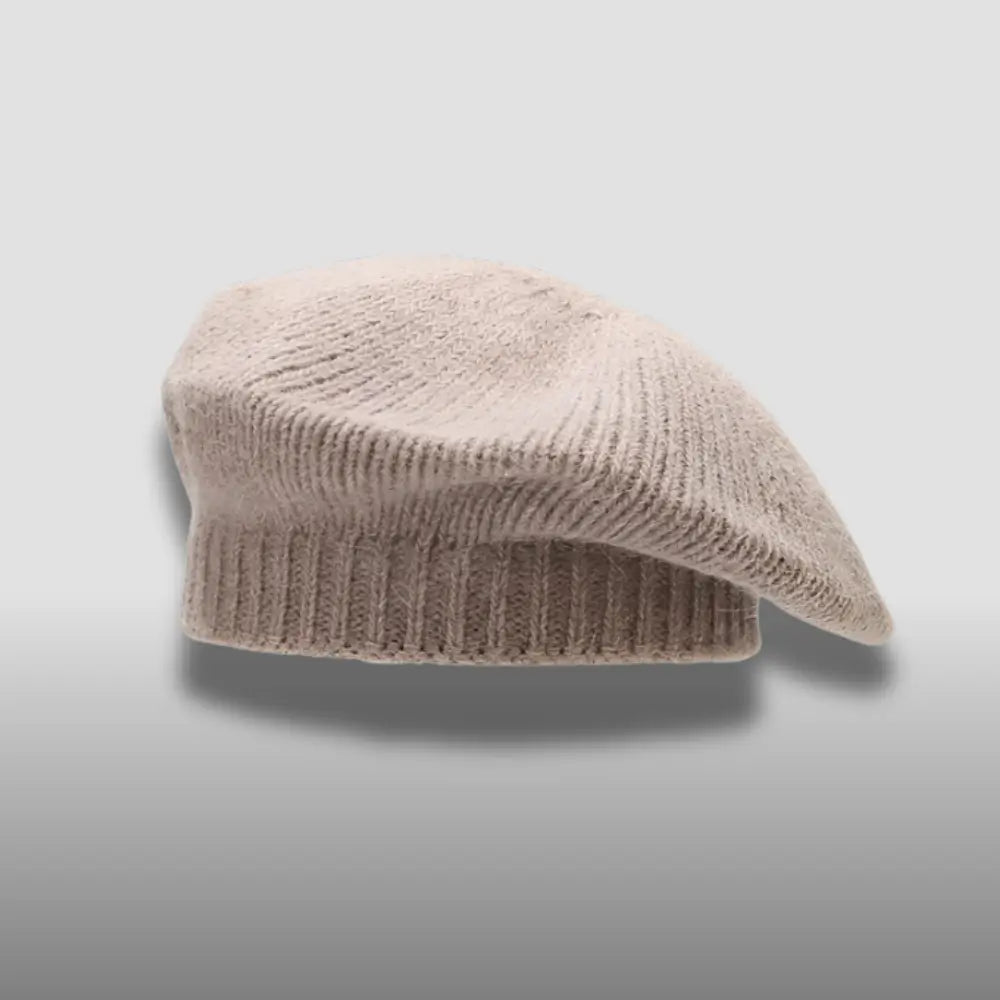
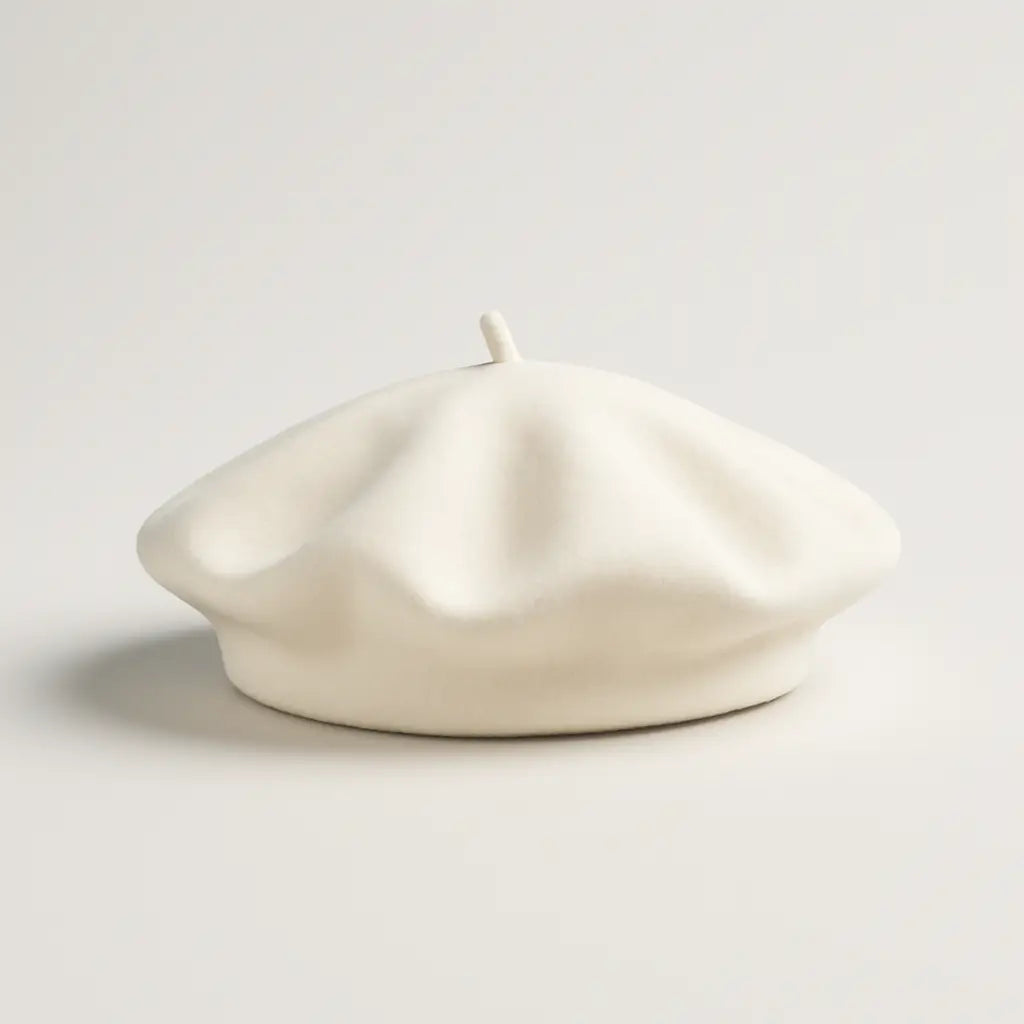
Beige Wool Beret
Soft felted wool in a warm cream shade, made the same way the Pyrenees shepherds' berets were, just refined for everyday wear.
Shop now · $45If you want a beret that respects the original construction, look for a single-piece felted wool build with no visible seams. That is the same shape logic the Pyrenees shepherds relied on, and it is still what makes a beret hold its form for years.
How the army made it official
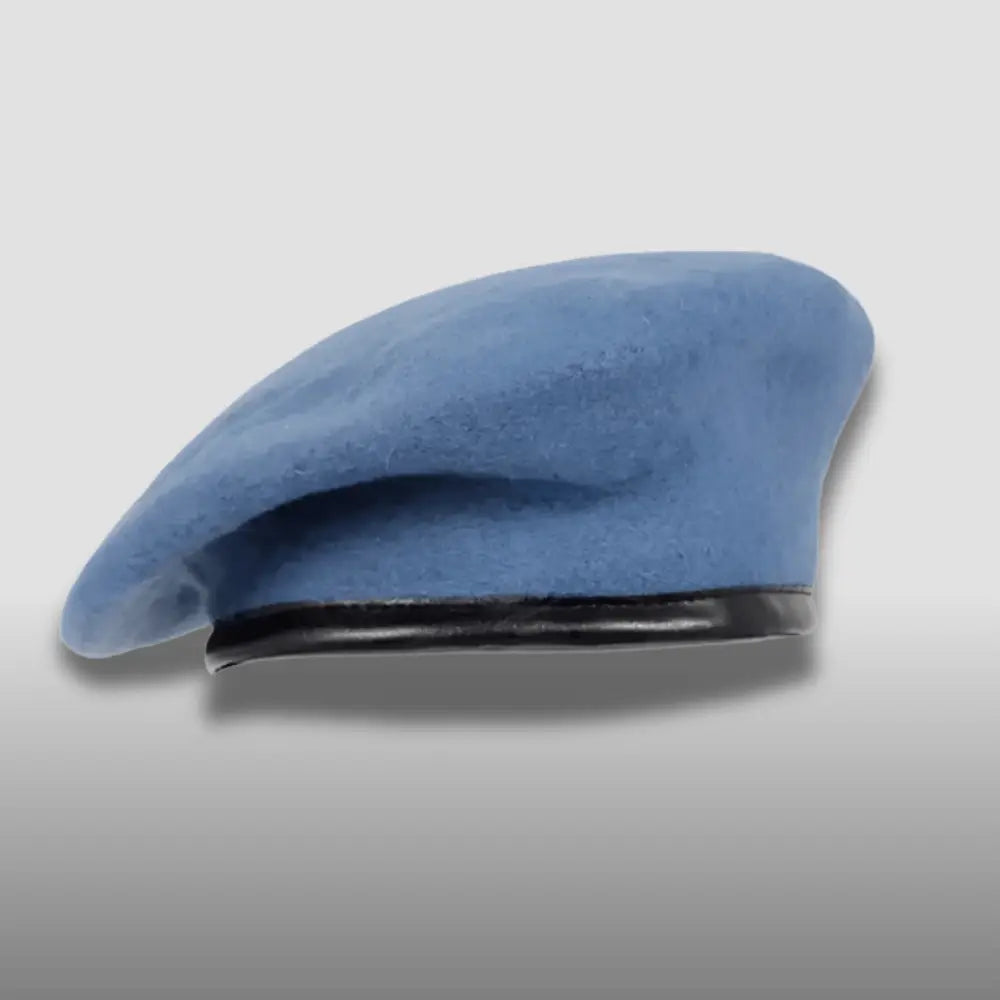
The turning point came in the late 1800s, when the French army adopted the beret for its Alpine infantry. A soft, packable hat that needed no brush or brim was simply more practical on mountain terrain than a rigid military cap. Officers noticed how well local troops already wore theirs, and the beret moved from regional custom to official issue.
That military chapter did more than put the beret on soldiers' heads. It standardised the shape and size across a much wider population and gave the hat a reputation for toughness that outlasted any uniform. By the early 1900s, a beret no longer marked you as a shepherd. It marked you as someone who could handle hard conditions, which is part of why it crossed so easily into civilian life next.

★★★★★ 4.8 · 62 reviews
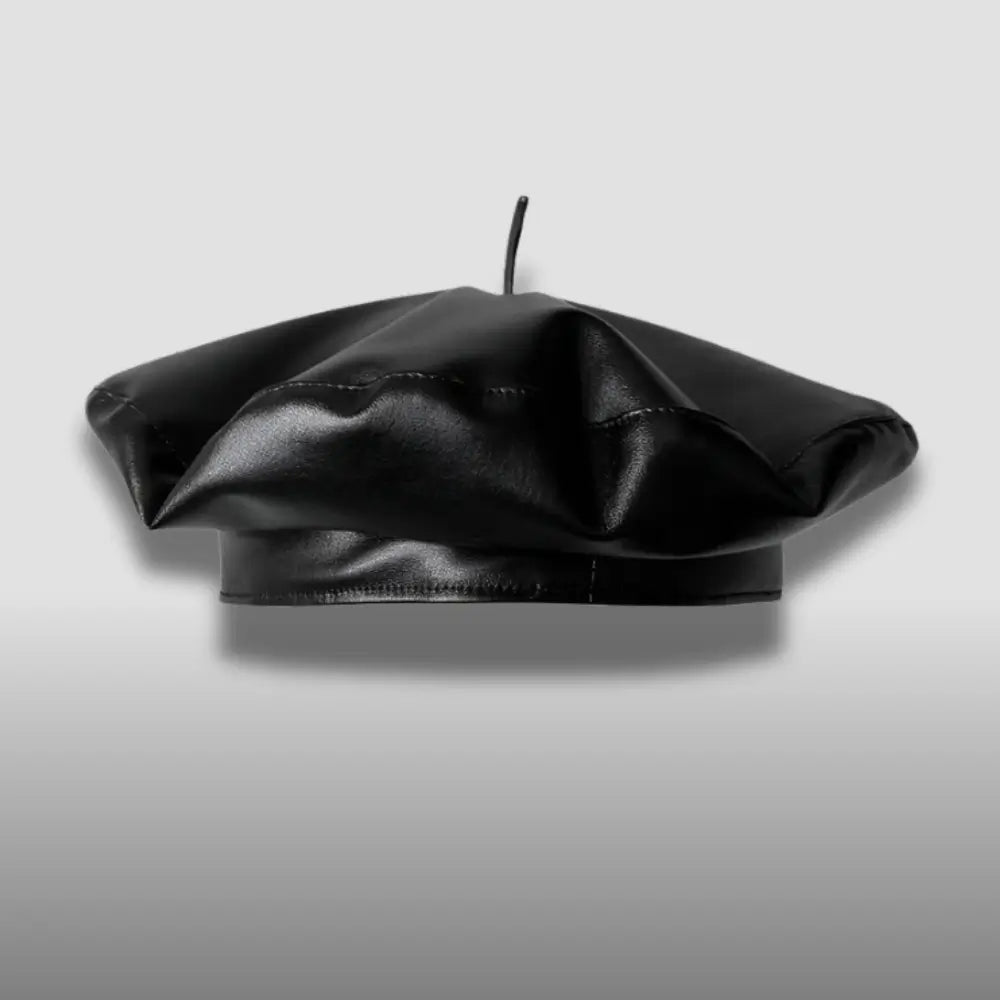
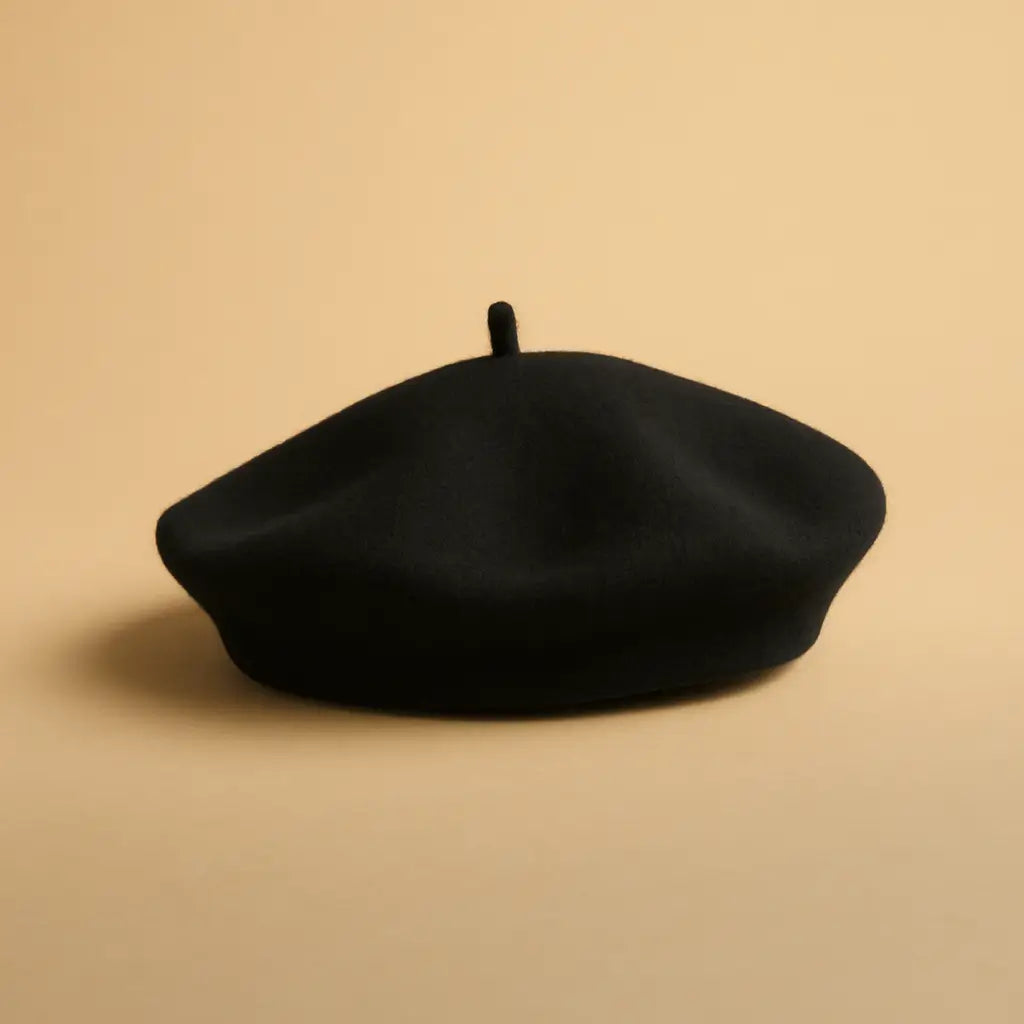
Black French Beret
Our best-selling classic, the same sleek matte shape that has carried this hat through two centuries of history.
Shop now · $39From soldiers to painters and writers
By the early 20th century, the beret had a foothold in Paris, and the art world took it from there. Painters working in Montmartre and Montparnasse wore theirs constantly, both for warmth in unheated studios and, in time, as part of a recognisable look. Pablo Picasso was rarely photographed without one, and the association between the beret and creative work only grew from there.

Writers followed the same path. Ernest Hemingway, living in Paris in the 1920s, picked up the beret as part of adopting the city's style rather than inventing anything new. What both groups shared was using the beret to signal something about how they thought, not just what they wore. That association with intellect and independence has never fully left the hat, and it resurfaced again decades later with the Beat writers and jazz musicians of the 1950s and 60s, who wore it as a mark of standing outside the mainstream.
How that history shows up today
You can still see every one of those eras in how people choose to wear a beret now: some for the craft and heritage, some for the artistic association, some simply because it looks good with a coat.

★★★★★ 4.9 · 85 reviews
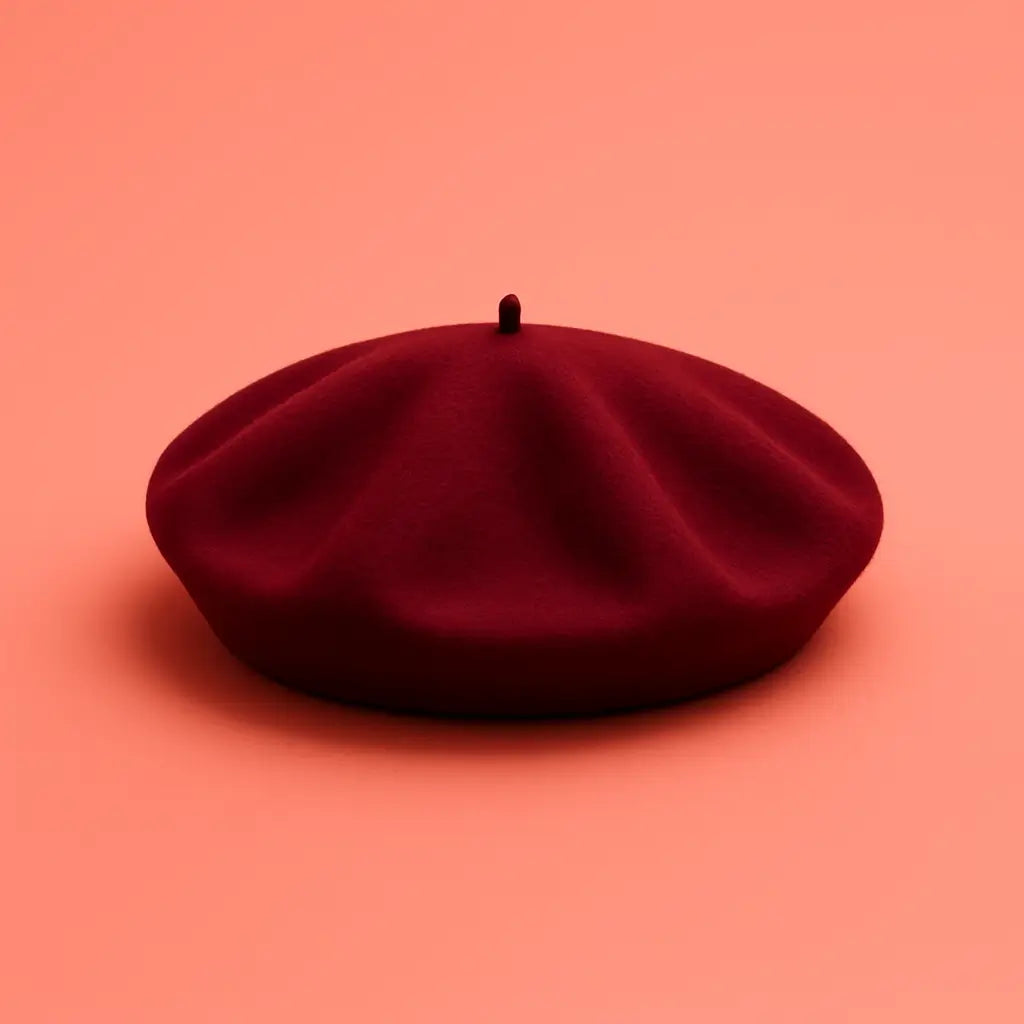
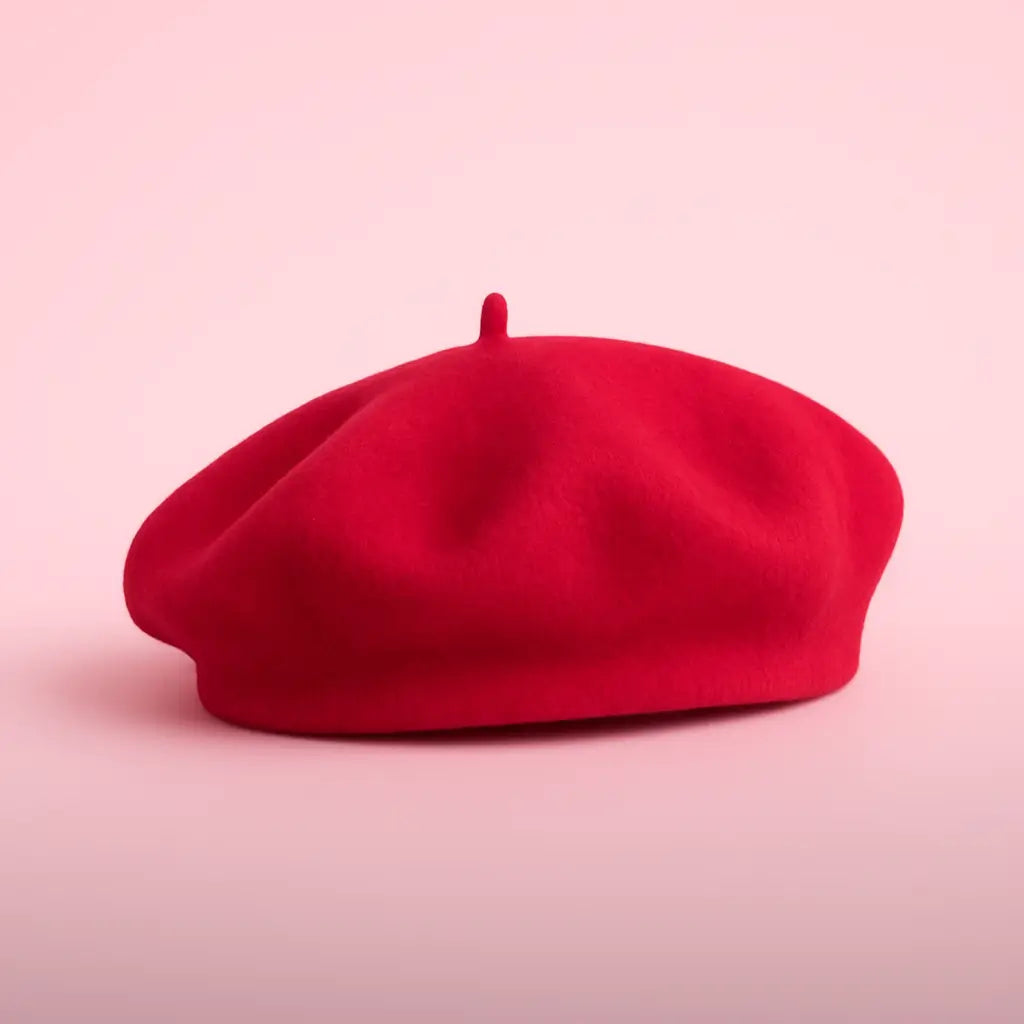
Wine Red Beret
Deep burgundy wool with a soft, rich surface. A colour that has carried the beret from Left Bank cafés into modern wardrobes.
Shop now · $45Wearing a piece of that history now
None of this history is a rulebook. You do not need to pick a single era to honour when you put a beret on. Most people end up borrowing a little from each chapter without thinking about it, and that is exactly how the hat has always worked.
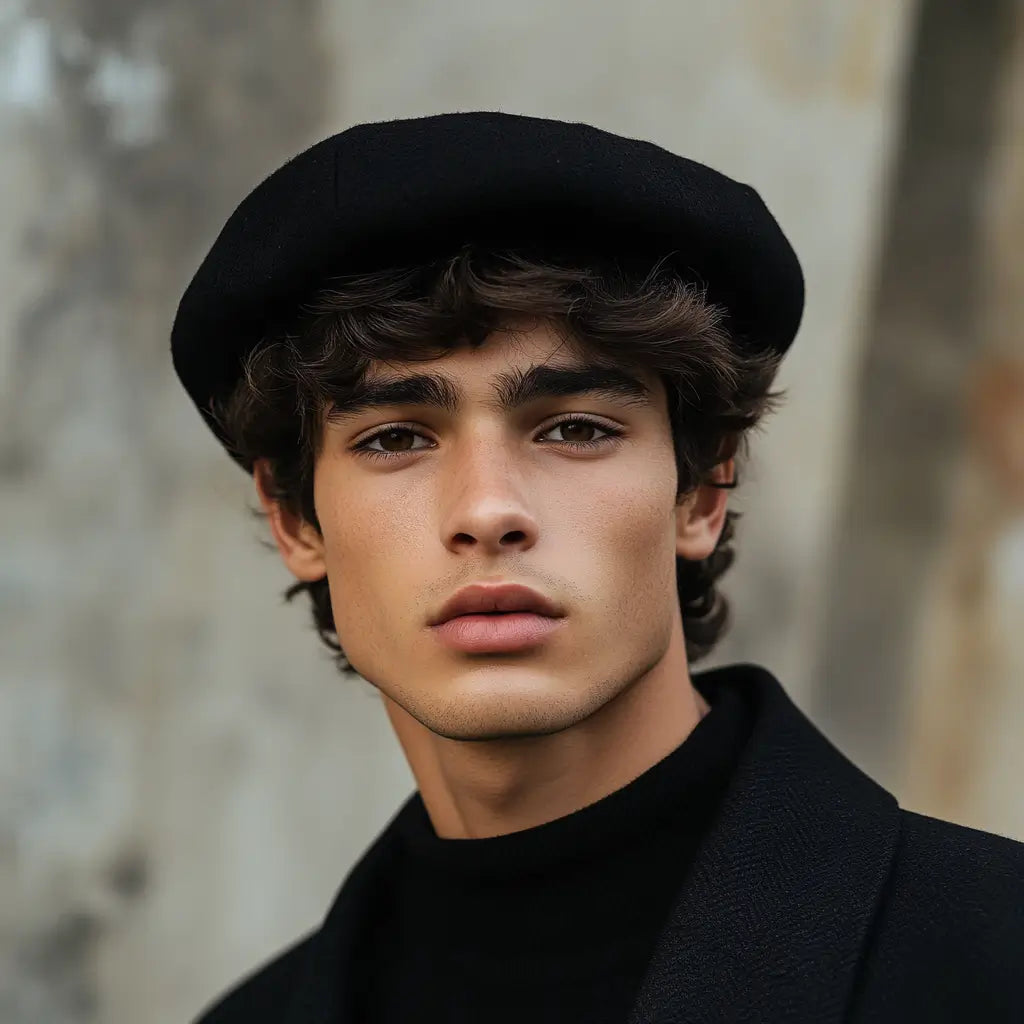
- If you want the shepherd's version: a plain wool beret in a neutral tone, worn simply.
- If you want the artist's version: black or a deep jewel tone, tilted slightly to one side.
- If you want the modern version: any colour you like, paired with whatever you already wear well.
Do not confuse the French beret with the Scottish tam o'shanter. They are separate wool-cap traditions from different regions and different periods, not the same hat under two names. If you want the full comparison, we cover it in is the beret French or Scottish.
Frequently asked questions
The wool beret we know today took shape in the early 1800s among shepherds in the Pyrenees, in the Béarn and the Basque Country.
Once the French army adopted it for Alpine troops in the late 1800s, it spread nationwide and became linked to French identity rather than just one mountain region.
Painters and writers in early 1900s Paris, including Pablo Picasso, wore berets constantly, and that visibility tied the hat to creative and intellectual life.
Yes. It moved from practical workwear to military issue, then to an artistic symbol, then to a countercultural one with the Beat generation, and now it functions simply as a fashion classic.
The best ones are. A single-piece felted wool construction with no seams is still the standard for a beret built to last, the same logic the original Pyrenees shepherds relied on.
So, when did the French beret come out? Call it the early 1800s for the hat itself, and the century that followed for everything it came to mean. Every era added something, and none of them cancelled out what came before. That layered history is exactly why a simple wool circle still feels so easy to wear today.


Worn well, never overthought.
Camille