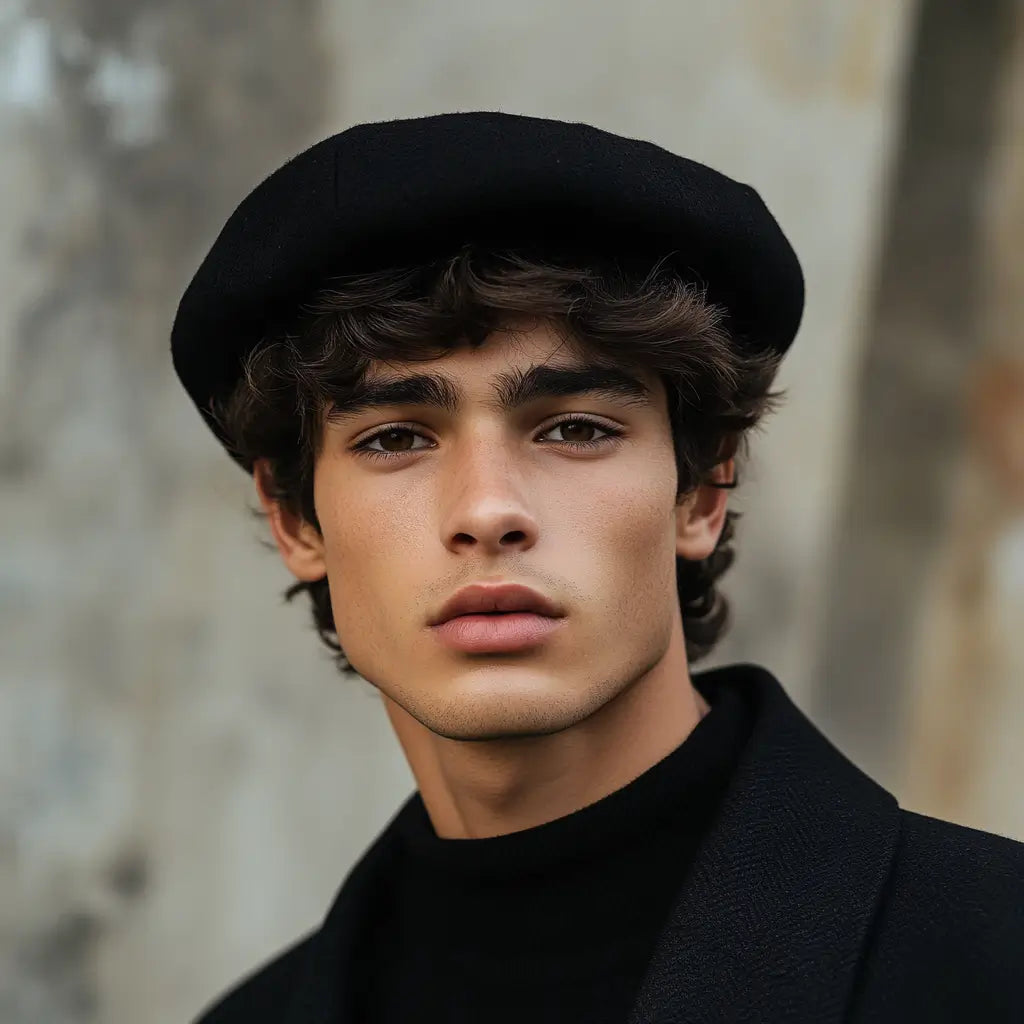
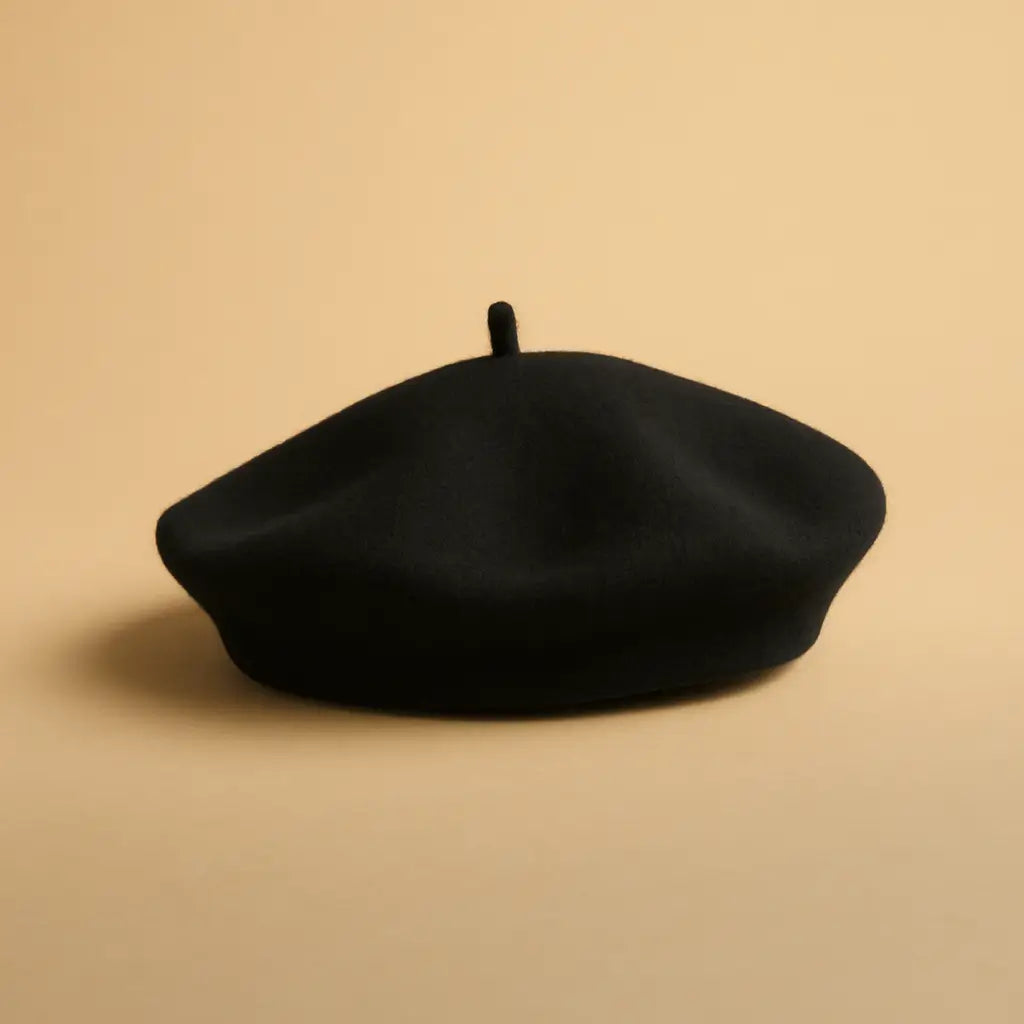
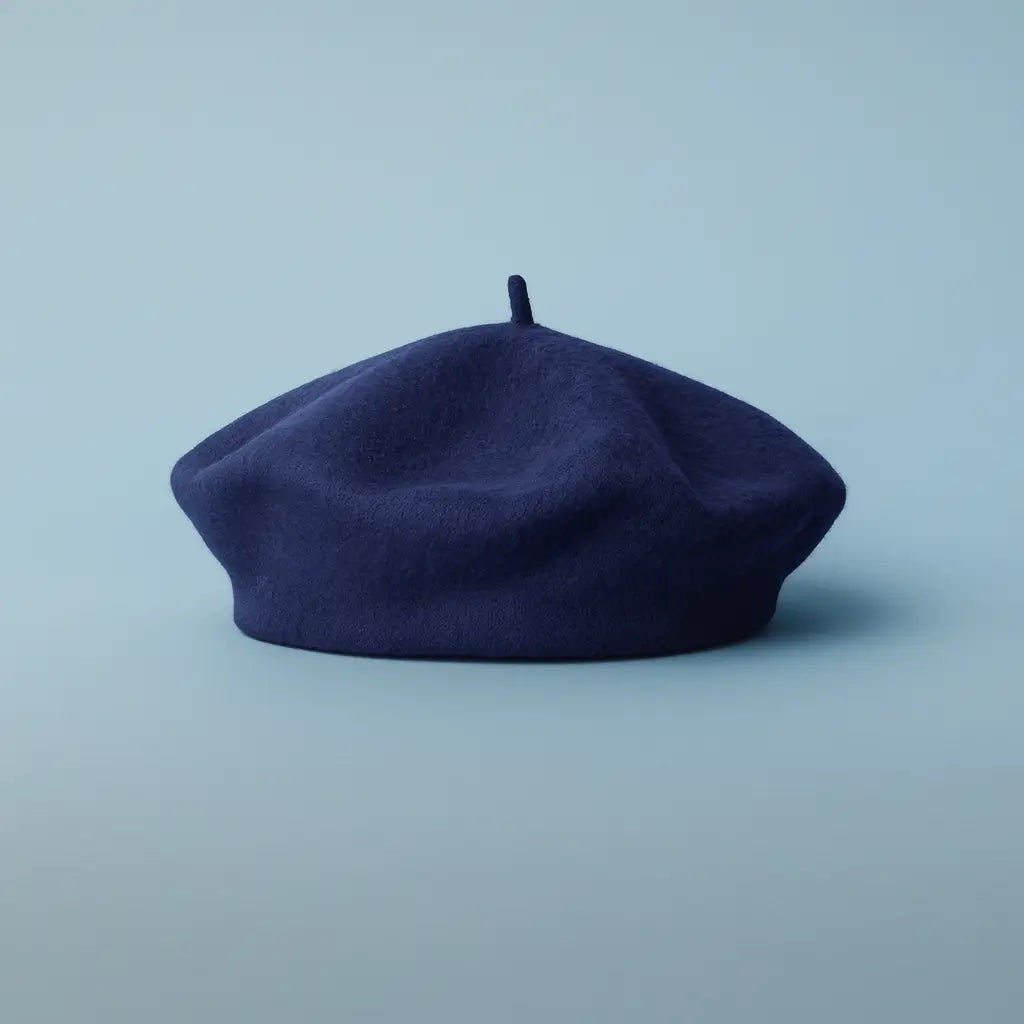
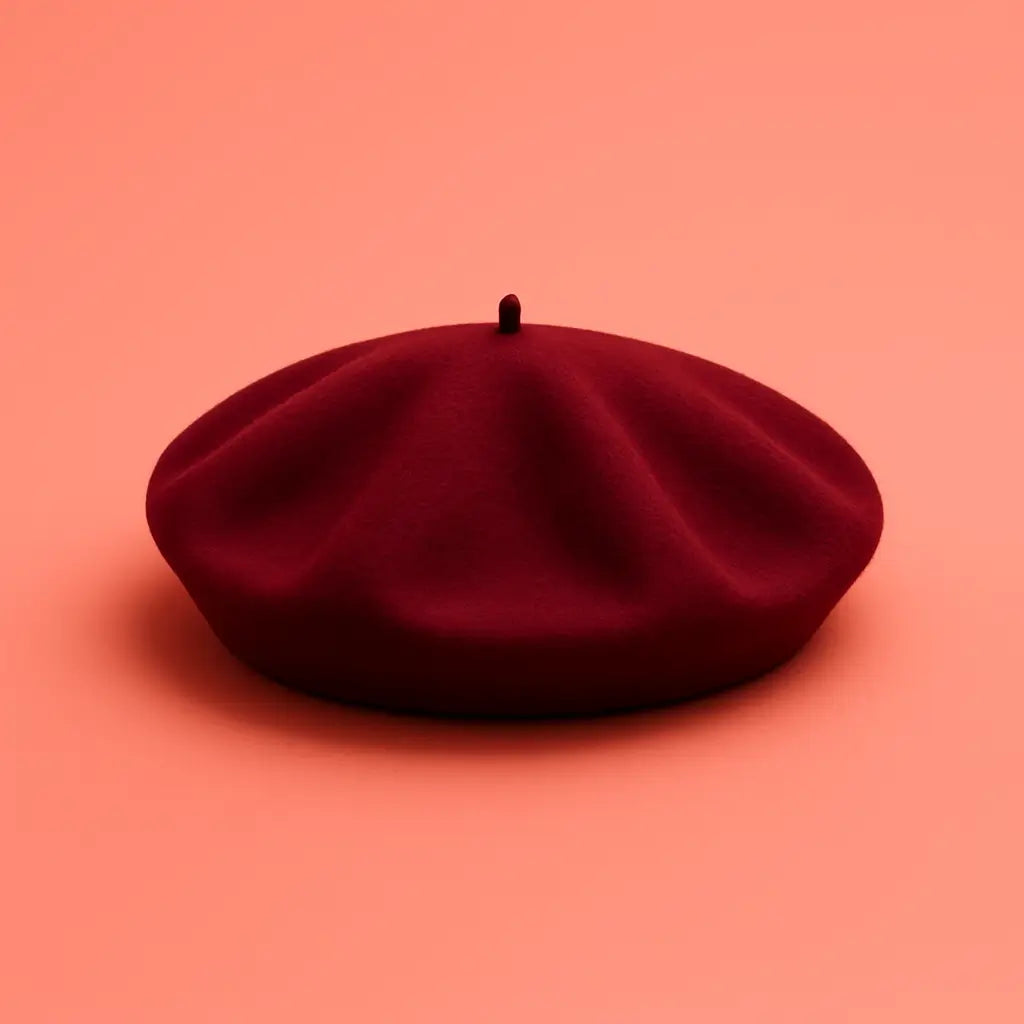
Short answer: the first people to wear berets were shepherds and farmers in the Pyrenees, the mountain range that splits France and Spain. Long before it meant fashion, the beret was working headwear, cut from one piece of felted wool because that was warm, cheap and easy to pack in a coat pocket between storms.
I am Camille, and I learned to shape berets in my family's atelier in the Béarn, the French side of that same range. So this history is not a list I found online. It is the story I grew up inside, of who first wore a beret, how the army and the artists borrowed it next, and why it never really left.
- Berets began as working headwear for shepherds and farmers in the Pyrenees, on both the French Béarn and Basque sides.
- Militaries adopted the beret in the early 1900s for its practicality, and it never really left.
- Artists and intellectuals, Picasso among them, turned it into a symbol of creative identity.
- The Béarn is where most professional beret makers still work today.
- Now it belongs to anyone. It reads as classic, not costume.
The beret's journey in one table
Short on time? This is how the beret moved from a mountain workwear piece to a wardrobe staple, era by era. The full story follows below.
| Era | Who wore it | Why |
|---|---|---|
| 1600s to 1800s | Pyrenean shepherds and farmers | Warm, packable, cheap wool protection |
| Early 1900s | Military units | Practical, foldable, easy to store |
| 1920s to 1950s | Artists and intellectuals | A symbol of creative identity |
| Today | Anyone who wants one | Classic, versatile, quietly elegant |
Shepherds of the Pyrenees
Before it had a name outside its own valleys, the beret was a farmer's tool. Shepherds working the high pastures of the Béarn and the Basque Country needed something that shed rain, held its shape in wind, and folded flat into a bag when the weather turned. A single piece of felted wool, shaped without a seam, did all three. It cost little to make and lasted for years.
That practicality is still the whole point. A wool beret has never needed reinventing because the original design already solved the problem. What has changed is who reaches for one, and why.
Who this original style suits best
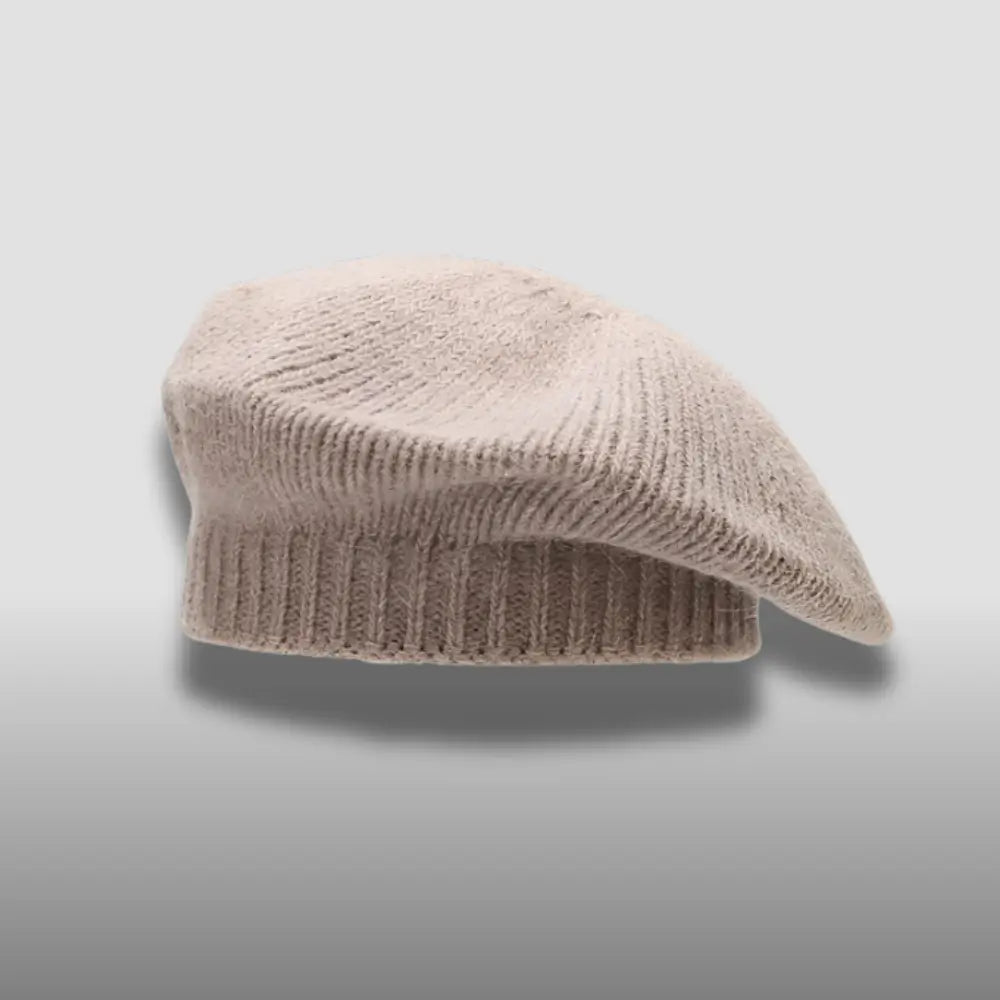
Anyone drawn to the beret's oldest, most honest form: real wool, a rounded crown, and none of the decoration added later. It is the choice for readers who want the piece the shepherds actually wore, not a fashion reinterpretation of it.

★★★★★ 4.8 · 60 reviews
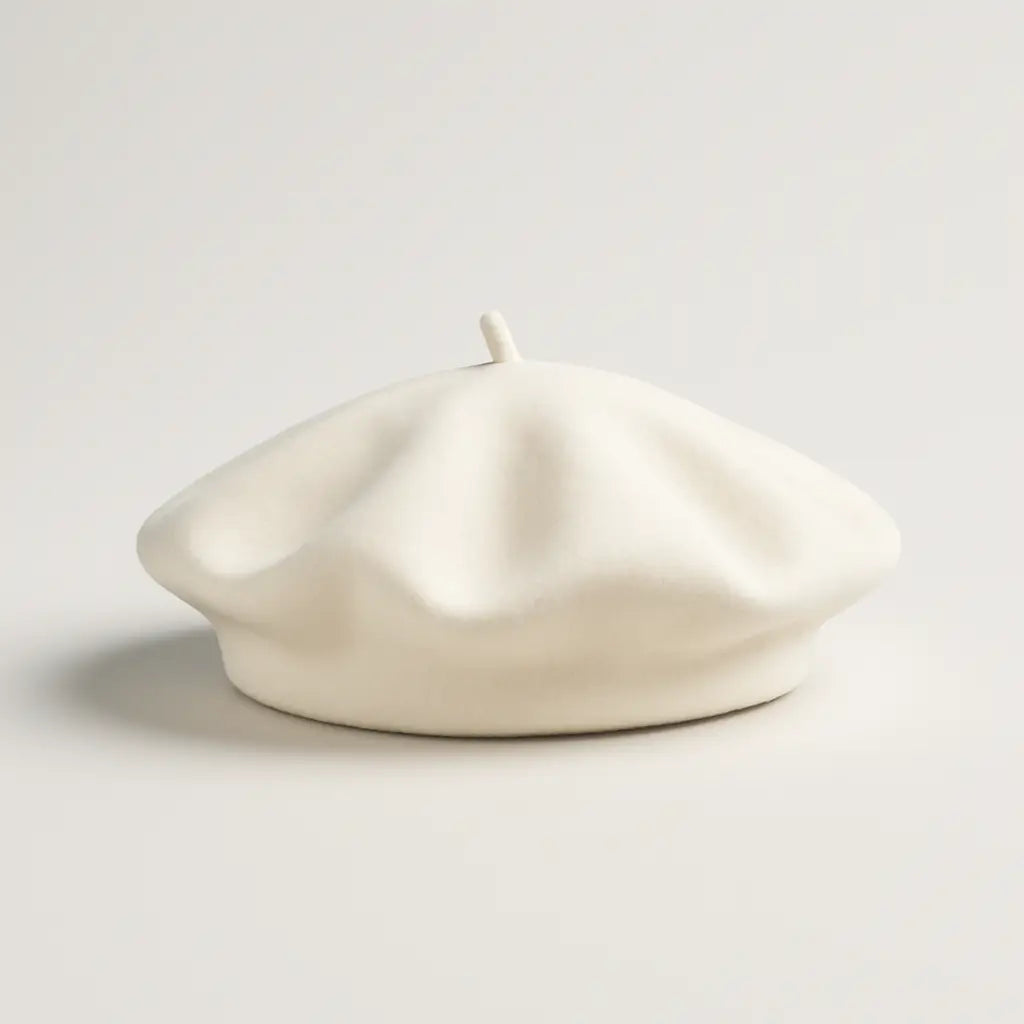
Beige Wool Beret
Cream colored wool, close to the natural shade a Pyrenean farmer would have worn. Soft, warm, and true to the original.
Shop now · $45The beret enters military life
The army noticed what shepherds had known for generations. A beret needs no brim to catch on equipment, folds flat under a shoulder strap, and keeps its shape after being crushed in a pack. French mountain infantry adopted it in the early 1900s, and other armies followed through the century, right up to the modern beret worn by elite units around the world.
That military chapter matters because it is where the beret's silhouette got standardized. The deep crown, the flat base, the slight lean to one side, all of that comes from a design built for function first, style second.
Who the military-inspired shade suits best
Readers who want the utilitarian read on a beret rather than the soft, romantic one. A dark grey or charcoal wool beret carries that structured, purposeful feel without looking like a costume piece.

★★★★★ 4.8 · 52 reviews
Dark Grey Beret
A structured charcoal wool with a hint of olive in the weave. Reads sharp and purposeful, close to the military shape.
Shop now · $45If you want a beret that nods to its working origins rather than its runway years, look for one hundred percent wool with a plain crown and no embellishment. That is the shape the shepherds and the early military both wore, and it is still the most versatile one to own.
Artists, intellectuals and the Béarn craft
By the 1920s the beret had left the mountains and the barracks for the cafes of Paris. Picasso wore one constantly, and painters, writers and academics followed. It became shorthand for a certain kind of mind: independent, unbothered by convention, comfortable standing apart. That is a very different reason to wear a beret than staying dry on a hillside, but it drew on the same object.
What most people never learn is that the makers behind those artists' berets were, and still are, concentrated in one place. The Béarn towns of Nay and Oloron Sainte Marie built the industry that supplied France, and a handful of us still shape and finish berets by hand there today. When I steam a crown into shape, I am using the same basic method a Béarn milliner used for the beret Picasso wore.
Who this heritage shade suits best
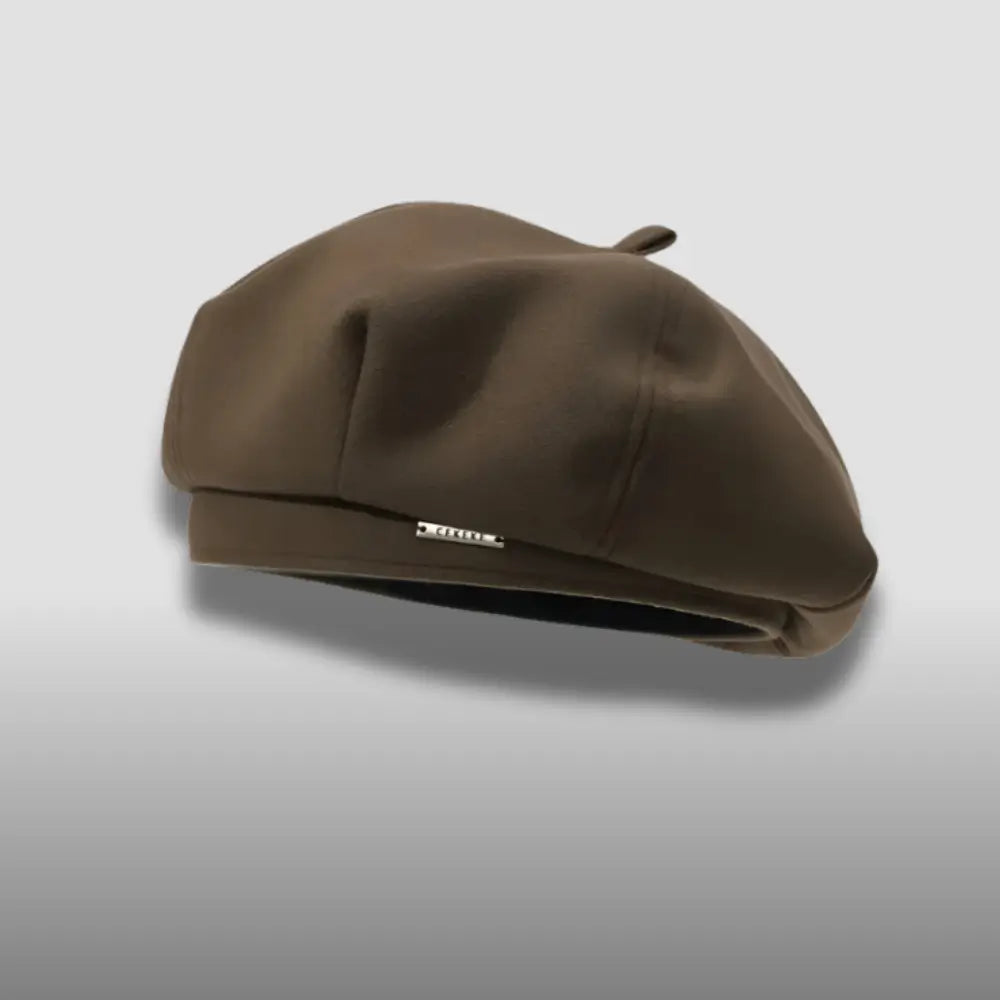
Anyone who likes owning a piece with a real story attached, and who wants a rich, grounded tone rather than a bright one. Chocolate brown carries that same quiet, artisan feel.

★★★★★ 4.8 · 61 reviews
Chocolate Brown Beret
A deep, grounded brown with a soft suede like hand. Carries the same quiet, artisan feel as the original Béarn workshops.
Shop now · $45
You can still see that Parisian moment in how people wear a beret today, tilted, unhurried, a little proud of it. The setting changed from a hillside to a cafe terrace, but the confidence the hat carries has stayed the same for a century.
How the beret became everyone's
None of the groups above kept the beret to themselves for long. Each one passed it forward to the next, and the ownership just kept widening.
- Farmers and shepherds: the original wearers, valuing warmth and practicality above all.
- Soldiers: adopted it for the same practicality, and gave it its familiar structured shape.
- Artists and academics: claimed it as a signal of independent thinking.
- Everyone since: travelers, students, professionals, anyone who wants one clean, considered piece for their head.
That is really the answer to who originally wore berets and who wears them now. It was never one group's alone, and every generation since has added a little to what it means. If you are curious how that meaning shifted by region, our piece on are berets French traces the French and Spanish sides of the story in more depth.
Caring for a heritage piece
A wool beret is built to last, provided you treat it like the natural fiber it is rather than a synthetic hat.
- Brush it gently with a soft brush after wear to lift dust and keep the felt looking fresh.
- Let it dry flat and away from direct heat if it gets caught in rain.
- Store it on a rounded surface, never folded flat for long stretches, so the crown keeps its shape.
Never machine wash or tumble dry a wool beret. The heat and agitation felt the fibers further, shrinking the crown and warping the shape the maker steamed into it. Hand care is what makes a wool beret a piece you can wear for decades.
Frequently asked questions
Shepherds and farmers in the Pyrenees, across the French Béarn and the Basque Country on both the French and Spanish sides, were the first to wear berets, using them as practical wool headwear against wind and rain.
Its shift from workwear to fashion took hold in the 1920s, when Parisian artists and intellectuals, Picasso among the most visible, began wearing it as a personal style statement.
The beret needs no brim to catch on gear, folds flat under a strap, and keeps its shape after being packed away, which made it practical for soldiers in the field.
Both claim it fairly. The Pyrenees straddle the French and Spanish border, and shepherds on the Béarn and Basque sides of that same range wore versions of the beret at the same time.
Yes. What began as one region's workwear now belongs to anyone who wants a considered, classic piece for their head, with no single group holding a claim on it.
So, who originally wore berets? Shepherds first, soldiers next, artists after that, and now, quite simply, anyone who wants one. That is a lot of history riding on one round piece of wool, and it is exactly why it has never gone out of style.


Worn well, never overthought.
Camille